The United Arab Emirates aviation sector reached unprecedented heights in 2025, recording its strongest year on record for passenger traffic, cargo volumes, and international connectivity, reinforcing the country’s standing as a leading global logistics and aviation hub.
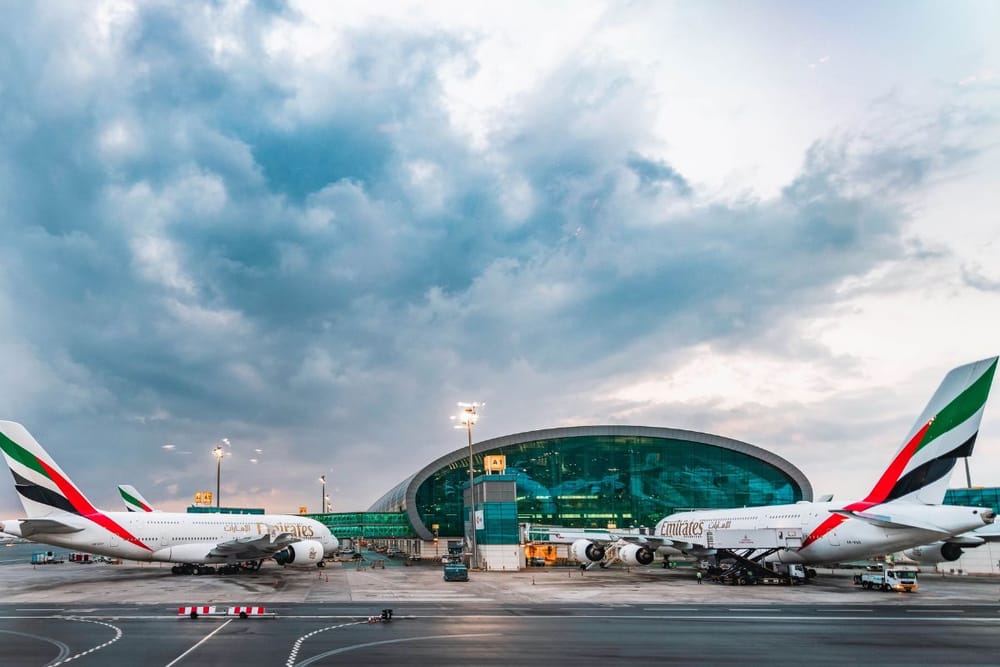
Dubai International Airport handled a record 95.2 million passengers during the year, a 3.1 percent increase compared with 2024, marking the busiest year in the airport’s history and the highest annual international passenger traffic ever recorded by any airport worldwide.
Flight movements at Dubai International climbed 3.3 percent to 454,800, while baggage volumes reached an all-time high of 86.75 million. The airport’s network expanded to 291 destinations across 110 countries, served by 108 international airlines, further strengthening Dubai’s role as a global gateway.
In the capital, Abu Dhabi Airports reported more than 33 million passengers in 2025, the highest annual figure in its history. Zayed International Airport alone handled 8.59 million passengers in the fourth quarter, reflecting year-on-year growth of 13.8 percent.
Cargo operations across Abu Dhabi’s five airports also expanded significantly, with volumes approaching 770,000 tonnes. The growth highlights the emirate’s rising importance in global trade and logistics corridors.
Sharjah International Airport recorded a 13.9 percent increase in passenger numbers to 19.48 million, up from 17.1 million in 2024. Flight movements rose to 116,657 as the airport continued to widen its regional and international reach.
Meanwhile, Ras Al Khaimah International Airport surpassed one million passengers for the first time, serving 1.3 million travellers in 2025. The airport expanded its scheduled network to 16 international destinations, including India, Pakistan, Saudi Arabia, Russia, and Egypt.
The strong performance across the country underscores aviation’s central role in the UAE’s tourism and economic development strategy, with enhanced connectivity supporting visitor inflows from key global markets.
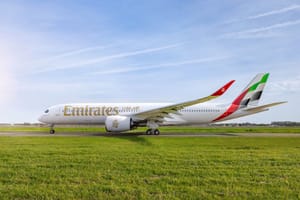
National carriers also continued to broaden their global footprints. Emirates Airline now operates to 152 destinations across 79 countries and territories, while flydubai serves more than 135 destinations in 58 countries with a fleet of 97 aircraft. Etihad Airways flies to 91 destinations in over 50 countries, and Air Arabia added 30 new routes in 2025, bringing its total network to 219 destinations across hubs in the UAE, Morocco, Egypt, and Pakistan.
Airports nationwide continued to invest heavily in infrastructure and advanced technologies to improve efficiency and passenger experience. Dubai International achieved mishandled baggage performance of 99.75 percent, while broader adoption of artificial intelligence, self-service solutions, and digital payment platforms accelerated across the sector.
During the year, UAE airports received multiple international awards for safety, operational excellence, sustainability, and customer experience, reflecting the country’s sustained leadership in global aviation standards.
News Source: Emirates News Agency