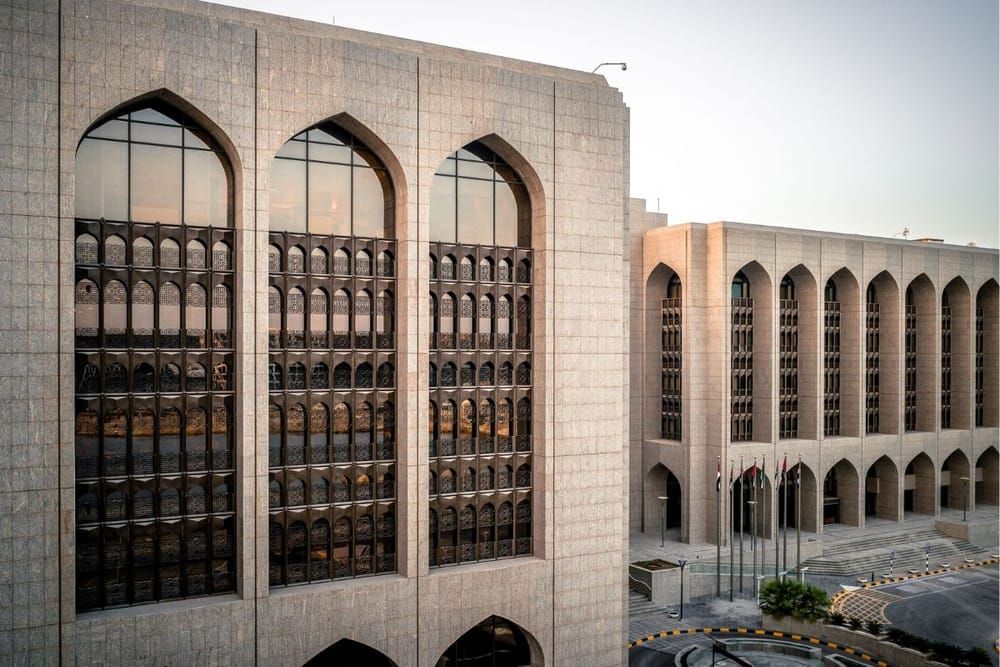
The Central Bank of the UAE reported a broad expansion in liquidity and credit conditions in February 2026, with key monetary aggregates rising on the back of stronger deposits and private sector lending.
Money supply aggregate M1 increased by 1.7 percent to AED1,099.8 billion, supported by a 1.4 percent rise in currency in circulation and a 1.8 percent increase in monetary deposits. Broader measures also showed growth, with M2 rising 2.4 percent to AED2,856.8 billion, driven largely by a surge in quasi-monetary deposits.
Corporate deposits played a central role in M2 growth, rising 2.1 percent, while individual deposits recorded a notable 5.3 percent increase. Deposits from government-related entities and other financial corporations also contributed, reflecting higher demand and savings balances as well as foreign currency inflows.
The widest measure, M3, grew by 1.6 percent to AED3,353.7 billion despite a 2.9 percent decline in government sector deposits, which partially offset overall gains.
The monetary base expanded by 2.0 percent to AED918.6 billion, supported by a sharp increase in banks’ current accounts and overnight deposits, alongside modest growth in reserve requirements and currency issuance.
Banking sector indicators also remained positive. Gross bank assets rose 1.1 percent to AED5,472.5 billion, while gross credit increased 1.2 percent to AED2,630.6 billion. Credit growth was primarily driven by a 1.3 percent rise in private sector lending, with additional support from government-related entities.
Total bank deposits climbed 1.9 percent to AED3,400.0 billion, led by gains in resident deposits, particularly within the private sector. Non-resident deposits also posted solid growth, reflecting continued confidence in the UAE’s financial system.
News Source: Emirates News Agency