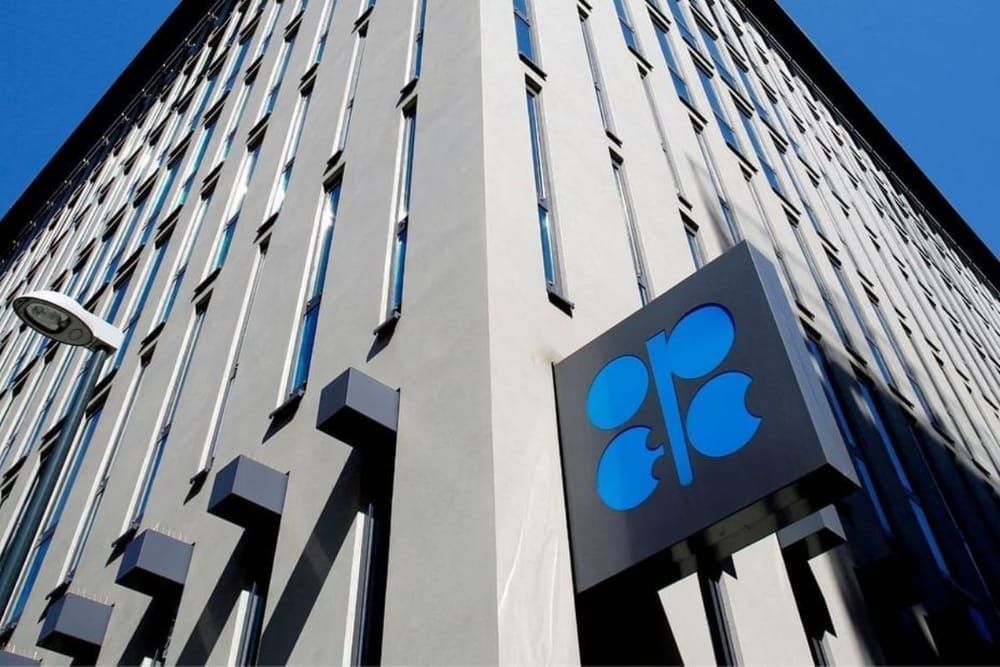
The United Arab Emirates’ economy continued to demonstrate resilience in August, with non-oil activity driving steady growth despite regional uncertainty, according to the Organisation of the Petroleum Exporting Countries’ (OPEC) September Monthly Oil Market Report.
The report noted that the country’s Purchasing Managers’ Index (PMI) rebounded to 53.3 in August after easing to a four-year low of 52.9 in July, reflecting renewed momentum in business activity. OPEC highlighted that this recovery, coupled with strong sovereign credit fundamentals, underpins the UAE’s robust macroeconomic outlook.
Fitch Ratings recently affirmed the UAE’s sovereign credit rating at “AA-” with a stable outlook, citing strong sovereign assets and investor confidence. Non-oil foreign trade surged by 24% in the first half of 2025, far exceeding the 1.8% global trade growth rate, reinforcing the UAE’s position as a global hub.
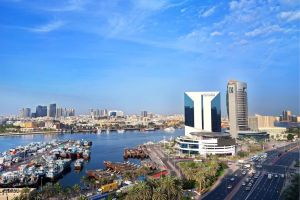
Tourism remained a key pillar, with Dubai attracting nearly 10 million visitors in the first six months of the year. This performance aligns with the Emirate’s D33 economic agenda, which targets sustained growth by diversifying revenue sources and cementing Dubai’s role as a leading international destination.
On the energy front, OPEC kept its forecast for global oil demand growth in 2025 unchanged at 1.3 million barrels per day (mb/d). Demand in OECD countries is expected to rise by 0.1 mb/d, while non-OECD markets are projected to account for 1.2 mb/d of the increase. For 2026, global oil demand growth is forecast at 1.4 mb/d, driven primarily by transportation fuels and petrochemicals.
The report underscores how the UAE’s diversification strategies, alongside its resilience in global markets, are helping sustain momentum in both the non-oil economy and broader macroeconomic stability.
News Source: Emirates News Agency