New data from Fortis reveals how UAE consumers are shopping during Ramadan 2026, with spending spread across distinct daily peaks, a 10% rise in AOV, and surging demand in fashion, wellness, and nighttime retail as the UAE’s Ramadan economy expands to $16.4 billion this year.
Fortis, a software platform that helps SMBs run and grow their businesses smarter, today revealed that shoppers are concentrating spending into distinct daily peaks, while average order value has risen around 10% compared to the period before Ramadan.
These shifts sit within a rapidly expanding Ramadan economy. Last year, Redseer Strategy Consultants estimated that UAE Ramadan retail sales would approach $10 billion, up approximately 9% year-on-year, driven by a 20% rise in consumer excitement versus the prior year and a 5% increase in overall willingness to spend.
Post-Iftar shopping surge
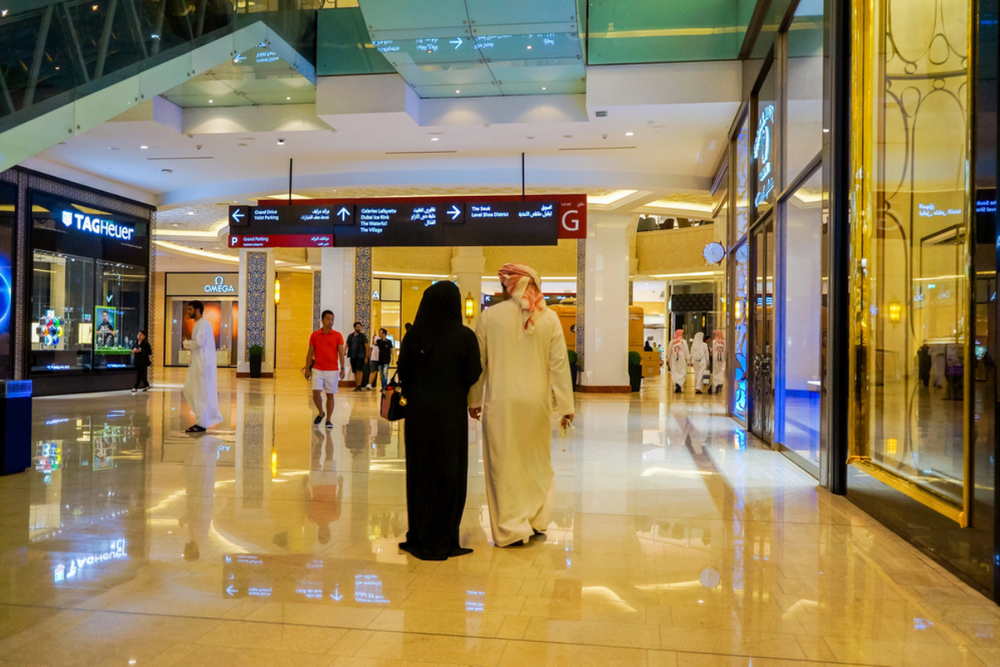
Fortis data shows retailers across the UAE experience their strongest transaction spikes between 9 PM and 11 PM after Iftar, as families and friends head to malls and neighbourhood stores. A secondary peak appears from 12 PM to 2 PM, when consumers make quick midday retail trips before the fast resumes.
"Our retail data reveals a fundamental shift in the shape of the retail day this Ramadan. Consumers are shopping in short, highly motivated bursts. SMBs that align staffing, inventory, and promotions with these windows are the ones capitalising most effectively,"
said Ahmed Sameh, CMO at Fortis.
External industry analyses support these changing patterns, indicating that late‑night spending extends well into Ramadan nights and that a significant share of UAE consumers prefer to shop after Iftar. Consumer surveys also show overall shopping activity rising during the holy month, with online activity surging after Iftar and late into the night.
Spending More, Not Just Shopping More
Across Fortis merchants, average order values are up about 10% this Ramadan, indicating a shift toward higher‑value, occasion‑driven purchases.
“Shoppers may be making fewer transactions, but they are choosing more premium items and thoughtful gifts. They are prepared to pay for quality, experience, and meaningful gifts, and that’s a clear signal for SMB retailers to elevate their assortments and bundling strategies,”
added Ahmed Sameh, CMO at Fortis.
Fashion and Wellness Lead Category Growth
Within the Fortis network, clothing, particularly abayas and modest fashion, is the strongest‑performing category this Ramadan, with weekend demand significantly exceeding weekdays as families prepare for gatherings, prayer nights, and Eid celebrations.
At the same time, wellness and active living are emerging as powerful themes. Sports and fitness equipment sales across Fortis merchants rose around 10% in the first week of Ramadan, as consumers prepared for lifestyle changes during fasting hours.
“The wellness trend is one of the most striking signals in this year’s data. Ramadan has traditionally centred on food, fashion, and gifting. Now we see a generation actively investing in health and active lifestyles during the holy month. For SMB retailers in sports and wellness, this is a significant and still under‑served opportunity.”
said Ahmed Sameh, CMO, at Fortis.
During Ramadan 2026, Shoppers anticipate discovering, browsing, and purchasing across multiple channels, often within the same evening. Retailers that synchronize in-store experiences, click-and-collect services, and online campaigns around post-Iftar and midday peaks are best positioned to meet this omni-channel demand.
News Source: Fortis