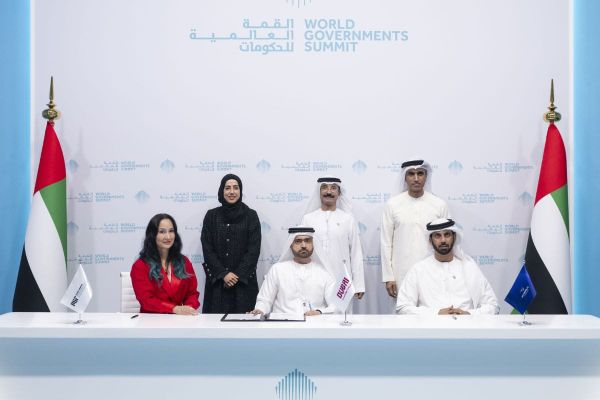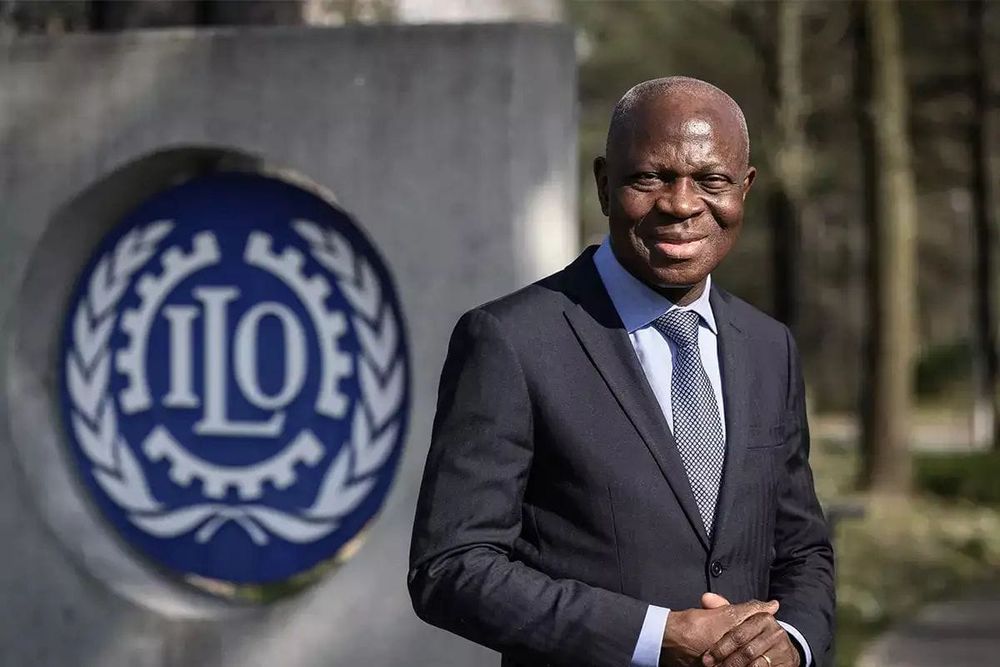
The UAE’s use of artificial intelligence to analyse labour markets and guide policymaking could become a global benchmark, according to Gilbert F. Houngbo, Director-General of the International Labour Organisation, who praised the country’s data-driven approach at the World Governments Summit 2026 in Dubai.
Houngbo said the UAE government is using AI to conduct deep analysis and labour market forecasting, enabling policymakers to respond quickly and effectively to emerging trends.
He described the UAE as an active and constructive partner, highlighting its engagement in international labour conferences and the ILO Governing Body, as well as close cooperation with the Ministry of Human Resources and Emiratisation. Houngbo also pointed to the country’s growing role in promoting labour standards, skills development and inclusive employment.
On global trends, Houngbo said the ILO’s latest World Economic and Social Outlook shows improving employment conditions, with global unemployment estimated at around 4.9 percent in 2026. However, he cautioned that underlying challenges remain significant.
Around 2.1 billion people continue to work in the informal economy, while youth exclusion from labour markets remains high. Houngbo noted that although official unemployment stands at roughly 186 million people, the figure rises to about 400 million when those who have stopped searching for work are included.
He said the ILO is refocusing on its core mandate of setting and enforcing international labour standards, while adapting protections to new forms of work and the growth of self-employment and small businesses.
Addressing the impact of AI, Houngbo said only about 3.3 percent of jobs are fully automatable, while nearly a quarter are likely to be transformed. He stressed that investing in skills, upskilling and lifelong learning remains essential for ensuring future-ready workforces.
News Source: Emirates News Agency