The UAE is cementing its position as a global leader in food security and sustainable food systems through a series of strategic projects that blend technology, investment, and collaboration between the public and private sectors.
These initiatives are driving the nation toward self-sufficiency while enhancing the resilience and competitiveness of its food supply chains.
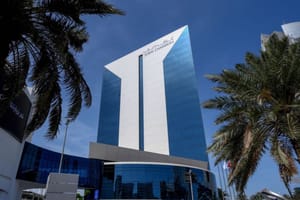
In Abu Dhabi, the food and beverage sector has seen record expansion, with active memberships in the industry reaching 24,594, according to the Abu Dhabi Chamber of Commerce and Industry. The first half of 2025 recorded a 42.2 percent rise in new memberships compared to the same period last year, highlighting the sector’s growing appeal to small and medium enterprises and start-ups.
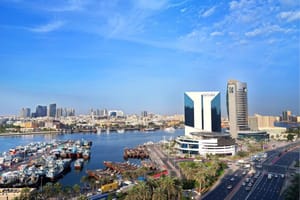
Dubai continues to play a pivotal role as a global hub for food trade, supported by its advanced logistics infrastructure and strategic location. Jebel Ali Port handles about 73 percent of the UAE’s food and beverage trade by value, connecting companies to more than 150 ports worldwide and ensuring smooth international operations.
Financial institutions are also stepping up, with Emirates Development Bank allocating AED100 million to support AgriTech projects that foster innovation and empower start-ups in agricultural technology.
Saleh Lootah, Chairman of the UAE Food and Beverage Manufacturers Group, credited the nation’s leadership and private sector collaboration for advancing food security, noting that initiatives such as the Ministry of Economy’s Food Cluster Economy are driving transformative growth.
Ahmed Al Shaibani, Director of Food Tech Valley, said the project is a cornerstone of the National Food Security Strategy 2051, serving as a platform for innovation and sustainability in agri-tech and food industries, and positioning the UAE as a regional centre for food system advancement.
News Source: Emirates News Agency