The United Arab Emirates is reinforcing its position as a pivotal player in global food supply chains, leveraging its strategic location and advanced logistics infrastructure to support regional and international food security amid rising pressures on the global food system.
By integrating smart technologies with a vast network of ports, airports, and land transport corridors, the UAE has built one of the world’s most efficient logistics ecosystems. Industry experts say these capabilities allow the country to capture emerging opportunities in food logistics while offering reliable, end-to-end solutions for international trade.
Market data underscores this momentum. The Middle East food logistics sector is valued at $67.14 billion in 2025 and is forecast to reach $100.59 billion by 2030, growing at a compound annual rate of 8.42 percent, according to Mordor Intelligence. The UAE ranks first in the region and third globally, behind China and India, in the Agility Emerging Markets Logistics Index.
Government-backed initiatives are central to this strategy. The Ministry of Economy and Tourism’s Food Cluster Economy programme empowers the private sector to drive legislative and project development, integrating farms, factories, supply chains, and retail into a cohesive national framework.
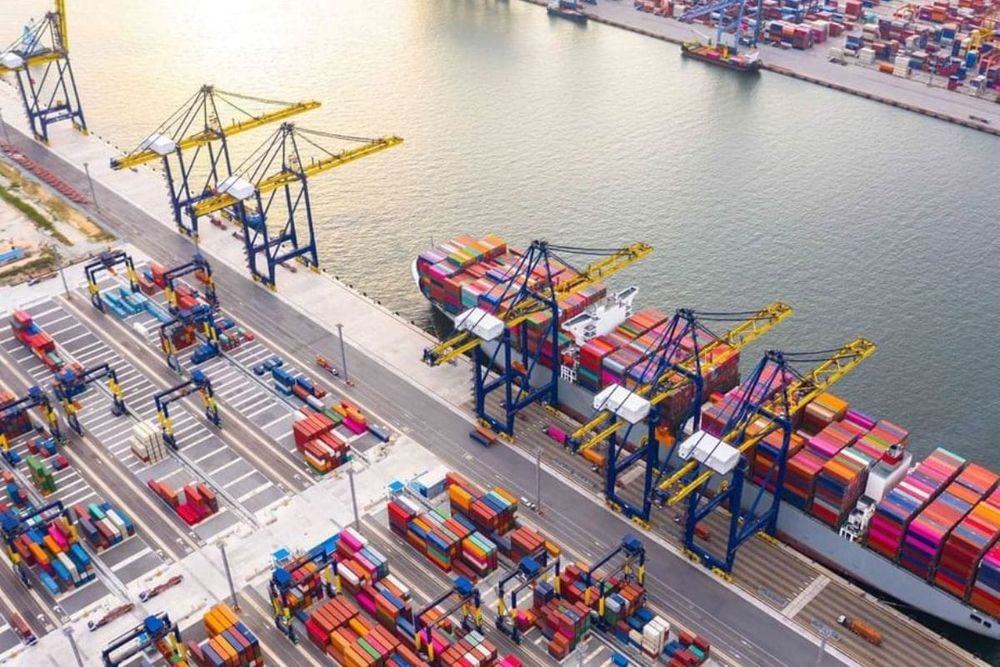
Ports remain the backbone of the UAE’s food trade. Jebel Ali Port alone handles around 73 percent of the country’s food and beverage trade by value and connects to more than 150 ports worldwide.
Future capacity is set to expand further with the Dubai Food District, a DP World-led, multi-phase development scheduled to launch its first stage in 2027. The district will feature cold storage, temperature-controlled warehousing, processing facilities, and digital solutions.
Mohamed Nasser of Halal Approval Global said the UAE’s location at the crossroads of the Middle East, Asia, and Africa, combined with integrated infrastructure, makes it a natural hub for global trade.
News Source: Emirates News Agency