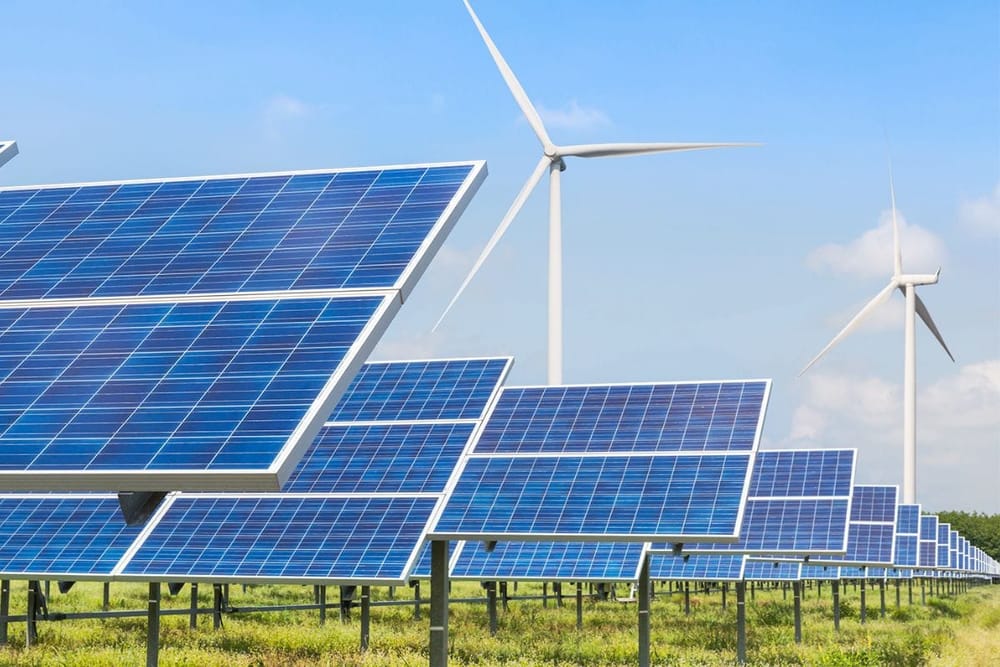
The United Arab Emirates, a nation long synonymous with oil wealth, is charting a bold new course toward a sustainable future. In a region where shimmering skyscrapers and luxury lifestyles dominate the skyline, the UAE is quietly but powerfully reshaping its energy landscape. The country’s ambitious renewable energy initiatives are not just a response to global climate demands but a strategic move to secure economic stability and environmental resilience for generations to come. For Dubai’s businesses and residents, this shift offers exciting opportunities: lower energy costs, green investment prospects, and a chance to contribute to a cleaner planet.
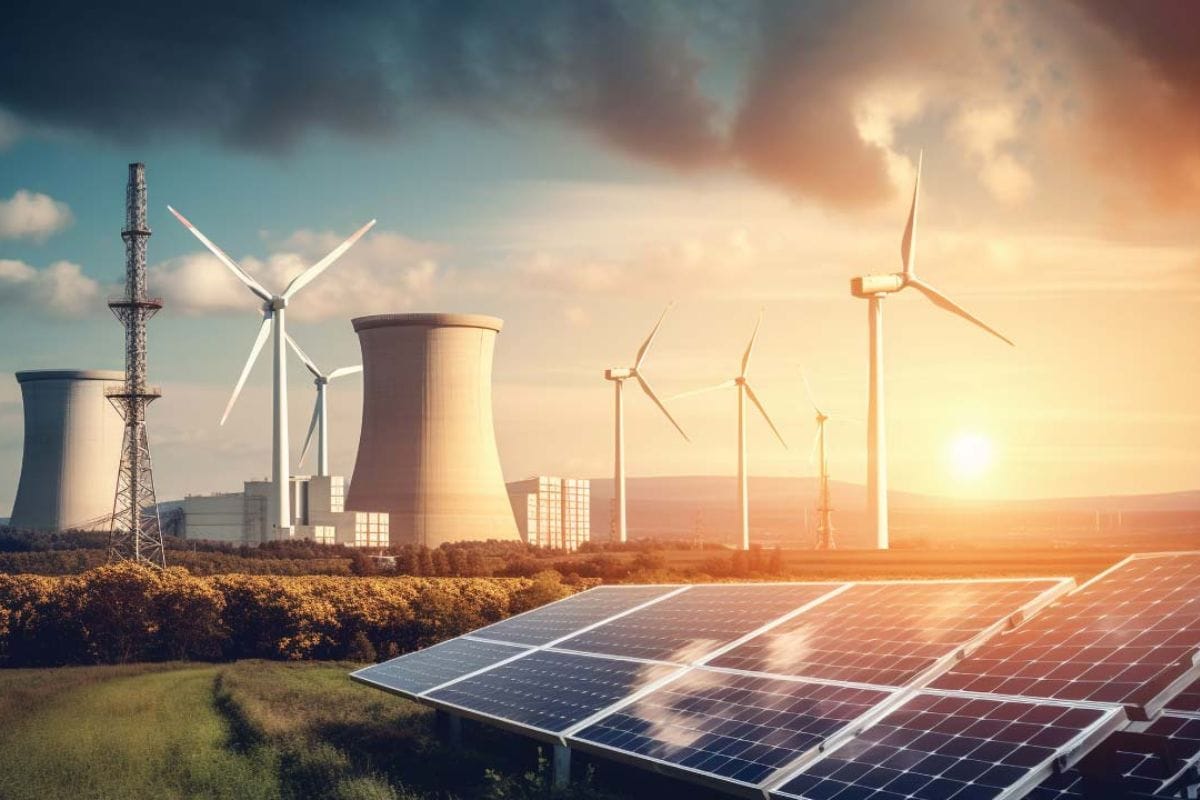
At the heart of this transformation is the UAE Energy Strategy 2050, a visionary plan to diversify the nation’s energy mix and achieve net-zero emissions by 2050. With massive solar projects, innovative hydrogen initiatives, and groundbreaking nuclear programs, the UAE is proving that a fossil fuel powerhouse can lead the charge in renewables. Dubai, in particular, stands out as a hub of innovation, with its Mohammed bin Rashid Al Maktoum Solar Park setting global benchmarks and the Dubai Clean Energy Strategy 2050 aiming for 75% clean energy by mid-century.
From solar panels on rooftops to green hydrogen fueling industries, the UAE’s push for renewables is a game-changer. Explore how this transformation is unfolding and what it means for you.
The UAE’s Renewable Energy Vision
The UAE’s commitment to renewable energy is rooted in a clear and ambitious vision: to transition from a hydrocarbon-dependent economy to one powered by clean, sustainable sources. The UAE Energy Strategy 2050, updated in 2024, sets a target of 30% clean energy by 2030 and net-zero emissions by 2050. This strategy balances economic growth with environmental responsibility, aiming to triple renewable energy capacity to 19.8 gigawatts by 2030. For Dubai, this aligns with the Dubai Clean Energy Strategy 2050, which seeks to make the emirate a global leader in clean energy, targeting 75% of its energy from renewable sources by 2050.
This vision is driven by necessity and opportunity. The UAE’s economy has long relied on oil and gas, but global shifts toward sustainability and declining fossil fuel demand have prompted a strategic pivot. By investing in renewables, the UAE aims to conserve natural gas for export, create green jobs, and attract international investment.
The UAE’s leadership has also made sustainability a national priority. The designation of 2023 as the Year of Sustainability and hosting COP28 in Dubai underscored the country’s commitment. These efforts are not just symbolic. They are backed by significant investments, over $54 billion by 2030, and policies that encourage private-sector participation. For Dubai, this translates into a vibrant ecosystem where businesses and residents can actively participate in the green revolution.
Solar Power
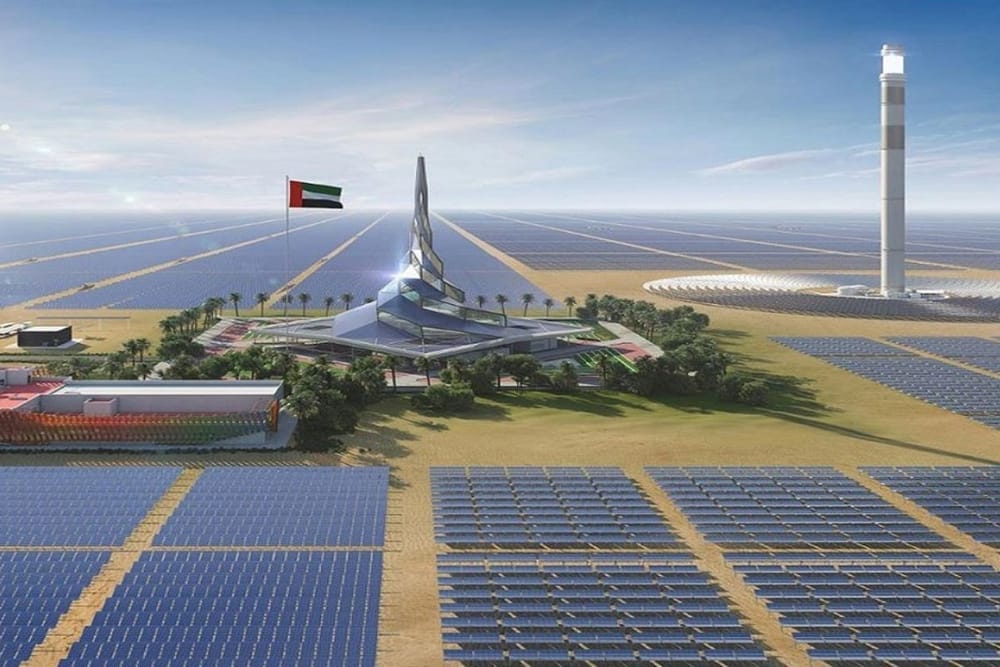
The UAE’s abundant sunshine, with clear skies for nearly 350 days a year, makes solar power the cornerstone of its renewable energy strategy. The country is home to some of the world’s largest solar projects, with Dubai leading the charge through the Mohammed bin Rashid Al Maktoum Solar Park. Spanning 4,000 acres, this mega-project is the largest single-site solar park globally, with a planned capacity of 5,000 megawatts by 2030. Its fifth phase, inaugurated in 2023, generates 900 megawatts, powering 270,000 homes and reducing carbon emissions by 1.18 million tons annually.
In Abu Dhabi, the Al Dhafra Solar PV Project, completed in 2023, is another record-breaker. With a capacity of 2 gigawatts, it can power nearly 200,000 homes and cuts emissions by 2.4 million tons each year. The Noor Abu Dhabi Solar Park, operational since 2019, adds 1,177 megawatts to the grid, offsetting 3.6 million tons of CO2 annually. These projects showcase the UAE’s capability to leverage its natural resources for sustainable energy production.
For Dubai’s businesses, solar power offers tangible benefits. The Shams Dubai initiative allows commercial and residential properties to install rooftop solar panels and connect to the Dubai Electricity and Water Authority (DEWA) grid. Through net metering, businesses can offset their energy bills by feeding excess electricity back to the grid, making solar a cost-effective solution. These initiatives make solar power accessible and economically attractive, encouraging widespread adoption.
Nuclear Energy
While solar dominates the UAE’s renewable landscape, nuclear energy plays a critical role in diversifying the energy mix. The Barakah Nuclear Power Plant in Abu Dhabi, the first nuclear facility in the Arab world, is a cornerstone of this strategy. Operational since 2019, its four reactors provide 5,600 megawatts, meeting 25% of the UAE’s electricity needs. By 2024, all reactors were fully operational, delivering clean, reliable energy to homes and businesses.
Nuclear energy ensures a stable power supply, crucial for industries like manufacturing and technology. Unlike solar or wind, nuclear power is not weather-dependent, making it a dependable baseload energy source. This reliability is vital for businesses aiming to scale operations without worrying about energy shortages.
The Barakah plant also sets a global standard for safety and sustainability. Built in collaboration with Korea Electric Power Corporation and U.S. partners, it adheres to rigorous regulatory standards. For businesses considering investments in clean energy, the success of Barakah demonstrates the UAE’s commitment to cutting-edge technologies and international partnerships, creating a stable environment for green ventures.
Green Hydrogen
Hydrogen is emerging as a game-changer in the UAE’s renewable energy portfolio. As a clean fuel that can be produced from renewable sources like solar and wind, green hydrogen offers versatile applications, from powering vehicles to supporting industrial processes. The UAE, with its abundant solar resources and natural gas reserves, is well-positioned to become a global leader in hydrogen production.
In 2021, the UAE launched the Abu Dhabi Hydrogen Alliance, involving key players like ADNOC, Mubadala, and ADQ. This initiative aims to develop low-carbon green and blue hydrogen for domestic use and export. Dubai has also taken steps, opening the Middle East’s first hydrogen filling station in 2017. Masdar, Abu Dhabi’s renewable energy company, is spearheading hydrogen projects, targeting a top-10 global producer status by 2031.
For businesses, green hydrogen presents opportunities in sectors like transportation and manufacturing. Companies can invest in hydrogen-powered fleets or integrate hydrogen into industrial processes, reducing emissions and aligning with sustainability goals. The UAE’s Hydrogen Leadership Roadmap, launched at COP26, outlines a clear path to scale production, making it an exciting prospect for innovative businesses.
Government Support and Incentives
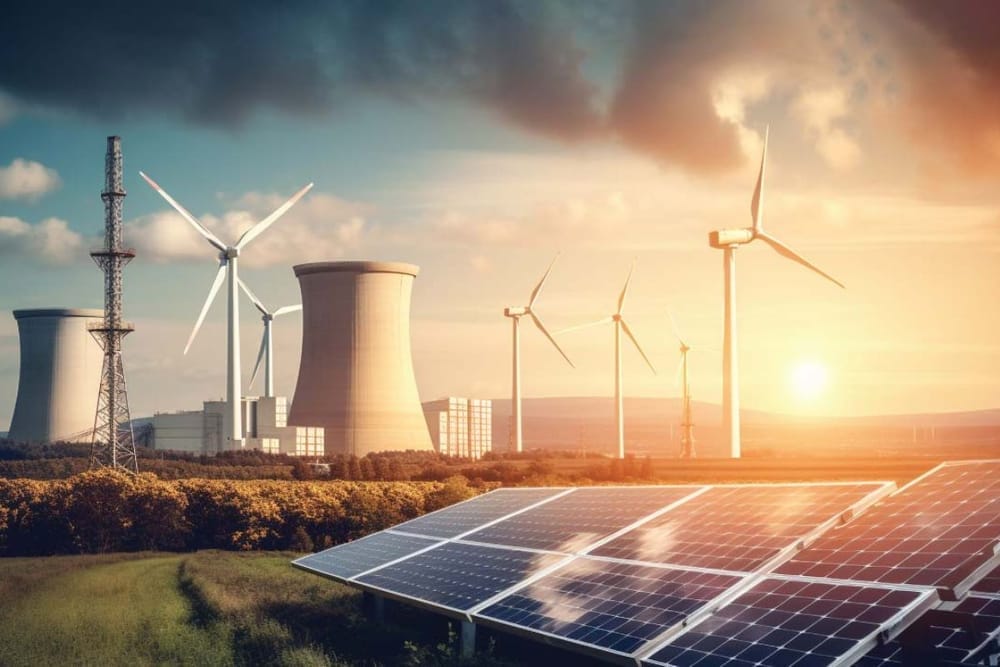
The UAE’s renewable energy push is underpinned by robust government support. The UAE Energy Strategy 2050 allocates $41 to $54 billion by 2030 to expand clean energy infrastructure. In Dubai, the Dubai Green Fund, worth $27 billion, offers low-interest loans to investors in renewable projects. These financial incentives make it easier for businesses to adopt solar panels, energy-efficient technologies, and green building practices.
Net metering and feed-in tariffs are game-changers for Dubai’s businesses and residents. By installing rooftop solar panels, companies and homeowners can generate electricity and sell excess power back to the grid, offsetting costs. Green building regulations, such as Dubai’s Al Sa’fat system and Abu Dhabi’s Estidama initiative, mandate energy-efficient designs in new constructions, ensuring sustainability is built into the urban landscape.
The UAE’s regulatory framework also encourages private-sector participation. The Ministry of Energy and Infrastructure, DEWA, and Abu Dhabi’s Department of Energy streamline approvals for renewable projects, while renewable energy auctions attract global investors. For businesses, this means easier access to licenses and funding. For residents, it translates to a city designed for sustainability, with energy-efficient buildings and lower utility bills.
Opportunities for Dubai’s Businesses
Dubai’s renewable energy boom is a goldmine for businesses. The sector’s growth, projected to reach $12 billion by 2033, creates opportunities in solar panel installation, energy storage, and green technology development. Companies like AMEA Power and Masdar are already capitalizing on this, with clean energy pipelines spanning multiple countries. Local businesses can partner with these giants or tap into government incentives to launch their own ventures.
For small and medium enterprises, rooftop solar systems offer immediate cost savings. Retail and hospitality businesses, for instance, can reduce electricity bills by installing solar panels, enhancing profitability while showcasing their commitment to sustainability. Larger corporations can explore green hydrogen or waste-to-energy solutions, aligning with global ESG standards and attracting eco-conscious investors.
The renewable energy sector also creates jobs. The UAE Energy Strategy 2050 aims to generate 50,000 green jobs by 2030, from engineers to project managers. Dubai’s businesses can invest in training programs, partnering with institutions like IRENA, headquartered in Abu Dhabi, to build a skilled workforce. This not only supports the local economy but also positions companies as leaders in a competitive market.
Benefits for Dubai’s Residents
For Dubai’s residents, the renewable energy push brings tangible benefits. Rooftop solar panels, supported by net metering, allow homeowners to lower electricity bills and contribute to the city’s sustainability goals. Green building regulations ensure new homes are energy-efficient, reducing utility costs and improving living standards. Initiatives like the Dubai 2040 Urban Master Plan prioritize green spaces and sustainable mobility, creating a healthier, more livable city.
Residents can also take pride in living in a global sustainability leader. Projects like the Mohammed bin Rashid Al Maktoum Solar Park and the Hatta hydroelectric plant demonstrate Dubai’s commitment to innovation. As the city adopts hydrogen-powered transport and waste-to-energy solutions, residents will enjoy cleaner air and a reduced environmental impact, enhancing their quality of life.
Community engagement is key. Programs like DEWA’s smart meters and energy-saving campaigns empower residents to monitor and reduce their energy consumption. By adopting sustainable practices, Dubai’s residents can play an active role in achieving the city’s clean energy targets, fostering a sense of shared responsibility.
As Dubai strives for 75% clean energy by 2050, the collaboration between government, businesses, and residents will be key. By embracing solar power, nuclear energy, and green hydrogen, Dubai is not just adapting to a changing world; it’s leading the way. Whether you’re a business owner looking to cut costs or a resident eager to live sustainably, the UAE’s renewable energy revolution invites you to be part of a brighter, greener future.
Also Read:
 Ummulkiram Pardawala
 Ummulkiram Pardawala
 Shahba Mayyeri
 HiDubai Newswire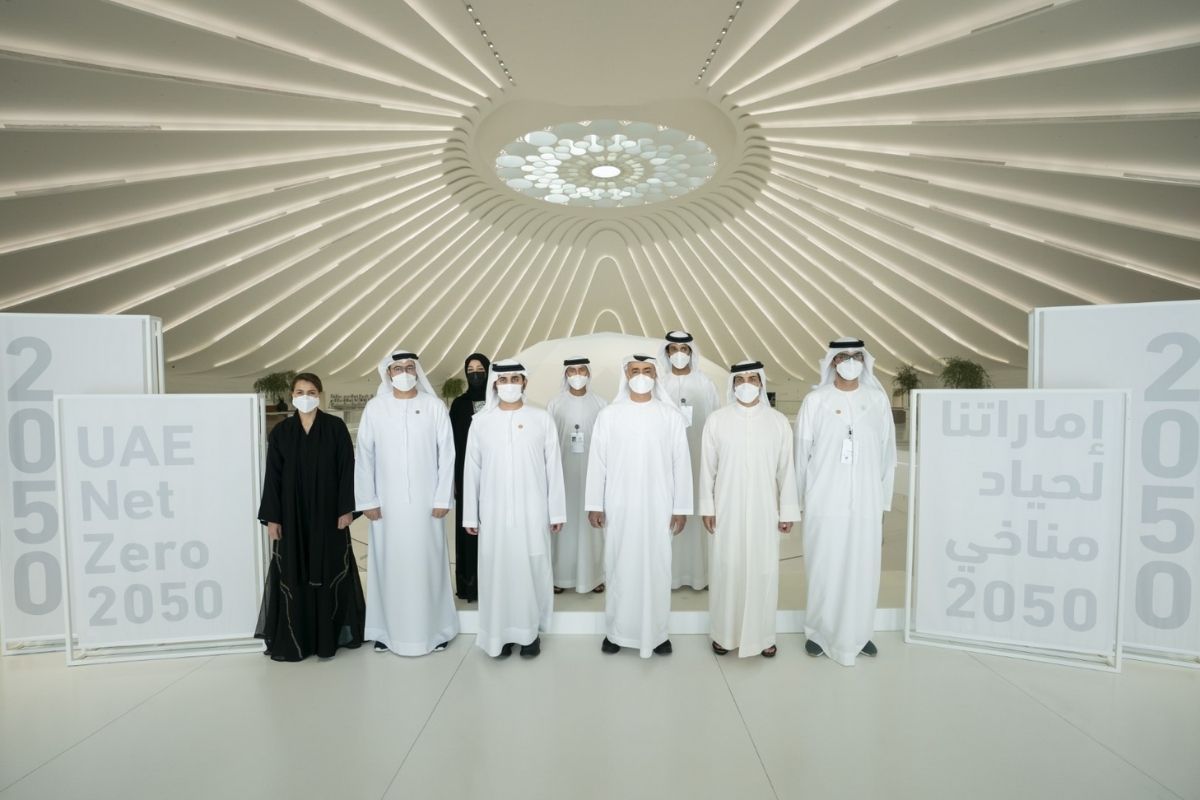
 Ummulkiram Pardawala