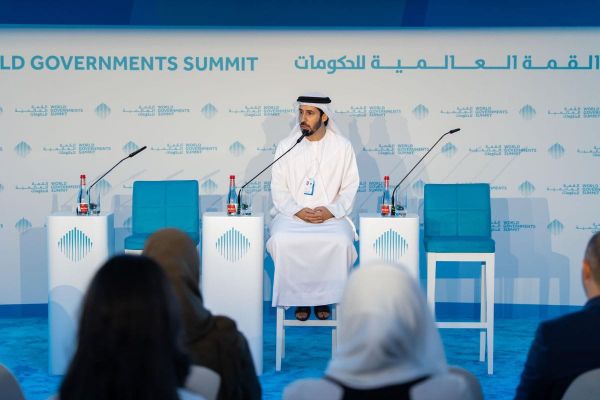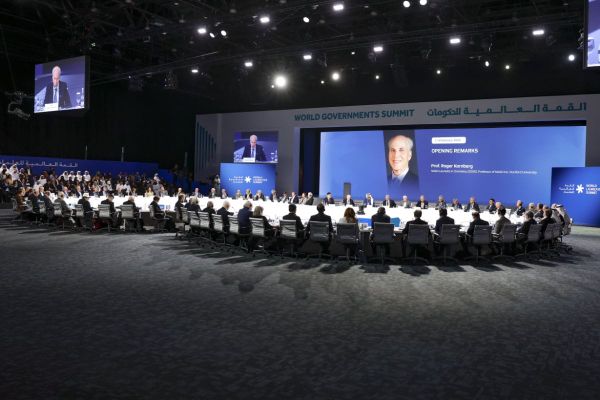
Governments in the Middle East and globally are increasingly turning to subsidy rationalisation as a key tool to boost economic resilience, according to a new report by KPMG in collaboration with the World Governments Summit.
The study highlights how strategic reforms can improve fiscal efficiency, social equity, and environmental outcomes while safeguarding vulnerable populations.
The report, Fiscal Surgery: Unlocking Global Spend Efficiency Through Bold Subsidy Rationalisation, launched at this year’s World Governments Summit, notes that global subsidies reached an estimated USD 7 trillion in 2022, over seven percent of global GDP. Energy subsidies accounted for the largest share, often straining budgets and disproportionately benefiting higher-income households.
For the UAE and wider GCC, the report points to a decade of measured pricing reforms, including fuel price alignment with international benchmarks and differentiated tariffs, supported by targeted social protection. These measures have enhanced fiscal discipline and economic efficiency without undermining social cohesion.
KPMG identifies a “triple effect” of subsidy reform, showing governments can simultaneously strengthen fiscal resilience, advance social equity, and support climate objectives through well-designed, phased reforms. By improving targeting and aligning prices with real costs, countries can encourage efficient resource use while directing support to those most exposed to price changes.
The study recommends a structured framework for reform based on phased price adjustments, targeted cash transfers, transparent communication, and strong institutional coordination. International case studies underline that reforms are most effective when they protect vulnerable populations directly rather than broadly suppressing market prices.
Dr. Raed Skaf, Head of Spending Efficiency at KPMG Middle East, said the focus has shifted from whether subsidy reform is needed to how it is designed and implemented. He emphasized that when executed strategically, subsidy rationalisation can unlock trillions for national priorities while delivering measurable, sustainable impact.
News Source: Emirates News Agency