Family businesses have long powered Dubai’s economy. They make up 90 percent of private companies in the UAE, employ more than 70 percent of the workforce, and contribute around 60 percent to national GDP.
A trillion-dollar wealth transfer is underway across the Middle East, with AED 3.67 trillion expected to change hands in the coming decade. Globally, only about 30 percent of family firms reach the second generation, and far fewer make it to the third. In Dubai, though, these companies are not waiting for fate. They are adopting fresh strategies that blend tradition with modern tools to ensure their legacies endure.
Why Transitions Demand New Thinking
As second- and third-generation leaders take the helm in trading, real estate, hospitality, and other core sectors, the risks of informal handovers have become clear. Ownership can splinter among siblings and cousins, leading to diluted control, strained relationships, and stalled growth.
What worked through family trust and verbal agreements in earlier eras struggles in today’s complex, globalized market. Dubai’s families are responding by viewing succession as a structured, multi-year strategy rather than a last-minute event. They leverage new laws, professional advice, and dedicated institutions to build resilience into the process.
Moving From Informal to Structured Succession Planning
The most noticeable change is the shift from ad-hoc arrangements to formal, documented plans. Families now draft family constitutions or charters that clearly define roles, decision rights, dividend policies, and conflict resolution mechanisms. These documents can be registered and gain legal weight under recent UAE regulations.
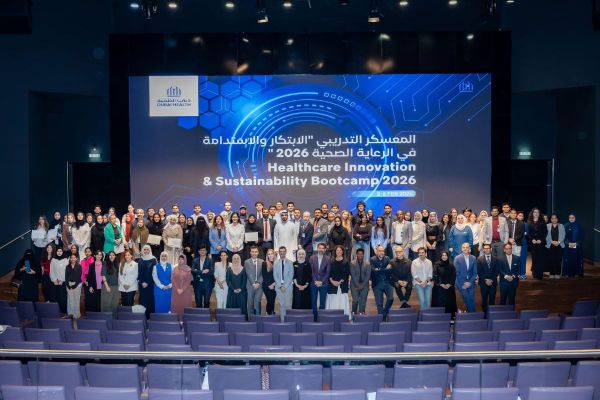
The Dubai Centre for Family Businesses, part of Dubai Chambers, plays a central role here. It hosts regular workshops and governance series sessions where dozens of family representatives discuss succession frameworks, share best practices, and receive guidance on creating robust plans. The 2022 Family Business Law further supports this by enabling tailored share classes, buyback provisions, and smoother management transitions. Families who adopt these tools reduce uncertainty and keep operations stable during leadership changes.
Strong Governance Becomes the New Family Glue
Formal governance structures act as the backbone of successful transitions. Many families establish family councils that function like advisory boards, meeting regularly to review strategy, monitor performance, and address emerging issues early. Independent directors often join main boards, injecting objective expertise in areas like finance, risk, or international markets.
This professional layer preserves family values while allowing the business to adapt quickly. External audits, clear voting rules, and defined policies on remuneration help prevent disputes. Initiatives from the Dubai Centre and DIFC reinforce these practices and provides templates and advisory support that make governance accessible even to mid-sized firms.

Next-Generation Leaders Get Real Preparation
Gone are the days when succession automatically favored the eldest child. Families now invest in developing multiple potential leaders. Programs at the Dubai Centre for Family Businesses and the DIFC Family Wealth Centre offer targeted training in leadership, governance, digital strategy, and global business trends. Young family members participate in immersive courses, often with international exposure, building skills and confidence.
Founders frequently serve as mentors during this phase, sharing institutional knowledge while encouraging fresh perspectives. This preparation aligns the next generation with the company’s long-term vision and equips them to handle diversification and innovation.
Diversifying to Stay Relevant
To thrive beyond traditional sectors, many Dubai family businesses actively diversify. They expand into technology, renewable energy, tourism, logistics, and impact-driven ventures that align with the UAE’s economic goals. Groups like Al Ghurair exemplify this by scaling legacy operations while investing in digital and sustainable initiatives.
Diversification spreads risk, opens new revenue streams, and appeals to younger family members who prioritize purpose alongside profit. Strategic investments in private markets, AI, and sustainability help these firms remain competitive in a rapidly changing landscape.
Leveraging Technology and Modern Business Practices
Digital transformation stands out as a key differentiator. Family companies adopt AI, data analytics, blockchain, and cloud systems to improve efficiency, customer experience, and decision-making. Government programs like Digital Dubai accelerate this adoption.
Hiring professional, non-family executives for key roles, such as CEOs or CTOs, brings specialized expertise. Boards now emphasize rigorous risk assessment and long-term planning. These modern practices help legacy firms compete globally without losing their core identity.

Balancing Legacy With Innovation
The challenge is to innovate while preserving what made the business successful. Families achieve this balance by embedding core values into governance documents and philanthropy efforts. Many channel resources through family foundations or impact funds, uniting generations around shared causes like education, community development, or environmental stewardship.
This approach fosters unity, teaches responsibility to younger members, and reinforces Dubai’s tradition of giving back. It ensures innovation serves the legacy rather than eroding it.
Legal Structures Protect Wealth Across Borders
Sophisticated wealth vehicles, trusts, foundations in DIFC, and family offices, safeguard assets. These structures facilitate cross-border transfers, protect against disputes, and offer tax efficiency. Waqf options provide Shari’ah-compliant paths for perpetual benefits. With over $1.2 trillion under management in UAE family offices, these tools have become standard for forward-looking families.
Government Support Creates a True Ecosystem
Dubai’s authorities actively nurture this progress. The Dubai Centre for Family Businesses delivers free advisory services, guidebooks, and networking. DIFC’s Family Wealth Centre launches leadership programs and partnerships. The Ministry of Economy and other bodies run initiatives to encourage formal planning and innovation. This ecosystem lowers barriers and accelerates best practices.
Dubai’s family businesses demonstrate that deep roots and bold adaptation can coexist. Through structured planning, strong governance, targeted development, diversification, technology adoption, and careful balance of old and new, they convert generational risk into enduring opportunity. As the trillion-dollar transition unfolds, these proactive families are setting a benchmark for sustainable success that keeps Dubai’s entrepreneurial heartbeat strong for generations to come.
Also Read:
 Umema Arsiwala
 Umema Arsiwala
 Shahba Mayyeri
 Umema Arsiwala
 Shahba Mayyeri