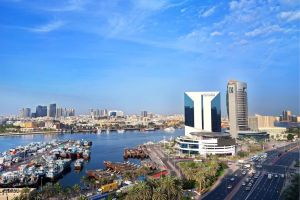
Dubai's skyline stands as a testament to rapid transformation, where once-barren deserts now host architectural marvels that draw millions. In the world of investments, few markets capture the highs and lows quite like Dubai's real estate sector. Over the past decade, it has surged through booms fueled by global appeal and innovative policies, only to face corrections that test even the savviest players. As we step into 2026, the market is evolving yet again, shifting from frenzied growth to a more measured pace where selectivity trumps speed. This evolution isn't just about property prices; it mirrors broader lessons on timing business investments in any industry.
Consider the post-pandemic rush: Dubai's real estate transactions hit record highs in 2024 and 2025, with sales surpassing AED 522 billion amid a 36% year-on-year increase. Investors flocked in, driven by low taxes, luxury lifestyles, and economic rebound. But now, as supply pipelines swell with over 210,000 units expected by 2028, prices are moderating to 4-7% growth annually. This isn't a downturn; it's maturation. Buyers scrutinize developers, infrastructure, and long-term viability more than ever, moving away from impulse buys.
What makes Dubai's story so instructive for business investors? It highlights how timing isn't about chasing peaks but aligning with cycles, policies, and fundamentals. In tech startups or stock markets, similar patterns emerge: enter too early without support, and you risk stagnation; jump in late during hype, and corrections can wipe out gains. Dubai teaches that smart timing involves reading signals like government initiatives, economic health, and market sentiment. By drawing parallels, entrepreneurs can avoid pitfalls and capitalize on opportunities. Whether you're eyeing a new venture or expanding operations, these insights from the UAE's powerhouse market can guide decisions that build lasting value. Let's dive into the key lessons.
Recognize Market Cycles to Avoid Costly Missteps
Dubai's real estate has cycled through dramatic phases, offering a blueprint for spotting investment windows in business. The market boomed post-2020, with residential prices climbing 15-16% in 2025 alone, thanks to influxes of high-net-worth individuals and remote workers. But as 2026 unfolds, growth is tempering due to increased supply and selective buying, signaling a shift to stability rather than speculation. This mirrors business cycles where expansion phases give way to consolidation.
In business, timing investments during an upswing can yield quick returns, but entering at the peak often leads to overvaluation and corrections. Think of tech bubbles where early adopters in AI or e-commerce reaped rewards by investing during recovery phases, much like Dubai's rebound after global slowdowns. The lesson? Monitor indicators like transaction volumes and supply forecasts. In Dubai, oversupply risks could prompt 10-15% price adjustments by late 2025 into 2026, urging investors to wait for balance. For entrepreneurs, this means assessing industry cycles, perhaps delaying a retail expansion until consumer confidence stabilizes post-recession. By understanding these rhythms, you position investments for sustainable growth, avoiding the trap of reactive decisions that burn capital. Ultimately, Dubai shows that cycles are predictable with data, turning potential risks into strategic advantages for long-haul success.
Monitor Economic Indicators for Optimal Entry Points

Dubai's real estate thrives on metrics like GDP growth at 3.3% in 2025 and population expansion, which underpin demand and guide investment timing. As the city aims for 2040 urban goals, these indicators forecast steady appreciation, making early 2026 ideal for buys in high-growth spots like JVC. Ignoring them leads to mistimed moves, as seen in past oversupply dips.
For business investors, these parallels are invaluable. Economic signals such as employment rates or consumer spending mirror Dubai's population-driven demand, helping time expansions. Entering a market when indicators trend upward, like post-recession recovery, maximizes ROI, much as Dubai's influx of expatriates fueled 2025's 180,900 transactions. Tools like forecasts from Fitch Ratings warn of corrections, advising patience. In practice, a startup might delay funding rounds until inflation cools, ensuring capital efficiency. Dubai teaches blending data with intuition: while numbers signal go-times, local nuances like infrastructure add layers. This approach fosters resilient strategies, where timing aligns with broader economic health for enduring profitability.
Steer Clear of Hype and Prioritize Due Diligence
Dubai's market once buzzed with FOMO-driven buys, but 2026's shift to scrutiny, focusing on quality, payment plans, and resale potential, highlights the dangers of hype. Buyers now demand logic over branding, a lesson from past speculative rushes that led to corrections.
In business, hype can inflate valuations, as in crypto booms where rushed investments crashed. Timing wisely means vetting fundamentals before committing, similar to Dubai's current emphasis on infrastructure as a pricing factor. Entrepreneurs benefit by conducting thorough research, perhaps holding off on mergers until market sentiment stabilizes. Dubai's maturation shows that selective timing yields better outcomes, reducing exposure to bubbles. By applying this, investors build portfolios grounded in reality, ensuring decisions withstand shifts and deliver consistent returns over time.
Adopt a Long-Term View for Sustainable Gains
Short-term flips dominated Dubai's early booms, but 2026 favors long-haul strategies amid stabilizing prices and strong fundamentals like end-user demand. This perspective rewards patience, with villas showing robust growth and rentals balancing for steady yields.
Business parallels abound: long-term investments in R&D or market entry pay off like Dubai's appreciation over cycles. Timing involves entering during transitions, holding through moderations for compounded value. Dubai's story encourages viewing investments as marathons, where economic resilience ensures prosperity. This mindset transforms timing from guesswork to strategic planning, fostering enduring success.
Location Fundamentals Mirror Market Fundamentals

Within Dubai, different communities perform differently across cycles. Prime locations with strong infrastructure recover faster and experience less volatility. This teaches a broader investment lesson. Quality fundamentals reduce timing risk. Strong products, defensible markets, and scalable models outperform speculative opportunities regardless of timing precision. Choosing quality allows investors to enter slightly early or slightly late without catastrophic outcomes.
Recovery Phases Offer Asymmetric Opportunities
Some of Dubai’s most attractive investment windows emerged during early recovery phases. Prices stabilized, confidence began returning, but competition remained limited. These periods offered asymmetric upside with manageable downside. For businesses, recovery phases often present similar conditions. Customer demand returns, costs remain controlled, and competitive pressure is lower. Timing investments during recovery phases can yield disproportionate returns.
Also Read:
 Shahba Mayyeri
 Ummulkiram Pardawala
 Ummulkiram Pardawala
 Umema Arsiwala
 Shahba Mayyeri