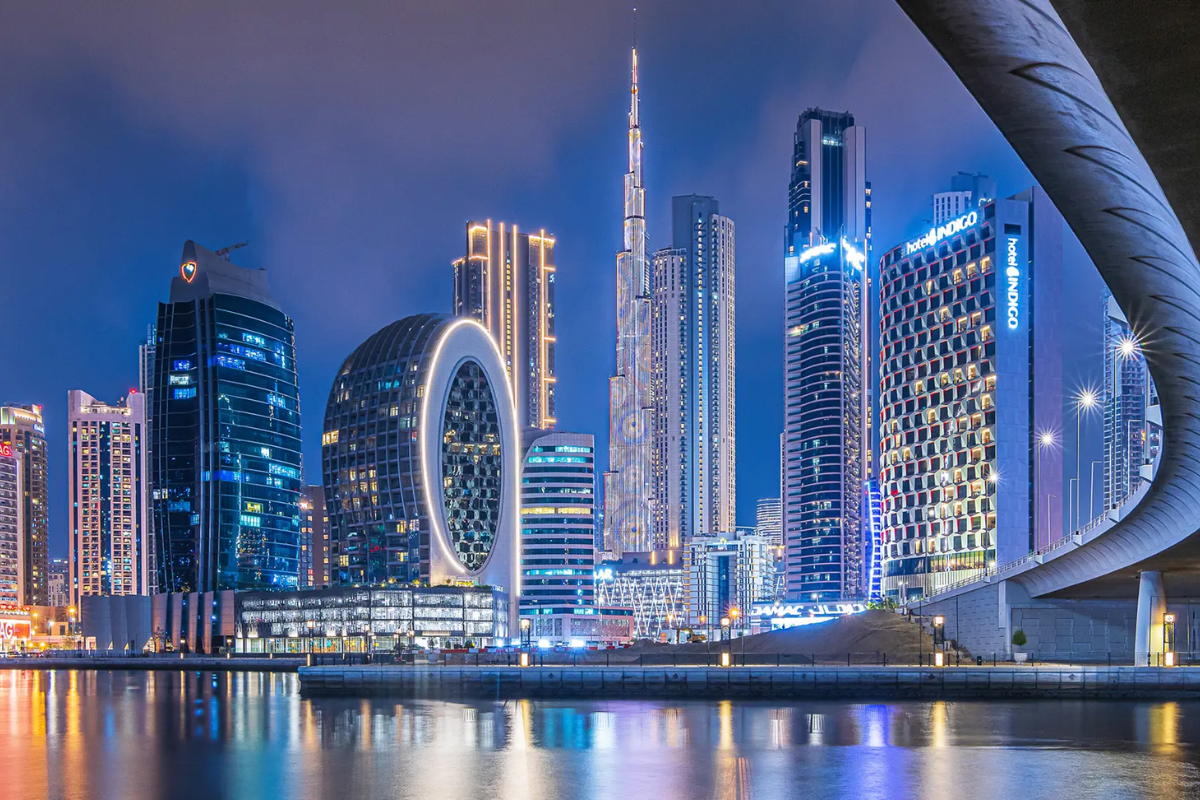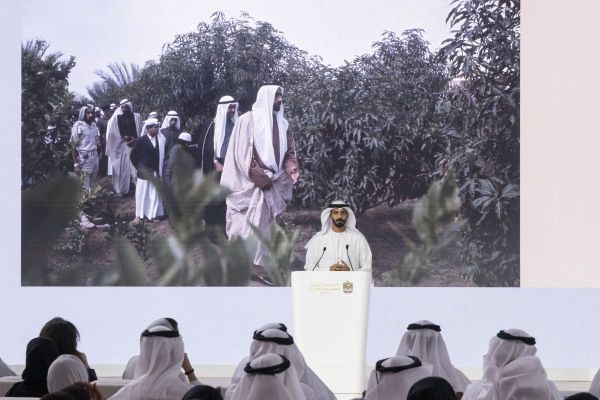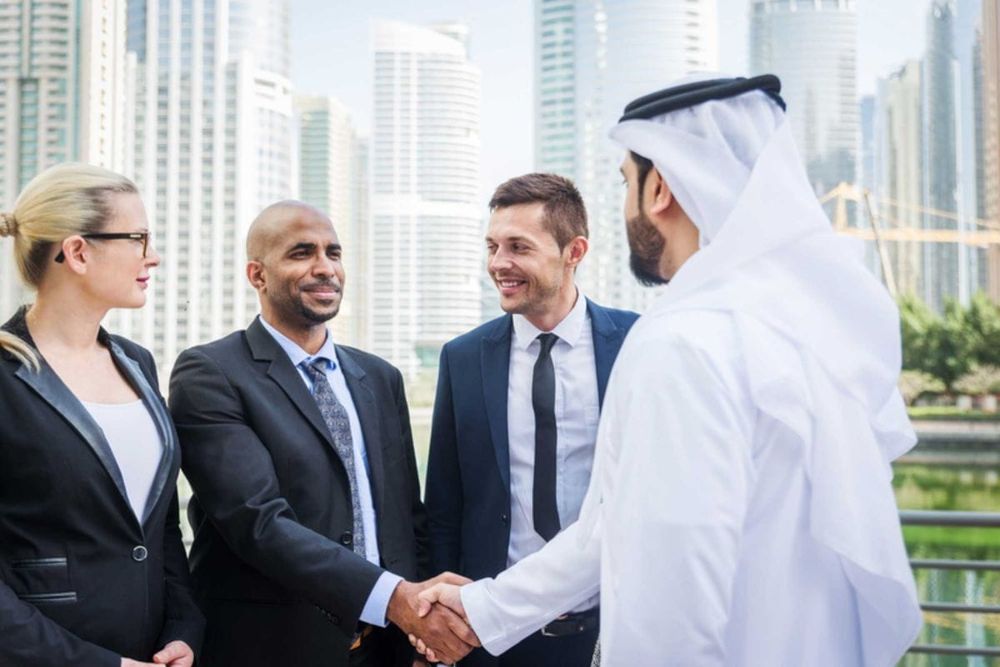
Few places on Earth embody bold ambition quite like Dubai. In just a few decades, this desert city transformed itself from a modest trading port into a global powerhouse of innovation, architecture, and entrepreneurship. From building the world’s tallest tower to launching AI-driven smart city initiatives, Dubai doesn’t just dream big; it acts big.
But what’s even more remarkable than its skyline is its mindset. At the heart of Dubai’s meteoric rise lies a fearless culture of calculated risk-taking. The city’s leaders, investors, and entrepreneurs share one defining trait: they’re not afraid to bet on the impossible. And more often than not, those bets pay off.
For global entrepreneurs navigating an unpredictable business world, there’s a lot to learn from Dubai’s playbook. It’s not just about having capital or resources but about cultivating vision, resilience, and the courage to take bold, strategic risks. This is the Dubai difference, and it’s a mindset that can change the way the world does business.
The DNA of Dubai’s Risk-Taking Mindset
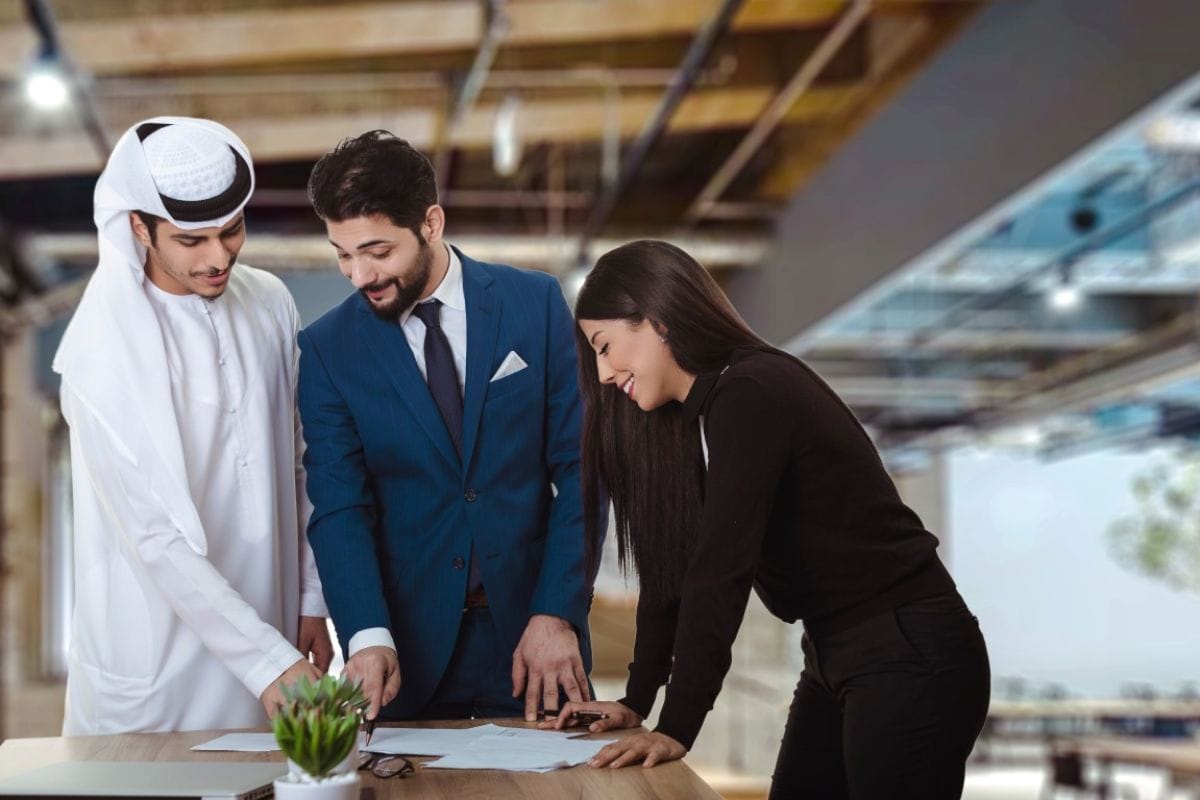
Dubai does not just tolerate risk; it courts it like an old friend. While most cities play safe with incremental growth, Dubai’s leaders treat every bold bet as a chance to rewrite the rules. They see risk not as a threat to avoid but as the only reliable path to relevance in a world that forgets the ordinary overnight.
Look at the track record. Building an artificial island in the shape of a palm tree sounded mad when the idea first surfaced. The Palm Jumeirah could have bankrupt the emirate if the property market had dipped even slightly. Instead it became the postcard that put Dubai on every traveller’s wish list. The Burj Khalifa followed the same logic: why build another tall tower when you can construct the tallest structure humanity has ever seen? One storm, one delay, one funding glitch and the project would have collapsed under its own ambition. Yet today it stands as the ultimate symbol that Dubai refuses to think small.
The Expo 2020 gamble came next. Spending billions during a global recession, right before a pandemic hit, looked reckless from the outside. Dubai turned the event into the best-attended Expo in history and kept the infrastructure as a permanent innovation district. Even now, the city keeps doubling down with plans for vertical farms, flying-taxi ports and entire districts run on blockchain. Each project carries the same message: playing safe guarantees mediocrity.
This top-down appetite for risk cascades straight into the business ecosystem. Government funds do not chase proven models; they back ideas that sound impossible on paper. Free zones slash red tape and offer 100 per cent ownership precisely because leaders know that entrepreneurs need oxygen to attempt the outrageous. Startup incubators receive cheques first and ask for spreadsheets later. When a founder pitches a business that could fail spectacularly, the usual response is “how much do you need to make it work?” rather than “where is your five-year profit projection?”
The result is a culture where failure is treated as data, not disgrace. A collapsed venture simply means the next idea starts with better intelligence. Entrepreneurs feel the difference the moment they land: the city expects them to swing for the fences, and it has built the safety nets wide enough to catch them if they miss. That single mindset shift turns good businesspeople into global game-changers. Dubai proves that when risk is baked into the system, extraordinary outcomes stop being surprises and start becoming the standard.
Calculated Risks: The Art of Vision Backed by Strategy

Dubai never leaps blindfolded. For every headline-grabbing stunt, there are rooms full of analysts who have stress-tested the idea until it squeaks. The city’s leaders love the spotlight, but they love survival more. Boldness without homework is just noise, and Dubai refuses to make noise.
Take Emirates Airline. In the early 2000s most carriers clung to regional hops or fed passengers into European and American hubs. Emirates looked at the map, saw a gap between East and West, and decided to connect Sydney to Manchester with a single stop in Dubai. Critics called it insane: tiny population, no domestic market, oil money that could vanish overnight. Yet the team had crunched decades of traffic forecasts, locked in aircraft orders at the perfect moment, and negotiated sixth-freedom rights that turned Dubai into the world’s busiest international airport. The vision was audacious; the execution was surgical.
The same pattern repeats everywhere. Before a single shovel touched the sand for the Palm, engineers modelled wave patterns, salinity shifts, and coral relocation for years. The Expo budget included a full pandemic contingency long before anyone had heard of Covid. Even the flashiest projects sit on spreadsheets that would make a Swiss banker blush.
What global entrepreneurs can steal from this is simple: dream in 8K, plan in Excel. Ambition gets you in the room; rigorous preparation keeps you alive long enough to matter. Run the numbers until they scare you, then run them again. Time the market entry like a sniper. Build buffers big enough to survive two black-swan events, because one is guaranteed.
Dubai teaches that real courage is not betting the house on a hunch. Real courage is betting the house after you have already mapped every crack in the foundation and lined up three different ways to rebuild if it falls. That is how a desert trading post turned itself into the city that tomorrow calls home.
Creating an Ecosystem That Encourages Boldness

Dubai hands entrepreneurs the keys to the kingdom and says go build something wild. The government does not just cheer from the sidelines; it clears the runway, fuels the engines, and pays for the extra runway if needed. Free zones stand out as the secret sauce: zero taxes on profits or personal income, full foreign ownership without a local partner, and customs duties that vanish into thin air. Set up in a tech zone, and you ship code or gadgets worldwide without the usual paperwork nightmare.
Regulations follow the same playbook. Visas come fast for founders who can fog a mirror and a business plan. Golden visas lock in long-term stays for anyone scaling a venture that creates jobs or sparks growth. Startup funds pour money into moonshots, from AI labs to sustainable energy plays, with terms that favour speed over scrutiny. The message rings clear: experiment here, and the city has your back.
Barriers to innovation? They bulldoze them daily. Need to test drone deliveries? Permits arrive in days, not years. Want to launch a fintech app? Live regulatory sandboxes let you tweak and iterate under real-world eyes without the full compliance hammer. Even failure gets a soft landing: bounced cheques or stalled pilots rarely kill your next shot, because the system values persistence over perfection.
Global entrepreneurs take note: bold risks do not flourish in hostile soil. They need fertile ground where capital flows freely, rules bend for progress, and the crowd roots for the underdog. Dubai built that ecosystem from scratch, turning a patch of desert into a magnet for the world’s dreamers. Copy the blueprint, and your own city could breed the next unicorn factory.
The Global Entrepreneur’s Playbook: Lessons to Take Home
Here are four non-negotiable moves Dubai gifts every founder who pays attention. Steal them, live them, and watch your own empire start thinking like a seven-star city.
- Dream audaciously, but plan obsessively: Write the crazy vision on the biggest whiteboard you own, then spend twice as long stress-testing it. Dubai never built a single icon without models, contingencies, and backup contingencies. Your job is to make the impossible feel inevitable long before the first cheque clears.
- Build ecosystems, not just businesses: One company can change a street; a proper ecosystem changes a continent. Lobby for faster visas, zero-tax zones, and regulatory sandboxes in your own backyard. Partner with universities, funds, and even competitors. The lone wolf dies; the pack that hunts together owns the future.
- Foster a culture that celebrates risk and reinvention: Make “what did we learn?” the only question after every flop. Publicly reward the team that killed their own product to pivot faster. In Dubai, a failed startup is a badge, not a scar. Copy that energy and watch your people swing for fences instead of covering their backsides.
- Always keep an eye on the next horizon: The moment you finish one landmark, sketch the next two. Dubai celebrated the Burj Khalifa opening and immediately green-lit the next world-first. Resting on laurels is how cities (and companies) slide into obscurity. Build a calendar that forces you to launch something unproven every 18 months, minimum.
Pack these four habits in your carry-on. Wherever you land next, they turn ordinary soil into the kind of sand where palm-shaped islands grow.
Why Dubai Refuses to Be Yesterday’s News
Dubai could have stayed a sleepy pearl-diving port and nobody would have blamed it. Instead it chose the harder path: keep betting everything on tomorrow, every single day. The result is a city that went from sand dunes to global headline in one generation, dragging thousands of entrepreneurs along for the ride.
That is the final takeaway for anyone building something that matters. The world does not reward the cautious forever. Markets shift, technologies leap, and attention spans shrink to heartbeat length. In that reality, the only sustainable edge is a stubborn refusal to play small.
So borrow Dubai’s cheat code without apology. Chase the idea that makes your accountant sweat. Demand the ecosystem that lets crazy breathe. Treat every setback as tuition, not a verdict. And never, ever stop scanning the horizon for the next impossible thing.
Because when history writes the story of this century, it will not linger on the cities that played safe. It will linger on the ones that risked everything to prove the future could arrive early. Dubai already booked its chapter. The pen is in your hand now. Go write yours.
Also Read:
 Umema Arsiwala
 Shahba Mayyeri
 Ummulkiram Pardawala
 Shahba Mayyeri
 Umema Arsiwala