Organizations today operate in environments where projects evolve quickly, and expertise must be applied precisely where it is needed. Teams often assemble around specific goals and then reorganize as those goals shift. This practice is commonly known as dynamic teaming.
Dynamic teaming refers to a work structure where individuals move between teams according to project needs, skill requirements, and organizational priorities. Teams form, adjust, and reform as work progresses. Leadership, collaboration, and knowledge sharing operate through clear processes that allow coordination without rigid assignment of roles.
This article explores the mechanics of dynamic teaming and explains why many organizations adopt this structure. It draws on principles associated with Team Topologies and fluid leadership practices. Each section explains how the model functions and how organizations apply it in practice.
Defining Dynamic Teaming
Dynamic teaming describes a work model in which team composition changes according to the demands of a project or task. Membership is fluid. Individuals contribute their expertise to different initiatives as organizational needs evolve.
Traditional team assignments often involve long-term placement within a single department or group. Dynamic teaming approaches work through a different lens. The focus rests on aligning expertise with the most relevant tasks at a given moment.
A dynamic team structure typically involves several characteristics:
• Work organized around projects or initiatives
• Individuals participating in multiple teams over time
• Clear documentation of expertise across the organization
• Leadership roles that adjust depending on the task
• Continuous communication across team boundaries
Fluid membership allows organizations to distribute talent where it has the greatest impact. A software engineer may contribute to one development effort during one phase of a project and join a different initiative when new requirements appear. A product designer might collaborate with several teams over the course of a single quarter.
This structure supports collaboration across specialties. Individuals work with a wider range of colleagues, which encourages a broader understanding of organizational priorities.
Team Topologies principles often support this model. Team Topologies describes patterns for organizing teams around streams of work, enabling collaboration between platform teams, enabling teams, and product-oriented teams. Dynamic teaming works effectively within these structures because individuals can participate in different areas when their expertise becomes relevant.
Fluid leadership also plays an important role. Leadership responsibilities move toward individuals who possess the most relevant expertise during a particular phase of work. Authority becomes tied to knowledge and coordination rather than position alone.
A dynamic team structure requires clear communication and visibility of skills across the organization. Teams must understand who possesses which capabilities so that participation can shift efficiently.
The Logic of Fluidity
Fluid membership operates through a deliberate process of matching expertise to tasks. Organizations maintain visibility into available skills so that work can align with the right capabilities.
The process often follows several key steps:
• Identification of project needs
• Mapping required skills to those needs
• Locating individuals with relevant expertise
• Assigning individuals to the initiative for a defined period
• Adjusting membership as project phases evolve
Skill mapping plays a central role in this process. Many organizations maintain digital skill registries that catalog employee expertise, certifications, and experience. These registries allow project leaders to identify the appropriate contributors quickly.
A project may require expertise in areas such as software architecture, user experience design, compliance review, or data analysis. Each phase of the work might emphasize different skills. As tasks shift, team composition evolves accordingly.
Resource allocation tools often support this coordination. Project management systems track workload, availability, and skill requirements. Leaders can visualize how talent flows across initiatives.
Fluidity also requires transparency regarding work priorities. Employees must understand organizational goals so that movement between teams occurs with minimal disruption.
A structured onboarding process also supports dynamic teaming. When individuals join a project, they receive clear documentation about goals, timelines, and communication channels. This preparation allows contributors to begin work quickly without extended orientation.
Coordination meetings often occur at the beginning of each project phase. These meetings clarify roles, deliverables, and expectations. Teams maintain alignment even as membership shifts.
The result is a system where expertise connects directly with the work that requires it. Organizations gain a clearer view of how skills contribute to outcomes across projects.
The Importance of Knowledge Cross-Pollination
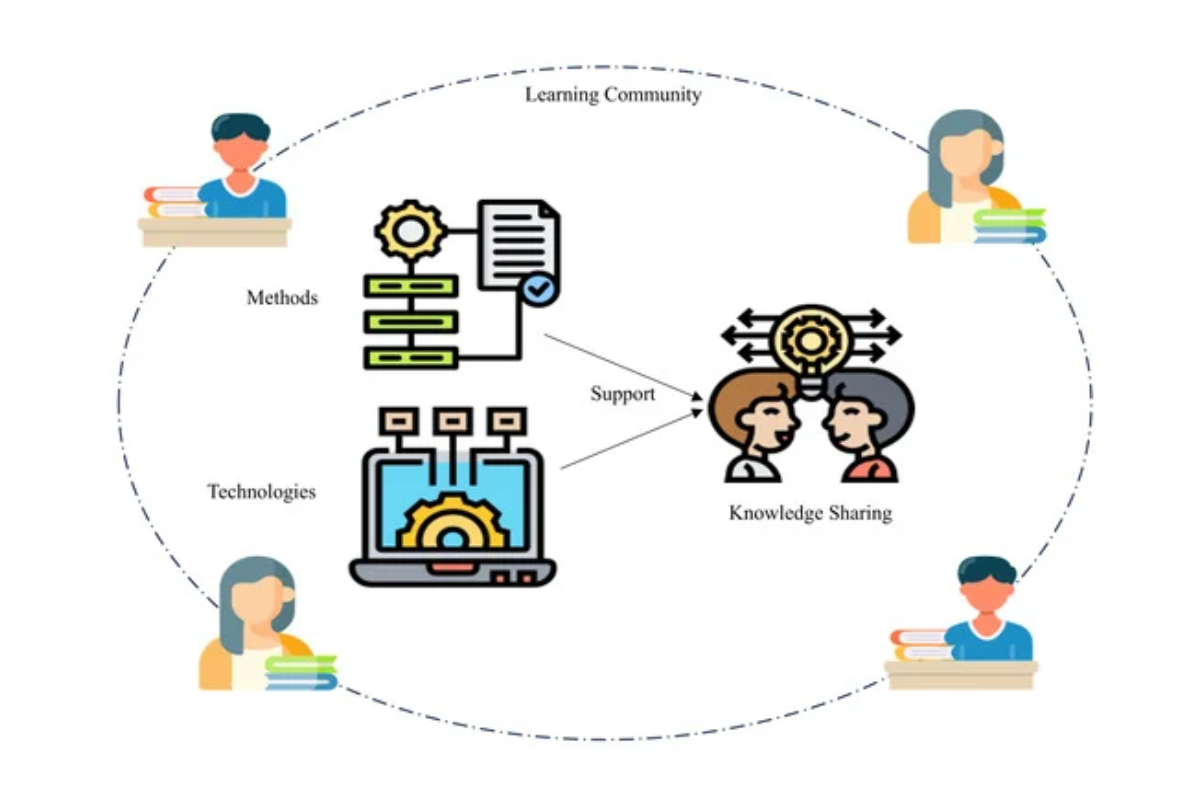
Dynamic teaming encourages knowledge circulation across an organization. Individuals bring insights from previous collaborations into each new project they join.
Knowledge transfer occurs through daily collaboration, shared documentation, and collective problem-solving. Each new team environment exposes individuals to different processes and perspectives.
This movement reduces the risk of information silos. Knowledge silos appear when expertise remains confined within a single group. Dynamic teaming distributes knowledge more widely because employees participate in multiple initiatives over time.
Several mechanisms help facilitate knowledge exchange:
• Shared project documentation accessible across teams
• Internal knowledge repositories
• Cross-team learning sessions
• Collaborative project reviews
• Mentorship relationships formed during projects
Team members often introduce new approaches that they have learned in other initiatives. A data analyst may bring improved reporting methods into a marketing project. A software developer might apply testing frameworks discovered during a previous engineering effort.
Knowledge mobility also improves organizational resilience. When expertise spreads across multiple individuals, projects remain stable even if a specific contributor becomes unavailable.
Institutional knowledge grows through repeated collaboration. Each project adds new insights that individuals carry into future teams.
Many organizations encourage knowledge reflection sessions at the end of projects. Participants review lessons learned and record insights in shared documentation systems. This process ensures that information becomes part of the broader organizational memory.
Dynamic teaming, therefore, supports an environment where learning becomes a continuous process rather than an isolated event.
Impact on Employee Growth
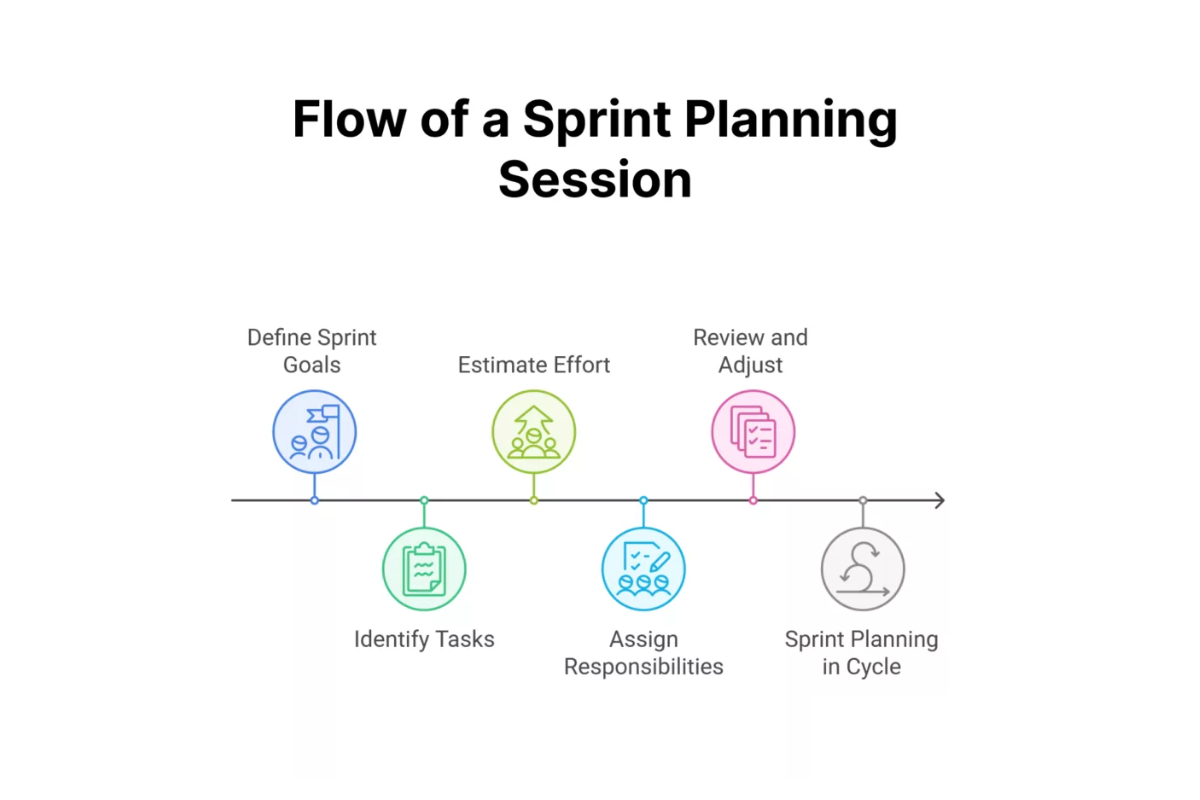
Dynamic teaming creates opportunities for employees to expand their professional capabilities. Participation in different projects exposes individuals to new challenges and perspectives.
Skill development occurs through direct experience with diverse tasks. Employees learn how various disciplines contribute to complex initiatives. This exposure builds a broader understanding of organizational operations.
Employees also develop adaptability. Frequent movement between teams requires individuals to understand new objectives quickly. They learn how to collaborate with colleagues who possess different expertise and working styles.
Professional growth often appears in several forms:
• Expanded technical capabilities
• Improved communication skills
• Increased confidence in new environments
• Greater understanding of cross-functional collaboration
• Stronger problem-solving abilities
Learning becomes integrated into daily work rather than confined to training sessions. Each project offers opportunities to observe new techniques and practices.
Employees also gain visibility across the organization. Participation in multiple initiatives introduces individuals to leaders and colleagues from various departments. This exposure strengthens professional networks.
Career development benefits from this broader perspective. Individuals can identify areas of interest and refine their professional direction through real project experience.
Dynamic teaming also supports mentorship opportunities. Experienced professionals often guide newer contributors during collaborative work. These interactions transfer practical knowledge that formal training may not provide.
A workplace that encourages movement between teams often fosters curiosity and continuous learning. Employees engage with new problems and develop skills that support long-term career growth.
Organizational Agility
Dynamic teaming supports organizational agility by aligning expertise with emerging priorities. When new projects arise or strategic goals shift, organizations can assemble the appropriate teams quickly.
Agility depends on the visibility of talent and clear coordination structures. Leaders can identify individuals who possess the required knowledge and invite them into new initiatives.
This capability allows organizations to address changing conditions without lengthy restructuring. Teams form around current objectives and dissolve when work reaches completion.
Several elements contribute to organizational agility:
• Transparent skill mapping across the workforce
• Flexible resource allocation processes
• Communication systems that connect teams efficiently
• Clear project documentation accessible across departments
Project timelines often involve several phases. Early phases may focus on research and planning. Later phases may involve development, testing, or deployment. Each stage requires specific expertise.
Dynamic teaming allows organizations to adjust participation as those phases progress. Contributors join during stages where their skills provide the greatest value.
Agility also depends on coordination between leadership roles. Fluid leadership practices encourage decision-making by individuals who possess the relevant knowledge for the current task. This approach keeps projects moving efficiently.
Organizations that support dynamic teaming often invest in collaboration platforms. These systems allow teams to track progress, share information, and coordinate across multiple initiatives.
Digital tools help visualize how projects connect across departments. Leaders can identify where expertise is required and assign contributors accordingly.
This structure allows organizations to maintain momentum across many simultaneous initiatives.
The Psychology of High Performance Coordination
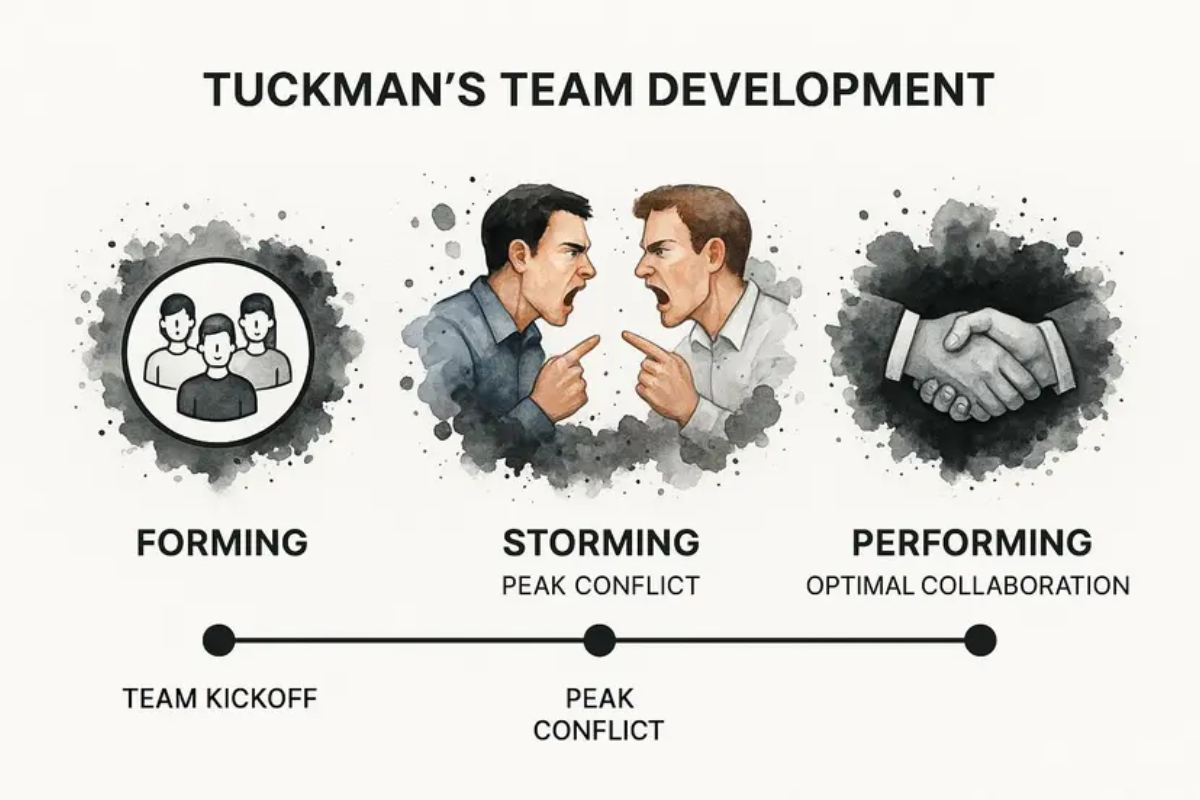
Dynamic teaming involves frequent re-teaming. Teams assemble quickly and begin collaboration without extended adjustment periods. Effective coordination requires clear protocols and shared expectations.
Psychological safety plays a significant role in this environment. Team members must feel comfortable contributing ideas and raising concerns early in the project.
Trust develops through several mechanisms:
• Transparent goals for each project
• Clear definition of roles and responsibilities
• Open communication channels
• Respectful collaboration practices
When individuals join a new team, leaders often begin with alignment sessions. These sessions clarify project objectives, timelines, and decision-making processes.
Shared goals provide a common direction for all contributors. A team that understands its purpose can coordinate actions more efficiently.
Communication protocols also support high-performance coordination. Teams may establish regular check-ins, project dashboards, and documentation practices. These tools ensure that information flows smoothly between members.
Mutual respect remains essential when teams form quickly. Individuals bring diverse expertise and experiences. Effective collaboration emerges when members recognize the value of each contributor.
Leadership behavior influences this atmosphere significantly. Leaders set expectations for collaboration, encourage participation, and maintain focus on shared objectives.
Over time, organizations develop routines that make re-teaming easier. Standard onboarding procedures, communication templates, and knowledge repositories allow contributors to integrate into projects quickly.
This coordination structure supports sustained performance even as team membership evolves.
Implementation Steps
Organizations interested in dynamic teaming often follow a structured implementation process. Transition requires thoughtful preparation and communication.
Step One: Map Organizational Skills
Begin by identifying the expertise present across the workforce. Skill mapping creates a foundation for allocating talent effectively.
Many organizations create digital directories that list:
• Technical expertise
• Certifications
• Project experience
• Areas of professional interest
This information helps leaders understand how talent can contribute to future initiatives.
Step Two: Establish a Clear Communication Infrastructure
Communication systems must support collaboration across multiple teams. Organizations often adopt digital platforms that enable real-time messaging, project tracking, and document sharing.
Examples include:
• Collaboration platforms for team communication
• Project management tools for tracking tasks
• Knowledge management systems for documentation
These systems ensure that contributors remain connected regardless of team changes.
Step Three: Create Standard Project Onboarding
Dynamic teams benefit from clear onboarding practices. A short orientation session introduces new contributors to project goals, key contacts, and communication channels.
Documentation should include:
• Project objectives
• Roles and responsibilities
• Key milestones
• Communication expectations
This information helps new team members integrate quickly.
Step Four: Track Skills Digitally
Organizations often maintain software tools that track expertise and project assignments. These tools allow leaders to view where individuals contribute across initiatives.
Skill tracking platforms help identify available expertise and support planning for future projects.
Step Five: Encourage Knowledge Sharing
Knowledge repositories allow teams to store documentation, lessons learned, and process improvements. Shared access ensures that insights remain available across the organization.
Regular knowledge sessions also encourage employees to discuss new discoveries and practices.
Step Six: Train Leaders in Fluid Coordination
Leadership development plays a critical role in dynamic teaming. Leaders learn how to coordinate contributors across changing team structures.
Training may focus on:
• facilitating cross-team collaboration
• managing short project cycles
• encouraging knowledge sharing
Organizations that invest in leadership capability often experience smoother implementation of dynamic teaming.
Scalability
Dynamic teaming functions across organizations of many sizes. The structure adapts to the scale and complexity of the workforce.
Small Startups
Startups often adopt dynamic teaming naturally due to limited staff and rapidly evolving projects. Team members contribute to several initiatives and collaborate closely across disciplines.
Key characteristics include:
• flexible role definitions
• frequent communication among team members
• rapid assembly of project groups
Skill visibility often occurs through direct communication rather than formal systems.
Large Enterprises
Enterprises require more structured coordination due to the scale of operations. Digital platforms support skill mapping, project assignment, and communication.
Enterprises often create dedicated teams responsible for enabling collaboration across departments. These teams maintain knowledge repositories and coordinate cross-functional initiatives.
Leadership frameworks guide how teams form and adjust across multiple business units.
Clear governance structures ensure that projects remain aligned with organizational priorities.
Dynamic teaming allows large organizations to maintain coordination across complex operations while ensuring that expertise flows where it is required.
Dynamic teaming aligns expertise with evolving work needs by allowing individuals to contribute across different projects as priorities shift. This structure encourages knowledge sharing, supports employee growth, and strengthens collaboration across the organization. With clear communication systems and visibility of skills, teams can coordinate effectively and respond to new opportunities with confidence.
Also read:
 Shahba Mayyeri
 Umema Arsiwala
 Shahba Mayyeri