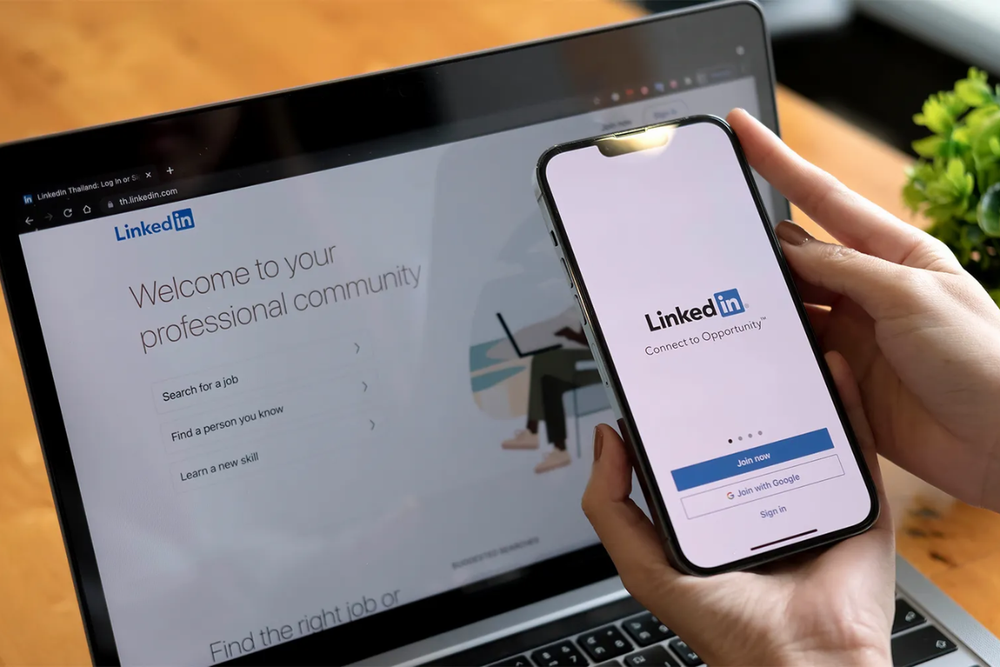
For a long time, LinkedIn was seen as little more than a digital CV holder—a place to upload your resume, connect with recruiters, and quietly wait for opportunities. That was its reputation, and for many professionals, it was the sole reason to log in.
Fast forward to today, and the story looks very different. LinkedIn has transformed into a platform where business conversations unfold daily, where knowledge is shared freely, and where professionals learn from one another in real time. It’s no longer about who is hiring—it’s about who is leading the conversation.
The numbers alone speak volumes. Globally, LinkedIn now counts over 1.2 billion members, a figure that has grown sharply from the one-billion milestone reached just a couple of years ago. This rapid rise highlights how professionals are turning to the platform for far more than job searches.
In the UAE, the growth is even more striking. LinkedIn’s membership has reached around 9.4 million people, giving it one of the highest penetration rates in the world. Think about that for a moment—most of the country’s working-age population can be found here, engaging with business content every day.
So, what does this shift mean for businesses? If LinkedIn is no longer just a place for recruiters and job seekers, how can companies use it to their advantage? In this article, we’ll explore how LinkedIn’s evolution creates new opportunities to build brand presence, connect with customers, and attract top talent.
Why the Shift Happened
Over time, professionals began looking for more than job listings. They wanted a place to learn, share insights, and feel part of a professional community. That shift in expectation set the stage for LinkedIn to evolve.
So how did LinkedIn respond?
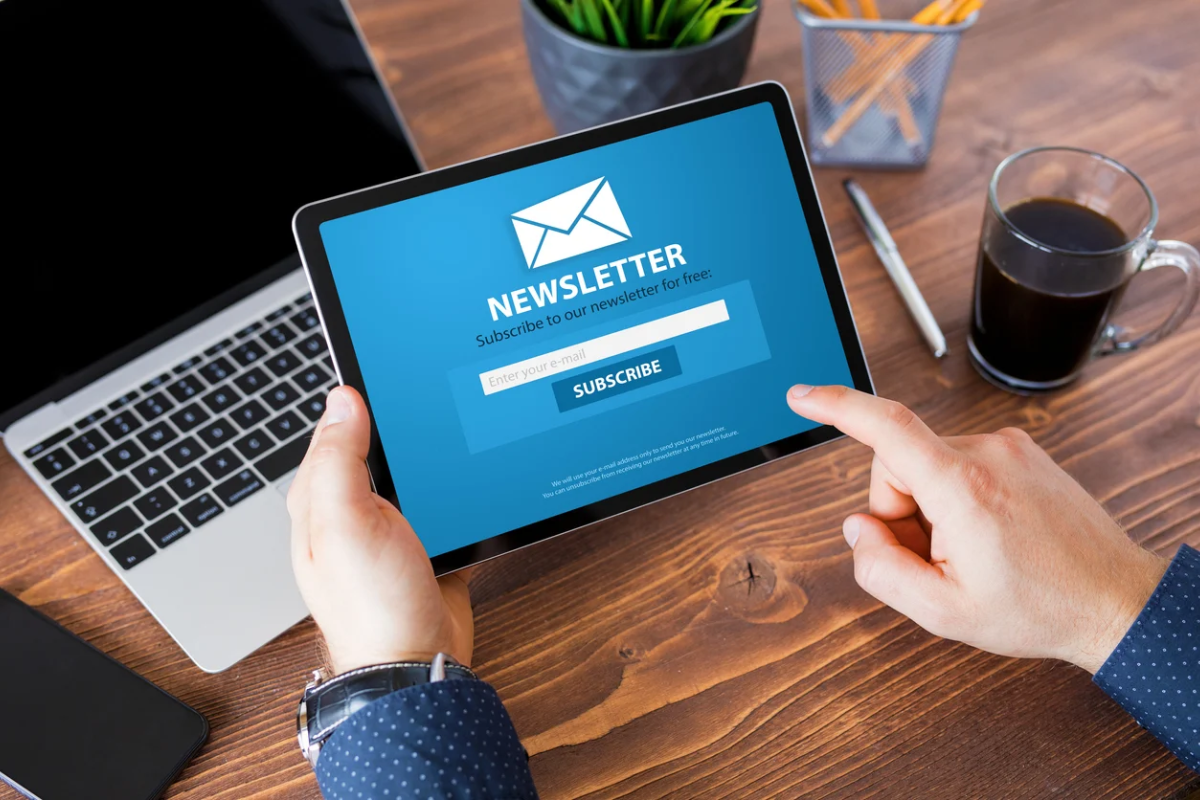
The platform expanded beyond being a simple job board. Newsletters gave professionals the ability to publish thoughtful content directly to subscribers’ inboxes. Video content brought ideas to life in a more engaging way, and the rise of thought-leadership tools encouraged individuals to build personal brands around their expertise.
At the same time, LinkedIn’s algorithm changed. Instead of prioritizing resumes or basic updates, it began rewarding content that sparked meaningful conversations. Have you noticed how a well-written post or an insightful comment seems to reach far more people than before? That’s because the platform is actively amplifying expertise and genuine discussions.
This combination has turned LinkedIn into a powerful ecosystem of ideas, learning, and professional growth. It’s where leaders, entrepreneurs, and creators now gather to influence, educate, and connect.
What This Means for Businesses
LinkedIn’s evolution has changed the way companies can position themselves, reach customers, and attract talent. It’s no longer about being present; it’s about being visible in the right way.
- Visibility
The platform rewards expertise. Businesses that share knowledge-rich posts and genuine insights can build authority and credibility without relying solely on paid ads. A consistent flow of useful content helps position a company as a leader in its field.
- Leads
LinkedIn is also proving highly effective for customer acquisition. Features like Lead Gen Forms simplify the process by capturing details directly within the platform. With higher conversion rates than typical landing pages, this tool has become a cost-efficient way for businesses to generate qualified leads.
- Branding
Company pages are now more than static profiles—they act as hubs where followers can engage with updates, product information, and stories. When this is combined with executives and employees actively sharing content, the reach multiplies, and the brand comes across as both professional and human.
- Talent
Hiring remains one of LinkedIn’s strengths, but it’s now supported by AI-powered tools that save time for recruiters and make it easier to connect with the right candidates. Instead of sifting through endless applications, companies can focus on quality matches that align with their culture and goals.
Taken together, these shifts show that LinkedIn is no longer a narrow channel for recruitment—it’s a versatile business platform that supports growth, brand-building, and talent acquisition all at once.
How to Use LinkedIn Effectively
So how can businesses actually make the most of LinkedIn today? It’s not about posting endlessly or pushing out ads without a strategy—it’s about showing up in a way that feels useful and consistent.
Post knowledge-rich content consistently
LinkedIn rewards depth more than frequency. Posting valuable content—even as little as once a week—can double your engagement compared to less consistent efforts. Many brands see strong results with just 1–3 posts per week. It’s consistency and substance that drive visibility, not over-posting.
Mix up your formats
Want your audience to pause the scroll? Carousel-style posts and documents consistently drive the most engagement for company pages, closely followed by videos. Short native videos—90 seconds or less—also perform well thanks to LinkedIn’s renewed focus on video formats. A mix keeps your audience engaged and your posts favored by the algorithm.
Use ads strategically to boost key messages
Organic content builds trust. Paid tools like Thought Leader Ads, Lead Gen Forms, and event-specific promotions amplify that trust with reach and precision. Lead Gen Forms alone tend to convert at around 10–15%, and using them can reduce your cost per lead by up to 25–35% compared to external landing pages.
Treat your company page as a versatile hub
Your page should go beyond static information. Keep it updated with thought leadership content, product details, and employee stories. A polished “About” section and compelling visuals instantly build credibility.
Give voice to leadership and employees
When your team shares content in their own words, the reach and impact multiply. Authentic insights resonate more than polished corporate messages—your people can become your brand’s greatest amplifiers.
Host or promote events to foster connection
Events are powerful engagement magnets. Hosting a webinar or virtual gathering helps you engage directly with your audience while sparking conversations that boost visibility and strengthen relationships.
This streamlined, confident rhythm clarifies how businesses can earn traction on LinkedIn—without complexity or overwhelm.
Practical Steps to Get Started
First 30 Days – Laying the Foundation
Start by getting the basics right. Make sure your company page is updated with a clear description, services, and visuals that reflect your brand. Audit executive and employee profiles—do they showcase expertise, or are they just bare résumés? Begin posting two to three times a week, focusing on simple, knowledge-sharing content. The goal here is visibility, not perfection.
Days 31–60 – Building Momentum
Now it’s time to add structure. Launch a bi-weekly newsletter that shares practical insights about your industry. Test one or two video formats—a short tip, a behind-the-scenes moment, or a quick customer story. If the budget allows, try a small Lead Gen Form campaign to see how the platform performs for qualified leads. Encourage employees to share your content; you’ll quickly notice how far it travels when it comes from real voices.
Days 61–90 – Expanding Reach
Once you have consistency, expand your presence. Host a LinkedIn Event—maybe a short webinar or an expert Q&A—and promote it with posts leading up to the date. Explore Product Pages if you have specific services or offerings. This is also the time to test Thought Leader Ads, especially if an executive has published a post that’s performed well. By the end of this stage, you’ll have a clear rhythm: organic content, ads that complement it, and community-building touchpoints that keep people engaged.
The beauty of this plan is that it doesn’t require massive budgets or large teams. It simply builds step by step, making sure every effort compounds into stronger visibility, better leads, and a brand that feels alive on LinkedIn.
LinkedIn has outgrown its old role as a platform for job seekers and recruiters, emerging instead as a powerful engine for visibility, growth, and connection. In the UAE, where the majority of professionals are active on the platform, businesses have a unique chance to build authority, attract talent, and reach decision-makers directly. Those who adapt to this new reality will secure a stronger presence in the conversations shaping their industries, while those who don’t risk being left behind.
Also read:
 Ummulkiram Pardawala
 Umema Arsiwala
 Umema Arsiwala
 Umema Arsiwala