
Sustainable growth for a fashion business in Dubai is growth that stays reliable while the business remains consistent in five areas: brand trust, cash flow, compliance, operations, and customer experience.
Brand trust means people feel confident that the product will match what they saw, that sizing and fabric are explained clearly, and that after-sales support feels fair. Cash flow means the business can pay suppliers, payroll, rent, and marketing on time without stress cycles. Compliance means marketing, promotions, influencer activity, and product claims stay aligned with UAE rules, which matters more in 2026 as online advertising requirements become stricter.
Operations means the business can fulfil orders, handle exchanges, and keep inventory accurate without daily firefighting. Customer experience means the buyer receives a consistent service in store, online, and on WhatsApp, including delivery, packaging, returns, and follow-up.
This definition works for a multi-brand boutique in a mall, a modest wear label selling through Instagram and WhatsApp, an athleisure brand focused on ecommerce, and a designer-led studio that relies on trunk shows. The details change across models, but the principle stays the same. Growth becomes sustainable when the business learns how to keep promises at scale.
Dubai’s Fashion Market Runs on Mixed Demand, Mixed Channels, and a Travel Calendar
Dubai fashion demand usually comes from multiple customer groups at the same time. Residents buy for everyday wardrobes, work, fitness, and occasions. New arrivals buy early in their relocation journey. Tourists buy because Dubai is positioned as a shopping destination, and they usually shop in a short window with clear intent. Business travellers buy around conferences and events, especially when travel schedules allow time in malls.
Tourism matters because it changes footfall patterns and peak periods across retail zones. Dubai’s Department of Economy and Tourism reported 9.88 million overnight visitors in the first half of 2025, which signals the scale of travel-driven demand that brands and retailers operate around. Dubai Media Office also highlighted the record 18.72 million international overnight visitors in 2024, with a continued upward trajectory in 2025, which supports the idea that travel demand remains a major planning input for retail.
Channels also stay mixed in Dubai. Many brands depend on mall retail for discovery and impulse buys, and depend on e-commerce for repeat purchases and wider reach. Social commerce stays strong in categories where fit, styling, and urgency work well, including modest wear, occasionwear, streetwear drops, and accessories. Marketplaces also play a role for brands that want volume, predictable logistics options, and visibility across a wider base of shoppers.
Seasonality is a practical issue, not an academic one. Many fashion businesses plan around winter footfall, major sale periods, Ramadan and Eid, back-to-school, and tourism peaks. A sustainable growth plan matches inventory and marketing to this reality, while keeping a baseline demand engine running in quieter weeks.
Demand Generation Stays Sustainable When You Build Systems that Keep Working After the Post Ends
In Dubai, demand can spike fast because customer attention moves quickly. Sustainable growth relies on repeatable systems that keep creating demand even when a single campaign ends.
A Content System that Reduces Hesitation
Fashion customers often hesitate for simple reasons: sizing, fabric feel, transparency, care needs, and styling clarity. A useful content system answers these questions before they become objections. This is practical content, not high production hype.
- Fit clarity: size guide videos, model measurements, sizing notes by body type, common adjustments.
- Fabric clarity: close-ups, stretch tests, opacity notes, heat comfort notes, care instructions.
- Styling clarity: three outfits per item, day to night transitions, office-appropriate guidance, Ramadan and Eid styling guidance when relevant.
- Stock clarity: honest restock timelines, waitlist options, and preorder instructions.
When content reduces uncertainty, returns usually become easier to control, and customer service load becomes easier to manage.
A Community System that Creates Familiarity
Dubai buyers often prefer brands that feel human and responsive. Community building can be simple.
- In-store styling sessions on low footfall days.
- Founder or stylist live sessions with practical topics.
- Customer spotlight stories that focus on outfits and moments, with permission.
- Micro events with local partners, including cafes, gyms, and creative studios.
Community is a long game. It creates a base that responds even when ads become expensive.
A Retention System that Respects How People Actually Shop
In Dubai, WhatsApp plays an outsized role for retail, especially for boutiques and modest wear labels. A retention system usually includes WhatsApp plus email and SMS, with clear permission and respectful frequency.
- Post purchase message with care tips and a styling suggestion.
- Restock alerts for the size and color a customer wanted.
- Early access for loyal buyers during high-demand periods.
- A returns and exchanges support message that makes the process clear.
Consumer protection expectations in the UAE apply broadly, and clear communication helps reduce disputes and complaints.
A Marketplace System with Strict Boundaries
Marketplaces can drive volume. Sustainable growth depends on boundaries:
- Select a controlled assortment that can handle high volume without stockouts.
- Keep product pages consistent with your own site content.
- Treat reviews as a system: request reviews, respond to concerns, fix recurring issues.
Marketplaces are useful when they support cash flow stability and operational control.
Influencer Marketing Needs Compliance Readiness in 2026
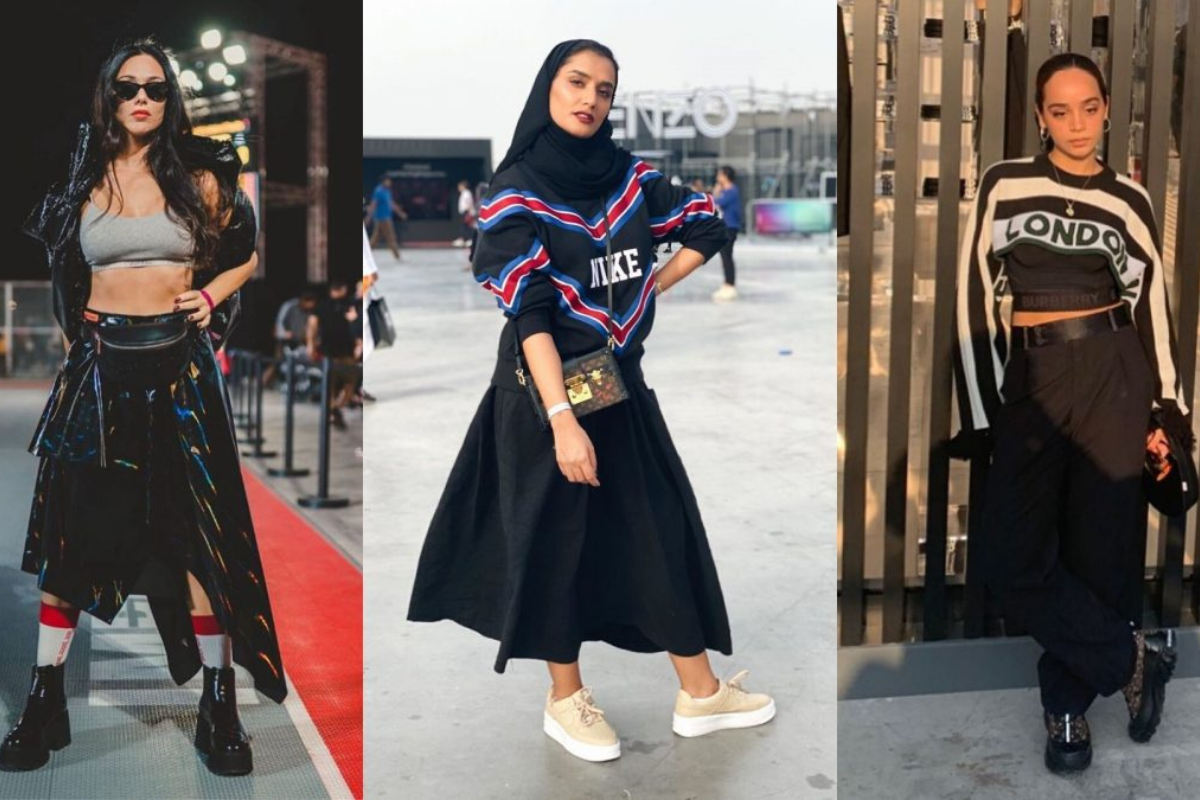
Dubai’s fashion marketing often depends on creators. In 2026, the compliance environment is tighter. Official guidance from the UAE Media Council states that an Advertiser Permit is required for individuals who engage in advertising on social media, including activity carried out without financial compensation. Reporting in Gulf News also described the requirement becoming mandatory starting February 1, 2026. Legal commentary also notes that the permit system has been introduced under Federal Decree Law No. 55 of 2023 on media regulation, and describes enforcement timelines.
A sustainable approach treats influencer partnerships like a documented process: scope, disclosure expectations, approvals, claims evidence, and record keeping.
Unit Economics: Stay Healthy when Every Sale is Measured Beyond Revenue
Many fashion businesses grow revenue and still feel pressure. Sustainable growth requires that every sale is profitable after the real costs are counted.
A practical way to think about this is contribution margin. Contribution margin means the money left after the direct costs of that order are paid. For a fashion order, direct costs usually include:
- Cost of goods sold.
- Payment gateway and platform fees.
- Shipping and packaging.
- Pick and pack labor costs.
- Returns and exchange handling costs.
- Promotions and discount impact.
- Customer acquisition cost for paid channels, when relevant.
This matters because Dubai retail includes multiple cost layers: mall rent, staff costs, delivery expectations, and customer service speed.
Returns and Exchanges are Part of Unit Economics
Fashion returns can rise quickly when sizing and fabric expectations are unclear. A sustainable plan treats returns as a controllable metric.
- Track returns reasons by SKU, size, and color.
- Fix product page clarity first, including sizing notes and fabric description.
- Improve QC on high return items.
- Build a faster exchange workflow, because exchanges keep revenue in the business.
Consumer protection guidance in the UAE is relevant here because it shapes what customers expect from fairness and clarity in transactions.
Discounting Needs Rules that Protect Cash Flow
Dubai shoppers are familiar with promotions. A sustainable plan uses discounting with structure:
- Decide the maximum discount allowed by category.
- Limit discounts for items with low margins or high return rates.
- Use bundles for accessories and basics when they improve the average order value.
- Use targeted offers for returning customers rather than broad offers that reset pricing expectations.
Price integrity is part of trust. It also protects the ability to invest in quality and service.
Working Capital is where Sustainable Growth is felt
Fashion ties cash in inventory. A business can grow sales and still have cash flow stress because inventory is purchased months before revenue arrives.
Key signals to track:
- Inventory days on hand, by category.
- Sell-through rate for new arrivals after 2 weeks, 4 weeks, 8 weeks.
- Cash conversion cycle basics, in simple terms: how long cash stays locked before returning.
When a business understands this rhythm, decisions become calmer. Buying becomes more disciplined.
Inventory and Supply Decisions Need a Forecasting Rhythm that Matches Dubai’s Demand

Dubai fashion demand shifts across seasons and occasions. A sustainable approach relies on forecasting that is simple and consistent.
A Forecasting Rhythm that a Small Team can Follow
- Weekly review: best sellers, stockouts, return reasons, and low performers.
- Monthly review: category performance, size curves, color performance, repeat purchase signals.
- Seasonal review: capsule plans aligned to travel and cultural calendars.
Reorder Logic for Consistent Sellers
For brands with repeat sellers, reorder decisions can be structured.
- Define minimum stock levels for core items.
- Use size curves based on sales history, not guesses.
- Separate core basics from seasonal fashion items, because their replenishment logic differs.
Supplier Lead Times and MOQs Affect Growth Stability
Many Dubai businesses source internationally. Lead times and minimum order quantities create risk when demand changes.
- Document each supplier’s average lead time, defect rate, and communication reliability.
- Build a QC step that checks fabric, stitching, sizing accuracy, and labeling.
- Plan shipping and customs timelines into the calendar.
Dubai’s ecommerce and logistics infrastructure continues to develop, and free zones designed for digital commerce play a role for brands that want scale. Dubai CommerCity describes itself as a free zone dedicated to digital commerce, and WAM reported plans for a new e-commerce fulfilment centre, with occupancy reaching about 98 percent in its Business District, indicating strong demand for e-commerce infrastructure.
A sustainable business uses logistics options that support delivery promises without high cost.
Operations Win When the Experience Stays Consistent Across Channels
Operations are where customers decide whether they trust the business. Dubai customers often expect speed, clarity, and responsiveness. Sustainable growth keeps operations clean as volume increases.
Store Operations that Support Reliable Selling
- Clear merchandising rules, including size availability on the floor.
- Staff training on product knowledge, fabric, care, and styling.
- Daily inventory counts for high movement items.
- Shrink controls and clear stockroom processes.
E-commerce Operations that Reduce Customer Anxiety
- Delivery promise that matches your logistics reality.
- Tracking updates and proactive communication.
- Packaging that protects the item and feels consistent with brand positioning.
- A returns process that is clear and quick.
Omnichannel Consistency
Many Dubai brands sell across stores, websites, WhatsApp, and marketplaces. Consistency means:
- One inventory truth source, updated daily.
- One pricing rulebook.
- One returns and exchanges policy with channel-specific steps.
- One customer service tone and response time target.
Consumer protection guidance reinforces the importance of fair dealing and clarity for goods and services, which supports the business case for transparent policies.
Compliance Protects Growth Because Marketing and Claims are Part of Business Risk

In 2026, compliance affects growth because online marketing is central to fashion.
Influencer and Creator Promotions
The UAE’s advertiser permit requirement is a major development. The UAE Media Council explains that an Advertiser Permit is required for individuals conducting advertising on social media, including activity without compensation.
Gulf News reporting describes the rule applying from February 1, 2026, for online promotional content. Pinsent Masons' commentary discusses the legal basis and enforcement timeline context.
Practical actions for brands:
- Keep a checklist for every creator partnership: permit, disclosure wording, claim approvals, and content approvals.
- Store campaign documentation and approvals.
- Train team members on what counts as an advertising claim.
Responsible Green and Sustainability Claims
Sustainability claims are common in fashion. Claims become risky when they are vague or unsupported. Legal guidance in the region often stresses that green claims should be clear, in plain language, and explicit about what symbols mean.
Broader summaries of the UAE context also note that strict advertising rules apply, even when specific green marketing guides are limited, and that advertising standards and content rules still govern claims. For businesses operating in the UAE, understanding advertising standards and media rules supports safer marketing.
Practical actions:
- Keep evidence for any sustainability claim, including supplier certificates and material composition documentation.
- Use clear wording that explains what the claim means in practice.
- Avoid symbols that imply certification without verified certification.
People and Capability Building is the Growth Engine that Stays Stable
Fashion growth depends on people. In Dubai, teams often scale quickly, then processes lag behind. Sustainable growth treats capability as a planned build.
Hiring in Phases
- Phase 1: strong store team and customer service, plus one operations-focused role.
- Phase 2: merchandising and inventory planning capability.
- Phase 3: content production, ecommerce optimization, partnerships.
Training that Improves both Sales and Returns
Training topics that impact performance:
- Fit and fabric guidance, with consistent language.
- Handling objections without pressure.
- Exchanges and returns workflow, with empathy and clarity.
- Visual merchandising basics and replenishment discipline.
Vendor Management as a Skill
Suppliers affect quality, margins, delivery, and customer satisfaction.
- Set clear quality expectations and measurement points.
- Track defect rates and late deliveries.
- Build relationships with clear accountability, especially for peak seasons.
Sustainability Practices that are Realistic for Dubai Fashion Businesses
Sustainability in fashion can become vague quickly. A sustainable growth article needs actions that are realistic.
Packaging that Reduces Waste and Supports Cost Control
Packaging decisions can support sustainability and margin at the same time.
- Right-sized packaging to reduce waste and shipping costs.
- Recyclable materials where the supply is reliable.
- Minimal filler with strong product protection.
Claims should remain evidence-based and documented, aligning with the compliance approach.
Care Instructions that Extend Garment Life
A practical sustainability move is to help customers keep garments in good condition:
- Care labels and simple care cards.
- Fabric-specific washing guidance.
- Styling suggestions that encourage repeated wear.
Repair, Alterations, and Resale Pilots
Dubai has a strong tailoring culture. Some brands can explore:
- Partner tailoring discounts for customers.
- Alteration support for premium items.
- Limited resale or take-back pilots for specific categories.
These initiatives work best when the operational workflow is clear, and the economics are known.
Waste Reduction in Sampling and Dead Stock
Sampling and overbuying create silent waste.
- Reduce sample iterations through clearer tech packs and fit notes.
- Use preorder or waitlists for high uncertainty items.
- Plan end-of-season actions early, including controlled markdowns, bundles, and donation programs when appropriate and documented.
KPIs that Show Sustainable Growth in a Dubai Fashion Business

KPIs help owners see progress at a glance. A sustainable growth KPI set stays small and actionable.
Demand and customer
- New customers per week: number of first-time buyers.
- Repeat purchase rate: share of customers who buy again within a chosen window.
- Customer acquisition cost: the average paid cost to acquire a customer on paid channels.
- Email and WhatsApp list growth: opted-in audience growth.
Margin and cash flow
- Gross margin: revenue minus cost of goods sold.
- Contribution margin: revenue after direct order costs such as shipping, payment fees, packaging, and returns handling.
- Discount rate: average discount applied across orders.
- Cash on hand weeks: how many weeks' fixed costs can be paid.
Inventory
- Sell-through rate: percent of stock sold in a time window.
- Stockout rate: how often key items are unavailable.
- Inventory days on hand: how many days of stock remain based on sales pace.
Operations and experience
- On-time delivery rate: percent of deliveries meeting promise.
- Return rate: percent of orders returned.
- Exchange completion time: time to complete an exchange.
- Customer service response time: time to first response on WhatsApp and other channels.
Compliance
- Documented creator campaigns: percent of campaigns with recorded approvals and required permits.
- Claim evidence coverage: percent of sustainability claims with stored evidence.
In Dubai’s fashion market, growth becomes sustainable when the business can scale volume while keeping the same level of clarity, service, and discipline. That means customers keep trusting the brand, cash flow stays predictable, operations stay calm, and compliance remains clean.
Dubai remains a high opportunity market because travel demand continues at scale, retail remains a major part of the city experience, and digital commerce infrastructure continues to expand. A sustainable growth plan turns that opportunity into a repeatable operating model.
Also read:
 Shahba Mayyeri
 Shahba Mayyeri
 Umema Arsiwala