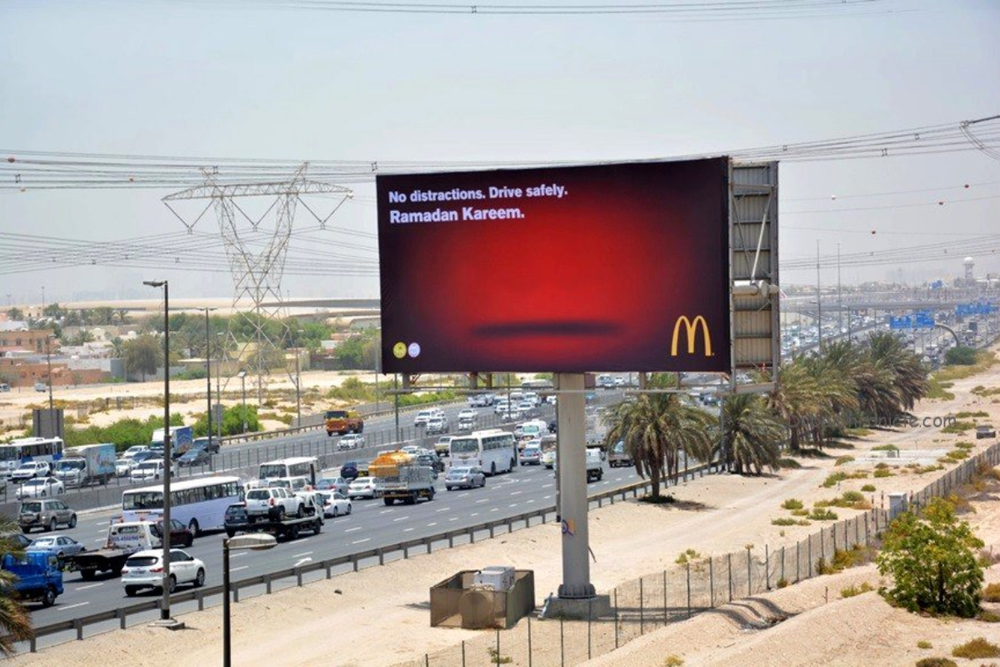
Ramadan in 2026 runs from March 1 to March 30. During this period, Muslims around the world fast from dawn to sunset, focus on prayer, and spend time with family. Brands that participate in this time do so by aligning their actions with these practices. Thoughtful presence means showing respect through messages and activities that support reflection and community.
In regions like the UAE and Saudi Arabia, consumer spending rises by 20 to 30 percent in categories such as food and clothing. This creates space for brands to connect without pushing sales hard. The approach centers on empathy and cultural understanding.
This article explores what that looks like in practice, drawing from marketing reports and examples active in 2026.
The Context of Ramadan in 2026
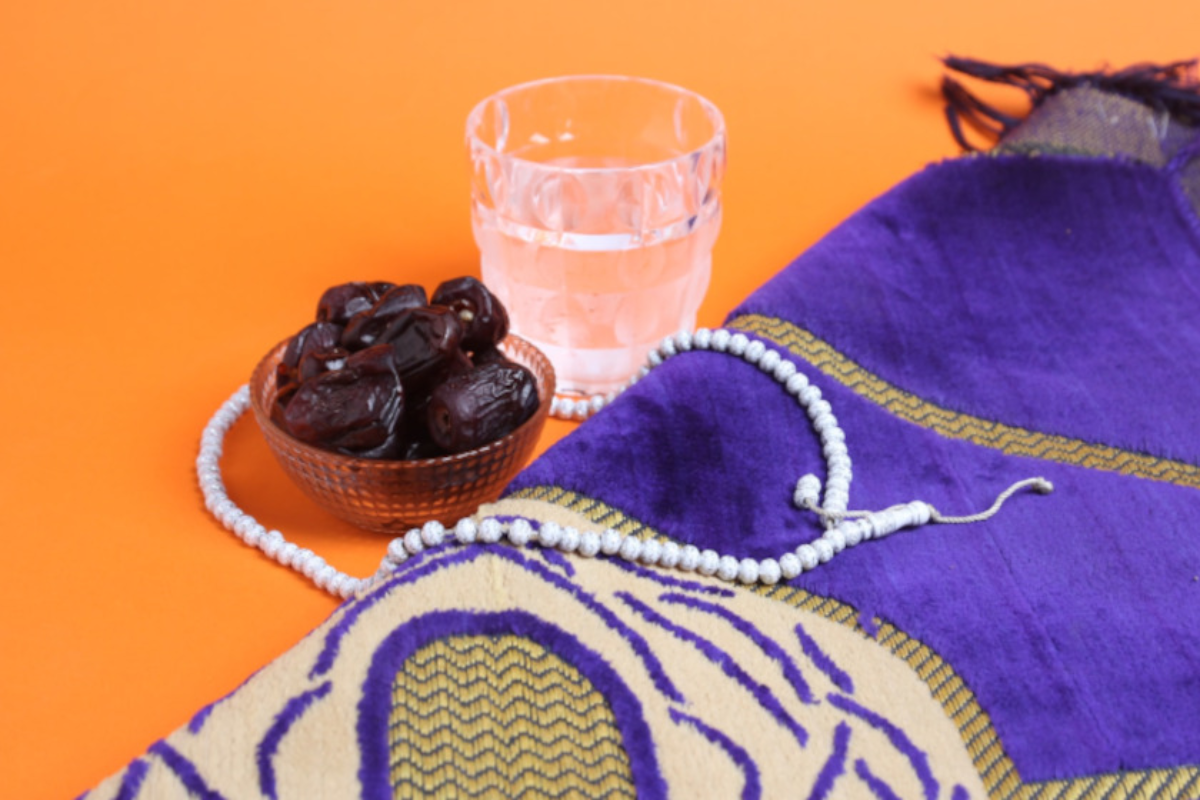
In 2026, Ramadan falls during a time when digital tools shape daily routines more than before. People use apps for prayer reminders and online shopping peaks after sunset. Brands recognize this shift by adjusting their visibility to match these patterns. For instance, engagement on social media increases at night when families gather for iftar, the meal to break the fast. Economic factors play a role, too. With global inflation easing to 4.5 percent, consumers seek affordable options that fit their budgets during the month.
Demographics matter. Younger Muslims, aged 18 to 34, make up a large portion of the audience and expect brands to reflect their values like sustainability and inclusivity. In the GCC, where over 50 million people observe Ramadan, brands plan ahead to avoid missteps. Research shows that 70 percent of consumers respond better to campaigns that emphasize generosity over discounts. Brands start by reviewing past behaviors to tailor their presence.
Core Principles of Thoughtful Brand Presence
Thoughtful presence builds on respect and relevance. Brands start with values-led messaging that highlights reflection, family bonds, and giving. Messages focus on shared experiences, such as preparing iftar meals together. Authenticity comes from understanding local customs. In the UAE, brands incorporate Arabic elements in their content to show cultural fluency.
Timing aligns with daily rhythms. Activity drops during the day due to fasting, so brands schedule posts and ads for evenings. Peak times include just before iftar and late nights during suhoor, the pre-dawn meal. This ensures presence feels supportive rather than intrusive.
Channels matter. Social media platforms like Instagram and TikTok see high use for recipe sharing and family stories. Brands choose trusted environments, such as community pages or mosque apps, to place their content. Email and SMS work for personalized reminders, like sending iftar time notifications.
Content types include educational materials on health during fasting or tips for balanced meals. Brands create gift guides that suggest thoughtful presents for Eid, the celebration at the end of Ramadan. Videos showing real families help build connections.
Planning and Research for Brand Presence
Brands begin planning months ahead. They analyze audience data from previous years to spot patterns, such as increased searches for recipes or wellness advice. Tools like Google Trends reveal spikes in terms related to charity and family gatherings.
Audience segmentation helps. Brands identify groups like young professionals who seek quick meal ideas or families looking for bulk deals. Surveys provide insights into preferences, ensuring presence matches needs.
Collaboration with cultural experts refines approaches. Brands consult community leaders to verify that visuals and language respect traditions. This step prevents errors and strengthens trust.
Budget allocation focuses on digital channels, which account for 60 percent of Ramadan spending influences in 2026. Brands set aside funds for influencer partnerships and targeted ads.
Messaging Strategies
Brands craft messages that show a genuine understanding of Ramadan's meaning. They highlight themes like reflection, kindness, and sharing with others. A food brand might share simple iftar recipes using everyday ingredients, dates, yogurt, and soup to help families prepare balanced meals without extra cost. This respects the tighter budgets many face during the month.
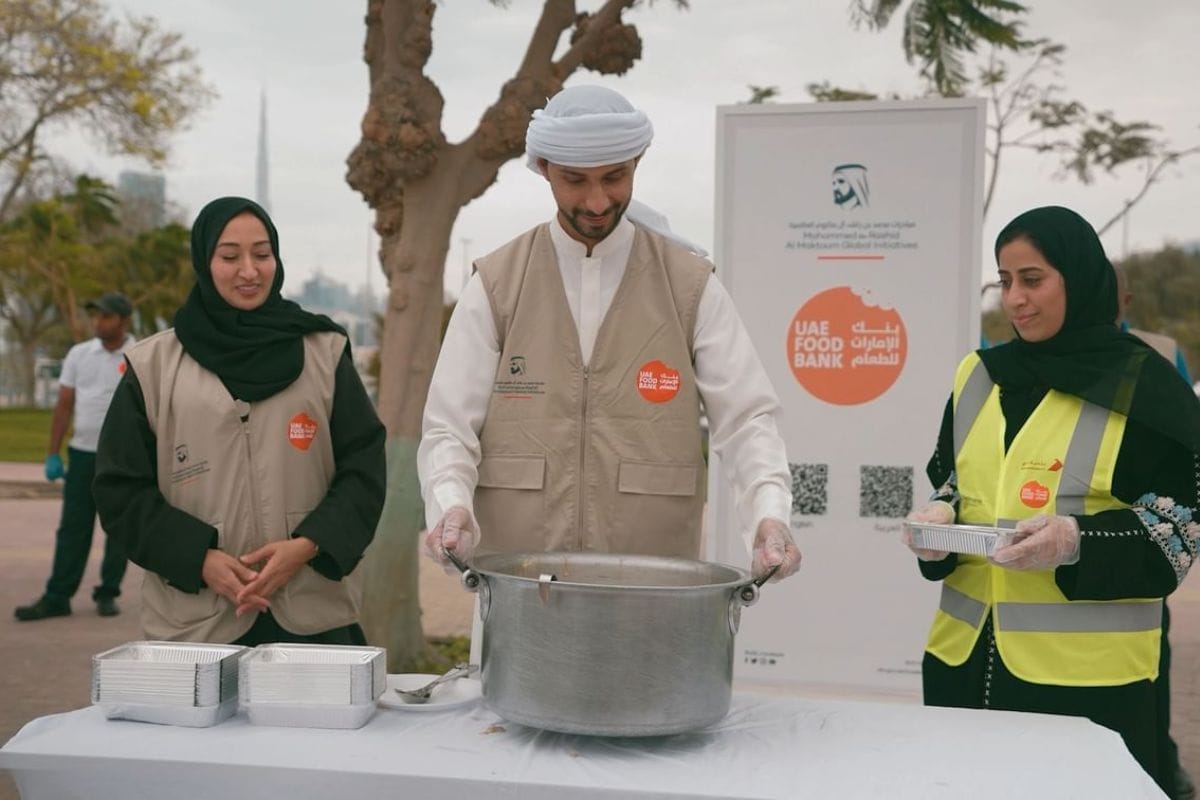
Giving back forms a natural part of the approach. Brands tell stories of community support, such as donating meals or partnering with local charities for food distribution. They explain clearly how contributions work, like matching purchases with donations to verified organizations in the UAE. This openness builds trust.
Personal touches make interactions feel relevant. Brands draw from previous customer data to suggest practical items, family-sized date packs for larger households, or hydration-focused products for long fasting days. Suggestions arrive via email or app notifications in the evening, when people plan their next meal.
Stories connect people. Brands repost customer photos of iftar tables that include their items, like a spread with branded juices or snacks. They encourage shares with gentle prompts like "Show us your family iftar setup" and feature selected ones on their channels. This creates a sense of shared experience and community without forcing participation.
Timing and Scheduling
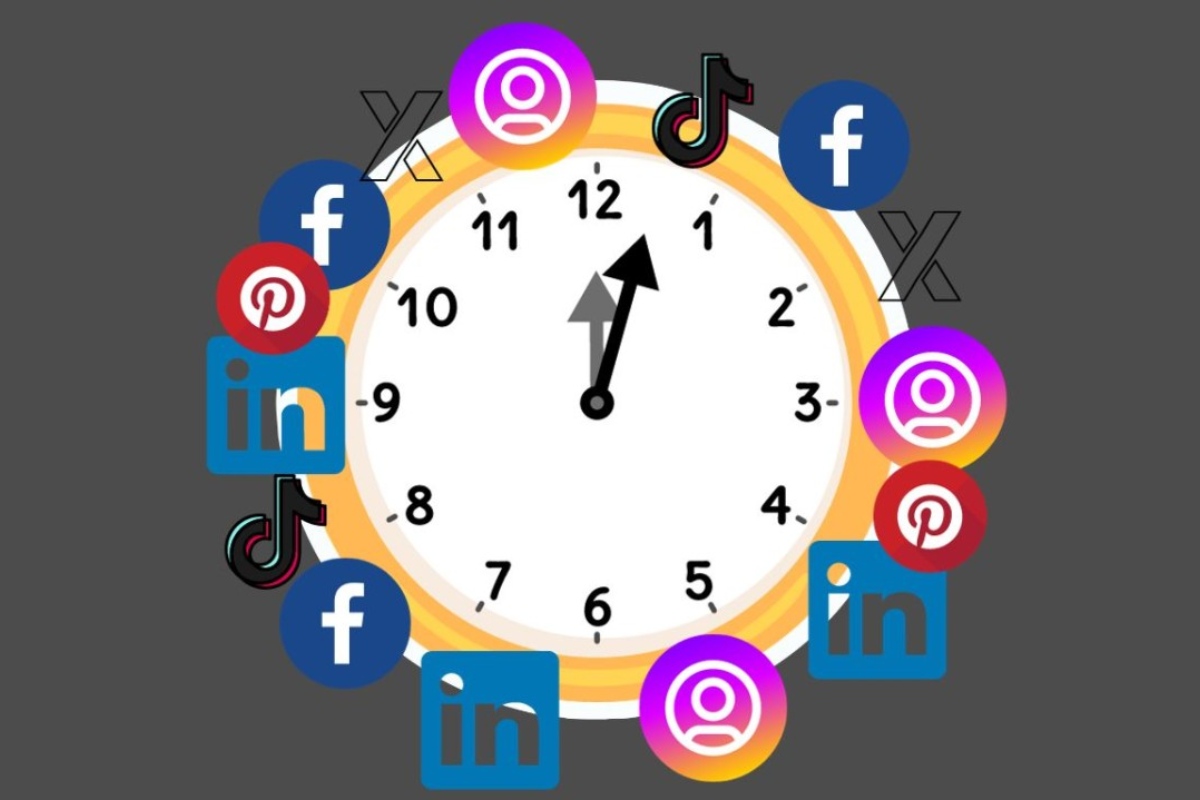
Brands align their activity with the natural flow of Ramadan days in the UAE. During fasting hours, from fajr (dawn) to maghrib (sunset), digital presence stays very light, often limited to quiet, evergreen posts or scheduled stories that do not demand immediate attention. The real activity begins right after maghrib adhan.
At that moment, people break their fast, pray, and then reach for their phones. Engagement spikes sharply in the first 1–2 hours after sunset. Brands release their main content during this window: short recipe videos, charity spotlights, or gentle product reminders. For example, a supermarket chain might post a 30-second reel showing how to assemble a quick iftar platter using items already in most homes. The timing feels natural because it matches when families are relaxing and scrolling.
Later in the evening, after isha prayer and taraweeh, another smaller wave of activity occurs. Brands use this period for live sessions. A home goods brand might go live at 9:30 PM to demonstrate setting up a comfortable suhoor corner: dim lighting, easy-to-prepare oats, and insulated water bottles. Viewers ask questions in real time, and the host answers calmly, creating a helpful, non-salesy atmosphere.
Remarketing follows the same rhythm. Ads reappear only during these high-attention evening slots. A fashion retailer might show a user an ad for an abaya they viewed days earlier, but only after maghrib or during late-night browsing (10 PM–1 AM). The ad copy stays soft: “Still thinking about this piece for Eid?”—and links directly to a saved cart or wish list. Daytime retargeting is almost nonexistent because open rates and click-throughs drop significantly while people are fasting and working.
Mid-Ramadan (around day 15) marks the shift toward Eid planning. Brands begin introducing gift-focused content without urgency. A jewelry brand might share a carousel of modest pieces suitable for Eid visits, timed for evenings when families discuss upcoming celebrations. A bookstore could highlight children’s books or Quran sets as thoughtful gifts, posted once people start thinking about what to give relatives. The messaging avoids phrases like “limited time” or “hurry”; instead, it uses calm language such as “Ideas to make Eid special for loved ones.”
Throughout the last ten days (especially Laylat al-Qadr nights), many brands reduce commercial posts even further. They switch to spiritual reminders, short duas, reflections on charity, or pause paid ads entirely. This deliberate quiet period shows respect for the heightened focus on worship.
In short, thoughtful scheduling mirrors the daily spiritual and social rhythm of Ramadan in Dubai: minimal daytime activity, strong evening focus after maghrib, helpful live moments after isha, gentle Eid buildup from mid-month, and respectful restraint during the final nights. When done this way, the brand feels present at the right moments without ever interrupting the month’s purpose.
Channel Selection and Integration
Social media acts as the primary space for brands to stay present during Ramadan in the UAE. Instagram Stories deliver bite-sized, timely content that fits the evening routine, quick hydration tips for fasting days, modest outfit ideas for taraweeh prayers, or simple table-setting suggestions using everyday items. These 24-hour formats disappear naturally, keeping the tone light and non-intrusive while reaching people right after they break their fast.
TikTok focuses on short, relatable videos that capture real moments. Brands create 15–30 second clips showing authentic suhoor prep (like blending dates and milk for energy), gentle skincare routines to combat dryness from fasting, or family conversations around the table. With 80 percent of UAE residents active on TikTok between 7–10 PM during Ramadan (YouGov MENA insights, 2026), this platform captures peak evening attention when people unwind and scroll after iftar.
Chatbots on WhatsApp Business and website messengers provide quiet, always-available support. They answer practical questions at any hour, stock levels for popular iftar dates, delivery cut-off times before sunset, or halal certification details without needing human intervention during prayer times or late nights. In a month when people value convenience around meal planning, these tools handle volume efficiently and respond instantly, often in Arabic and English to suit Dubai's diverse population.
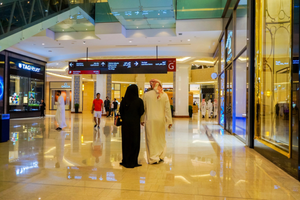
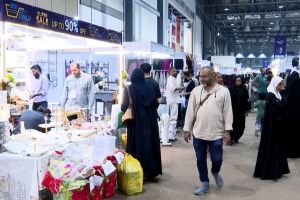
Offline touchpoints bring the digital experience into real life. Brands set up temporary pop-up stalls or small booths at community iftar gatherings in parks like Umm Al Emarat or during mall events in Dubai. Staff offers small, thoughtful samples, fresh juice shots for hydration, mini date packs, or scented items for the home while chatting casually about product uses. These setups feel welcoming and community-oriented, allowing direct conversations in a relaxed setting after sunset.
Omnichannel links everything smoothly. A brand might run an Instagram Reel showing a full iftar spread, then include a QR code in the video or caption that leads to a recipe page on their site with shoppable ingredients. Scanning the code takes the viewer straight from inspiration to purchase, bridging the evening scroll on the phone with in-store or delivery needs. In malls, similar QR codes on signage or product displays pull up exclusive Ramadan content or discounts, connecting physical browsing with online convenience.
Content Creation Approaches
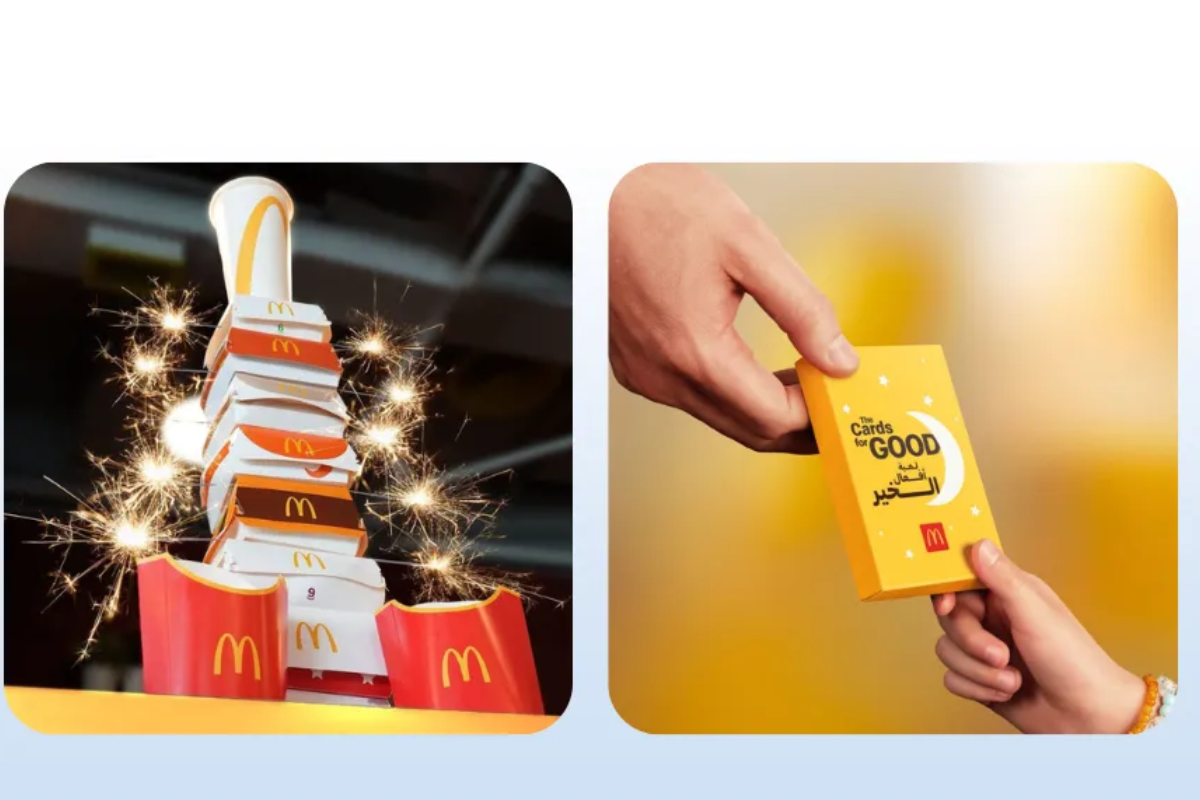
Brands produce content that feels helpful and respectful during Ramadan in the UAE, focusing on practical support and cultural sensitivity.
Wellness content addresses real fasting challenges. Brands collaborate with licensed UAE dietitians to share straightforward advice—how to start iftar with fiber and protein, stay hydrated in hot weather, or handle energy dips safely. These appear as clean infographics, short Reels, or Instagram carousels using everyday items like dates, yogurt, and nuts. Every piece includes a note to consult a doctor, keeping advice responsible.
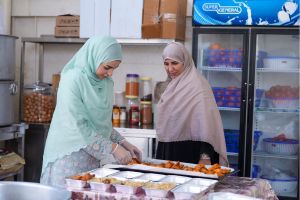
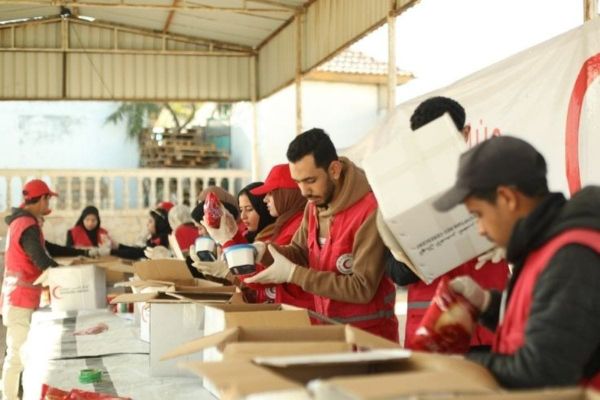
Charity work connects to the spirit of giving. Brands run simple round-up programs—adding a few dirhams per purchase to support verified groups like Emirates Red Crescent or local food banks. They post honest updates: photos of packed meals, exact numbers helped, or short clips from distribution sites (with permission). A retailer might share “Your contributions this week delivered 800 iftar meals in Ajman,” keeping the tone grateful and transparent to inspire quiet participation.
User-generated posts create community warmth. Brands use soft calls like #MyRamadanTable and invite people to share natural photos or clips of their iftar spreads or home setups that include the brand’s items. They repost selected ones with credit and warm captions—“Love seeing these family moments, thank you for sharing.” This highlights diverse UAE traditions—from Emirati majlis to expat meals—making the feed inclusive.
Light gamification keeps things engaging without pressure. Brands offer quick, optional activities: a Story quiz on “Which date is traditionally eaten first at iftar?” with instant facts, or a “Kindness Chain” where users share one small act of giving and tag a friend. Winners might receive modest prizes like a date hamper. These stay low-key, tied to reflection or generosity, and fit the month’s calm mood.
All content uses warm visuals, modest representation, bilingual captions (Arabic/English), and clean production. Brands test small pieces before Ramadan, scale what connects, and keep everything supportive rather than promotional. This approach quietly strengthens trust and relevance during a meaningful time.
Examples of Thoughtful Brand Presence
Here are real-world examples from recent Ramadan periods (drawing from 2025-2026 campaigns in the UAE and GCC), showing how brands integrate respectfully without aggressive promotion. Each focuses on supporting family, community, and everyday needs during the month.
IKEA
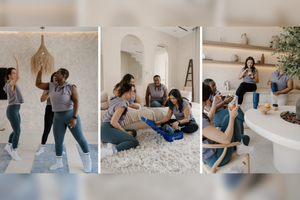
IKEA UAE centers its Ramadan approach around creating welcoming home spaces for iftar and suhoor gatherings. In 2026, they launched the GOKVÄLLÅ limited-edition collection with warm lanterns, brass-finish tableware, soft textiles, and decorative accents designed to enhance family moments. Their social media and website share practical ideas for affordable table settings using extendable dining tables for larger groups, placemats, serving trays, and candles to make homes feel festive yet practical.
Noon
Noon emphasizes convenience and kindness through reliable delivery during fasting hours. In 2026, they promote "no-effort" iftar solutions with quick, same-day, or timed deliveries of ready meals, groceries, dates, and essentials so families can focus on breaking the fast together. Social content highlights thoughtful touches like well-wish messages included in orders or posts saying "Ramadan isn't just about giving. It's about moments.
Tamara
As a Sharia-compliant fintech, Tamara promotes ethical and flexible financing options that fit Ramadan's focus on responsibility and fairness. In 2026 (following their CBUAE restricted finance license in late 2025), they highlight transparent, interest-free installment plans for everyday purchases like groceries, home essentials, or modest Eid gifts, allowing users to manage cash flow thoughtfully during the month.
Thoughtful brand presence during Ramadan in 2026 rests on one clear principle: show up in a way that honors the month rather than exploits it. Brands succeed when they step back from the spotlight and let the values of reflection, generosity, and togetherness lead. This means choosing restraint over volume, listening more than speaking, and offering support that feels natural rather than forced.
In Dubai’s fast-paced yet deeply traditional setting, consumers notice and remember the difference between a brand that simply markets during Ramadan and one that quietly contributes to its spirit. Small, consistent gestures, a well-timed helpful tip, a sincere donation update, a repost of a family’s real moment, accumulate into trust that lasts far beyond the crescent moon.
The most effective presence leaves people feeling seen, not sold to. It creates space for connection instead of crowding the feed. When brands prioritize empathy and cultural fluency over short-term metrics, they earn something more valuable than clicks: quiet loyalty that carries into Eid and the rest of the year.
As Ramadan 2026 unfolds, the brands that end the month with stronger relationships than they started are the ones that understood this simple truth: the best way to be present is to be present for people, not just for profit.
Also read:
 Umema Arsiwala
 Ummulkiram Pardawala
 Shahba Mayyeri