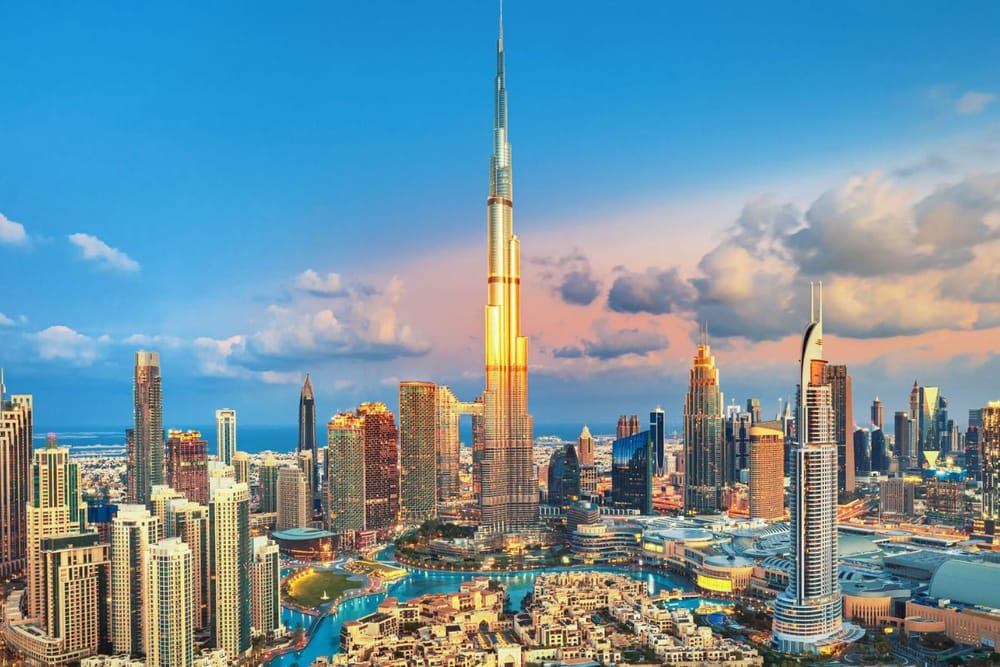
Walk through any Dubai mall, scroll through property listings, or browse service provider websites, and you'll encounter the same words repeatedly: luxury, premium, world-class, exclusive, iconic. A car wash promises "luxury detailing." A one-bedroom apartment offers "premium finishes." A nail salon advertises "exclusive treatments." When every business uses identical language, those words lose their power to persuade.
Dubai's 2026 customer is still willing to pay for high-end experiences, but they've become skeptical of generic luxury claims. The gap between what businesses say and what customers actually experience has created a credibility problem. This article examines why luxury language is failing across Dubai's sectors and what businesses can do instead.
The Overuse Problem: When Everything Is Luxury, Nothing Is
The word "luxury" has become the default descriptor for anything slightly above basic. This linguistic inflation has rendered it nearly meaningless.
Consider these real examples from Dubai's market:
- Luxury studio apartment (400 square feet)
- Premium car wash (AED 50)
- Exclusive manicure (AED 80)
- World-class co-working desk (AED 1,200/month)
- Iconic fitness class (AED 100 drop-in)
Each might genuinely offer good value, but labeling everything "luxury" doesn't help customers distinguish between options. When a word appears in every advertisement, social media caption, and brochure, customers stop noticing it. It becomes background noise rather than a reason to choose one business over another.
The result: potential customers skim past the adjectives and jump straight to photos, reviews, and price comparisons. The copy failed before it had a chance to persuade.
The Specificity Gap: Luxury How?
"Luxury" means different things depending on the person and context. For a tired parent, luxury might mean quiet, cleanliness, and predictable service. For a young professional, it's speed, convenience, and smart technology. For a tourist, it's views, storytelling, and memorable moments.
When businesses only say "luxury" without explaining what that means in practice, they're asking customers to imagine the details themselves. In Dubai's crowded, competitive market, customers rarely make that effort. They simply move to the next listing, website, or option.
This creates what we might call the specificity gap: the distance between vague promises and concrete details that actually influence decisions.
How the Gap Shows Up in Real Estate
"Luxury apartment with premium finishes in a prime location" could describe hundreds of Dubai buildings. This description doesn't tell a potential buyer:
- How loud or quiet the neighborhood is
- What the layout feels like at 7pm with the whole family home
- Whether the "premium finishes" are marble or just polished tiles
- If windows are double-glazed or if traffic noise carries through
- Whether there's storage space beyond a small kitchen pantry
Without these details, buyers rely entirely on photos, floor plans, and Google reviews to make decisions. The marketing copy contributed nothing to the sale.
How It Appears in Hospitality
"Luxury beachfront stay with world-class amenities" doesn't answer the questions guests actually have:
- Is the beach crowded with day-trippers or relatively private?
- Are there real shade structures and kid-friendly shallow areas?
- Is the "world-class spa" a full facility or just a massage room near the gym?
- Can you actually see the water from your room, or is it a "partial view" requiring you to lean out the balcony?
Guests now look at traveler-uploaded photos and detailed reviews on TripAdvisor or Google to answer these questions. Vague promotional language adds no value to their decision-making process.
How It Manifests in Beauty and Wellness
"Premium facial experience" or "luxury aesthetic clinic" tells a potential client almost nothing about:
- Specific products or technologies used
- Hygiene and sterilization standards
- Staff qualifications and training backgrounds
- Expected results and realistic timelines
- Whether treatments are standardized or customized
Without this information, people ask friends where they go for treatments rather than trusting advertisements. Personal recommendations fill the trust gap that vague marketing creates.
How It Limits Professional Services
"Boutique consulting," "premium advisory," or "luxury concierge" all sound impressive but don't communicate:
- What type of client you're best suited to serve
- What specific problems you solve
- How your process differs from cheaper alternatives
- Why your approach justifies higher fees
In every sector, the pattern repeats: generic luxury language occupies space where specific, persuasive information should be.
The Evidence Problem: Words Versus Reality
Dubai's 2026 customer has access to more verification tools than ever before. Your marketing copy doesn't exist in isolation, it sits alongside:
- Google reviews with star ratings and detailed commentary
- Real customer photos and videos showing actual conditions
- Price comparisons across similar offerings
- Recommendations from friends, family, and WhatsApp groups
- Social media posts from previous customers
When your website promises "unparalleled luxury" but reviews mention slow service, dated facilities, or cramped spaces, that disconnect undermines trust. Generic superlatives don't just fail to persuade—they actively raise suspicion.
Customers have learned to be skeptical of luxury claims because they've been disappointed before. The business that promised "world-class" amenities had basic equipment. The "premium" apartment had thin walls and poor maintenance. The "exclusive" service was identical to competitors but cost more.
This history of overpromising has made customers discount luxury language entirely. They've learned to look for evidence rather than adjectives.
What Works Instead: A Three-Part Framework
Effective messaging in Dubai's 2026 market doesn't require new buzzwords. It requires clearer answers to three questions:
- Luxury for whom? (Who specifically benefits most from this?)
- Luxury in what way? (What specific attributes create the premium experience?)
- Luxury compared to what? (How is this demonstrably different from standard options?)
The practical approach is replacing vague status words with concrete details, customer outcomes, and verifiable evidence.
Replace Adjectives with Concrete Details
Concrete, sensory details allow customers to picture the experience and justify the price to themselves.
Instead of: "Luxury finishes" or "High-end interiors"
Say: "3-meter ceiling heights in all living areas, solid oak doors rather than laminate, and triple-glazed windows that reduce traffic noise by 40 decibels."
Instead of: "Premium spa experience"
Say: "Each treatment room has its own bathroom and shower so you never wait in a robe in a hallway. Treatment beds are heated, and linens are changed between every client."
Instead of: "Exclusive dining atmosphere"
Say: "Maximum 40 seats, tables spaced 2 meters apart, and a reservation system that limits seatings to one per evening so service is never rushed."
These details give customers specific reasons to choose you over competitors using the same generic adjectives.
Lead with Outcomes, Not Adjectives
Ask yourself: what changes for the customer because of your service? What problem do you solve or improvement do you create?
Instead of: "Luxury family clinic"
Say: "We reduce the number of times your child needs to repeat tests by coordinating all specialists under one roof and sharing records between departments."
Instead of: "Premium co-working space"
Say: "Designed so you can take calls without background noise: soundproofed phone booths, designated quiet zones, and guaranteed high-speed Wi-Fi even during peak afternoon hours."
Instead of: "World-class fitness facility"
Say: "Classes capped at 12 people so instructors can correct your form. Equipment is serviced monthly and replaced every three years regardless of condition."
Outcome-focused language moves you from "we're fancy" to "here's specifically why your life is easier or better with us."
Provide Evidence and Process
Anyone can claim luxury. Few explain how they achieve it. Evidence-based messaging builds trust without requiring customers to take claims on faith.
Examples:
"Most maintenance requests in our building are resolved within 24 hours. If we miss that deadline, we cover the call-out fee."
"Our stylists complete at least 40 hours of continuing education annually on new techniques and safety protocols. We can show you their certifications."
"Every villa inspection uses a 50-point checklist. If we miss something on that list during your walkthrough, your follow-up inspection is free."
"We source coffee beans directly from three farms in Ethiopia and Colombia. We can tell you the harvest date of the beans we're using today."
Evidence creates credibility. Process explanations demonstrate competence. Both build trust more effectively than superlatives.
Before and After: Some Examples
Real Estate Listing
Before: "Luxury 2-bedroom apartment with premium finishes in a prime Dubai location."
After: "2-bedroom apartment with floor-to-ceiling windows, a separate laundry room, and a layout that keeps bedrooms away from the living area for quieter nights. Walking distance to Spinneys, two nurseries, and Metro access. Building has 24/7 security and covered parking on levels 2-4."
Hotel or Serviced Apartment
Before: "Experience world-class luxury with stunning views and exclusive amenities."
After: "Unobstructed Marina views from every room, including bathrooms. Breakfast cooked to order until 11:30am daily. Guaranteed late checkout on Fridays so you don't rush to the airport. In-room espresso machines with fresh beans delivered daily."
Salon or Aesthetic Clinic
Before: "Luxury beauty treatments in a premium, relaxing environment."
After: "Every facial includes a 15-minute skin analysis with photos before and after, plus a written routine you can follow at home. We never double-dip wax applicators, and every metal tool is autoclaved between clients. You can watch the sterilization process if you'd like."
Professional Service Business
Before: "We provide premium concierge services for high-net-worth individuals."
After: "We specialize in last-minute family relocations: coordinating movers, pet transport, school applications, and residency paperwork within 72 hours of your arrival in Dubai. Average client is settled within 10 days."
Fitness or Wellness Center
Before: "Exclusive wellness facility with world-class trainers."
After: "All trainers hold internationally recognized certifications and complete quarterly assessments. Classes are limited to 8 participants. We provide complimentary body composition analysis every 6 weeks to track your progress."
The Practical Challenge: Breaking Old Habits
Shifting from luxury language to specific, evidence-based messaging requires more work. You must identify what actually makes your offering different, articulate specific features and outcomes, and potentially expose yourself to comparison.
It's easier to say "luxury apartment" than to specify ceiling heights, window quality, and noise reduction specifications. It's simpler to claim "world-class service" than to detail response times, staff qualifications, and process guarantees.
But in Dubai's increasingly sophisticated market, easier language is also less effective language. Customers have learned to discount generic claims. The businesses that thrive in 2026 are those willing to be specific about what they offer and confident enough to invite comparison.
The death of "luxury" as persuasive language in Dubai doesn't mean the death of premium positioning. It means the market has matured past the point where adjectives alone convince anyone.
Dubai's 2026 customer is informed, comparison-savvy, and skeptical of generic claims. They're willing to pay more, but they want to know specifically what they're paying for and why it's worth the premium.
Businesses that replace vague luxury language with concrete details, clear outcomes, and verifiable evidence gain competitive advantage. They help customers make confident decisions. They reduce the friction between interest and purchase. They build trust through transparency rather than demanding it through assertion.
In a city where everyone claims to be luxury, the businesses that win are those specific enough to prove it.
Also Read:
 Umema Arsiwala
 Shahba Mayyeri
 Ummulkiram Pardawala
 Umema Arsiwala