
Have you ever wondered why some leaders command loyalty and respect without ever raising their voice, while others, armed with authority and titles, struggle to inspire even a single follower?
For decades, workplaces operated on a simple principle: authority equals influence. But the landscape of work has changed. Teams today thrive not under commands but under connection, trust, and understanding. Employees no longer just seek direction. They seek leaders who can listen, empathize, and navigate the human side of work with finesse.
Emotional intelligence, once dismissed as a “soft skill,” is now emerging as the secret weapon of effective leadership. It allows leaders to motivate without fear, resolve conflicts without confrontation, and build cultures where people feel valued and empowered. In an era defined by collaboration, diversity, and rapid change, the ability to read, manage, and respond to emotions is not just a nice-to-have; it is essential. Authority may still open doors, but emotional intelligence keeps people walking through them willingly, engaged and committed.
Explore why emotional intelligence is outperforming traditional authority in today’s workplaces, how it transforms leadership, and why professionals at every level need to cultivate it to thrive in the modern work environment.
Redefining Leadership: From Titles to Trust
In today's fast-paced work environments, the traditional model of leadership, built on strict hierarchies and top-down commands, is giving way to something far more dynamic. Leaders are no longer defined solely by their job titles or the authority they wield; instead, true influence stems from building genuine connections and earning respect through relatable actions. This shift reflects a broader change in how organisations operate, where flat structures and collaborative teams are becoming the norm, allowing ideas to flow freely regardless of rank.
Employees increasingly prioritise leaders who demonstrate empathy, open communication, and authenticity. These qualities foster a sense of belonging and motivation that rigid authority often fails to achieve. For instance, when a manager takes the time to understand team members' challenges and responds with supportive dialogue rather than directives, it builds loyalty and boosts productivity. Authenticity, in particular, stands out. Workers can spot insincere behaviour from afar, and they respond better to leaders who admit vulnerabilities and lead by example, creating a culture where everyone feels valued.
This evolution is backed by compelling research and trends. A Harvard Business Review study highlights that leaders with high emotional intelligence outperform their peers, while a TalentSmart analysis found similar results in workplace performance. Additionally, as issues like burnout and disengagement rise in modern workplaces, emotionally intelligent leadership has emerged as a key countermeasure, according to insights from the European Institute of Management and Finance. These findings underscore a cultural depth in global workforces, where trust-based leadership not only enhances individual well-being but also drives organisational success in diverse, hybrid settings.
What Makes EQ So Powerful
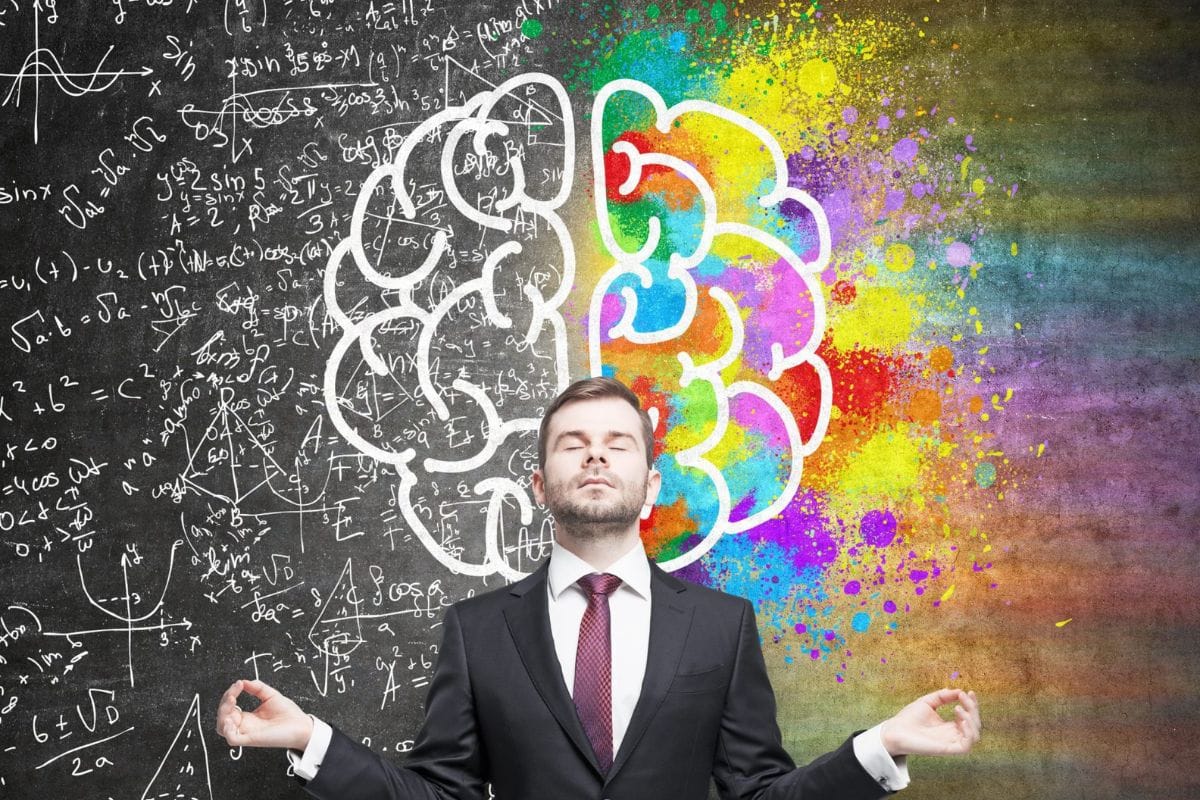
At the heart of this leadership shift lies emotional intelligence, or EQ, a set of skills that equips people to navigate their own emotions and those of others with grace and effectiveness. Unlike IQ, which focuses on logic and problem-solving, EQ thrives in the messy, human side of work, turning potential conflicts into opportunities for growth. Developed by psychologist Daniel Goleman, it rests on five essential components, each playing a vital role in everyday interactions.
Self-awareness begins with recognising your own emotions and their effects on decisions. Picture a project manager who notices frustration bubbling up during a tight deadline; instead of snapping at the team, she pauses, acknowledges it, and channels it into clearer priorities. This clarity prevents rash choices and sets a calm tone for the group.
Self-regulation follows, helping you manage those emotions without letting them derail you. Consider a sales lead facing a tough client rejection; rather than dwelling on anger, he takes a breath, refocuses on solutions, and rallies his team with constructive feedback. The result? Faster recovery and a resilient atmosphere that keeps morale high.
Empathy shines when understanding others' feelings takes centre stage. A team member misses a deadline due to personal stress; an empathetic supervisor listens without judgement, offers flexible support, and rebuilds trust. This not only solves the immediate issue but strengthens bonds, making collaboration feel natural and supportive.
Motivation drives intrinsic passion beyond rewards or titles. Envision a department head passionate about innovation; she inspires her team not with bonuses, but by sharing her genuine excitement for a new initiative. Her energy sparks creativity, leading to breakthroughs that rigid incentives rarely achieve.
Social skills tie it all together, enabling smooth relationships and influence. During a cross-team meeting, a skilled leader reads the room, diffuses tension with humour, and fosters agreement. What emerges is not forced compliance, but enthusiastic buy-in that propels projects forward with unified effort.
Together, these traits create a ripple effect in workplaces, where teams feel seen, heard, and energised. As global cultures blend in diverse offices, EQ's power lies in its universal appeal, bridging gaps and fostering the trust that modern leadership demands.
Why Authority Alone Falls Short
While titles and commands once ruled the workplace, relying solely on authority now often backfires, creating barriers rather than breakthroughs. In an era of agile teams and remote work, rigid top-down control breeds fear, stifling voices and sparking quiet resistance. Employees disengage when they feel like cogs in a machine, leading to higher turnover and missed innovation. A Gallup report reveals that only 21% of workers feel engaged under such conditions, with fear-driven cultures costing businesses billions in lost productivity each year.
Contrast this with the warmth of emotional intelligence, which transforms dynamics from the ground up. EQ nurtures collaboration by inviting input and celebrating contributions, turning solo efforts into shared triumphs. Trust becomes the bedrock, as leaders who listen and adapt earn loyalty that no mandate can command. In diverse, global teams, this approach bridges cultural divides, fostering an inclusive space where ideas flourish and people thrive. The result is not just compliance, but genuine commitment that propels organisations forward with resilience and creativity.
A Simple Five-Step Guide to Boost Your EQ

Ready to step up your emotional intelligence? The good news is that EQ isn't fixed; it's a skill you can cultivate with consistent, everyday effort. Drawing from Daniel Goleman's framework, here are five straightforward steps, each with a quick action to weave into your work routine. These build on the core components we explored, turning insight into lasting impact for you and your team.
- Sharpen Self-Awareness: Start a daily check-in. At day's end, jot down one emotion you felt and why it surfaced. A marketing coordinator did this and caught her stress triggers during client calls, leading to calmer pitches and stronger closes. Over time, you'll spot patterns and lead with confidence.
- Master Self-Regulation: Practice the pause. When tension rises, count to five before responding. A project lead facing deadline chaos used this to shift from blame to brainstorming, saving a floundering campaign and earning team respect. It's a small habit that keeps reactions steady and solutions sharp.
- Cultivate Empathy: Listen actively. In your next meeting, reflect back what you hear, like "It sounds like the workload's overwhelming you." A supervisor tried this with a burnt-out designer, uncovering needs that sparked flexible hours and renewed creativity. This builds bridges in diverse teams effortlessly.
- Fuel Your Motivation: Set a personal spark. Link one work goal to your bigger passion, such as "This report fuels my love for storytelling." An HR manager reframed tedious audits this way, boosting her drive and inspiring her group to hit targets 20% faster. Inner fire spreads naturally.
- Hone Social Skills: Reach out weekly. Send a genuine note of thanks or ask for feedback from a colleague. A sales director started this, turning rivals into allies and landing a key partnership. These connections create trust that flows through every interaction.
Commit to one step a week, and you'll notice ripples: smoother collaborations, higher trust, and a workplace that hums with energy. In our global, hybrid world, these practices not only elevate your leadership but also weave cultural depth into daily life, proving EQ is the edge everyone can claim.
Today’s workplaces reward connection, empathy, and understanding more than authority alone. Emotional intelligence turns teams into communities, challenges into opportunities, and managers into leaders who inspire loyalty. By improving self-awareness, managing your emotions, understanding others, staying motivated, and building strong relationships, you create influence that no title can match.
Start today. Listen more deeply, pause before reacting, and lead with both head and heart. The leaders who succeed are those who earn respect, inspire engagement, and create workplaces where people follow a vision with energy and commitment. Emotional intelligence is not optional. It is the skill that will define the future of work.
 Shahba Mayyeri
 Shahba Mayyeri
 Shahba Mayyeri
 Shahba Mayyeri
 Ummulkiram Pardawala