Dubai has always had an appetite for the exceptional. Across hospitality, retail, and dining, the city has consistently rewarded concepts that offer something distinct — and the dessert market is no exception. Over the past few years, a notable shift has taken place.
The all-day cafe with a long dessert menu is being outpaced by a new breed of operator: the niche patisserie, built around a single format, a defined flavour identity, or a highly specific cultural inspiration.
For F&B entrepreneurs, understanding why this model is winning is not just interesting, it is commercially relevant.
Dubai's Dessert Consumer Has Evolved
The starting point for any analysis of Dubai's patisserie boom is the consumer. Dubai's dining population is one of the most internationally diverse and trend-aware in the world, drawn from over 200 nationalities and exposed to global food culture through travel, social media, and a constantly evolving local scene. This consumer does not settle easily for the ordinary.
What has emerged across the market is a demand for what might be called the 'considered treat' — a dessert experience that feels deliberate, premium, and worth seeking out. Consumers are visiting fewer places but spending more intentionally when they do. Research supports this: in the Middle East and Africa region, 70% of consumers say they prefer to enjoy treats in smaller portions of higher quality rather than volume — the highest proportion of any global region. For F&B operators, this signals a clear opportunity for concepts built around craft, specificity, and depth rather than breadth.
The Power of the Single-Product Format
One of the most visible expressions of the niche patisserie trend in Dubai is the rise of the single-product concept — an operator that does one thing, does it exceptionally well, and builds an entire brand identity around it. Croissant-focused concepts, specialist choux operations, and dedicated kunafa bars have all gained significant traction in the market, each creating a clear and memorable proposition that is easy to communicate and easy for consumers to return to.
The operational logic is compelling. A focused menu reduces waste, simplifies training, improves consistency, and allows the kitchen team to refine their craft continuously rather than managing a wide and varied offering. From a brand perspective, a single-product format is also far easier to market — it gives the concept a natural hook and makes social media content more coherent and repeatable.
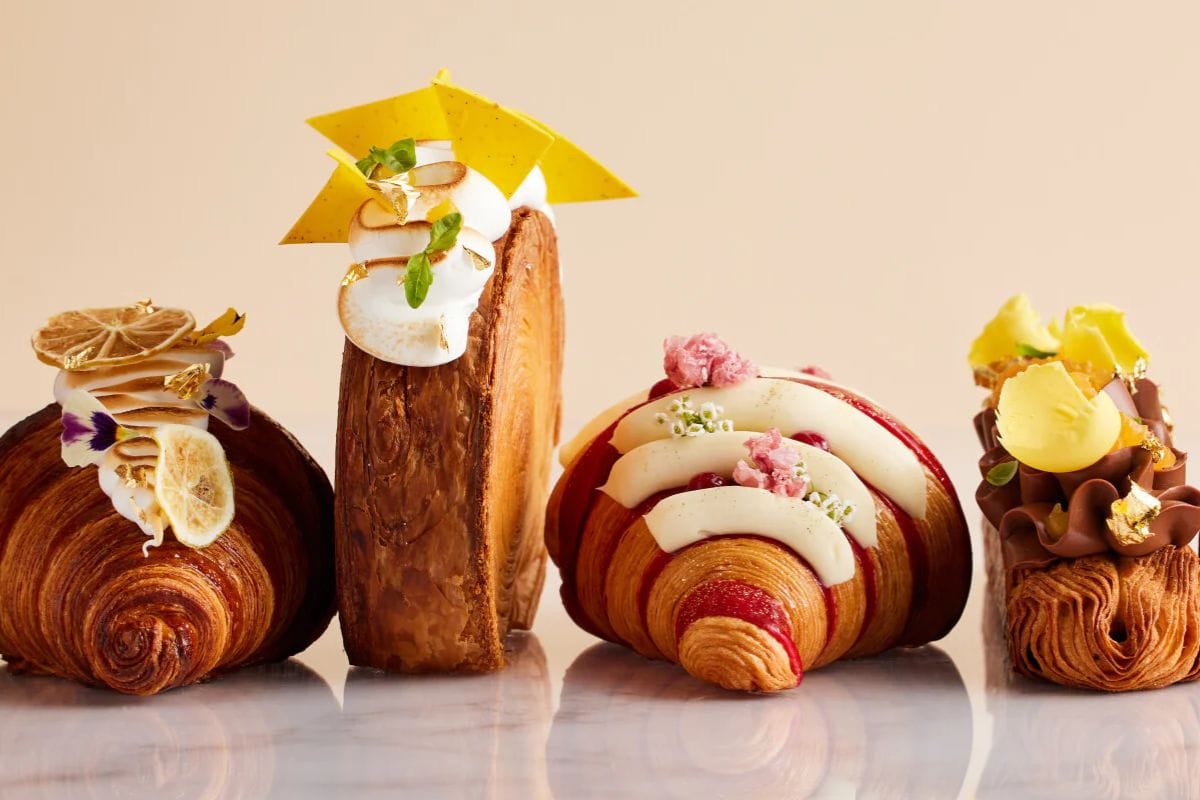
Hybrid formats have added another layer of innovation to this model. The cruffin — part croissant, part muffin — exemplifies how a single, well-executed hybrid product can generate significant consumer interest and media attention. Globally, cruffins have seen a 224% year-on-year increase in menu appearances, and Dubai's market has embraced them enthusiastically as part of a broader appetite for elevated, format-driven pastry concepts.
The Dubai Chocolate Effect: How a Local Trend Went Global
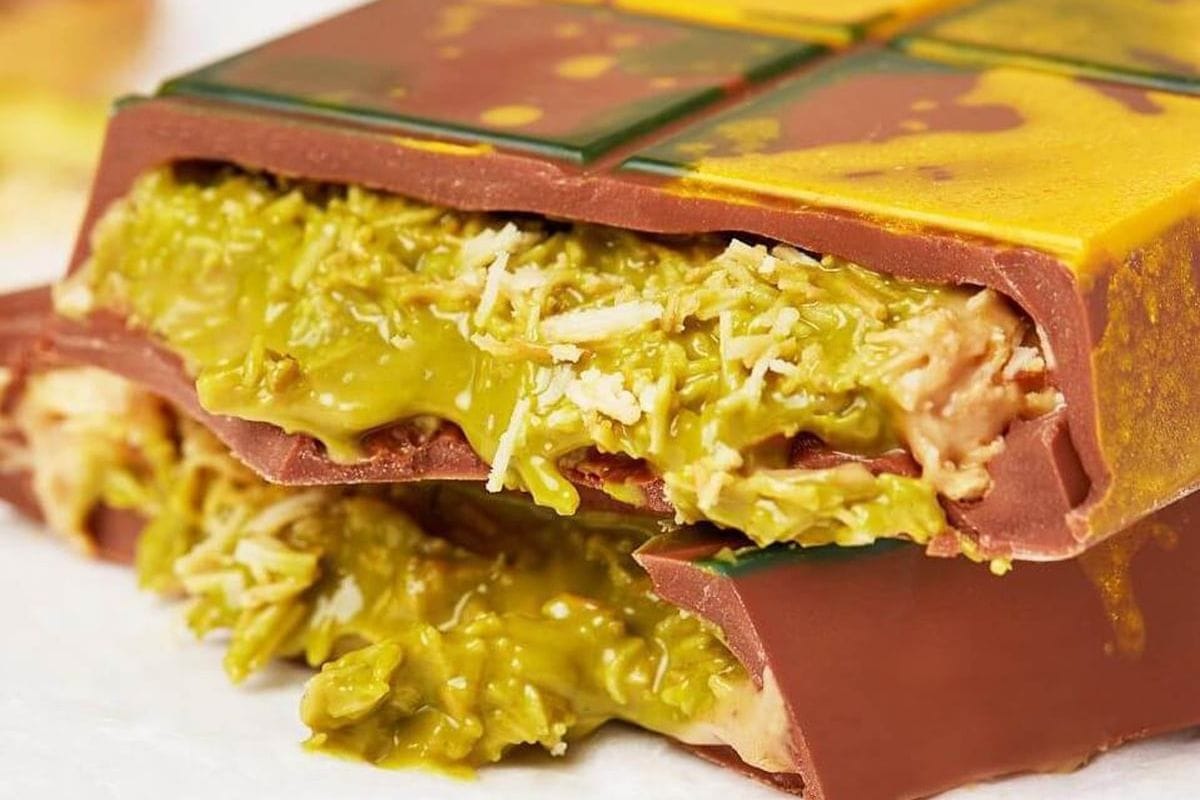
No discussion of Dubai's patisserie market in recent years is complete without acknowledging the extraordinary impact of the Dubai chocolate bar — the viral pistachio and kataifi creation that moved from a local concept to a global phenomenon. The product generated 35 million social media interactions and a 721% surge in online mentions, while simultaneously driving a 137% increase in global searches for pistachio chocolate fillings. It put Dubai on the map not just as a place that consumes food trends, but as a place that originates them.
For F&B entrepreneurs, the Dubai chocolate story carries several important lessons. First, it demonstrated the commercial power of fusing Middle Eastern ingredients — kataifi, pistachio, kunafa — with familiar Western formats like the chocolate bar. Second, it showed how a genuinely distinct product, when it delivers on texture and flavour, can travel far beyond its market of origin through organic social media amplification. Third, it validated the appetite that already existed in Dubai for bold, texturally complex, premium dessert experiences.
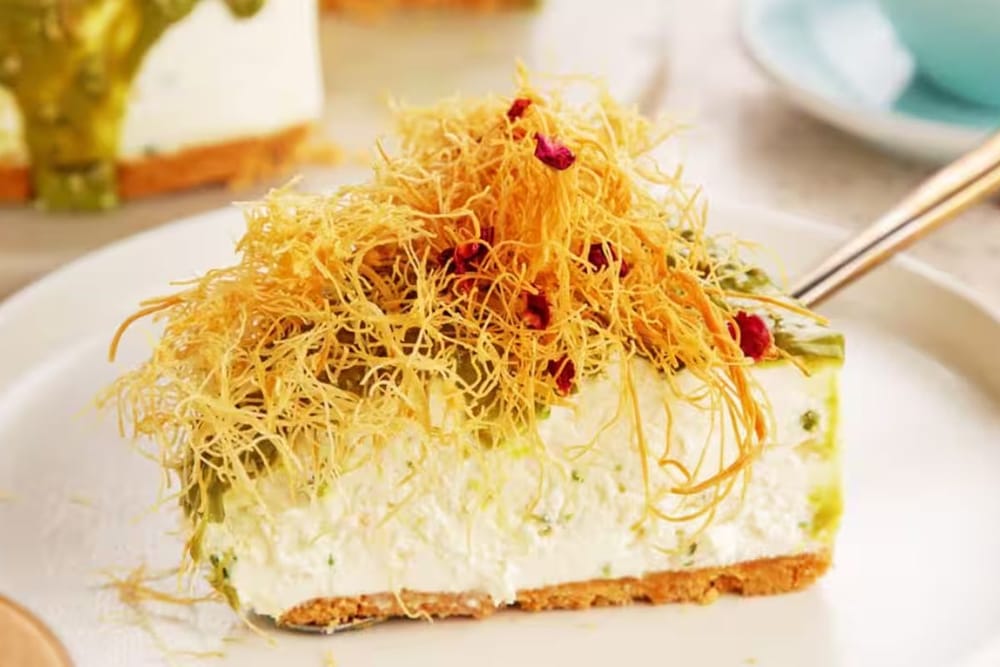
Kataifi — the shredded filo dough at the heart of the Dubai chocolate — has since taken on a life of its own. Social mentions of kataifi have risen by 298% globally, and it is now appearing as a texturising element in cheesecakes, danishes, and cookie centres well beyond the Middle East. Dubai did not just benefit from this trend. It created it.
Cultural Fusion as a Strategic Differentiator
Dubai's unique demographic and cultural composition makes it a natural laboratory for flavour fusion — and the most successful niche patisserie concepts have understood this from the outset. The city's consumer base arrives with strong cultural food memories and genuine curiosity about other traditions, creating an unusually receptive audience for concepts that blend the familiar with the new.
Pistachio-forward concepts, kunafa-inspired pastries, and Arabic flavour profiles applied to French patisserie formats have all found enthusiastic audiences. The logic is straightforward: French patisserie technique applied to Middle Eastern ingredients delivers something that feels simultaneously elevated and rooted — appealing both to the large South Asian and Arab expat communities who recognise the flavours and to international visitors for whom it feels entirely novel.
This is reinforced by a broader market signal: 62% of consumers globally say they actively seek new and unusual flavours in desserts — and Dubai's consumer base, given its diversity and exposure, indexes even higher on this. Operators who build their concept around a specific and coherent cultural flavour identity have a significant advantage over those offering generic menus, because they give consumers a reason to choose them specifically, not just conveniently.
Visual Identity and the Social Media Economy
It would be incomplete to discuss Dubai's patisserie market without acknowledging the role of visual culture. In a city where the F&B scene is documented and shared at extraordinary volume, a patisserie concept's visual identity is as much a part of its product as the flavour. Niche concepts benefit here disproportionately, because a focused format produces more consistent and distinctive visual output than a wide-ranging menu ever could.
A specialist croissant concept, for instance, can develop a recognisable aesthetic around lamination, cross-sections, and seasonal fillings that becomes immediately identifiable in a social media feed. A kunafa bar can own a very specific visual territory — the pull of the cheese, the golden crunch of the pastry, the colour of the pistachio — that no generalist competitor can replicate with the same authenticity. Visual consistency, driven by product focus, is one of the most underrated advantages of the niche format.
The data reinforces this. Searches for 'unique dessert shop near me' rose by 100% in 2025, reflecting a consumer behaviour shift from passive discovery to active seeking. Consumers are no longer just stumbling across patisseries — they are researching, curating, and travelling specifically for the ones that have built a distinctive enough identity to appear in their consideration set. For niche operators who have invested in their visual and conceptual identity, this is a significant tailwind.
What This Means for F&B Entrepreneurs
The rise of niche patisserie in Dubai is not a passing trend driven by novelty alone. It reflects a structural shift in how the city's consumers engage with dessert — with more intention, more discernment, and a greater willingness to travel and pay for a concept that offers something genuinely distinct. The generalist dessert menu, built for volume and variety, is under increasing pressure from operators who have chosen depth over breadth and executed it with precision.
For entrepreneurs considering entry into Dubai's dessert market, the strategic implications are clear. A tightly defined concept — anchored in a specific format, a coherent flavour identity, or a compelling cultural fusion — is more defensible, more marketable, and more resonant with the direction the consumer is already moving. The question is not whether to specialise, but what to specialise in and how to execute it with enough craft and consistency to earn a permanent place in one of the world's most competitive dining landscapes.
Dubai's dessert market has made one thing clear: in a city that has everything, the concepts that stand out are the ones that commit fully to a single, well-crafted idea, and then deliver it better than anyone else.
Also Read:
 Umema Arsiwala
 Shahba Mayyeri
 Nour Aboras
 Umema Arsiwala