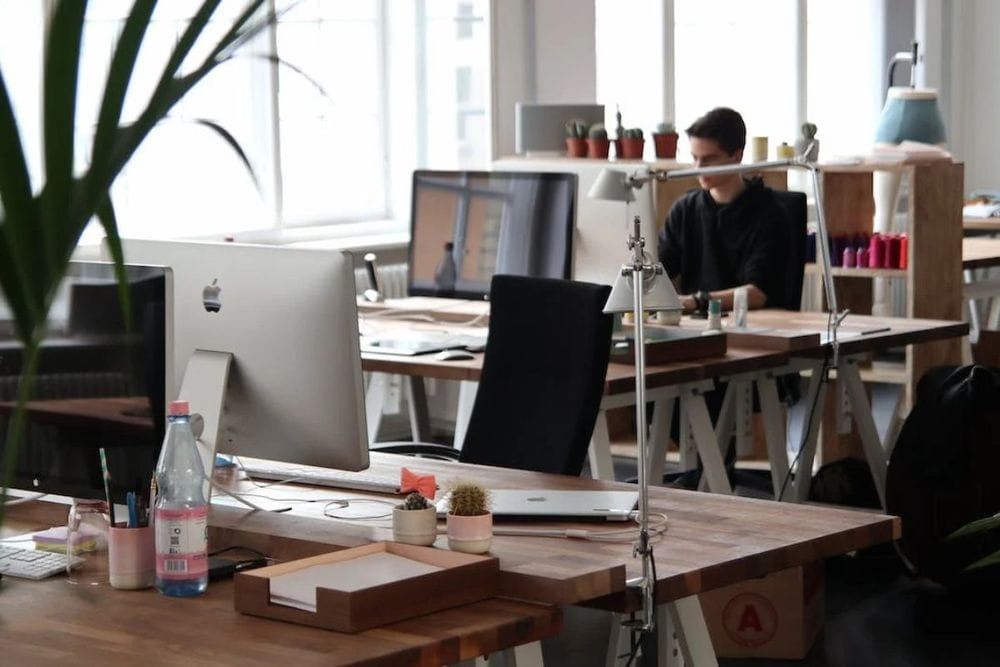
For years, office location felt like a secondary decision for many businesses in Dubai. As long as the licence was secured, the rent was manageable, and the Wi-Fi worked, companies believed they could operate effectively from almost anywhere. Remote work, flexible schedules, and digital-first operations reinforced that thinking. But something has shifted.
Today, where your office is located in Dubai is once again shaping how your business is perceived, how your teams perform, and how easily you can scale. In a city built on speed, visibility, and global connectivity, office location has quietly returned as a serious competitive advantage. It is no longer just about square footage or cost per desk. It is about access, credibility, talent, clients, and growth momentum.
Dubai’s business ecosystem has matured. Certain districts have become power centres for specific industries. Talent expectations have changed. Clients are more selective. Investors pay attention to signals that suggest stability and long-term vision. Office location now sends those signals before a single meeting takes place.
Explore why office location strategy in Dubai matters again, what has changed in the market, and how businesses can use location as a strategic tool rather than a logistical afterthought.
The Evolution of Office Spaces in Dubai
Dubai's office landscape has transformed dramatically over the past decade, reflecting the city's rapid economic shifts and global influences. Back in the early 2010s, the focus was on sheer scale; massive towers rising in areas like Sheikh Zayed Road to symbolize prestige and attract multinationals. Then came the 2020 pandemic, which flipped everything. Suddenly, remote work became the norm, and companies questioned the need for expensive central offices. Many opted for flexible, suburban setups or even virtual operations to cut costs and accommodate hybrid models.
But by 2025, the tide turned. With over 50,000 new business registrations in the first nine months alone (Savills), Dubai's economy rebounded stronger, drawing in sectors like tech, finance, and logistics. Office occupancy rates soared to over 94 percent in Grade A spaces (Mordor Intelligence), pushing firms back toward strategic locations. This evolution is about adapting to a new reality where location enhances hybrid work rather than competes with it.
Today, offices are hubs for collaboration, not daily grind spots. Businesses are consolidating into high-quality spaces that support occasional in-person meetings while integrating smart tech for seamless remote integration. The result? A market where total office stock is set to reach 9.7 million square meters by the end of 2026, up from current levels, with 340,000 square meters of new space added this year alone (Cavendish Maxwell). This growth underscores Dubai's maturity as a business hub, where location strategy evolves from a luxury to a necessity for long-term success.
Key Drivers Behind the Renewed Importance of Location

Several forces are propelling office location back into the spotlight as a competitive tool in Dubai. First, the city's strategic geography plays a huge role. Positioned at the crossroads of Europe, Asia, and Africa, Dubai offers unmatched access to emerging markets. For instance, its airports and seaports handle billions in trade annually, allowing firms to cut time-to-market by up to half when based here. Companies in logistics or e-commerce gain an edge by being near Jebel Ali Port or Dubai International Airport.
Second, talent attraction is critical. With a diverse workforce from over 200 nationalities, Dubai draws skilled professionals who value lifestyle as much as salary. Offices in vibrant districts offer proximity to amenities like gyms, cafes, and metro lines, making recruitment easier. A recent report notes that 60 percent of large organizations have adopted hybrid work, shifting real estate spend toward flexible, appealing locations (Mordor Intelligence).
Third, regulatory incentives sweeten the deal. Free zones like DMCC and DIFC provide 100 percent foreign ownership, tax breaks, and simplified setups, clustering industries for natural synergies. The UAE's flexible office space market is projected to grow at a 10 percent CAGR through 2035, driven by these perks. Finally, sustainability pushes firms toward green-certified buildings in prime spots, aligning with global ESG standards and attracting eco-conscious clients.
These drivers create a ripple effect: better location means stronger networks, faster decisions, and higher productivity, turning real estate choices into business multipliers.
Top Business Districts in Dubai for 2026
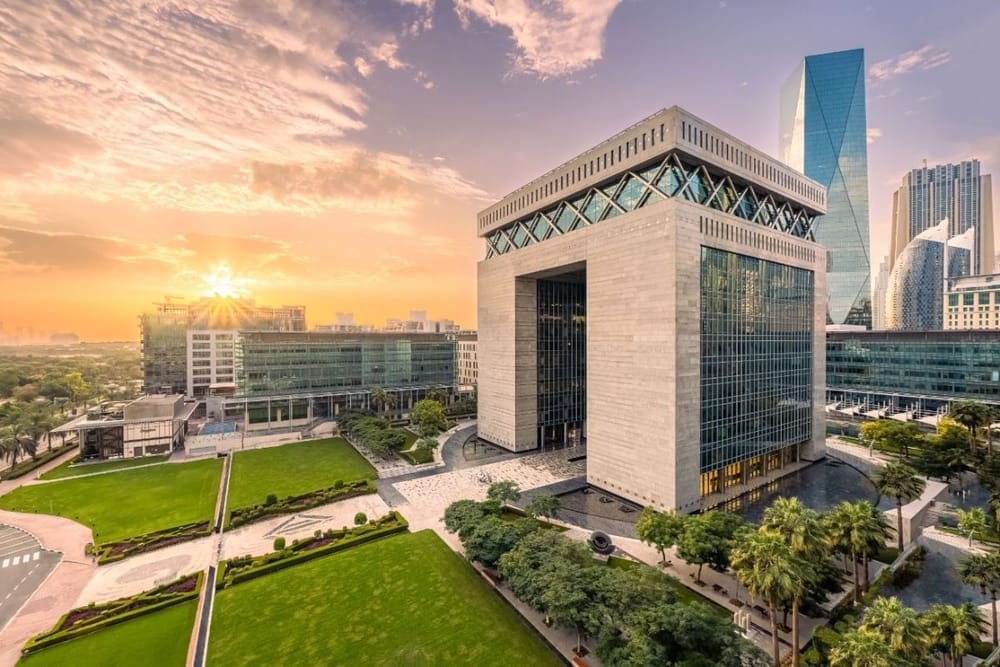
As Dubai's commercial scene heats up, certain districts stand out for their blend of accessibility, amenities, and growth potential. Here's a rundown of the top spots for offices in 2026, each offering unique advantages:
- Business Bay: This modern hub next to Downtown Dubai leads with 1,343 ready office sales in 2025. It's ideal for visibility and connectivity, with metro access and proximity to Dubai Canal. Average rents: AED 190-260 per sq ft. Perfect for consultancies and SMEs.
- DIFC (Dubai International Financial Centre): The finance epicenter, with over 7,700 active businesses and 1,081 new registrations in H1 2025. It boasts premium Grade A spaces and is set to add 7 million sq ft by 2030. Rents hit AED 280-380 per sq ft, with vacancy under 5 percent. Suited for banking and asset management.
- Downtown Dubai: Prestigious and central, home to Burj Khalifa. It commands top rents at AED 280-380 per sq ft, with sales prices over AED 5,000 per sq ft. Great for corporate HQs seeking brand elevation.
- Jumeirah Lakes Towers (JLT): Affordable and community-focused, with 920 office sales in 2025. Rents: AED 160-210 per sq ft. Popular for startups and tech firms due to networking vibes.
- Dubai Silicon Oasis: Emerging for tech and innovation, with 200 ready sales last year. It's cost-effective for digital businesses, blending free zone perks with suburban calm.
These districts highlight how location aligns with industry needs, giving firms a tailored edge.
(Source: Knight Frank, Cavendish Maxwell)
Benefits of Having an Office in Popular Locations
Choosing a spot in Dubai's hotspots delivers tangible gains. Here's a list of key benefits that make these areas a smart play:
- Enhanced Networking Opportunities: Being in districts like DIFC or Business Bay puts you amid clusters of similar businesses. This fosters partnerships and referrals; think spontaneous meetings at nearby cafes that lead to deals. Studies show proximity boosts collaboration by 20 percent.
- Improved Talent Retention and Attraction: Employees love convenient commutes and amenities. Offices in JLT or Downtown offer metro links and lifestyle perks, reducing turnover. With Dubai's talent pool growing, this gives a hiring advantage.
- Boosted Brand Visibility: A prestigious address signals success. Clients associate DIFC with finance excellence, enhancing credibility. This can increase client trust and revenue potential.
- Access to Infrastructure and Logistics: Prime spots near airports and ports streamline operations. For example, Dubai South's logistics focus cuts shipping times, vital for e-commerce.
- Cost Efficiencies Over Time: While initial rents are higher, benefits like higher productivity offset costs. Flexible leases in free zones add value.
- Regulatory and Tax Perks: Free zones offer 0 percent tax on qualifying income, simplifying setups. This attracts international firms, creating a vibrant ecosystem.
- Sustainability and Innovation Edge: Modern buildings in these areas feature green tech, appealing to ESG-focused partners.
These perks turn location into a growth driver, not just an expense.
Office location strategy in Dubai is no longer a background decision. It is a forward-facing choice that shapes how businesses are perceived and how they perform.
In a city defined by ambition and opportunity, the right address can open doors, attract talent, and accelerate growth. Businesses that recognise this shift and act on it will find themselves better positioned in Dubai’s next phase of economic expansion.
Also Read:
 Ummulkiram Pardawala
 Umema Arsiwala
 Ummulkiram Pardawala
 HiDubai Newswire