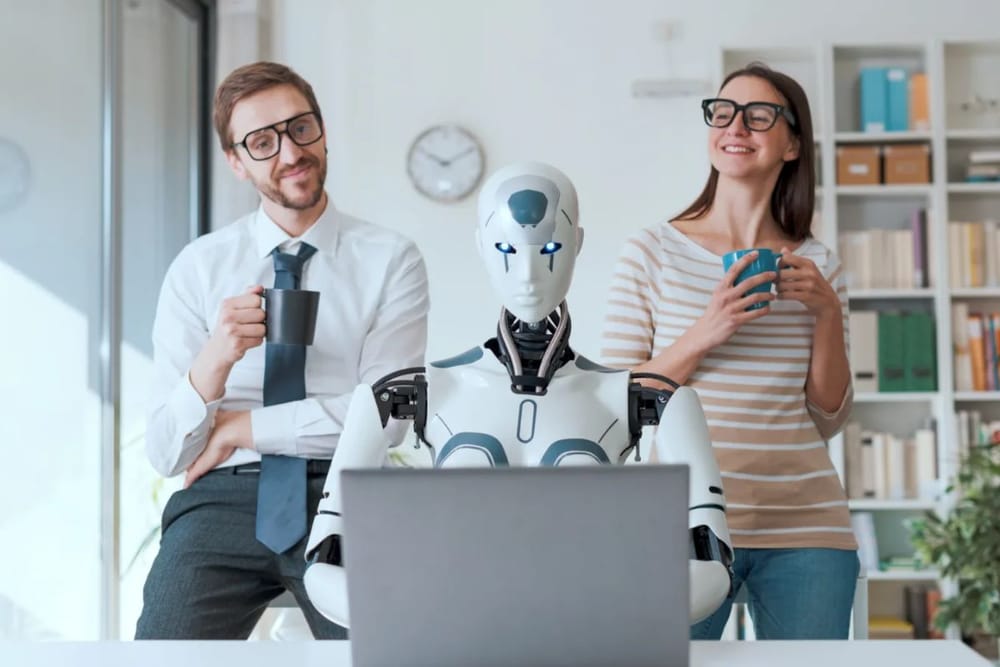
In today's fast-paced workplaces, artificial intelligence has become a game-changer. From automating routine tasks to providing instant insights, AI tools are transforming industries and boosting productivity like never before. In marketing, algorithms can predict consumer behaviour with remarkable accuracy. In healthcare, AI assists in diagnosing conditions faster than humans alone could manage. Even in creative fields like design, generative tools produce ideas at the click of a button. Companies report efficiency gains of up to 40 per cent, allowing teams to focus on high-value work rather than mundane chores. This shift frees up time for innovation and strategic thinking, making jobs more fulfilling for many.
Yet this reliance on AI brings a subtle danger. As we lean more on machines to handle the heavy lifting, our own skills might start to fade. Think about it: when AI drafts emails, analyses data or codes software, we risk forgetting how to do these things ourselves. The convenience is undeniable, but it could lead to a loss of expertise over time. Professionals who once honed their craft through repetition now find themselves outsourcing core abilities to algorithms. This erosion isn't immediate, but it creeps in, much like how a muscle weakens without exercise.
The question lingers: AI can make your job easier, but will it also make you rusty? In an era where technology evolves rapidly, maintaining sharp skills is crucial. Over-reliance might not just stall personal growth; it could jeopardise career resilience in a world where human ingenuity still sets us apart. This article explores how to navigate this balance.
Delve into the risks of skill erosion, strategies for human-AI collaboration and practical tips to stay ahead.
Why Skill Erosion is a Real Risk
Skill erosion happens when we stop practising essential abilities because AI takes over. In writing, for instance, tools like grammar checkers and content generators can produce polished text quickly. Over time, writers might lose their flair for crafting original sentences or spotting nuances. In data analysis, AI dashboards crunch numbers effortlessly, but analysts could forget how to interpret raw data or spot anomalies manually. Coding follows a similar pattern: developers who rely on AI to write code might struggle with debugging or understanding underlying logic. Problem-solving suffers too, as AI offers ready solutions without forcing us to think through challenges step by step.
This process mirrors muscle atrophy in the body. Just as unused muscles weaken and shrink, skills deteriorate without regular use. The brain adapts to efficiency, but it also forgets pathways built through effort. Research shows that repeated practice strengthens neural connections, while delegation to tools can dull them.
Certain industries face higher risks. In marketing, AI handles campaign optimisation, potentially eroding strategists' intuition for audience trends. Journalism sees reporters using AI for fact-checking or summarising, which might blunt investigative instincts. Customer service relies on chatbots for queries, risking agents' loss of empathy in handling complex interactions. Coding, perhaps most vulnerable, involves programmers who might lean on AI for entire scripts, forgetting foundational principles. Across these fields, the convenience of AI could create a workforce skilled at prompting machines but less adept at core tasks.
Striking the Right Balance: Human + AI Collaboration
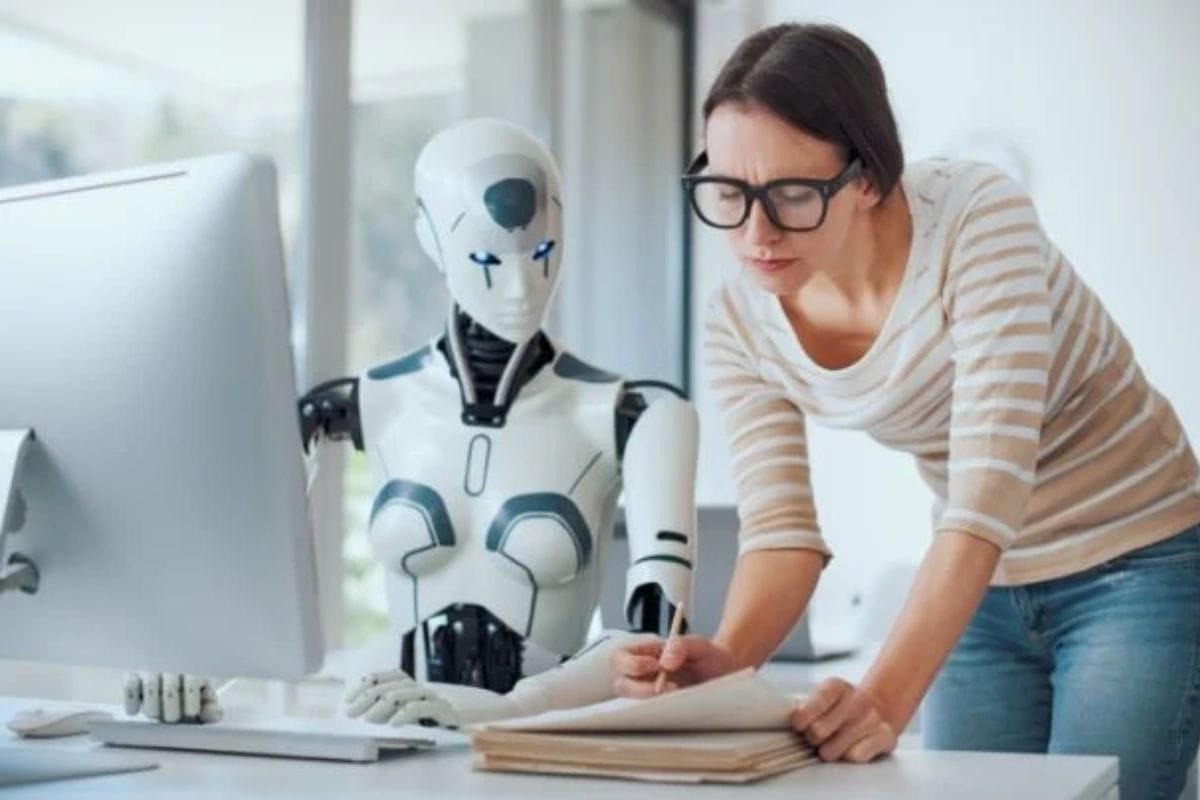
To avoid pitfalls, view AI as a tool rather than a replacement. It excels at speed and scale, but humans bring depth and context. The ideal setup is collaboration, where AI handles repetitive elements and you focus on oversight.
Learn alongside AI instead of letting it do everything. Use it to explore ideas or generate drafts, then refine them with your expertise. This approach builds understanding rather than dependence. For example, study how AI arrives at suggestions to improve your own methods.
Emphasise areas where human strengths shine. Creativity involves imagining novel solutions that AI, bound by patterns in data, cannot replicate. Judgment requires ethical considerations and real-world nuance beyond algorithms. Empathy in roles like counselling or sales builds trust that machines struggle to match. By prioritising these, you ensure AI complements your work without overshadowing it.
Practical Strategies to Keep Your Skills Sharp
Here are five actionable ways to maintain your edge while using AI.
Practice Manually. Set aside time to tackle tasks without AI. Write a report from scratch or analyse data using basic tools. This reinforces fundamentals and keeps your abilities active.
Audit Your Work. Always scrutinise AI outputs. Question assumptions, check for errors and edit for accuracy. This critical review hones your judgment and prevents blind acceptance.
Upskill Constantly. Pursue training in skills AI handles poorly, such as strategic thinking or emotional intelligence. Online courses or workshops can help you stay ahead.
Teach Others. Explain concepts to colleagues or mentees. Articulating knowledge deepens your mastery and reveals gaps in understanding.
Challenge Yourself. Treat AI as a sparring partner. Generate ideas manually first, then compare with AI suggestions to spark improvement.
Examples Across Professions

Professionals in various fields can apply these principles effectively.
For writers, start by drafting articles or emails manually. Use AI afterwards to suggest edits or synonyms, blending your voice with its efficiency.
Analysts should derive initial insights from data sets without tools. Run AI reports later to validate findings, ensuring you grasp the basics.
Designers benefit from sketching concepts by hand or brainstorming freely. Enhance designs with AI for variations, preserving creative control.
Programmers can code small modules on their own before seeking AI optimisation. This builds proficiency in logic and troubleshooting.
The Future of Work: Skill as a Differentiator
AI democratises access to advanced capabilities, levelling the playing field for smaller teams and newcomers. Yet it also elevates expectations, demanding more from workers.
Those who succeed will integrate AI's speed with robust core skills. Efficiency alone won't suffice; depth in problem-solving and innovation will stand out.
Ultimately, human adaptability and creativity endure as unique assets. Machines predict patterns, but people navigate uncertainty and invent breakthroughs.
Remember, AI exists to empower you, not to take your place. It amplifies potential when used thoughtfully. Take charge today: do not outsource your growth. Stay sharp, stay human and thrive in this evolving landscape.
Also Read:
 Umema Arsiwala
 Shahba Mayyeri
 Shahba Mayyeri
 Shahba Mayyeri
 Shahba Mayyeri