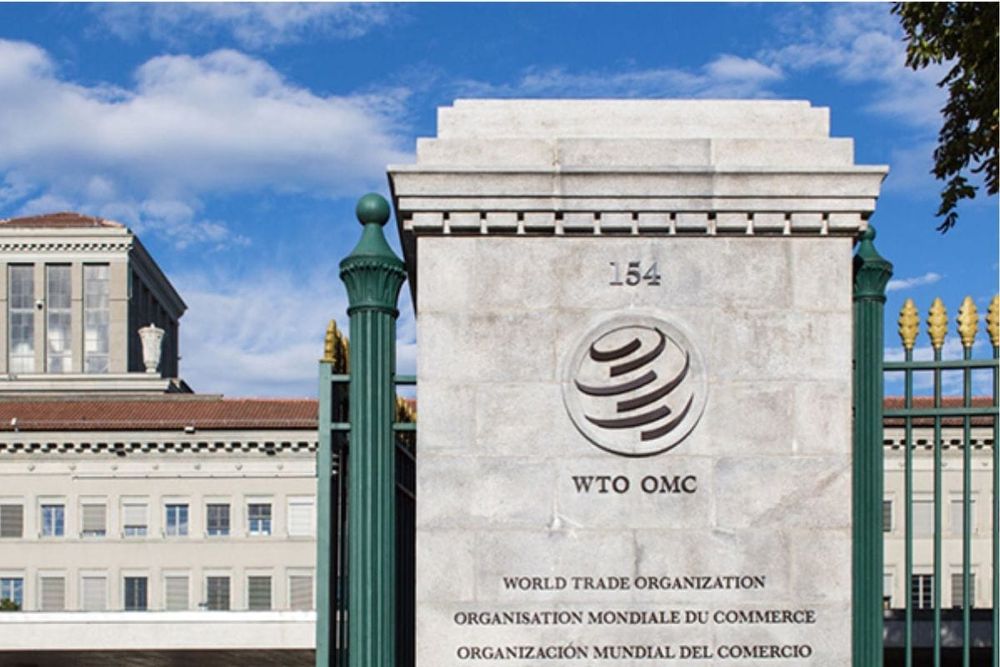
Artificial intelligence could transform the future of international trade, potentially increasing the value of cross-border goods and services by almost 40 percent by 2040, according to the World Trade Report 2025 released by the WTO Secretariat.
The report highlights that the scale of gains will depend on policies that close the digital divide, strengthen workforce skills, and ensure open and predictable trade environments.
The study forecasts global trade rising by 34 to 37 percent under varying scenarios of technological adoption and policy support, while global GDP could expand by 12 to 13 percent. Trade itself is expected to be a driver of inclusive AI-powered growth, providing access to essential inputs such as semiconductors and raw materials, which already represented USD 2.3 trillion in global trade in 2023.
WTO Director-General Ngozi Okonjo-Iweala stressed AI’s potential to cut trade costs and boost productivity but warned of persistent inequalities in access. She emphasized that “with the right frameworks, trade can play a central role in making AI work for all,” reaffirming the WTO’s commitment to supporting inclusive growth.
For developing and middle-income economies, narrowing the digital infrastructure gap with advanced economies by 50 percent could result in income gains of up to 15 percent, the report notes. However, barriers remain: quantitative restrictions on AI-related goods have risen sharply from 130 in 2012 to nearly 500 in 2024, while tariffs in some low-income economies reach as high as 45 percent.
The report calls for greater investment in education and training to prevent inequality within economies, and urges members to broaden commitments under WTO agreements to make AI technologies more affordable and accessible worldwide.
News Source: Emirates News Agency