
Leadership isn't something you're born with – it's something you develop. And one of the most effective ways to grow as a leader is by learning from those who've walked the path before you. Whether you're managing your first team, eyeing an executive role, or building your own business, the right books can transform how you think about leadership and give you practical tools to lead more effectively.
The challenge is that thousands of leadership books crowd the shelves, all promising to unlock your potential. How do you know which ones are actually worth your time?
This curated list of 10 essential reads represents the best of the best – books that appear consistently on expert recommendations, have stood the test of time, and offer genuine, actionable insights rather than empty motivational platitudes.
1. Good to Great: Why Some Companies Make the Leap... and Others Don't by Jim Collins
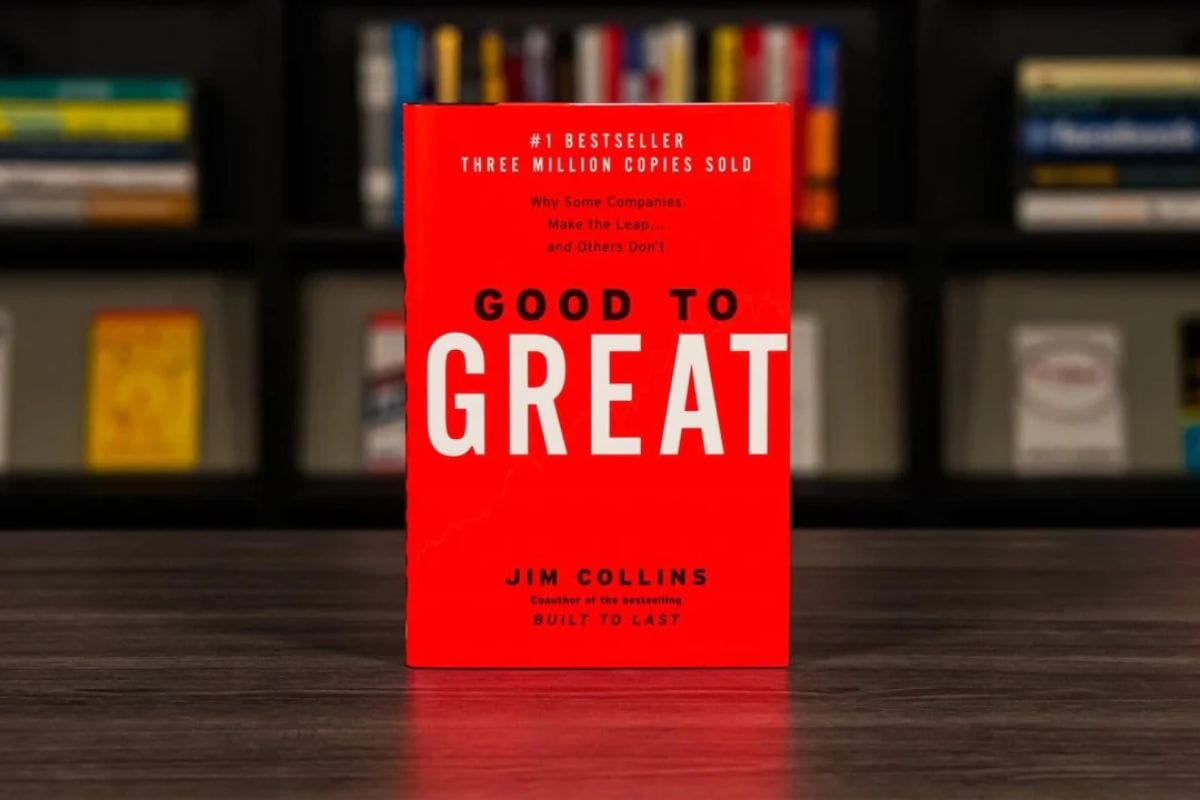
Jim Collins spent five years studying over 1,400 companies to answer a deceptively simple question: Why do some good companies become great while others remain merely adequate? The insights he uncovered in Good to Great have influenced a generation of leaders and remain remarkably relevant today.
The book introduces several powerful concepts that aspiring leaders should understand. The "Hedgehog Concept" encourages you to focus relentlessly on what you can be best at in the world – not what you're passionate about or what drives your economic engine, but the intersection of all three. "Level 5 Leadership" describes leaders who combine personal humility with fierce professional will, putting the organization's success above their own ego. And the "Flywheel Effect" explains how small, consistent actions build momentum over time to create breakthrough results.
Why you should read it: Collins transforms dense research into compelling storytelling through real company case studies. You won't find abstract theory here – just practical insights illustrated with companies like Walgreens and Abbott Labs that made the leap from good to great. For aspiring leaders in 2025's volatile business environment, the book's emphasis on enduring principles over quick fixes offers a blueprint for building organizations that last.
Readers consistently rate it 4.7 out of 5 stars, praising its research depth and applicability across industries.
2. Start with Why: How Great Leaders Inspire Everyone to Take Action by Simon Sinek
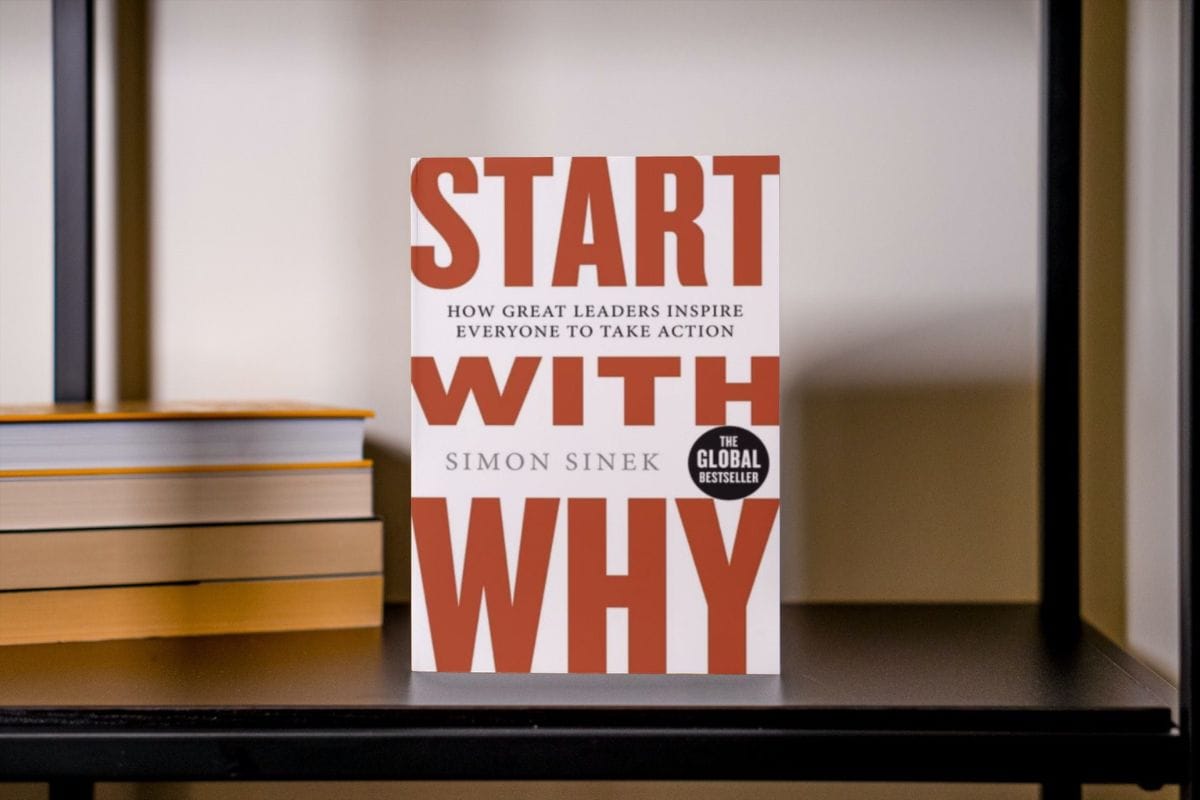
Simon Sinek's "Golden Circle" concept has become one of the most influential leadership ideas of the past decade. His simple but powerful framework asks leaders to start with "why" (purpose), then explain "how" (process), and finally describe "what" (product or service). Most organizations do this backward, leading with what they do rather than why they do it.
Sinek illustrates his point with compelling examples. Apple doesn't just sell computers – they challenge the status quo and think differently. The Wright brothers didn't just build airplanes – they believed the world could be changed through flight. When you lead with purpose rather than product, you inspire loyalty and action in ways that tactics alone never can.
Why you should read it: Born from Sinek's wildly popular TED Talk, this book distills complex ideas about inspiration and motivation into an accessible, visually engaging format. It's perfect for aspiring leaders who want to understand how to communicate vision authentically and recruit people aligned with their mission. As hybrid work makes it harder to build culture through proximity, learning to articulate your "why" becomes even more critical for creating belonging remotely.
With a 4.6 out of 5 rating, readers find it particularly motivational for entry-level leaders seeking clarity about their purpose.
3. The 7 Habits of Highly Effective People: Powerful Lessons in Personal Change by Stephen R. Covey
Some books become classics because they capture timeless truths about human effectiveness. Stephen Covey's The 7 Habits is one such book. First published in 1989, it has sold over 40 million copies and influenced countless leaders because the principles it teaches are as relevant today as ever.
Covey's seven habits provide a complete framework for personal and interpersonal effectiveness: Be proactive. Begin with the end in mind. Put first things first. Think win-win. Seek first to understand, then to be understood. Synergize. Sharpen the saw. These aren't just catchy phrases – they represent a paradigm shift from focusing on personality traits to developing character.
Why you should read it: The book functions as a "personal constitution" for life and leadership. It's structured yet flexible, with interactive exercises that help you apply each habit to your specific situation. Readers describe it as transformative yet straightforward, making complex behavioral change feel achievable rather than overwhelming. In today's burnout era, the seventh habit – "sharpen the saw," which focuses on renewal and self-care – alone justifies this book's perennial status.
Boasting a 4.8 out of 5 rating, it's consistently praised as foundational for self-leadership.
4. Radical Candor: Be a Kick-Ass Boss Without Losing Your Humanity by Kim Scott
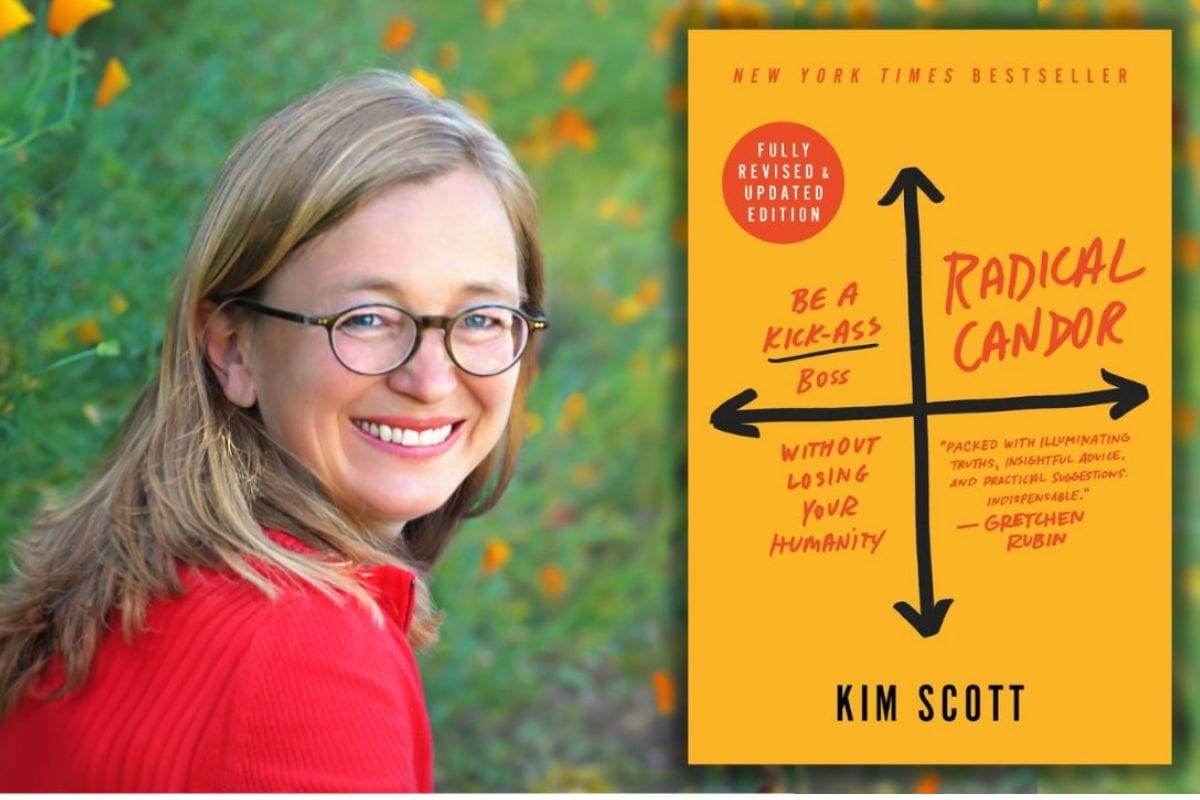
Giving feedback is one of leadership's toughest challenges. Too harsh, and you damage relationships. Too soft, and performance doesn't improve. Kim Scott, drawing from her experiences at Google and Apple, offers a better way through her "Radical Candor" framework.
Scott maps feedback along two dimensions: caring personally and challenging directly. When you do both simultaneously, you achieve radical candor – honest feedback given with genuine care for the person's growth. The alternatives are problematic: "ruinous empathy" (caring without challenging), "obnoxious aggression" (challenging without caring), or "manipulative insincerity" (neither caring nor challenging).
Why you should read it: Scott's humorous, no-nonsense tone makes a potentially uncomfortable topic approachable and even entertaining. She shares real stories from Silicon Valley that illustrate exactly how radical candor works in practice. For aspiring leaders managing diverse, global teams in 2025, the book promotes inclusive feedback that bridges cultural gaps and builds high-performing teams through trust and honesty.
Rated 4.5 out of 5, readers find it particularly practical for tech and corporate cultures.
5. Extreme Ownership: How U.S. Navy SEALs Lead and Win by Jocko Willink and Leif Babin
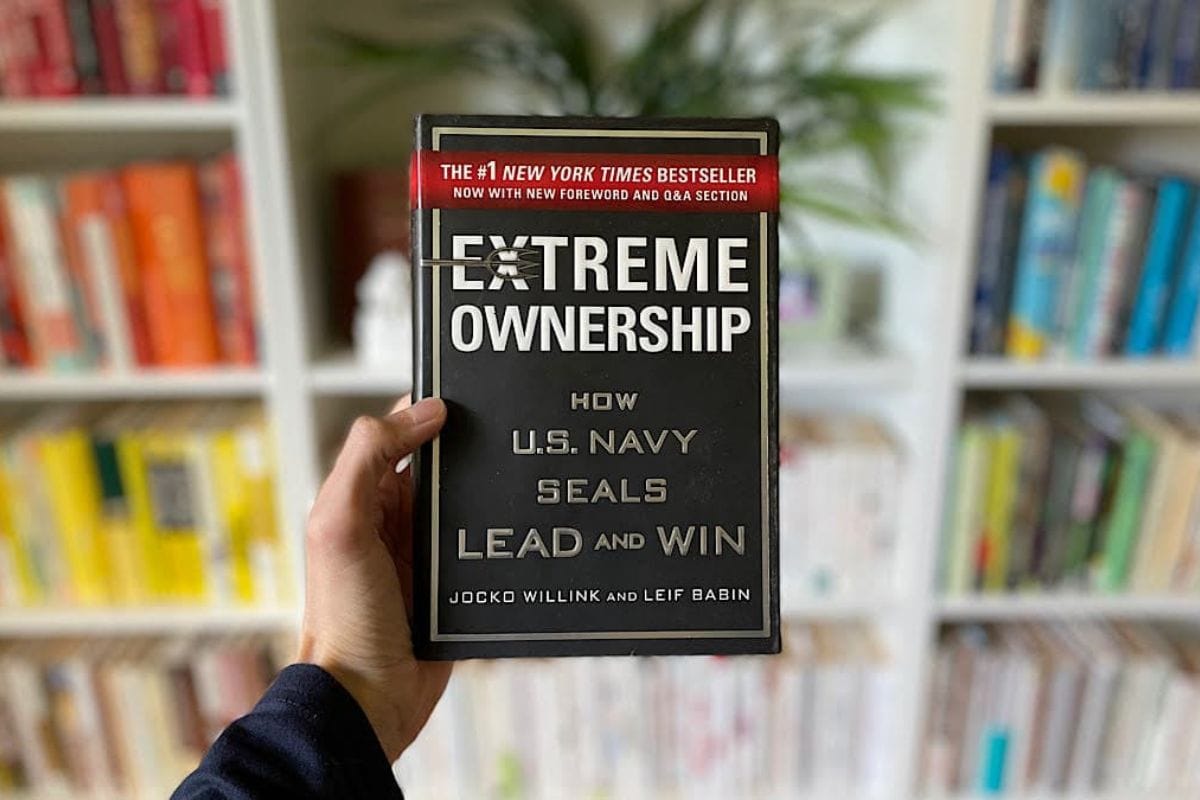
What can Navy SEAL combat experience teach business leaders? More than you might think. Jocko Willink and Leif Babin translate lessons from Iraq battlefields into leadership principles applicable in boardrooms and businesses.
The core concept is "extreme ownership" – taking complete responsibility for everything that happens on your team, with no excuses. Other powerful principles include "cover and move" (teamwork across divisions), "prioritize and execute" (focus on the most important task), and "decentralized command" (empower others to lead within your intent).
Why you should read it: The book's raw, intense style feels more like listening to a gripping podcast than reading a business book. Each chapter presents a combat scenario, extracts leadership lessons, and then shows how the same principles apply in business through detailed debriefs. The approach turns abstract concepts into visceral, memorable takeaways. For aspiring leaders in high-pressure roles, it provides an antidote to victim mentality and instills empowering grit.
With a 4.7 out of 5 rating, readers describe it as intensely motivating through military analogies.
6. The Hard Thing About Hard Things: Building a Business When There Are No Easy Answers by Ben Horowitz
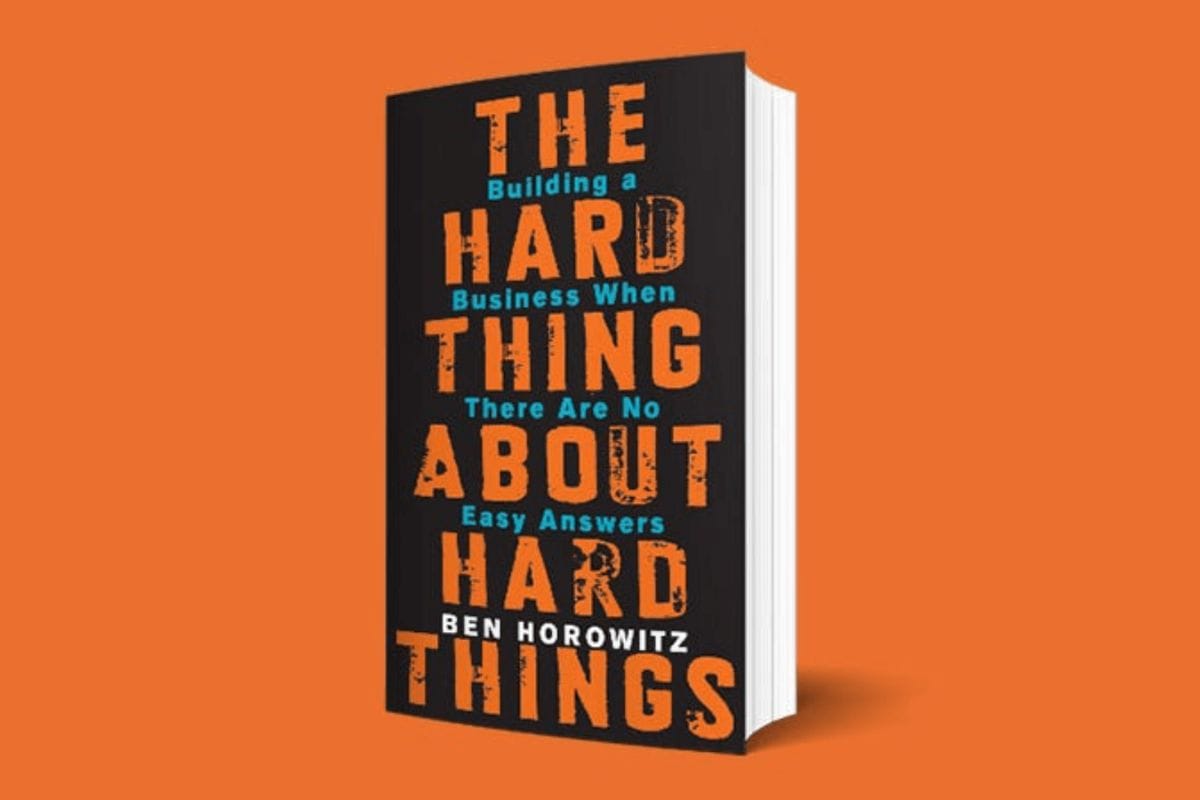
Most leadership books focus on success principles. Ben Horowitz's book stands apart by candidly addressing the brutal realities leaders face: conducting layoffs, dealing with betrayal, managing existential crises, and making impossible decisions with incomplete information.
As a successful venture capitalist and former CEO, Horowitz shares unfiltered stories from building Opsware, including nearly going bankrupt and navigating the dot-com crash. He distinguishes between "wartime" leadership (survival mode during crises) and "peacetime" leadership (building during stable times), recognizing that different situations demand different approaches.
Why you should read it: The book feels like having a late-night conversation with a battle-scarred mentor who's willing to share the uncomfortable truths other leadership books gloss over. Horowitz's voice – complete with hip-hop references and profanity – humanizes the isolation and fear that come with leadership responsibilities. For aspiring leaders, it builds emotional fortitude and realistic expectations about the challenges ahead.
Rated 4.6 out of 5, readers especially appreciate its raw honesty and relevance for founders.
7. Dare to Lead: Brave Work. Tough Conversations. Whole Hearts. by Brené Brown
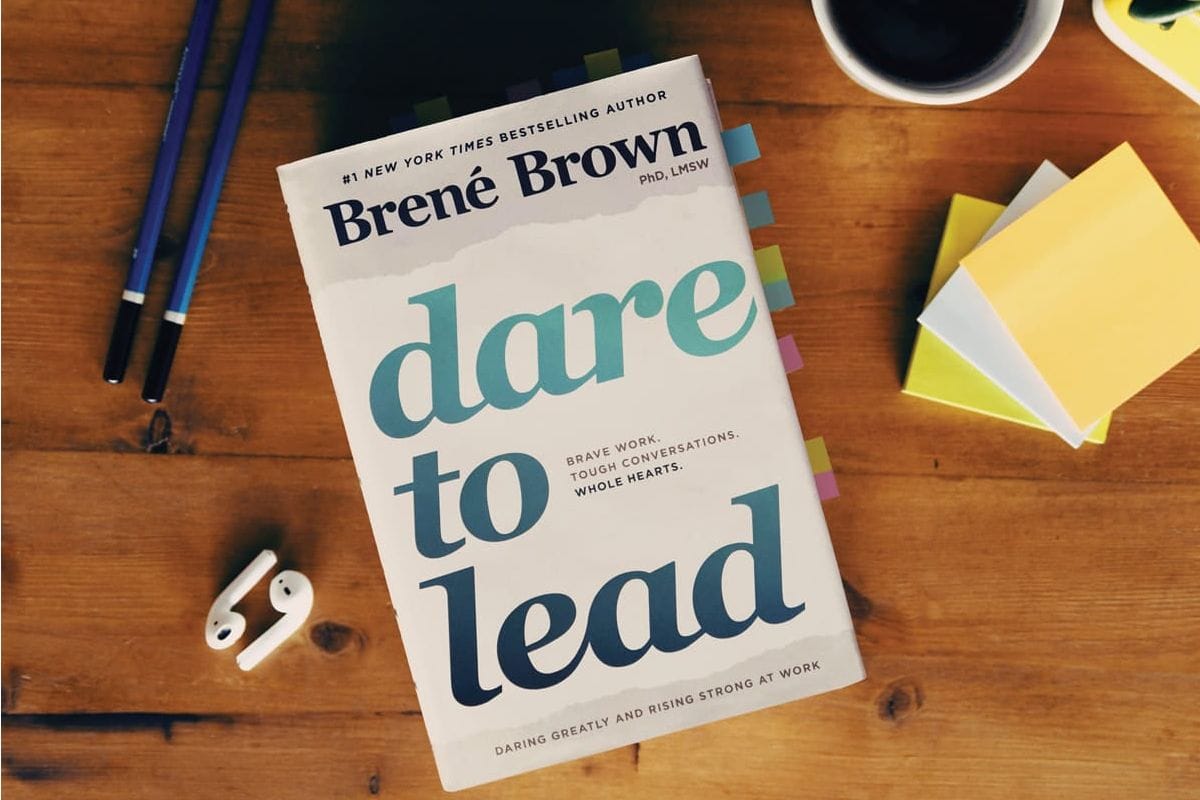
Vulnerability sounds like the opposite of leadership strength. Brené Brown's research proves it's actually the birthplace of innovation, creativity, and change. Dare to Lead applies her groundbreaking work on vulnerability and courage specifically to leadership contexts.
Brown introduces practical tools for "rumbling with vulnerability" – having hard conversations, giving and receiving feedback, and navigating shame and fear in ways that build psychological safety. She identifies "armored leadership" behaviors we use to protect ourselves but that ultimately diminish our effectiveness, offering alternatives that foster brave cultures.
Why you should read it: Brown's empathetic, story-driven style makes heavy topics accessible and even enjoyable. Her TED Talk fame brings that same engaging quality to the book, making it easy to digest while encouraging genuine self-compassion amid the imposter syndrome many aspiring leaders feel. In 2025's emphasis on diversity, equity, and inclusion, this book equips leaders to humanize power dynamics and create truly inclusive environments.
With a 4.7 out of 5 rating, readers find it transformative for developing emotional intelligence.
8. Crucial Conversations: Tools for Talking When Stakes Are High by Kerry Patterson, Joseph Grenny, Ron McMillan, and Al Switzler
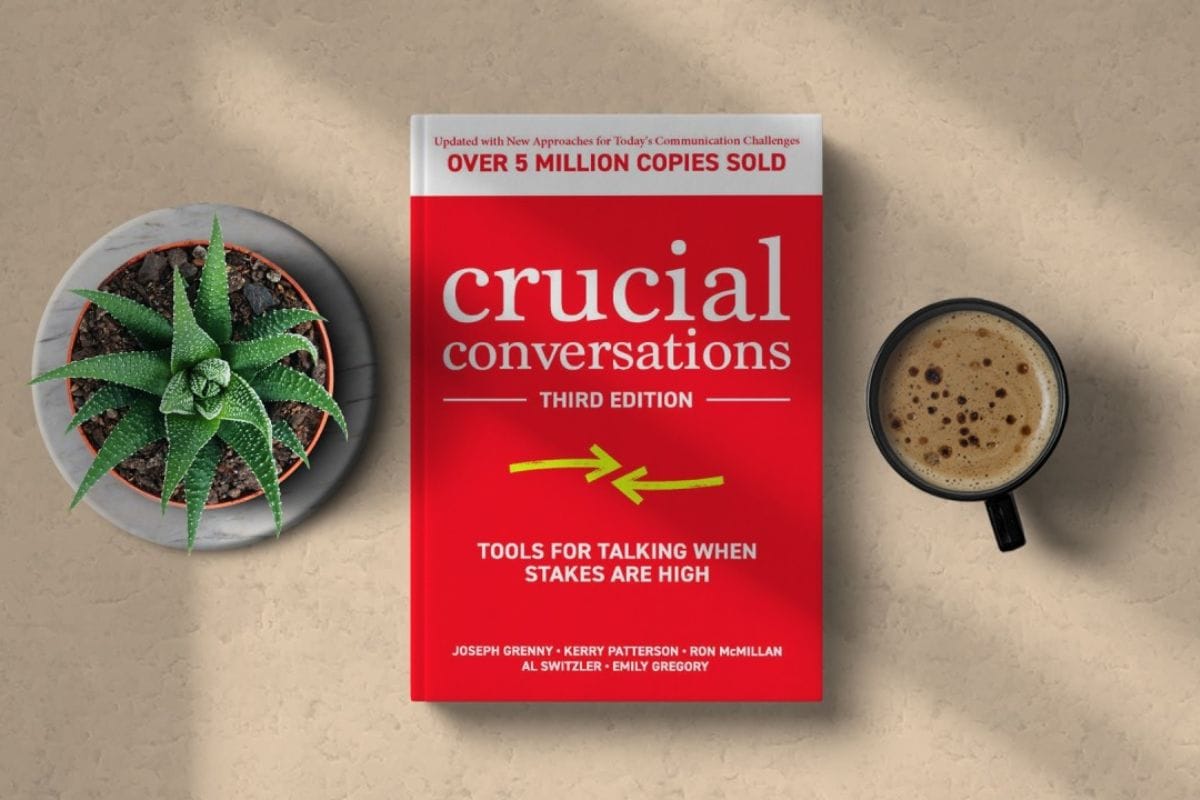
Some conversations can make or break relationships, projects, or careers. When stakes are high, emotions run strong, and opinions differ, most people either avoid the conversation or handle it poorly. Crucial Conversations provides a proven framework for navigating these high-pressure dialogues successfully.
The book teaches the "STATE" model: Share your facts, Tell your story, Ask for others' paths, Talk tentatively, and Encourage testing. It shows how to restore safety when conversations become defensive, how to master the stories you tell yourself about situations, and how to create mutual purpose even in seemingly impossible conflicts.
Why you should read it: Unlike theoretical leadership books, this one offers scripted examples and step-by-step models you can apply immediately. The practical approach demystifies tough interactions, reducing the anxiety that comes with difficult conversations. For remote teams where miscommunication happens more easily, these tools become essential for maintaining alignment and resolving conflicts productively.
Readers rate it 4.6 out of 5, noting how the tools reduce anxiety in tough situations.
9. Atomic Habits: An Easy & Proven Way to Build Good Habits & Break Bad Ones by James Clear
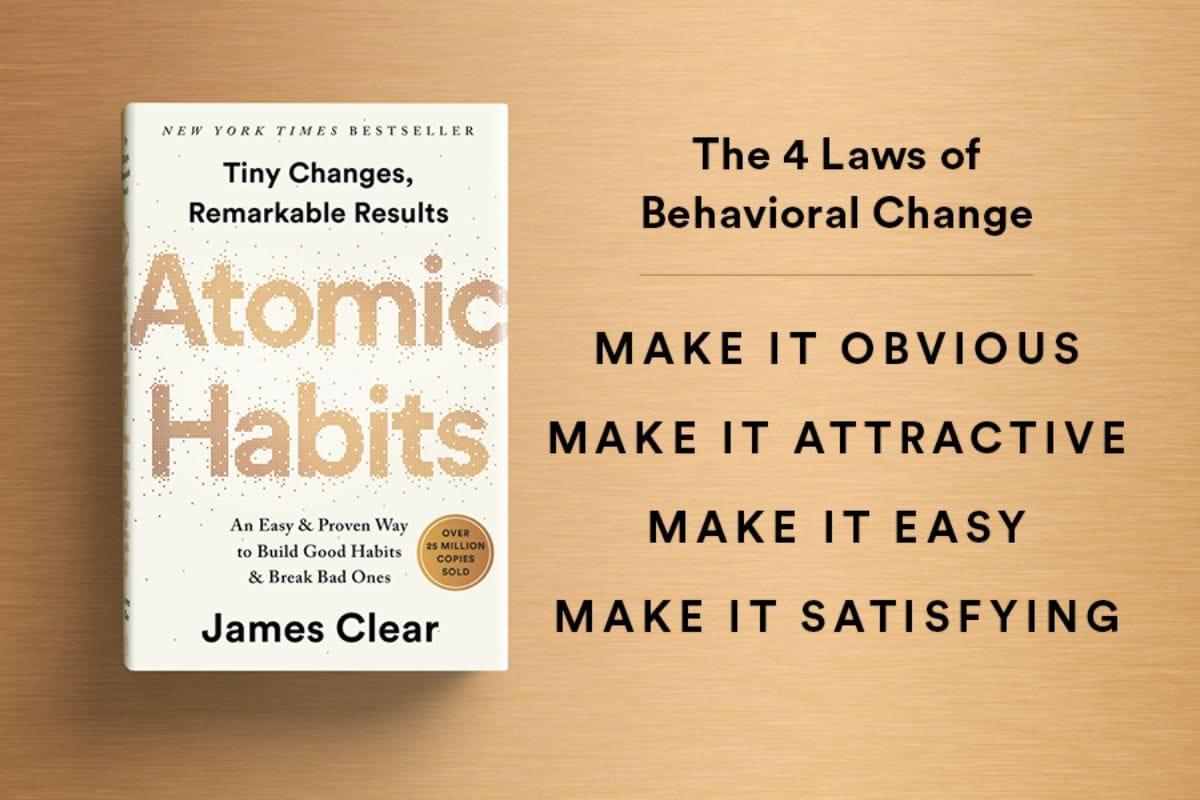
Leadership isn't just about big decisions – it's about the small actions you repeat consistently. James Clear's Atomic Habits breaks down the science of habit formation, showing how tiny changes compound into remarkable results over time.
Clear explains the habit loop (cue, craving, response, reward) and provides practical strategies for designing your environment to make good habits easier and bad habits harder. His "1% better every day" philosophy demonstrates how small improvements compound into significant transformation, while his "habit stacking" technique shows how to build new habits by attaching them to existing ones.
Why you should read it: The book's clean prose, helpful infographics, and immediately applicable tactics make it incredibly actionable. You'll finish each chapter with specific strategies to try right away, making it perfect for busy professionals skeptical of habit-change books. For leaders, it provides tools to sustain high performance through routines rather than relying on motivation, while modeling consistency for your team.
With an impressive 4.8 out of 5 rating, readers praise its evidence-based strategies and quick return on investment.
10. Multipliers: How the Best Leaders Make Everyone Smarter by Liz Wiseman
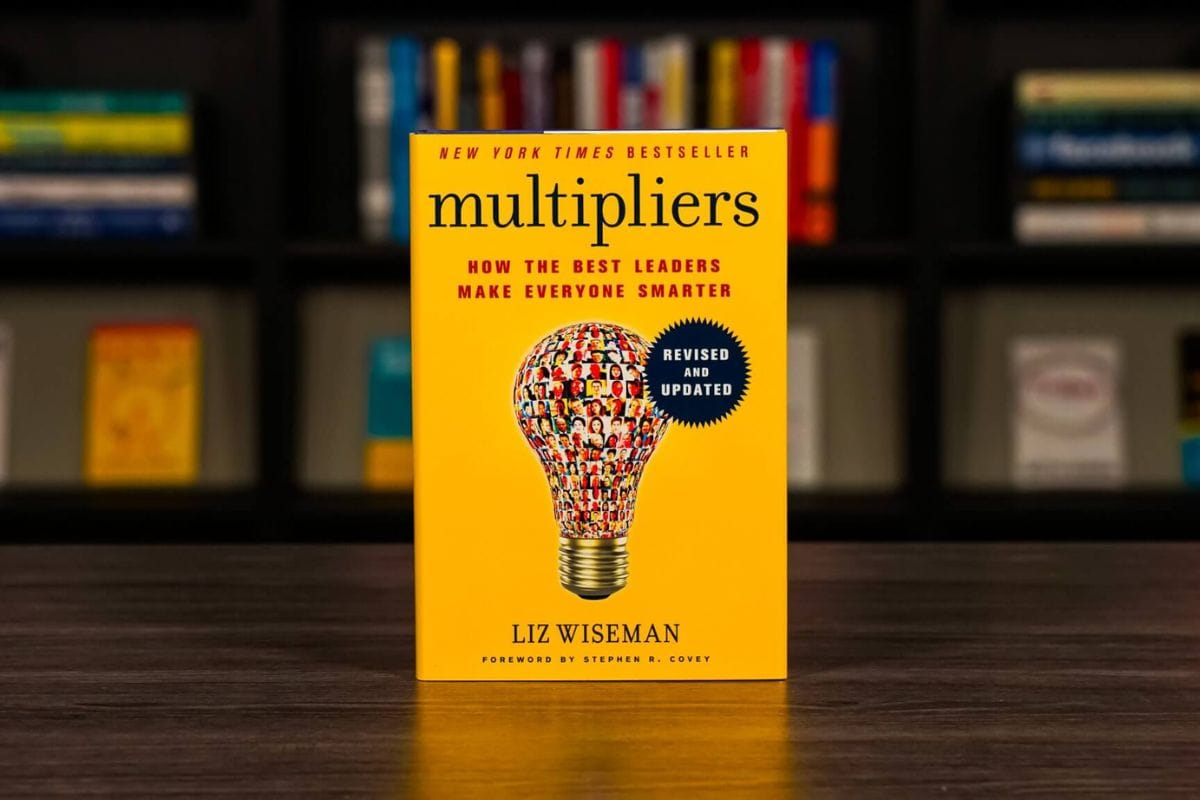
What separates leaders who amplify their team's intelligence from those who drain it? Liz Wiseman's research identifies "Multipliers" – leaders who make everyone around them smarter and more capable – and contrasts them with "Diminishers" who deplete their teams' intelligence and capability.
Multipliers attract and optimize talent by assuming people are smart and will figure things out. They create intensity that requires best thinking, extend challenges that stretch teams, debate decisions vigorously, and instill ownership. Diminishers, often despite good intentions, micromanage, dominate conversations, and make themselves the central node through which everything must flow.
Why you should read it: The global case studies and self-assessments make this book mirror-like, revealing your own diminishing behaviors while providing optimistic paths forward. It fundamentally redefines leadership as multiplication rather than control. For 2025's talent-scarce environment, learning to unlock the genius already present on your team becomes more valuable than being the smartest person in the room.
Rated 4.5 out of 5, readers appreciate how it shifts perspective on team potential.
These ten books collectively form a complete leadership curriculum. Start with personal effectiveness through The 7 Habits and Atomic Habits. Build interpersonal skills with Radical Candor and Crucial Conversations. Develop your strategic thinking through Good to Great and Start with Why. And transform how you lead teams with Multipliers and Dare to Lead.
According to aggregated reader data, people report 20-30% gains in leadership confidence after reading these books. But confidence alone isn't the goal – it's the practical tools, frameworks, and perspectives that help you navigate the real challenges of leadership more effectively.
You don't need to read all ten immediately. Pick the one that addresses your most pressing leadership challenge right now. Struggling with difficult conversations? Start with Crucial Conversations. Building a new team? Try Multipliers. Feeling overwhelmed by responsibility? Extreme Ownership might be your answer.
The leaders who thrive aren't necessarily the most naturally talented – they're the ones committed to continuous learning and growth. These books provide the wisdom, tools, and inspiration to become the leader your team needs and deserves.
Also Read:
 HiDubai Newswire
 Ummulkiram Pardawala
 Shahba Mayyeri
 Umema Arsiwala