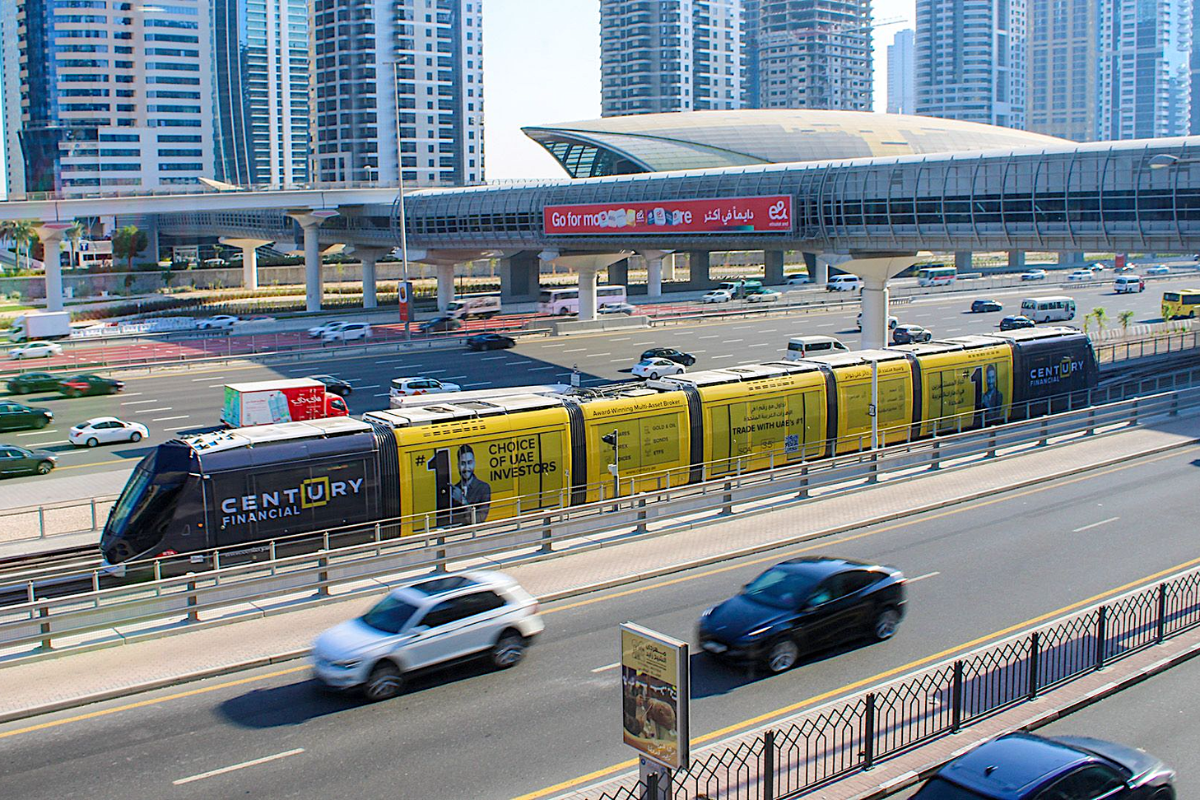
If you’ve lived in Dubai for more than a week, you know the "Hessa Street sigh." It’s that collective breath of resignation taken by thousands of drivers every afternoon as they merge toward the E11. You aren't moving. Your Spotify playlist is on its third loop. You’ve already counted the floors of the Burj Khalifa twice.
In most cities, traffic is a drain. In Dubai, it’s a captive audience with high purchasing power and nowhere to go.
As a marketer, if you’re only thinking about billboards when you hear the word "commute," you’re missing the forest for the trees. The Dubai commute is a multi-sensory, cross-platform journey. It’s the gap between a consumer’s home and their destination where their guard is down, and their phone is out.
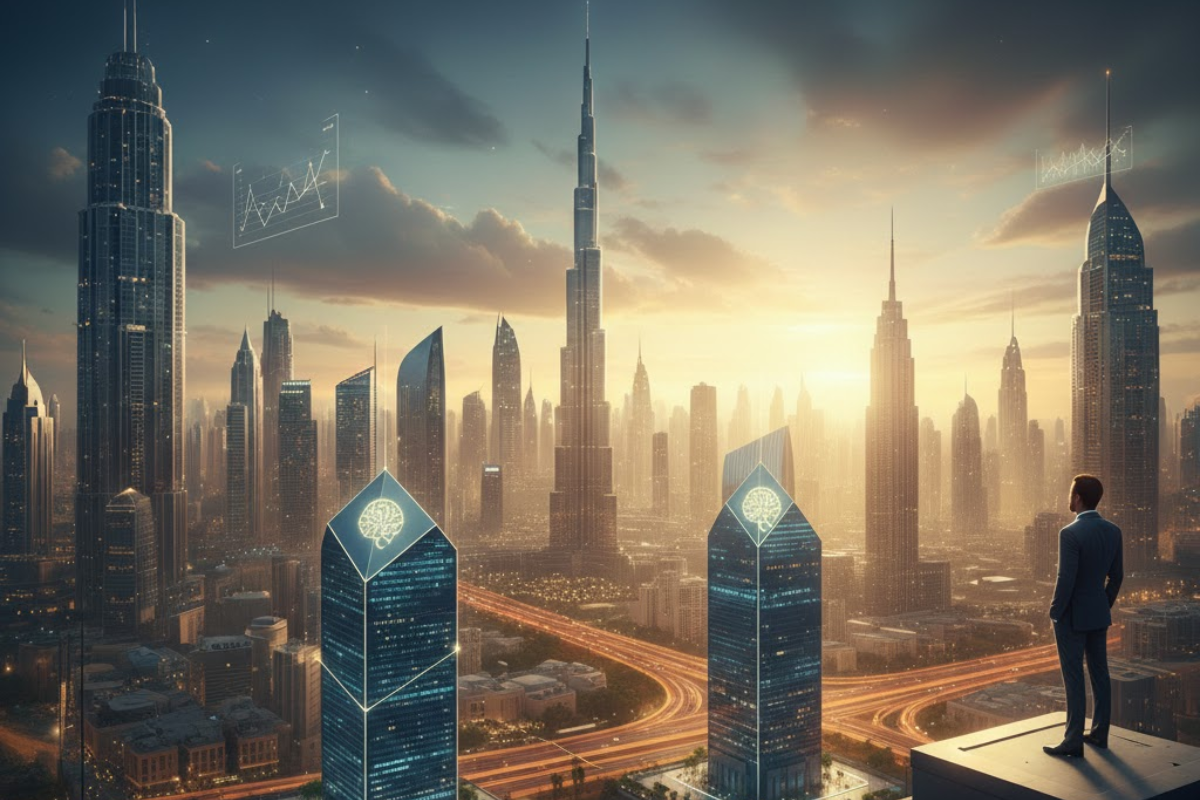
With Dubai’s population surging past 3.6 million and a daily influx of commuters from Sharjah and Abu Dhabi pushing that number even higher during work hours, we aren't just looking at cars on a road. We’re looking at a goldmine.
1. The Psychology of the Captive Audience
Why is a person stuck on Sheikh Zayed Road (SZR) more valuable than someone scrolling Instagram on their couch? It’s simple: The focus vs. distraction ratio.
At home, a user is distracted by family, chores, or the TV. During the commute—whether they are driving, riding in a Careem, or standing on the Metro—they are in a "liminal space." They are looking for a distraction to kill the time.
In Dubai, the commute is long. The average one-way trip can range from 35 to 70 minutes, depending on whether you're navigating the Sharjah-Dubai crawl or trying to exit JLT at 6:00 PM. That is a massive window of time where your brand can move from "I’ve seen this" to "I’m buying this."
2. The Traffic Reality: Timing the Boredom
To win the commute, you have to understand the rhythm of the city. Dubai doesn't just have "rush hour"; it has high-intensity windows where specific demographics are reachable.
- 7:30 AM – 9:30 AM (The Decision Window): This is when the city is caffeinated and goal-oriented. They are thinking about what’s for lunch, what errands they need to run after work, or that service they forgot to book.
- 5:00 PM – 8:00 PM (The Fatigue Window): This is the prime "impulse buy" time. After a long day at the office, the friction for spending money drops. People are hungry, they’re looking for weekend plans, or they’re browsing for retail therapy while sitting in a stagnant line on Al Khail Road.
The Bottleneck Strategy: Instead of a generic city-wide campaign, think about location-specific pain points. If you’re a food delivery app, your most aggressive mobile push notifications should hit geofenced users exactly when they hit the "Hessa Street bottleneck." They are tired, they are hungry, and they know they won't be home for another 45 minutes. That’s not an ad; that’s a solution.
3. The Metro Ecosystem: Not Just for Posters
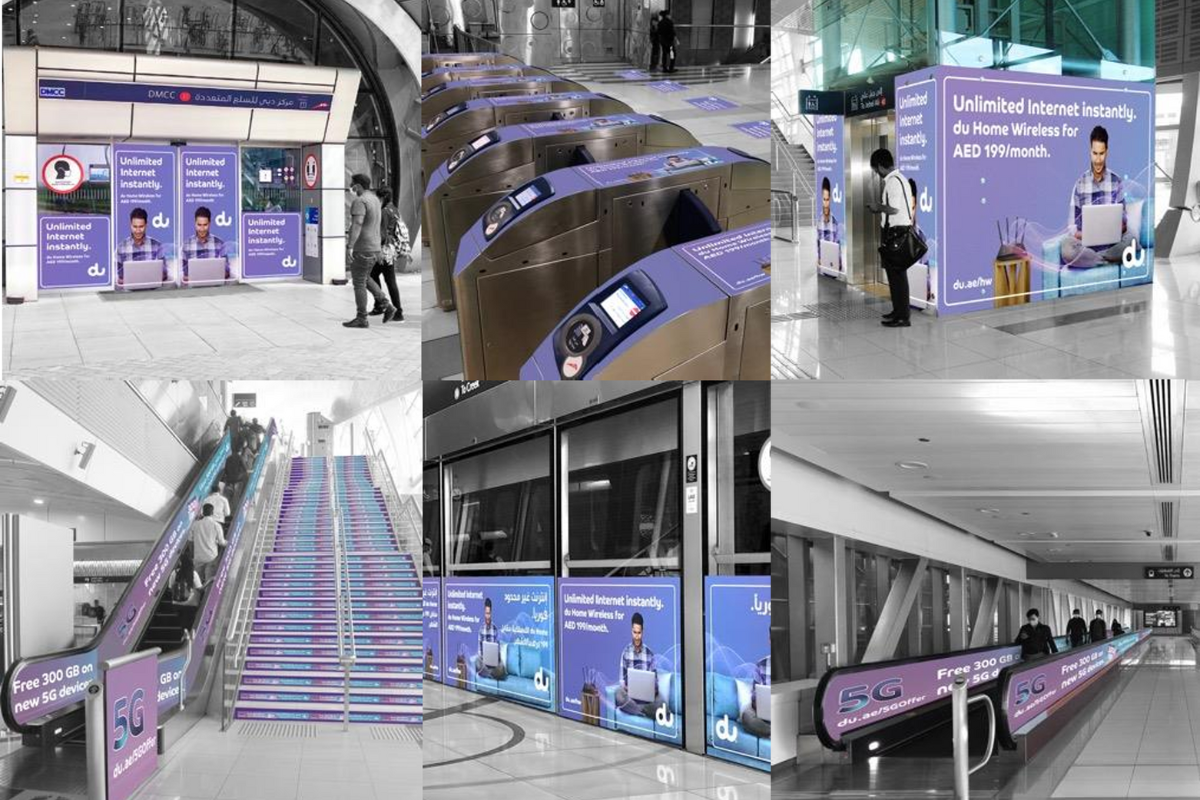
The Dubai Metro is a masterclass in demographic segmentation. With over 200 million riders annually, it’s a cross-section of the city’s soul. But the real trick is moving beyond the static wall sticker.
Gold Class vs. Silver Class
The Metro offers a built-in "premium" filter. Marketing in or near Gold Class cabins (and stations like DIFC or Marina) puts you in front of high-earning professionals.
- The Strategy: Use high-fidelity digital screens for luxury goods, investment platforms, and premium real estate.
- The Tech: Many Metro riders use the free Wi-Fi. Partnering with service providers for "sponsored sessions" or landing page takeovers ensures your brand is the first thing they see when they connect to check their emails.
Hyper-Local Station Targeting
A commuter getting off at Mall of the Emirates is in a different mindset than someone getting off at Internet City.
- Internet City/DIFC: B2B services, productivity apps, and healthy lunch options.
- Onpassive/Al Safa: Home decor, school supplies, and family-oriented services.
- Your creative should reflect the specific destination of that stop.
4. Audio & Digital Intersections: Owning the Airwaves
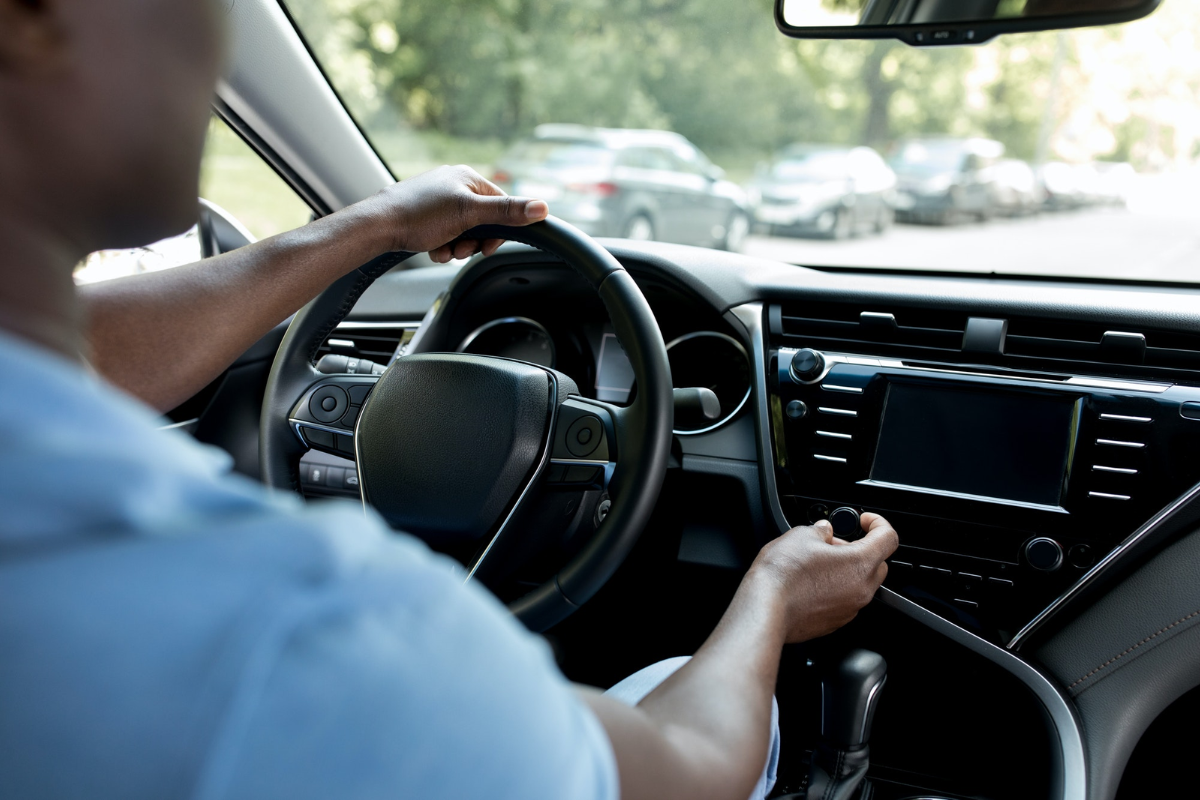
While the Metro is about eyes, the road is about ears. Dubai is a car-heavy city, and the "radio" isn't dead—it’s just evolved.
The Radio/Digital Hybrid
Stations like Virgin Radio or Dubai Eye are the background noise of the SZR commute. However, the real power lies in the Digital Audio space.
- Spotify & Podcasts: Use Spotify Ad Studio to target commuters by "Real-time Context." You can target people listening to "Commute" or "Focus" playlists specifically within Dubai coordinates.
- The Local Hook: Sponsor local podcasts that talk about Dubai life. When a commuter hears a familiar voice talking about the latest brunch spot or real estate trend while they are looking at the very skyline being discussed, the authenticity is unmatched.
5. Moving Beyond Static: Interactive & Tech Integrations
A billboard is a one-way conversation. To truly leverage the commute, you need a feedback loop.
QR Codes and the "Back of Seat" Real Estate
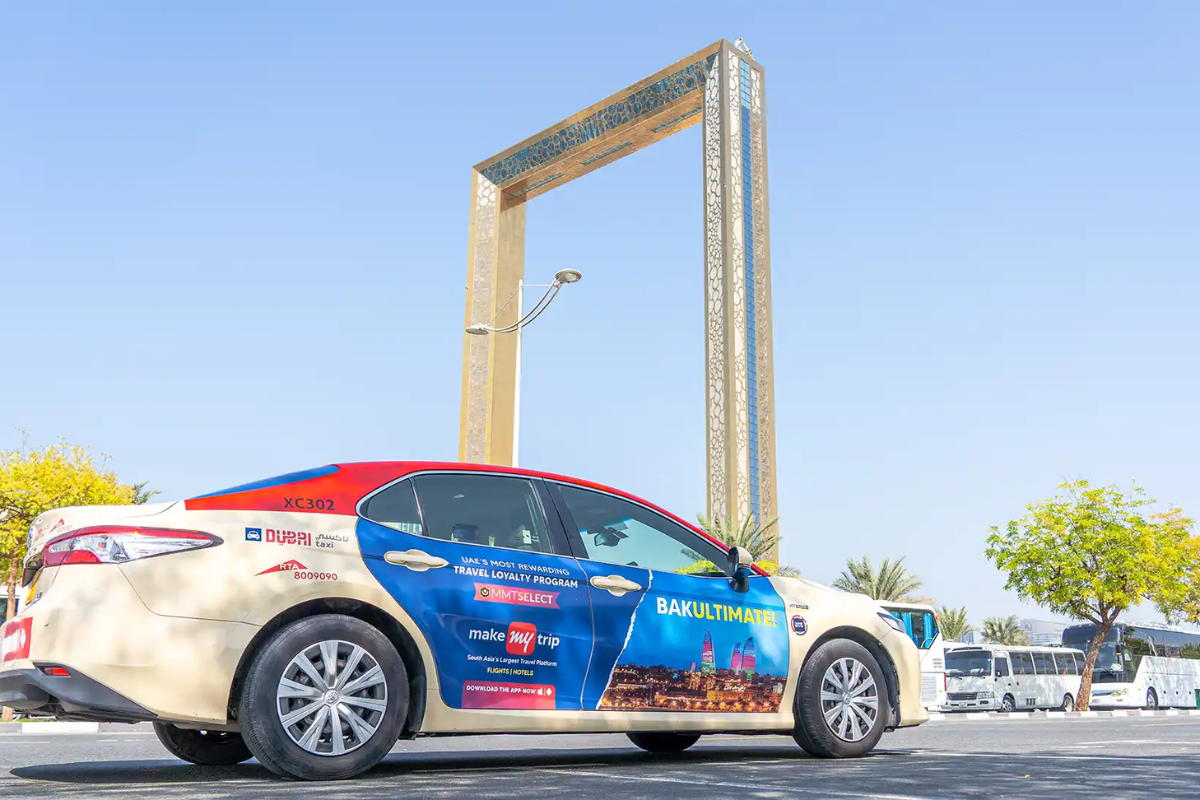
If you’re advertising on the back of a taxi or a shuttle bus, a QR code is your best friend. But don't just link to a homepage. Link to a commuter-only discount.
- Example: "Stuck in traffic? Use code SZR20 for 20% off your grocery delivery before you get home."
Gamification and AR
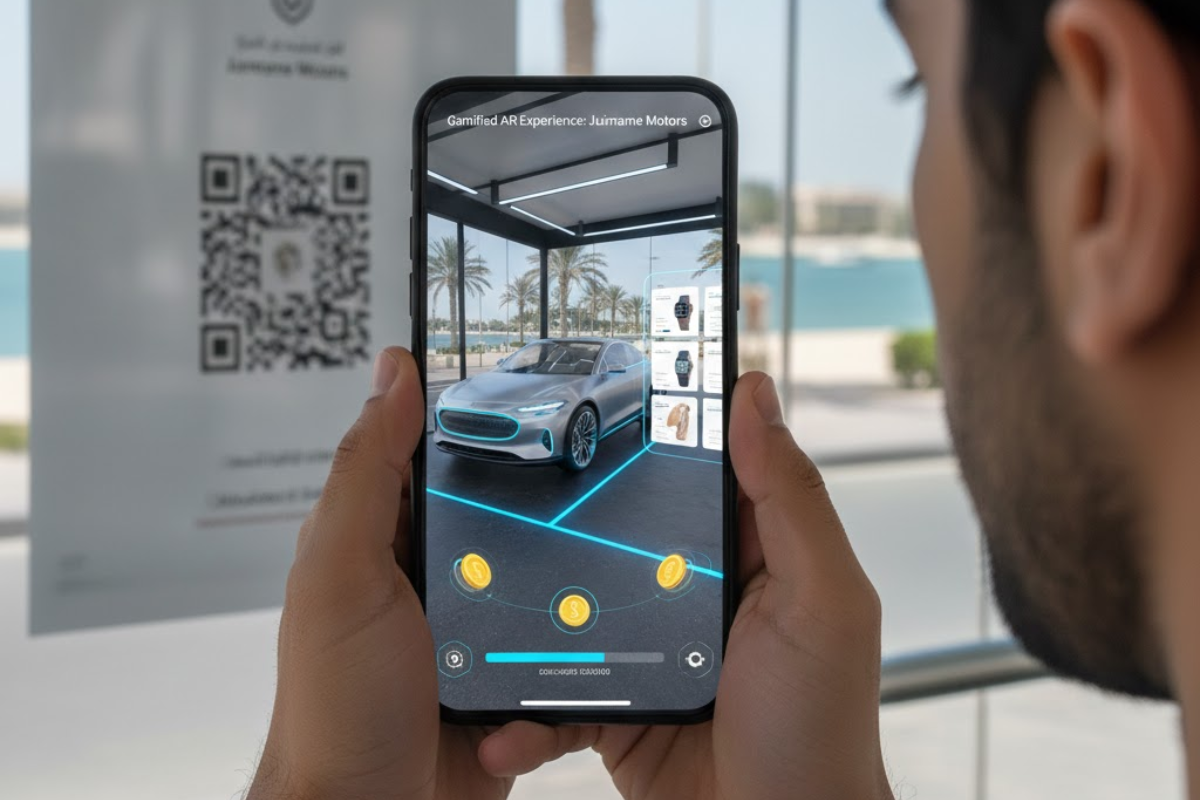
Imagine a commuter waiting at a bus stop in Jumeirah. They see a poster that, when viewed through their phone, turns the bus shelter into a virtual showroom. AR (Augmented Reality) allows people to "interact" with a product without moving an inch. In a city as tech-forward as Dubai, this isn't just "cool"—it’s expected.
How the Dubai Commute Can Lead to Real Actions
An ad on a bus becomes a sale when the commute is treated as a real part of the customer journey, not just a place to display visuals.
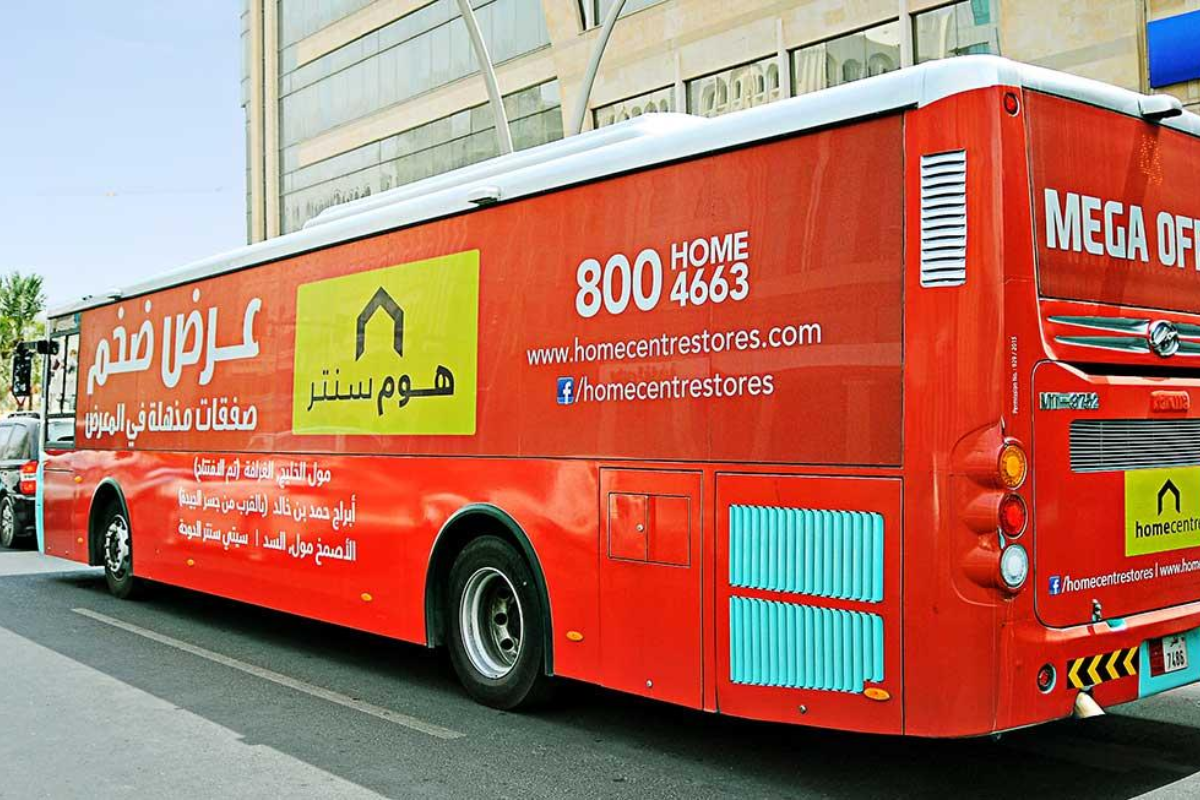
It often starts with a simple moment of awareness. Someone notices a clear, well-placed bus wrap while traffic slows near Karama. The image registers because they have time to look at it.
A short while later, engagement can continue through digital. A location-based mobile ad appears while they scroll on their phone. The message feels familiar because they have already seen the brand minutes earlier.
The next step is relevance. An offer such as a short-term “commuter special” gives the message a reason to be acted on in that moment, not later.
Action becomes easy when the path is simple. Sitting in the back of a Careem, the person completes the purchase through Apple Pay before reaching home.
By the time the ride ends, the brand has moved from being noticed to being used, simply by fitting into a period when people are already waiting and available.
For businesses, this means approaching outdoor advertising with more intention. Instead of buying broad locations, focus on specific commuting patterns and time windows. Align outdoor placements with radio and mobile campaigns so people encounter the same message across channels within a short period. Keep the tone local and familiar by reflecting everyday realities such as traffic, heat, or common area-specific frustrations.
Dubai’s roads are busy, but they are also predictable. When messaging is placed thoughtfully and connected to an easy next step, the commute can support real business outcomes without forcing attention or overstatement.
As we move through 2026, the Dubai commute has evolved beyond simple transit. With the city’s population now crossing the 4 million mark, the RTA has integrated smarter "mobility-as-a-service" features that offer even deeper data layers for marketers.
We are seeing a massive rise in Programmatic Digital Out-of-Home (pDOOH). Brands are no longer just buying a "spot" on a screen; they are bidding on "audiences" in real-time. For instance, a fintech brand can now trigger ads on the Dubai Metro's digital pillars only when a specific density of "finance-interest" commuters is detected via anonymized mobile signals.
This isn't the future—it's the current standard on the Red Line. With the Blue Line expansion now acting as a fresh economic corridor, the "commute" is becoming a 24/7 retail floor where the line between "seeing" an ad and "swiping to pay" has virtually disappeared.
Also read:
 Shahba Mayyeri
 Umema Arsiwala
 Umema Arsiwala
 Umema Arsiwala