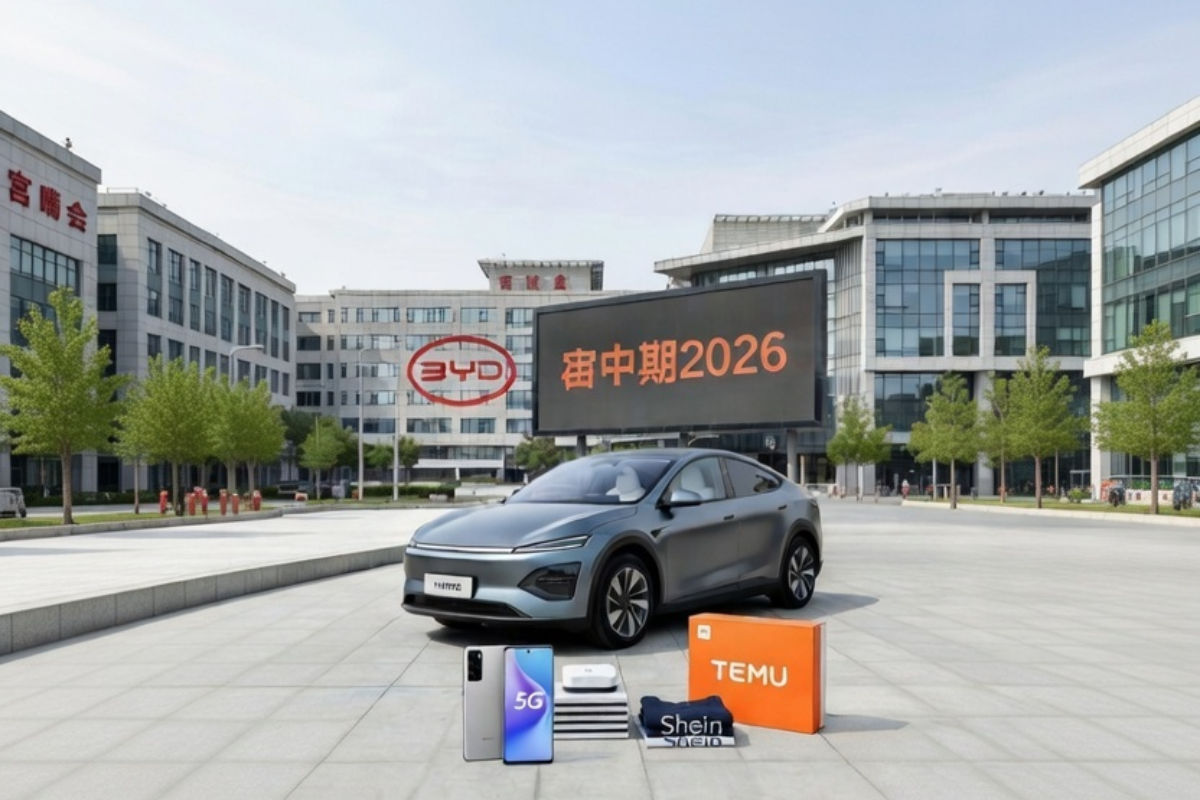
In 2026, the phrase "Made in China" evokes images of reliable products that integrate seamlessly into daily routines across the globe. This marks a clear evolution from its earlier associations with everyday items assembled in large quantities. The change reflects years of focused efforts in production techniques and market understanding, allowing Chinese brands to establish themselves in diverse settings—from urban commutes to home setups.
The journey began in the early 2000s, when exports centered on cost-effective assembly. Over time, companies shifted toward building their own capabilities in design and quality control. By the mid-2010s, investments in local research facilities and supplier networks laid the groundwork for broader reach. Today, these brands operate through networks of production sites and online channels that connect with users in Europe, Southeast Asia, and Latin America.
Shoppers encounter electric vehicles navigating city routes, smart gadgets in pockets, and apparel arriving promptly via digital orders. This expansion stems from deliberate actions in policy support, technological development, and operational efficiency.
Government Policies: Foundations of Progress

Government initiatives have provided consistent direction for this transformation. The Made in China 2025 plan, introduced in 2015, outlined steps toward greater independence in critical areas such as new energy vehicles and advanced components. By the end of 2025, the initiative met 86 percent of its objectives, including a strong position in electric vehicle manufacturing, which accounts for over 60 percent of worldwide production, alongside leadership in solar energy systems and battery technologies. Support came through targeted funding for research collaborations, university partnerships, and incentives for domestic suppliers, creating integrated systems that reduced external dependencies.
Building on this, the 15th Five-Year Plan for 2026 to 2030 prioritizes innovation as a core driver. It sets a goal for research and development spending to exceed 3.8 percent of gross domestic product by 2030, with a focus on emerging areas like artificial intelligence, quantum technologies, and advanced manufacturing. This includes the creation of regional innovation centers and science parks that link scientists with industry teams to accelerate the path from ideas to products. Funding for foundational work has supported advancements in semiconductor design and connected systems, equipping brands to develop items that align with international expectations for performance and ease of use.
These policies have emphasized practical outcomes, such as subsidies for technology adoption and frameworks for intellectual property protection. They have enabled a steady buildup of expertise, allowing companies to refine processes and expand operations methodically.
Key Sectors: Areas of Strong Performance
Automotive: Leadership in Electric Vehicles
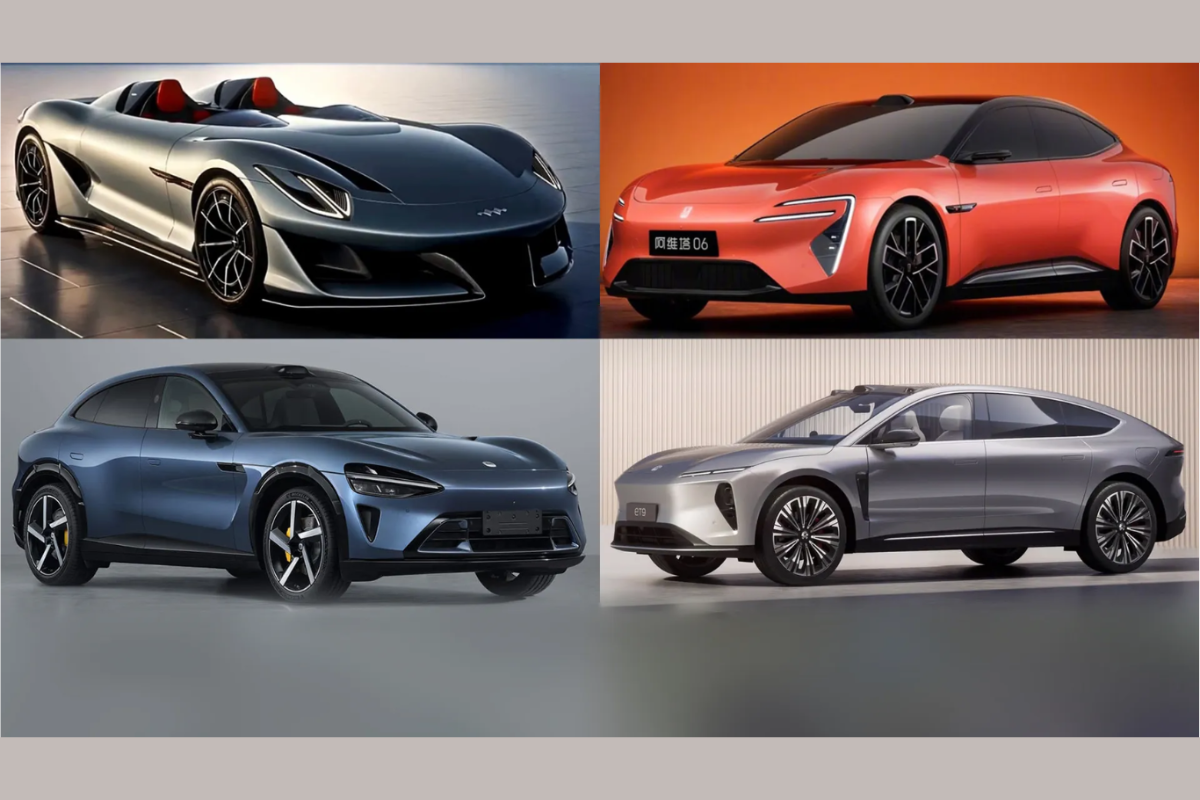
The automotive sector highlights advancements in electric vehicles, where Chinese companies have developed models that offer practical range, safety features, and straightforward operation. Exports of pure battery electric vehicles reached 1.52 million units in 2025, up 48.8 percent from the previous year, reaching buyers in more than 150 countries. Production facilities in locations like Thailand, Brazil, and Hungary support local assembly, which shortens delivery times and allows for adjustments based on regional preferences, such as compact designs for city use or spacious options for families.
These vehicles incorporate in-house battery systems that enhance efficiency and durability. Assembly lines focus on streamlined workflows to maintain consistency, with software updates delivered remotely to add functionalities over time.
Consumer Electronics and Tech: Seamless Integration
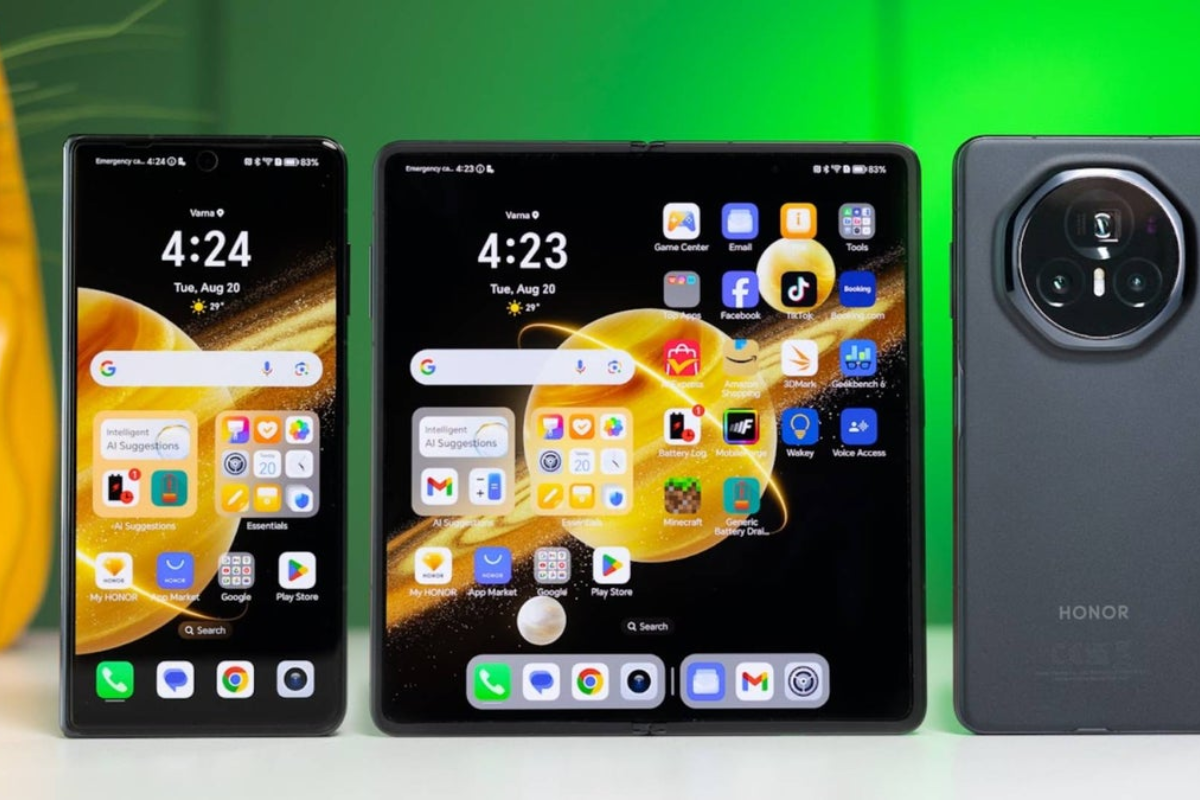
Chinese brands lead consumer electronics through integrated ecosystems, strong domestic supply chains, and fast product iteration focused on connectivity, imaging, and health features.
In 2025, eight of the top ten global smartphone vendors by shipments were Chinese, holding over half the worldwide market. Xiaomi ranked third globally, while Transsion, Vivo, OPPO, and Huawei drove strong growth in emerging regions.
In China’s domestic market, Huawei reclaimed the number-one position in 2025 with ~46.8 million units shipped and 17% share—the first time in five years. Early 2026 data shows Huawei still leading monthly sales at 16–19%.
Foldables are a major focus. Huawei’s tri-fold Mate XT and book-style models captured ~69% of China’s foldable market in key 2025 periods, thanks to durable hinges and multitasking screens. Xiaomi is expanding with book-style and flip foldables planned for its 2026 lineup.
AI is deeply embedded: on-device tools deliver real-time photo enhancements (scene detection, portrait tuning, low-light optimization), smart assistants, and voice-driven editing. Wearables provide continuous heart rate, sleep, and activity tracking synced to phone apps.
Exports of smartphones and components grew ~8% in 2025, supported by localized software and pricing that fit diverse markets.
The strength lies in practical upgrades—longer battery life, cameras tuned for varied conditions, and ecosystems linking phones, wearables, and smart devices via regular updates.
Huawei Mate XT tri-fold smartphone unfolded, displaying its expansive multi-window interface.
Xiaomi flagship in night mode, showcasing AI-enhanced low-light photography.
This China-rooted approach—combining R&D scale, supply-chain control, and user-focused innovation—continues to fuel domestic leadership and global expansion.
Fast Fashion and E-Commerce: Efficient Delivery Systems
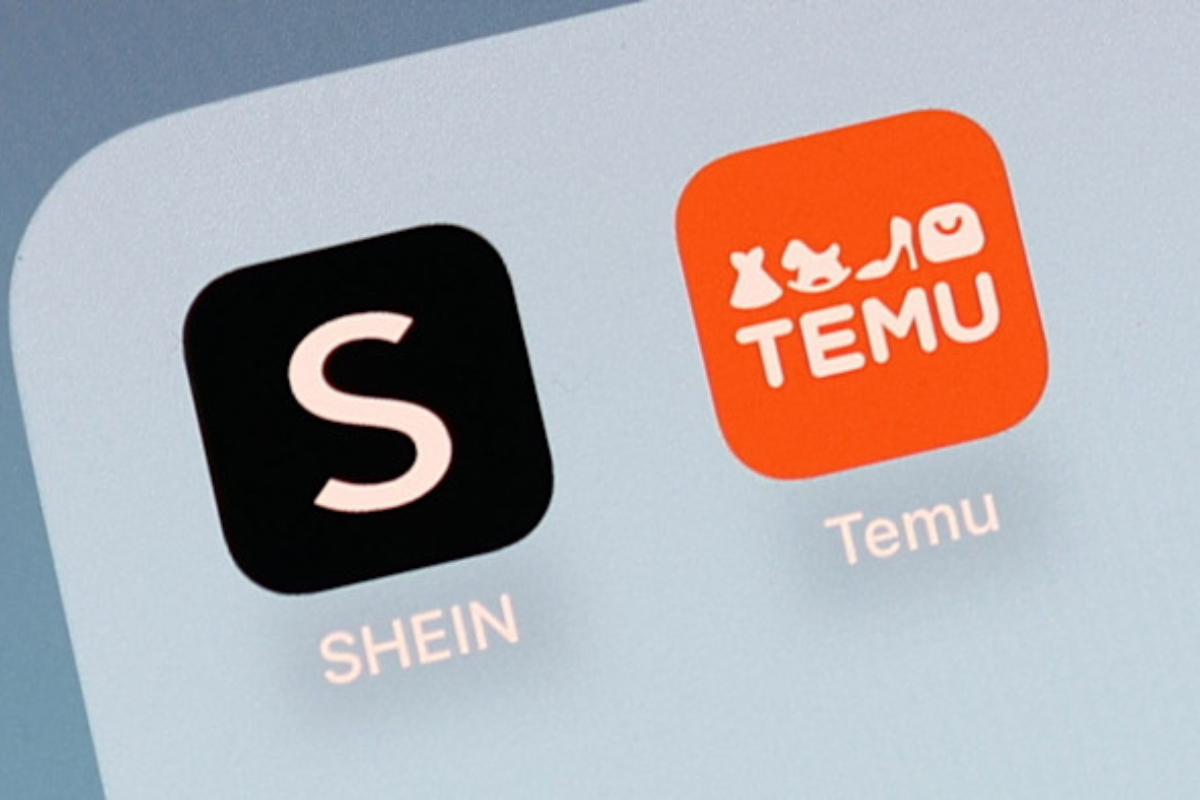
Chinese platforms like Shein and Temu dominate fast fashion and cross-border e-commerce by combining China's unmatched manufacturing density, real-time trend detection, and highly efficient logistics.
Shein, headquartered in Nanjing, operates a "small-batch, test-and-scale" model: it releases hundreds of new styles daily, tracks performance instantly, and quickly scales winners. This system draws directly from garment clusters in Guangdong and Zhejiang, keeping inventory lean and prices low. In 2025, Shein pursued mid-teen revenue growth, with quarterly figures approaching $10 billion and full-year GMV targets around $60 billion+, anchored by apparel.
Temu, backed by PDD Holdings (parent of Pinduoduo), links Chinese suppliers to global consumers through rock-bottom prices and gamified shopping (discounts, spins, referrals). It expanded to over 50 countries in 2025, with GMV estimates ranging from $35–100 billion.
China’s cross-border e-commerce ecosystem fueled this rise. Total trade value reached roughly 2.75 trillion yuan (~$380–400 billion USD) in 2025, with fashion, apparel, and accessories as leading export categories. Platforms benefit from overseas warehouses, AI-optimized routing, and 7–15 day delivery to many markets.
Domestic apps like Douyin and Xiaohongshu serve as trend radars, feeding insights that translate into rapid global listings, while algorithms personalize offers using massive user data.
This tightly integrated China-centric model—fast trend-to-product cycles, proximity to suppliers, and scalable digital logistics—has enabled these platforms to deliver low-cost, trend-driven shopping at speed worldwide, reinforcing Chinese brands’ growing command of everyday consumer categories.
Shein app displays daily new arrivals and real-time trend-based flash deals.
Temu mobile interface featuring gamified discounts and direct-from-China product listings.
By mastering speed, data, and cost efficiency at home, Shein, Temu, and similar platforms have turned domestic strengths into a powerful global delivery engine for fast fashion and everyday e-commerce.
Home Appliances and Internet of Things: Connected Living
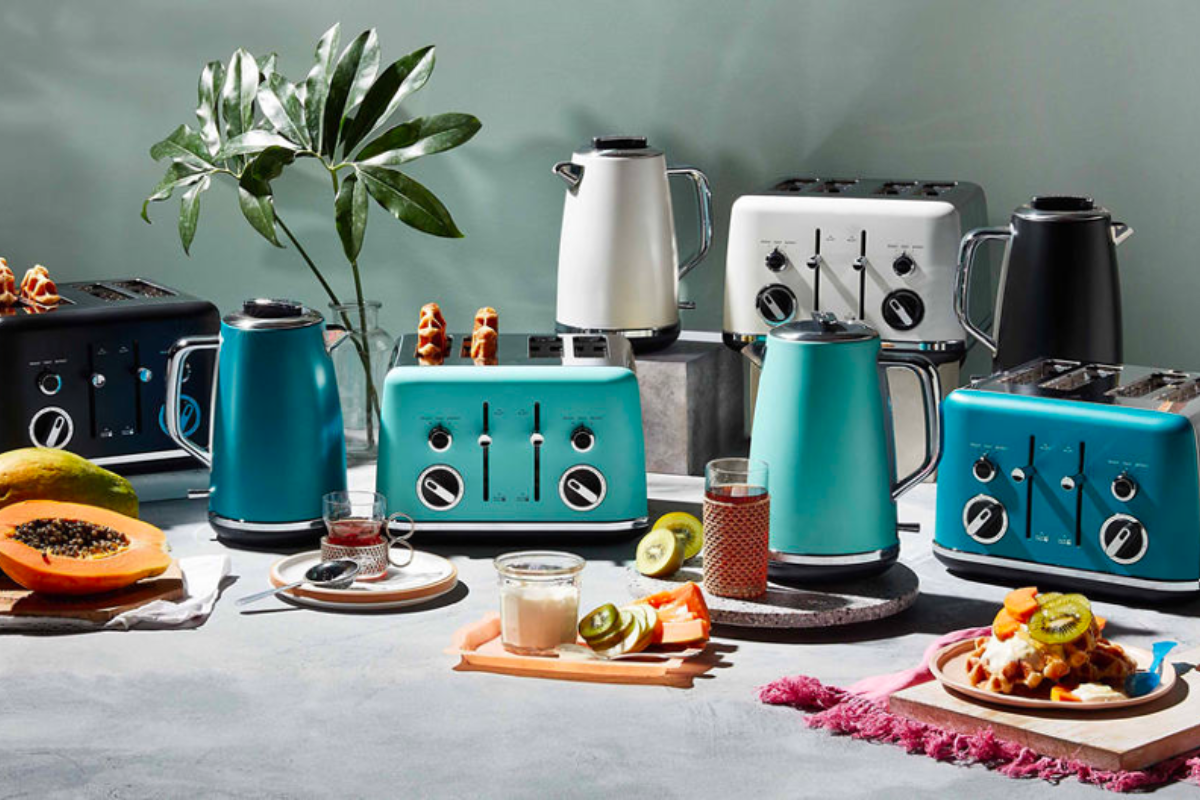
Chinese brands lead the home appliances and IoT sector by integrating smart features directly into everyday devices, creating ecosystems that emphasize energy efficiency, remote control, and adaptive operation rooted in China's advanced manufacturing and domestic R&D.
Major players like Haier, Midea, and Xiaomi dominate with IoT-enabled refrigerators, washing machines, air conditioners, and small appliances. Haier’s U+ Smart Life Platform connects major appliances into scene-based routines—such as coordinated energy-saving modes across refrigerators, washers, and HVAC—serving millions of active users, primarily urban Gen Z and millennials. Midea focuses on AIoT platforms for predictive maintenance and adaptive controls, while Xiaomi’s Mijia ecosystem links affordable smart devices like air conditioners, purifiers, and robotic vacuums through its app for seamless home-wide management.
In China’s domestic market, smart/IoT adoption drives growth. The major home appliances market reached approximately USD 112.64 billion in 2025 and is estimated at USD 117.22 billion in 2026, with smart features boosting premium segments. The broader smart home devices market stood at USD 24.29 billion in 2025, projected to expand rapidly at a CAGR of around 16% through the 2030s, fueled by 5G rollout, AI personalization, and urbanization. Government incentives for energy-efficient upgrades and trade-in programs accelerate the replacement of traditional appliances with connected ones.
Exports benefit from China's production scale. Mechanical and electrical products, including smart appliances, saw steady growth of around 8% in 2025, with high-tech categories rising similarly. Brands expand globally through localized manufacturing and overseas facilities, delivering IoT-ready models that support remote monitoring, usage analytics, and automatic optimizations—like refrigerators adjusting temperature zones or washers scheduling cycles during off-peak hours.
Key innovations center on practical connectivity: AI for habit-based adjustments (e.g., water/energy optimization in washers), voice/app control, and ecosystem integration for synchronized functions like lighting with climate systems. These features align with China's push for "new quality productive forces" in the 15th Five-Year Plan, emphasizing smart manufacturing and sustainable tech.
Haier smart refrigerator with app interface displaying energy usage and remote control options.
Xiaomi Mijia smart air conditioner showing IoT connectivity dashboard on mobile app.
This China-driven focus on integrated, user-centric IoT ecosystems supported by domestic scale, rapid innovation, and export momentum positions these brands to deliver efficient, connected living solutions both at home and internationally.
Strategies for Global Dominance
Chinese brands pursue global dominance through deliberate, phased tactics that emphasize localization, vertical integration, digital-native marketing, and rapid adaptation to regional regulations and consumer preferences. These approaches draw from China's domestic strengths in scale, supply chain efficiency, and data-driven operations, while addressing trade barriers and market-specific needs in 2026.
A primary tactic involves overseas production and localization to bypass tariffs, shorten delivery times, and build local credibility. BYD exemplifies this with factories in Thailand, Brazil, Hungary, and Uzbekistan, plus planned expansions in Europe (potentially a second plant) and partnerships for battery production in Vietnam. This shift from pure exports to local assembly supports higher margins abroad—often 3-4 times domestic levels and targets 1.3 million overseas vehicle sales in 2026, up from around 1.05 million in 2025. Similar moves appear in other sectors, where brands establish regional hubs to integrate into local supply chains and comply with import rules.
Partnerships and joint ventures enable faster market access and risk sharing. Chinese companies form alliances with local firms for distribution, manufacturing, or technology integration, particularly in regulated markets. This includes collaborations for supply chain optimization and cultural alignment, as seen in EV and consumer goods expansions into Southeast Asia, Latin America, and Europe. For e-commerce platforms like Temu and Shein, partnerships with local logistics providers and warehouses support hybrid fulfillment models combining direct-from-China shipments with regional inventory to counter tariff pressures and improve delivery speeds.
Digital-first and data-driven marketing targets younger demographics, especially Gen Z, who prioritize affordability, innovation, and social engagement. Brands leverage platforms like TikTok (ByteDance-owned), short-video content, influencers, and personalized algorithms for rapid user acquisition. Shein and Temu use gamification (discounts, spins, referrals) and real-time trend analysis from domestic apps (Douyin, Xiaohongshu) to inform global listings. This creates viral growth in Europe, Latin America, and North America, where Temu captured significant cross-border shares in 2025 through aggressive pricing and interactive features.
Phased market entry starts with testing via exports or e-commerce, followed by scaling through dedicated local teams, warehouses, and product adaptations. Xiaomi expands Mi Home stores and EV showrooms globally, aiming for thousands of outlets, while integrating its AIoT ecosystem for cross-device appeal. Huawei focuses on cloud services and localized software to rebuild consumer reach in Europe and Asia despite past restrictions.
These strategies rely on vertical integration for cost control and quick iteration—from component sourcing to final delivery—enabling brands to respond to demand shifts and regulatory changes. Data from operations informs continuous refinements, such as tailoring features or pricing to regional tastes.
BYD electric vehicle assembly line at an overseas factory, highlighting localized production.
Shein and Temu apps side-by-side, showing personalized recommendations and gamified shopping elements.
By combining localization, digital agility, and strategic partnerships, Chinese brands transform domestic efficiencies into sustained international presence, positioning them as leaders in EVs, tech, and e-commerce into the late 2020s.
Case Studies: Journeys of Leading Brands
BYD: From Batteries to Vehicles
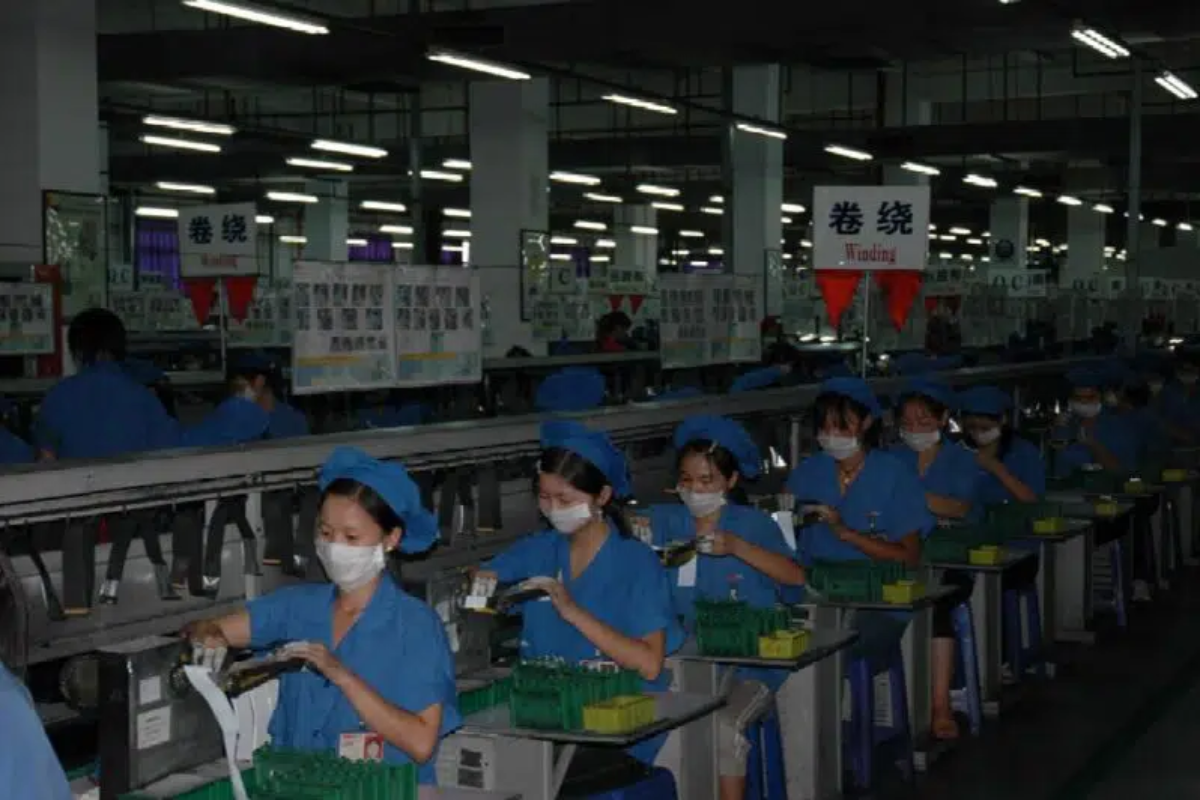
BYD started in the early 2000s as a producer of battery cells for mobile devices. It transitioned to vehicles around 2008, launching its initial hybrid model aimed at domestic users seeking affordability. The company invested in large-scale battery facilities, which now support a range of sedans, SUVs, and commercial options.
In 2025, BYD delivered 4.6 million vehicles worldwide, including 1.05 million for export markets. For 2026, the target stands at 1.3 million overseas units, achieved through production sites in Europe and South America that bring manufacturing nearer to end users.
Key developments include specialized battery designs that enhance safety and energy storage. Sales data from international operations indicate adoption in ride-sharing services and public transit, where performance feedback loops into ongoing refinements. The brand reaches consumers through dealership networks and online configurators that allow customization.
Huawei: Evolution in Communication and Devices
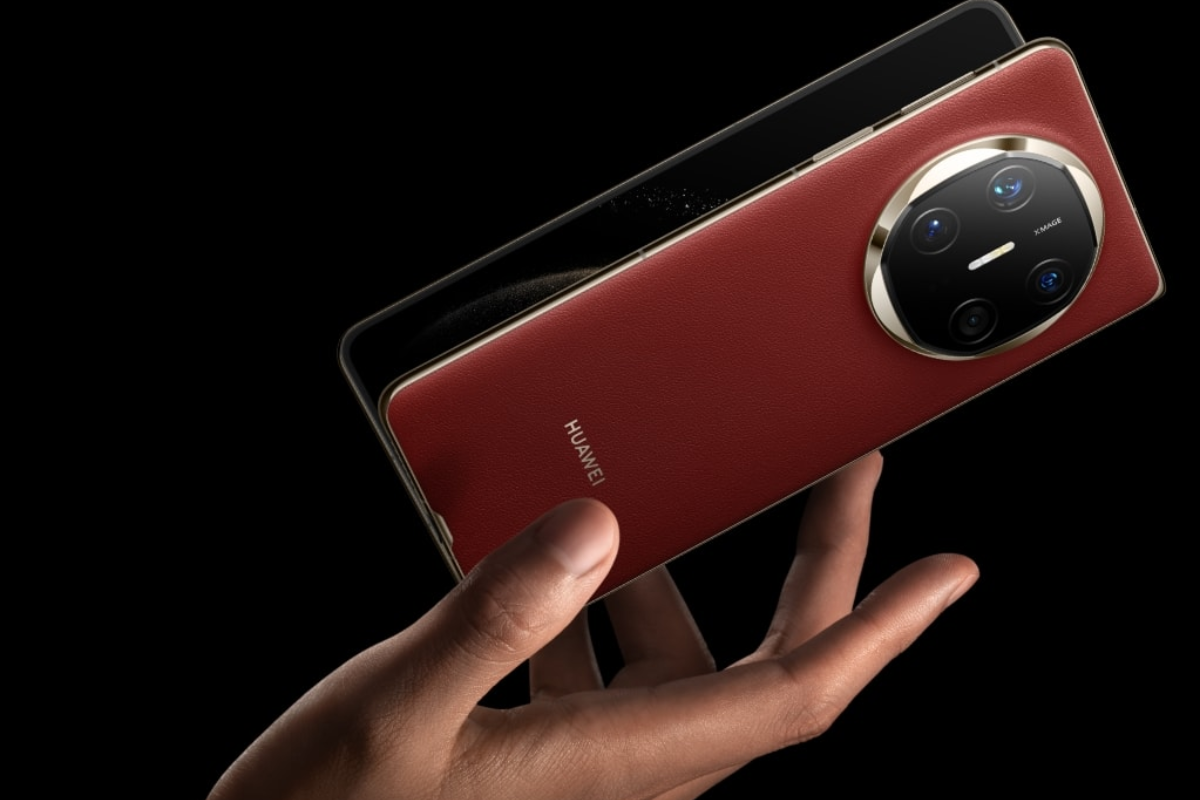
Huawei began in the 1980s supplying telecom infrastructure. It expanded into consumer devices in the 2000s, focusing on cameras and network integration. The company dedicated resources to proprietary chips and software platforms to maintain continuity.
By 2025, consumer business revenue contributed to overall figures exceeding CNY 862 billion, with smartphones showing resilience in key markets. Innovations encompass foldable units and AI features for photography and organization.
Global distribution in 2026 includes growth in Europe and Asia, aided by cloud services that link devices for data sharing. The ecosystem serves billions through infrastructure and hardware, with interfaces adapted to local languages and customs.
Xiaomi: Building an Ecosystem
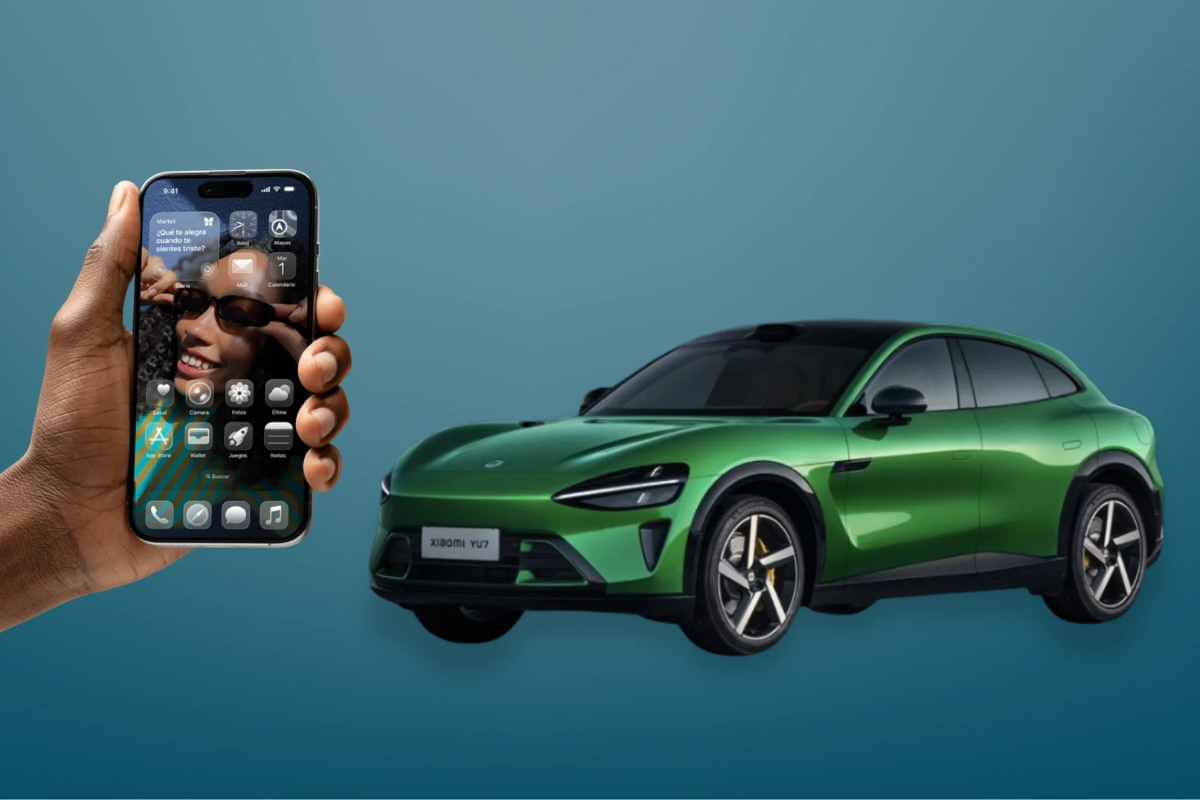
Xiaomi entered the smartphone market in 2010, offering models with advanced specifications at entry levels. It developed a connected range of accessories, from audio devices to displays. The move to vehicles occurred in 2024 with the SU7 sedan, followed by the YU7 SUV.
Deliveries reached 410,000 electric vehicles in 2025, surpassing initial plans. The 2026 objective is 550,000 units, propelled by additional models and capacity expansions.
The approach includes post-purchase software enhancements and collaborations for charging support. International data reflects an increasing presence in markets like India and Europe, where device integration appeals to users. Monthly active users across the lineup exceed 600 million.
Shein and Temu: Platforms for Everyday Access
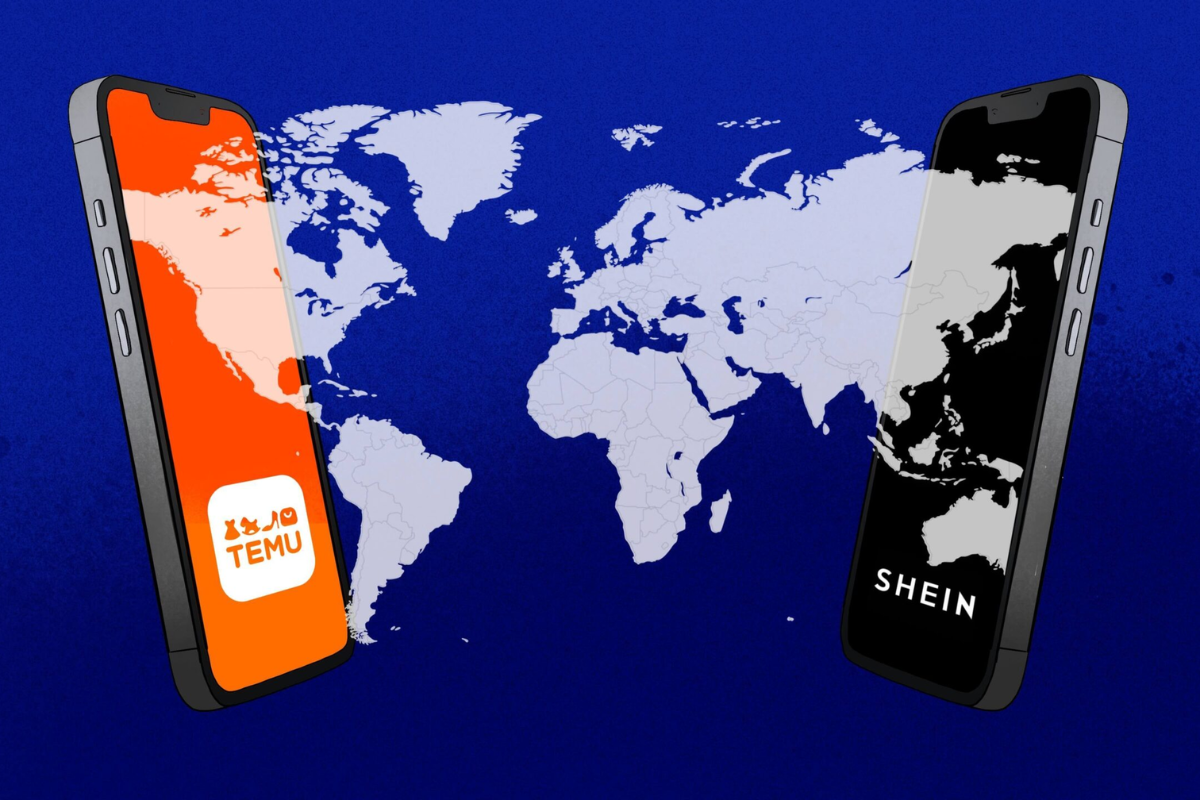
Shein originated in 2008 as a site for quick-turnaround fashion, testing designs in limited runs. By 2025, it achieved sales of around $38 billion, with notable traction in the United States and Europe. Temu, introduced in 2022, functions as a broad marketplace, expanding via interactive shopping elements.
Both platforms leverage live data to align production with demand, updating catalogs frequently. For 2026, strategies include additional storage in strategic locations. They engage younger audiences through social links, with apparel prominent on Shein and varied goods on Temu.
Challenges in Maintaining Momentum
Chinese brands face a range of external pressures in 2026 that test their ability to sustain rapid global expansion. Trade barriers, particularly tariffs on key exports, represent one of the most direct hurdles. In the European Union, additional duties on China-made battery electric vehicles—ranging from 7.8% to 35.3% on top of the standard 10% import tariff—remain in effect following the 2024 anti-subsidy investigation. These measures target perceived unfair advantages from state support, affecting brands like BYD (17% extra) and others. While some exemptions have emerged, such as Volkswagen's Cupra Tavascan model gaining relief through minimum price commitments and sales quotas in February 2026, Chinese automakers now pursue similar individual negotiations to reduce costs and maintain access.
In the United States, tariffs on Chinese EVs exceed 100% (often cited at 127.5% including other levies), effectively blocking direct imports and prompting legal challenges, as seen in BYD's lawsuit seeking refunds on Trump-era duties. This forces brands to explore indirect paths, such as potential joint ventures or localized production discussions, though progress remains limited amid national security concerns over connected vehicle technology.
For fast-fashion and e-commerce platforms like Shein and Temu, customs changes hit low-value shipments hard. The EU accelerated the removal of the de minimis exemption (for parcels under €150), introducing a temporary €3 flat customs fee per item starting July 2026, with broader reforms planned. This targets the flood of direct-from-China packages that fueled their growth, raising costs and pressuring pricing models. Additional scrutiny includes raids on Temu's Dublin headquarters over potential unfair subsidies, fines in Poland for misleading discounts, and investigations into illegal listings (such as prohibited items on Shein in France). In the US, state-level bans on platforms for data privacy risks and federal probes into forced labor allegations under the Uyghur Forced Labor Prevention Act add compliance burdens.
Beyond tariffs, data privacy regulations demand significant adjustments. Platforms must align with strict rules like the EU's Digital Services Act and General Data Protection Regulation equivalents in other markets, requiring enhanced transparency in data handling, recommendation algorithms, and user tracking—areas where rapid scaling previously outpaced oversight.
Market adaptations address cultural and practical differences. Brands modify products for local preferences: apparel sizing for diverse body types in Western markets, vehicle features for regional driving conditions or safety standards, and app interfaces for language and payment habits. These changes involve dedicated regional teams that analyze consumer feedback and iterate designs, often through localized testing before full rollout.
To counter these issues, brands invest in compliant infrastructure—building or expanding overseas factories to qualify as local production, establishing dedicated regulatory affairs groups, and forming partnerships with local entities for expertise in compliance and distribution. Continuous monitoring of user data and market signals allows quick pivots, such as shifting emphasis to plug-in hybrids in Europe to sidestep full BEV tariffs or enhancing supply chain audits to meet labor and sustainability requirements.
These responses preserve operational strengths like cost efficiency and speed while navigating a more protectionist landscape, ensuring brands can adapt without halting their international progress.
BYD's electric vehicle production line in an overseas factory demonstrates localized assembly to address trade barriers.
EU customs inspection of imported parcels, illustrating increased scrutiny on low-value shipments from Chinese e-commerce platforms.
As the late 2020s approach, Chinese brands are positioned for continued involvement through iterative improvements. Research centers will yield fresh offerings, and digital channels will enhance interactions. The emphasis on functional value ensures relevance in varied contexts, supporting a presence rooted in capability and adaptation.
Economic projections indicate China's growth at around 4.4 percent in 2026, fueled by exports and advancements, which underpins this trajectory.
Also read:
 Umema Arsiwala
 Ummulkiram Pardawala
 Umema Arsiwala