Did you know that more than 10% of Dubai’s workforce could be held back by communication barriers linked to disabilities? In a city celebrated for its skyscrapers, global business hubs and relentless drive toward innovation, that figure is a call to action.
Dubai’s corporate sector, long recognized for its smart city initiatives and international outlook, is now turning its focus to breaking down communication barriers. And the reason is simple: when employees can truly connect, businesses don’t just become fairer. They become more productive, more engaged, and more respected in the marketplace.
From AI-powered translation to smart wearables, here's a look at the innovations ensuring every professional can contribute, collaborate, and thrive; because in today’s world, no message should go unheard.
The Importance of Inclusive Communication in Corporates
More than just a buzzword, inclusivity is a business imperative. Companies that prioritise accessible communication see tangible benefits. Employees who feel valued and understood are more engaged, leading to higher job satisfaction and retention. In Dubai’s fast-paced corporate hub, where competition for talent is fierce, inclusivity opens the door to a broader talent pool, including skilled professionals with disabilities who might otherwise be overlooked.
Despite the push for inclusivity, sign language users in Dubai’s corporate world face significant hurdles. Participating in meetings, delivering presentations, or even engaging in casual office banter can be daunting without proper support. Miscommunication often leads to errors, missed opportunities, and reduced productivity. For many, the lack of accessible communication tools creates a sense of social isolation which makes it harder for them to build relationships or feel part of a team.
With their diverse mix of expat and multilingual staff, Dubai’s workplaces add another layer of complexity. In environments where English, Arabic, and other languages coexist, sign language users can feel sidelined, as their primary mode of communication isn’t always understood or accommodated. These challenges highlight the urgent need for solutions that bridge the gap to ensure that every employee can contribute fully to their organisation’s success.
Technological Innovations Supporting Sign Language
Real-Time Translation Tools
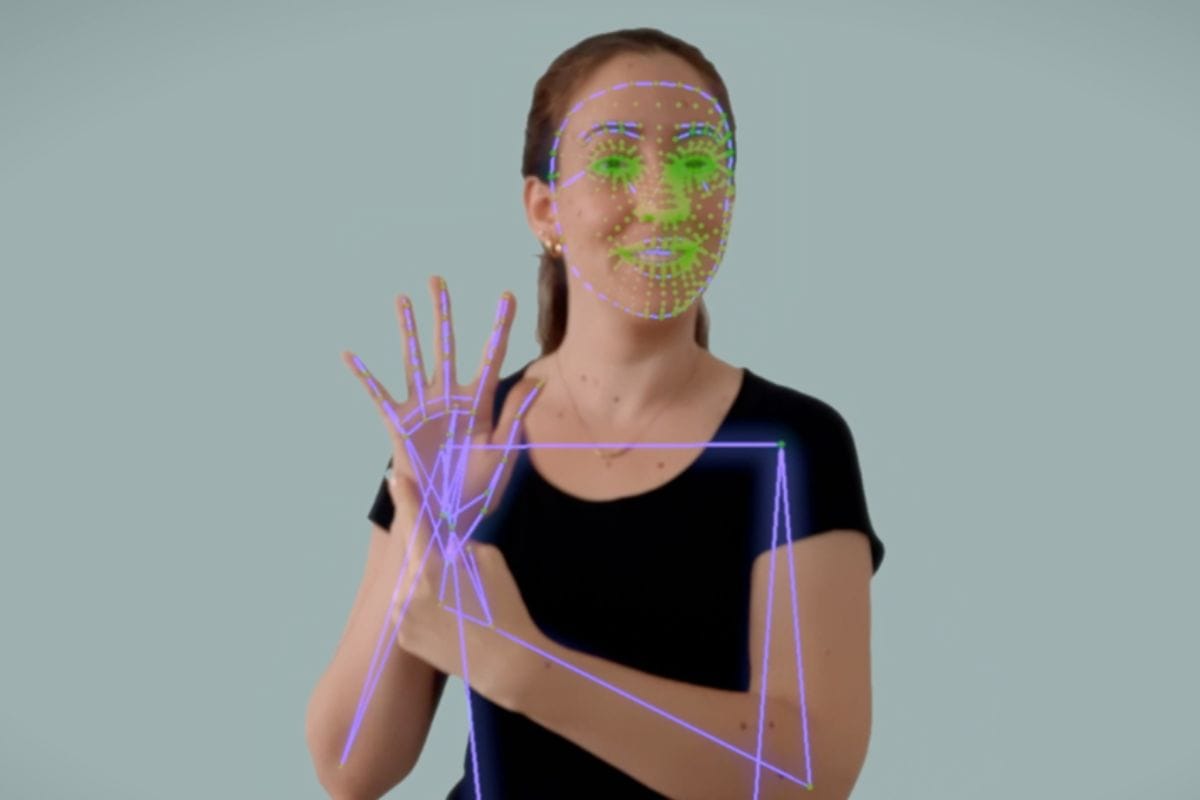
AI-powered tools like SignAll and KinTrans are revolutionising communication for sign language users. These apps use advanced machine learning to convert sign language into speech or text in real time which makes interactions seamless. In Dubai’s corporate settings, such tools could transform meetings, allowing sign language users to actively participate without interpreters. HR departments could use them for onboarding or training, while customer-facing roles in sectors like hospitality could enhance service inclusivity. As Dubai aims to be a global leader in smart technology, integrating these tools aligns perfectly with its vision to foster workplaces where everyone’s voice is heard.
Wearable Technology and Smart Devices
Wearable tech, like smart gloves, is making waves by translating sign language gestures into text or voice through sensors. These devices capture hand movements and relay them to apps or displays to enable fluid communication. Haptic feedback devices, which vibrate to alert users to sounds or notifications, are also gaining traction. In tech hubs like Dubai Internet City or DIFC, where innovation thrives, companies could pilot these devices, integrating them into daily operations. Such tools not only empower employees but also position Dubai’s corporates as pioneers in accessibility tech.
Video Relay Services and Remote Interpreters
Video relay services (VRS) connect sign language users with interpreters via video calls and offers on-demand support for workplace communication. This is especially valuable in Dubai’s hybrid and remote work environments, where flexibility is key. Tech startups in areas like Dubai Silicon Oasis are already exploring VRS to ensure inclusivity in virtual meetings or client interactions. By adopting these services, companies can bridge communication gaps instantly, fostering collaboration and ensuring sign language users are fully integrated into teams, regardless of location or language barriers.
Integrating Sign Language Technology in the Corporate Culture
Training and Awareness
To fully harness sign language technologies, companies must invest in training. HR and management teams need guidance on using tools like AI translation apps or smart gloves effectively to ensure they’re seamlessly integrated into daily workflows. Awareness workshops for all employees can foster understanding and reduce stigma around disabilities. For instance, local firms like those in Dubai’s free zones have begun hosting workshops to educate staff on accessibility tools to create a culture where inclusivity is valued and understood by all.
Policy Implementation
Embedding sign language technology requires updating corporate policies. Internal communication guidelines should mandate accessible solutions, such as real-time translation tools for meetings or video relay services for remote work. Companies can ensure presentations and events are sign-language-friendly by incorporating live captioning or interpreters. In Dubai, where global businesses thrive, such policies signal a commitment to inclusivity, aligning with the city’s vision of being a leader in social responsibility. Clear policies also set expectations in ensuring consistent support for sign language users across all levels.
Collaborative Platforms and Productivity Tools
Integrating sign language tech with platforms like Microsoft Teams, Zoom, or Slack is crucial for inclusive workflows. For example, real-time translation tools can be embedded into video conferencing software to allow sign language users to participate fully in virtual meetings. Dubai’s tech-savvy corporates, especially in sectors like finance and IT, can leverage these integrations to streamline communication. By ensuring collaborative tools support accessibility features, companies foster environments where all employees, regardless of communication needs, can contribute ideas and drive productivity effectively.
Benefits for Dubai Corporates

Enhanced Employee Engagement and Retention
Adopting sign language technologies fosters a workplace where all employees feel valued, boosting morale and engagement. When sign language users can communicate effortlessly, they’re more likely to contribute ideas and collaborate effectively. In Dubai’s competitive job market, inclusive practices help retain top talent, reducing turnover costs. Companies like those in Dubai’s hospitality sector have seen higher employee satisfaction by implementing accessibility tools which helped to create a sense of belonging that encourages long-term commitment and loyalty.
Stronger Corporate Reputation
Embracing inclusivity enhances a company’s reputation as a socially responsible leader. In Dubai, where CSR is a growing priority, businesses that champion accessibility stand out to clients, partners, and investors. By integrating sign language tech, firms align with the UAE’s vision and Dubai’s smart city goals, earning recognition as progressive employers. This reputation attracts global talent and customers, positioning companies as pioneers in a city known for innovation.
Access to a Wider Talent Pool
Sign language technologies enable companies to tap into the skills of deaf and hard-of-hearing professionals, expanding the talent pool. In Dubai’s diverse economy, where industries like tech, finance, and tourism thrive, inclusivity unlocks untapped potential. By removing communication barriers, firms can recruit skilled individuals who might otherwise be overlooked, driving innovation and diversity. This aligns with Dubai’s goal of fostering an inclusive workforce that reflects its global outlook.
Improved Productivity and Collaboration
Accessible communication tools streamline workflows, enabling sign language users to participate fully in meetings and projects. Real-time translation and video relay services reduce miscommunication, boosting efficiency. In Dubai’s fast-paced corporate hubs like DIFC, these tools enhance team collaboration, ensuring all voices are heard. The result is a more cohesive workforce, where diverse perspectives drive better decision-making and innovation, ultimately improving business outcomes.
Dubai’s corporate world is on the verge of a transformation, where technology is shaping not only skylines but also the way people connect. This is about more than inclusivity; it is about unlocking potential, fostering unity, and driving success in a city built on ambition. As Dubai moves towards a smarter, more inclusive future, its corporates are showing that when communication has no limits, everyone benefits. Together, we can sign the way forward.
Also Read:
 HiDubai Newswire
 Ummulkiram Pardawala
 HiDubai Newswire
 HiDubai Newswire
 HiDubai Newswire