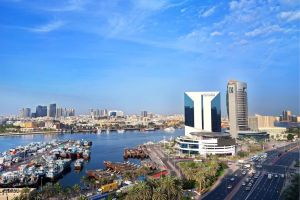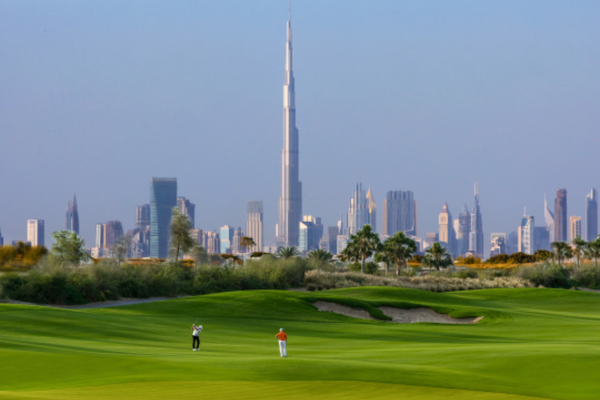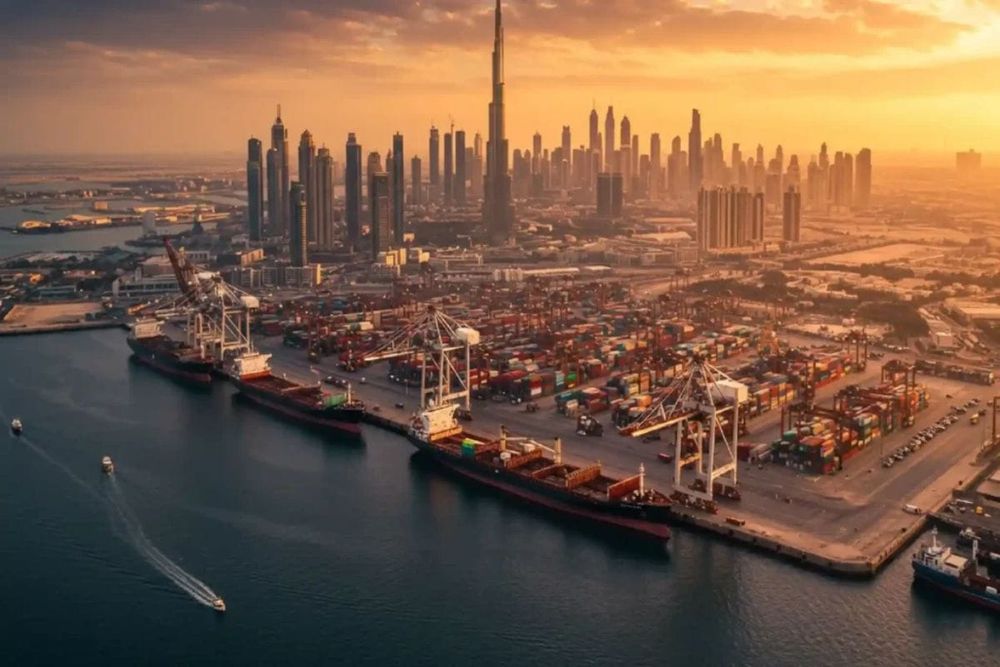
In the fast-paced world of global commerce, few transformations have been as dramatic as Dubai's evolution into a logistics powerhouse. What once was a regional trading post has become the beating heart of international supply chains, where cutting-edge technology meets strategic geography to create something truly remarkable.
Today, Dubai stands as a testament to what happens when visionary planning meets technological innovation. This emirate has positioned itself as the ultimate connector – a place where goods from Asia can reach European markets faster than ever before, where AI-powered systems optimize every step of the journey, and where the future of logistics is being written in real-time.
For businesses looking to understand the future of supply chains, Dubai offers a compelling case study in how technology can reshape entire industries and create unprecedented opportunities for growth and efficiency.
Dubai's Strategic Foundation: More Than Just Location
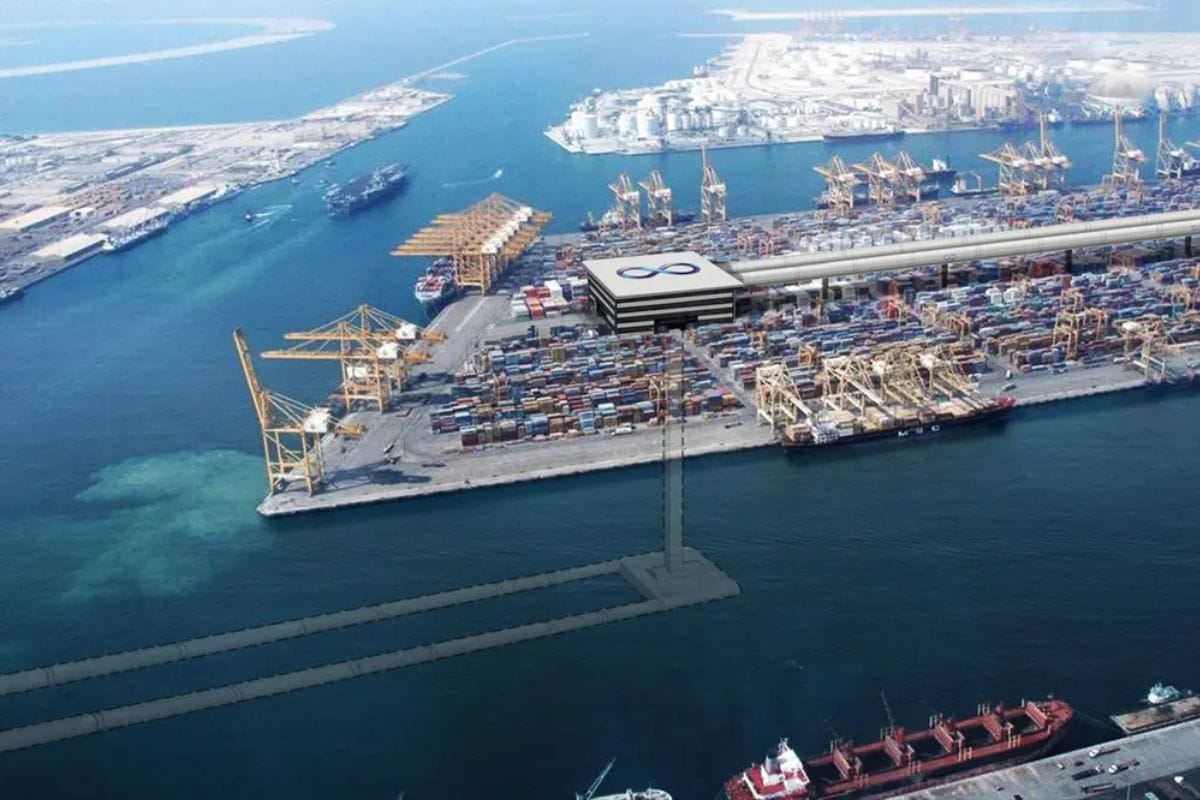
While Dubai's geography certainly plays a crucial role, the emirate's success as a logistics hub goes far deeper than its position at the crossroads of three continents. The city has systematically built an ecosystem that makes it irresistible for global supply chain operations.
Consider the numbers: Dubai provides access to over two-thirds of the world's population within an eight-hour flight radius. More specifically, the emirate connects businesses to 2.5 billion consumers within just four hours of flight time. This isn't just convenient – it's revolutionary for time-sensitive supply chains.
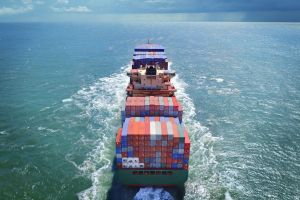
The infrastructure tells an equally impressive story. Jebel Ali Port, the largest container port in the Middle East, has undergone massive expansions, including a $510 million investment in the Tuna Tekra terminal that adds 2.19 million TEU capacity. Meanwhile, Al Maktoum International Airport operates as one of the world's biggest cargo hubs, handling the complex logistics of air freight with remarkable efficiency.
But perhaps most importantly, Dubai has created an environment where businesses can operate with unprecedented ease. Free zones like Jebel Ali Free Zone (JAFZA) host over 8,700 companies from 100 countries, offering zero corporate taxes and streamlined customs processes. The UAE's foreign trade exceeded AED 2.8 trillion (US$ 762.3 billion) in 2024, supported by 24 Comprehensive Economic Partnership Agreements covering 2.5 billion people.
The economic momentum continues to build. In 2025, foreign direct investment inflows reached 30.7 billion, fueling a $140 billion digital economy. Dubai alone attracted US 9.8 billion in FDI in 2023, rising to US$ 6 billion in the first half of 2024, with high and medium-tech industries comprising 57.4% of investments.
Infrastructure That Connects Continents
The Etihad Rail network exemplifies Dubai's forward-thinking approach to logistics infrastructure. Spanning 1,200 kilometers and connecting major ports like Khalifa, Jebel Ali, and Fujairah, this rail system has transformed regional logistics. Transit time from Dubai to Abu Dhabi has been cut to just 50 minutes, and the network is projected to handle 60 million tonnes of cargo by 2030.
This infrastructure investment aligns perfectly with Dubai's long-term vision. The Dubai 2040 Urban Master Plan and Economic Agenda (D33) aim to double the city's GDP by 2033, with logistics playing a central role through public-private partnerships and sustainability initiatives.
Technology Revolution: The Digital Transformation of Supply Chains

Where Dubai truly shines is in its aggressive adoption and implementation of cutting-edge technologies that are fundamentally reshaping how supply chains operate. This isn't just about adopting new tools – it's about creating entirely new ways of thinking about logistics efficiency.
Artificial Intelligence: The Brain of Modern Logistics
AI and machine learning have become the nervous system of Dubai's logistics operations. These technologies optimize routes with incredible precision, predict demand patterns before they fully emerge, and improve inventory management in ways that seemed impossible just a few years ago. The impact is measurable: AI implementation can reduce logistics costs by up to 25% while boosting production efficiency significantly.
In Dubai's logistics centers, AI-powered platforms enable real-time data analysis that would have required teams of analysts in the past. These systems can intelligently route temperature-sensitive goods, ensuring that pharmaceuticals from India reach European hospitals in optimal condition, or that fresh produce from Africa arrives in Asian markets at peak quality.
Computer vision systems now handle quality control processes that once required human inspection, dramatically reducing errors while increasing speed. The technology doesn't replace human expertise – it amplifies it, allowing logistics professionals to focus on strategic decisions while AI handles routine optimization.
Blockchain: Building Trust in Global Supply Chains
Perhaps no technology has been more transformative for international trade than blockchain. In Dubai's logistics ecosystem, blockchain provides immutable tracking that reduces fraud and speeds customs processes by up to 40%. This isn't just about efficiency – it's about building trust in an increasingly complex global supply chain.
Smart contracts automatically execute agreements when predetermined conditions are met, eliminating delays and reducing the potential for disputes. When a shipment of electronics leaves a manufacturer in China, blockchain technology ensures that every stakeholder – from the shipping company to the final retailer – has access to the same reliable, real-time information about the shipment's status and condition.
Internet of Things: Real-Time Visibility Across the Supply Chain
IoT sensors have created unprecedented visibility into supply chain operations. These devices monitor everything from vehicle performance to cargo conditions, enabling predictive maintenance that prevents costly delays. In Dubai's extreme climate, IoT systems are particularly valuable for monitoring temperature-sensitive shipments and ensuring that air conditioning systems in warehouses and transport vehicles operate optimally.
The technology enables logistics managers to track not just where packages are, but how they're being treated throughout their journey. This level of monitoring has become essential for high-value goods and pharmaceuticals, where condition monitoring can mean the difference between a successful delivery and a total loss.
Automation and Robotics: Redefining Warehouse Operations
Dubai's logistics centers increasingly resemble something from a science fiction movie. Robotics systems handle warehouse operations with precision and speed that surpass human capabilities, while collaborative robots work alongside human operators for tasks that require both efficiency and flexibility.
Companies like Amazon and DHL have established sophisticated operations in Dubai South's "Logistics City," where robotics and smart tracking systems demonstrate the future of warehousing. Amazon's Abu Dhabi fulfillment center, with capacity for 8 million units, features an Innovation Lab that has cut lead times by an impressive 59%.
5G Connectivity: The Foundation for Real-Time Operations
The rollout of 5G networks has been crucial for enabling real-time data transmission that AI systems require. This connectivity allows for instantaneous communication between IoT sensors, AI platforms, and human operators, creating a seamlessly integrated logistics ecosystem.
This connectivity is particularly important for emerging technologies like drones and autonomous vehicles, which are being tested for last-mile delivery operations throughout Dubai.
Major Projects Reshaping Dubai's Logistics Landscape
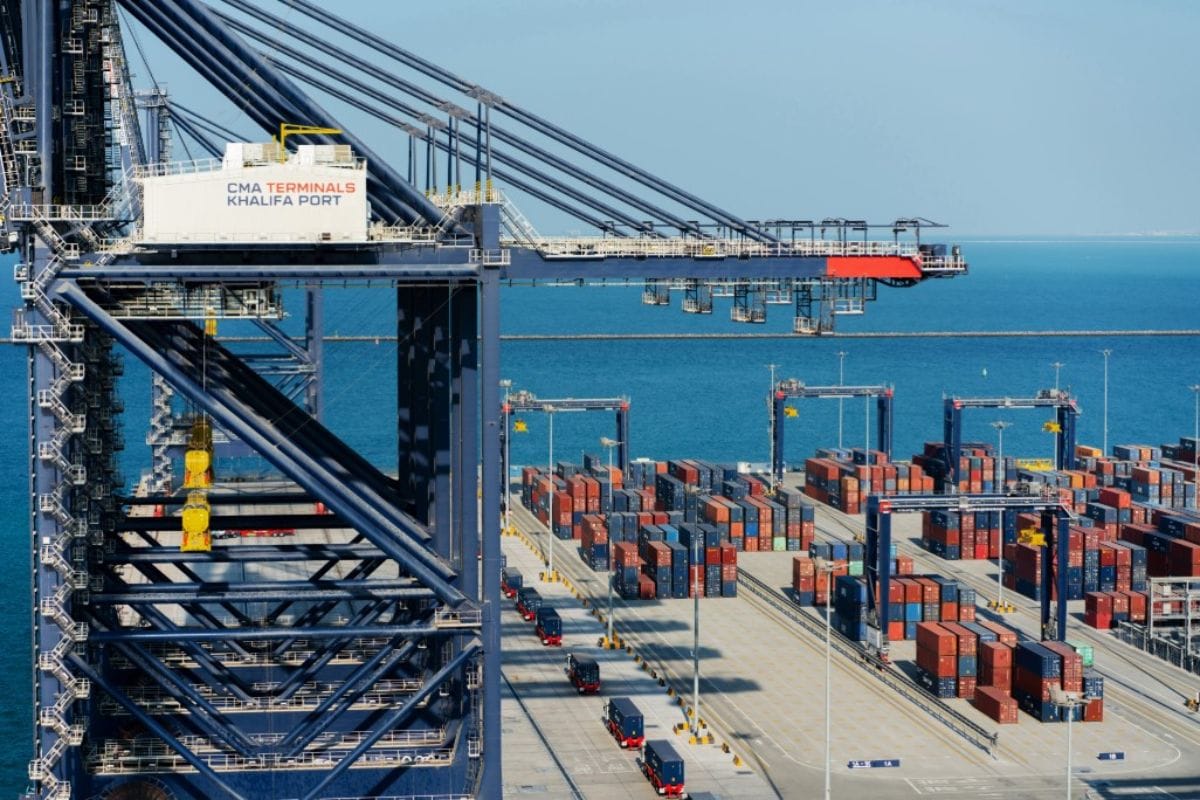
Dubai's commitment to logistics excellence is evident in the scale and scope of current infrastructure projects. DP World's $2.5 billion investment program exemplifies this ambition, expanding global networks not just in Dubai but across regions, including new ports in Senegal and the Democratic Republic of Congo that enhance Dubai's connectivity to emerging markets.
The UAE Logistics Integration Council has been instrumental in coordinating these developments, overseeing digital platforms that now cover 300 locations and ensure seamless integration across the supply chain ecosystem.
One particularly impressive development is CMA Terminals Khalifa Port, which has added 1.8 million TEU capacity, further cementing the UAE's position as a global logistics leader. These investments aren't just about handling more cargo – they're about handling it more efficiently and sustainably.
International Partnerships and Corridors
Dubai's logistics strategy extends far beyond its borders through strategic partnerships. DP World's collaboration with Pakistan's National Logistics Cell has created a Dubai-Karachi-Dushanbe corridor that can transport goods in just 16 days – a remarkable achievement for a route that traditionally took much longer.
These partnerships demonstrate how Dubai is creating logistics networks that benefit not just the emirate, but entire regions by providing more efficient pathways for international trade.
Emerging Trends and Future Technologies
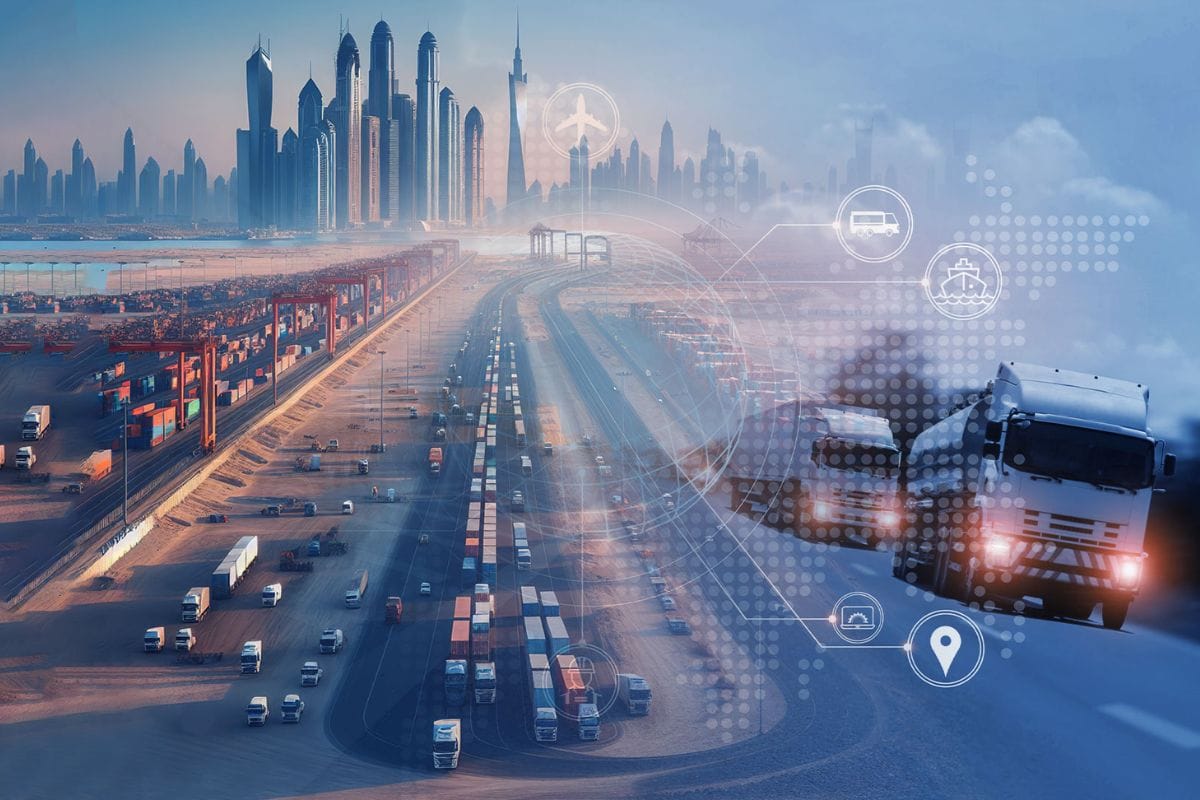
As we look toward the future, several key trends are shaping Dubai's logistics evolution:
Micro-Fulfillment and Same-Day Delivery
The rise of e-commerce has driven demand for same-day delivery, leading to the development of micro-fulfillment centers strategically located throughout urban areas. These facilities use AI-powered optimization to ensure that popular items are positioned as close as possible to end consumers.
Predictive Analytics for Demand Forecasting
Advanced analytics now forecast demand patterns amid seasonal variations with remarkable accuracy. This capability is particularly valuable in Dubai's diverse market, where demand can vary significantly based on cultural events, weather patterns, and international trade cycles.
Sustainability Integration
Environmental considerations are increasingly driving logistics innovation. Dubai's commitment to 75% clean energy by 2050 through the Dubai Clean Energy Strategy is influencing logistics operations throughout the emirate. Electric vehicles for last-mile delivery, solar-powered warehouses, and even ocean-powered ships are becoming part of the logistics ecosystem.
Biodegradable packaging and ESG-compliant facilities are no longer nice-to-have features – they're becoming requirements for businesses that want to participate in Dubai's logistics networks.
Data Centers and Digital Twins
The UAE's data center capacity has reached 273MW, supporting increasingly sophisticated digital twin technologies that allow logistics managers to model and optimize supply chains in virtual environments before implementing changes in the real world.
Navigating Challenges in a Dynamic Environment

Despite its many advantages, Dubai's logistics sector faces real challenges that require careful navigation. Vacancy rates near 3% and rents rising 2% monthly signal supply constraints that are putting pressure on logistics operators. Rising construction costs are making new facility development more expensive, potentially limiting expansion options for some companies.
Geopolitical tensions, particularly disruptions in the Red Sea shipping lanes, have impacted cargo volumes and forced logistics providers to develop more resilient routing strategies. However, companies like DP World have demonstrated remarkable resilience in adapting to these challenges.
There are also ongoing debates about technology equity and access. While Dubai's elite logistics hubs have access to the most advanced technologies, ensuring that smaller operators can also benefit from technological improvements remains an important consideration for sustainable growth.
Economic Uncertainties and Opportunities
Global economic uncertainties pose ongoing risks to international trade volumes. However, Dubai's diversified approach to logistics – serving multiple regions and industries simultaneously – provides natural hedging against regional economic downturns.
The emirate's focus on redevelopment and green technology creates opportunities even amid economic challenges. Major investments, like KKR's $5 billion data center investment, demonstrate continued confidence in Dubai's long-term logistics potential.
The Road Ahead: Dubai's Logistics Future
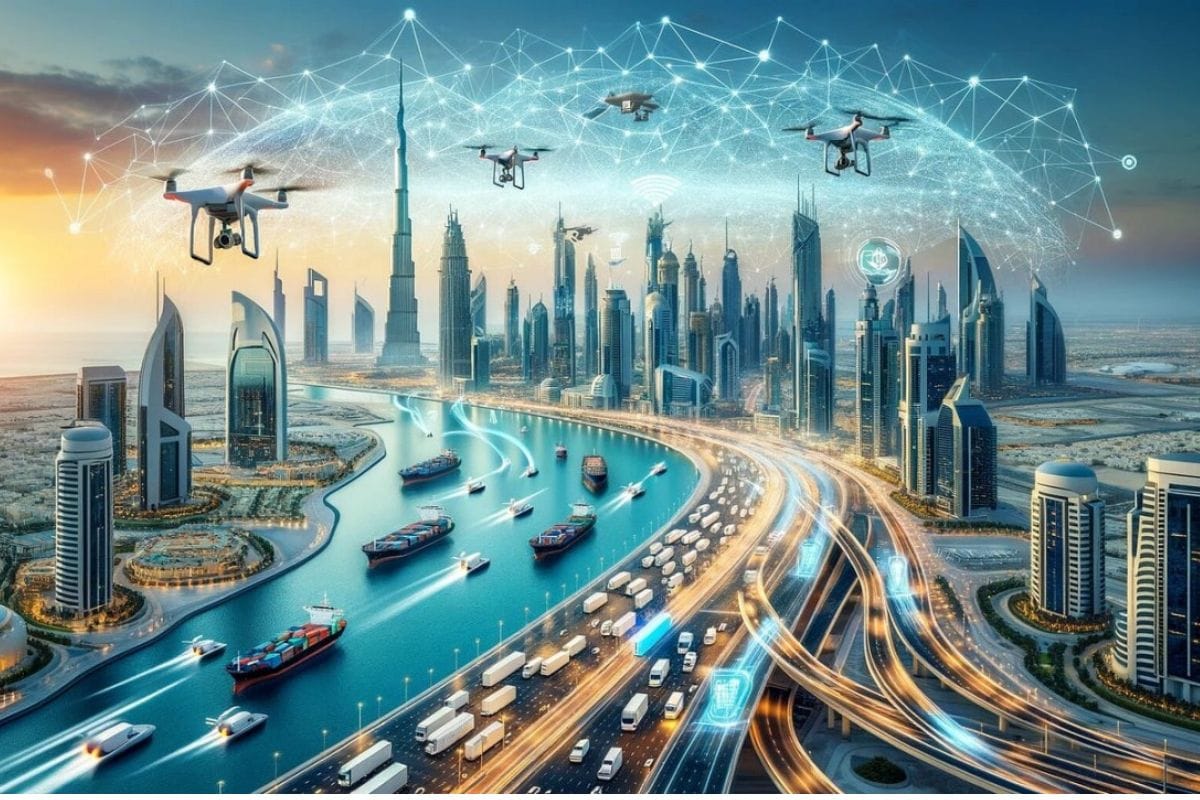
Looking toward the future, projections for 2025 and beyond suggest sustained growth in Dubai's logistics sector. EBITDA increases and throughput growth are expected to continue, driven by ongoing technological innovations and infrastructure investments.
Emerging technologies like quantum-inspired optimization solutions could fully transform supply chains by 2030, providing computational power to solve complex logistics problems that are currently beyond our capabilities. Autonomous systems may handle routine operations, allowing human expertise to focus on strategic planning and exception management.
Abu Dhabi's complementary strategy, which targets an AED 172 billion logistics sector size by 2031, creates opportunities for integrated regional logistics networks that leverage each emirate's strengths.
Recommendations for Businesses
For companies considering Dubai as part of their supply chain strategy, several key recommendations emerge:
Prioritize AI Adoption: Companies that invest early in AI-powered logistics optimization will have significant competitive advantages as the technology matures.
Leverage Free Zone Benefits: The tax advantages and streamlined processes in Dubai's free zones provide genuine value for international logistics operations.
Invest in Sustainability: Environmental considerations are becoming requirements rather than options. Early investment in sustainable logistics practices will pay dividends as regulations evolve.
Build Flexible Networks: The ability to adapt quickly to changing global conditions has become essential. Building flexibility into supply chain networks is crucial for long-term success.
The Future is Being Built Today
Dubai's transformation into a global logistics powerhouse represents more than just economic development – it's a glimpse into the future of international commerce. The emirate has demonstrated that strategic vision, combined with aggressive technology adoption and massive infrastructure investment, can create competitive advantages that benefit businesses worldwide.
The integration of AI, blockchain, IoT, and automation isn't just making logistics more efficient – it's making it more reliable, transparent, and sustainable. As global supply chains face increasing complexity and uncertainty, Dubai's model offers a roadmap for how technology can create resilience and opportunity.
For businesses worldwide, Dubai's logistics ecosystem provides unparalleled access to global markets, cutting-edge technology, and a business environment designed for growth. The emirate's success creates what industry observers call "chain reactions" – improvements in one area of the logistics network that cascade throughout the entire system, benefiting all participants.
As we look toward 2030 and beyond, Dubai's logistics hub status offers immense potential for businesses willing to embrace technological innovation and strategic thinking. The future of supply chains is being written in Dubai today, and that future looks remarkably promising.
Sources:
This article draws from industry reports including Persian Horizon, Knight Frank, Dubai Media Office, DP World corporate data, UAE Ministry of Economy publications, and real-time insights from logistics professionals operating in Dubai's supply chain ecosystem.
Also Read:
 Ummulkiram Pardawala
 Shahba Mayyeri
 HiDubai Newswire
 HiDubai Newswire