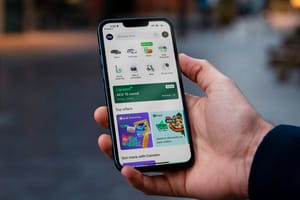
For most customers in Dubai, the journey to your business begins with a search. It might be “coffee near me” on Google Maps, “plumber Dubai” in a business directory, “Pakistani restaurant Business Bay” on a food platform, or “digital marketing agency” inside a local search portal. If your business is missing from these key touchpoints, or appears with incomplete, inconsistent details, many of those potential customers will never reach your website, WhatsApp, or front door.
In a city with thousands of SMEs competing for attention, being properly listed in the right online directories is one of the simplest and most cost‑effective ways to improve discoverability. It supports local SEO, reinforces your legitimacy, and gives customers multiple paths to find and contact you.
This article outlines the essential directory types Dubai businesses should consider in 2026, explains why each matters, and offers practical guidance on how to use them well.
Directory Types That Matter for Dubai Businesses
Rather than chasing every possible site, it helps to think in categories:
- Global local search (Google Business Profile)
- Pan‑UAE business directories
- Dubai‑focused business directories and local portals
- Sector‑specific platforms (food, property, services, e‑commerce)
- Government, chamber, and free‑zone directories
Your goal is to build consistent, high‑quality profiles across a sensible mix of these, based on your sector and audience. We'll explain on the above categories further below.
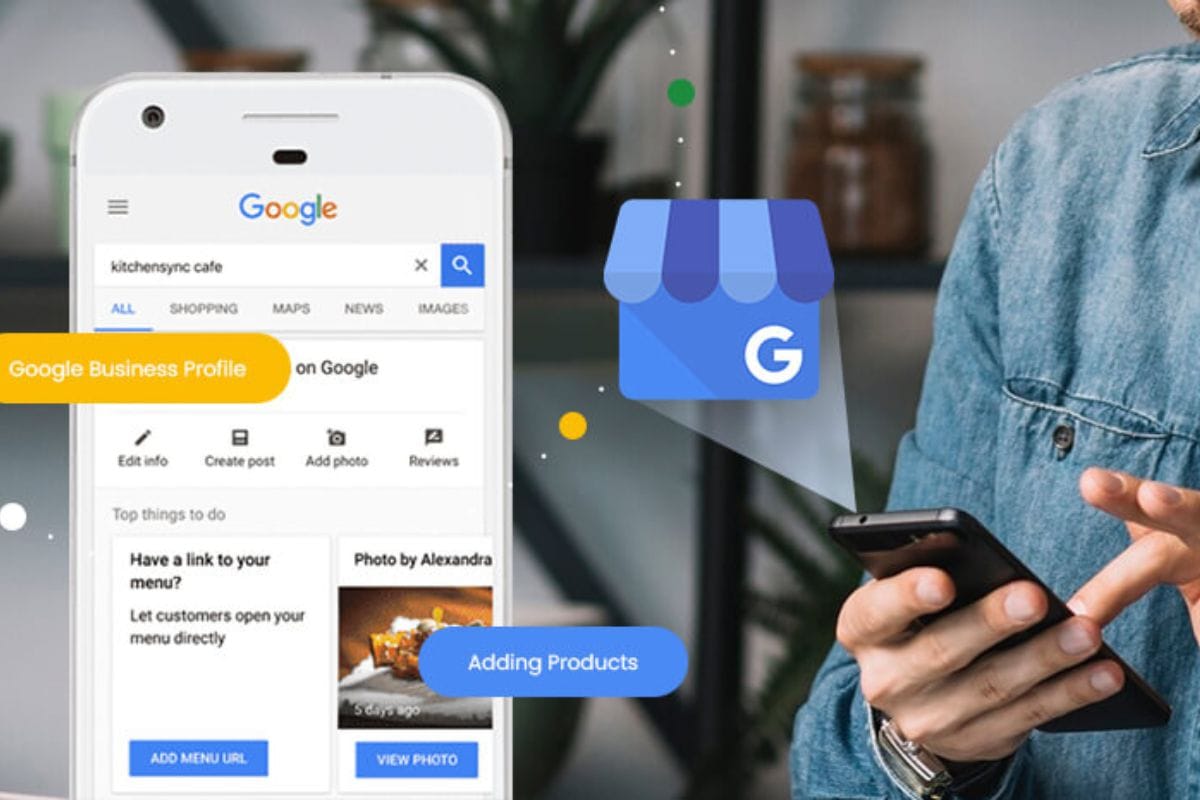
1. Google Business Profile: Your Primary Anchor
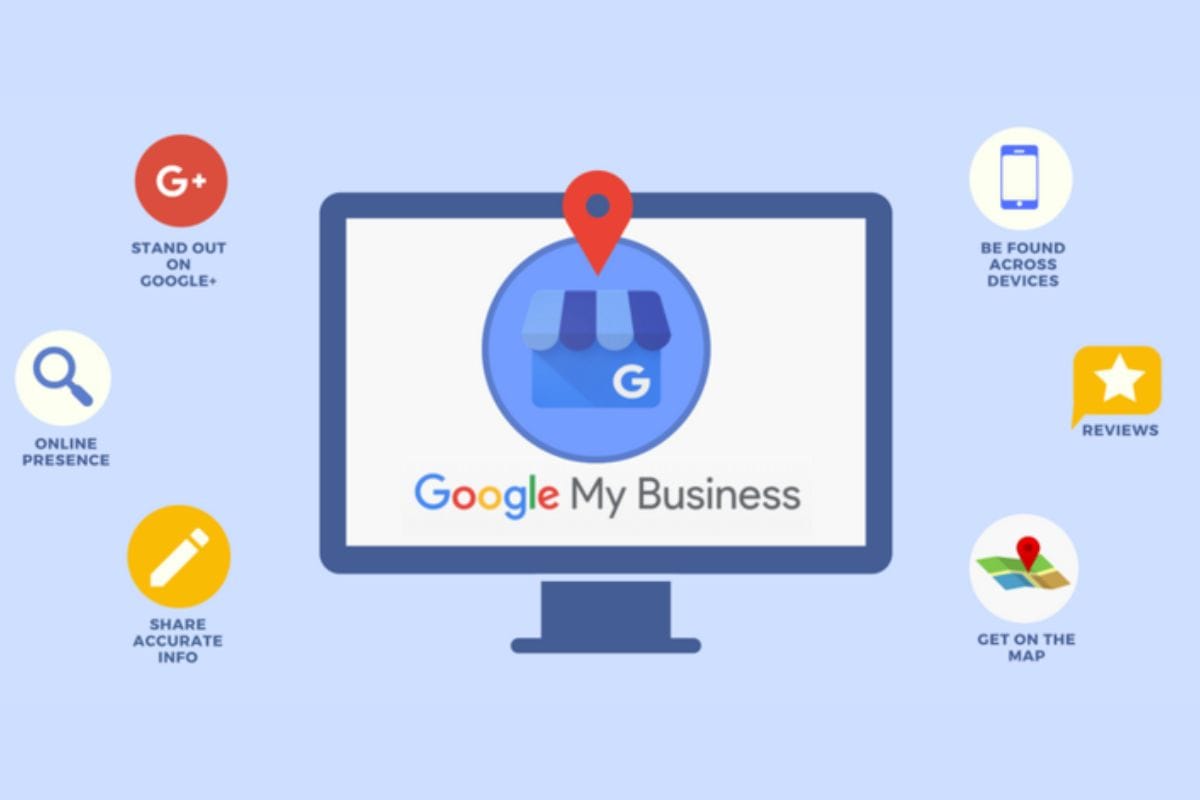
Every serious local visibility strategy starts with Google Business Profile (GBP). This is the listing that powers how you appear on Google Search and Google Maps for local queries.
Why it matters:
- It controls how you show up for “near me” and location‑based searches like “café in Business Bay” or “AC repair Dubai.”
- It shows key information at a glance: name, category, hours, address, phone, reviews, photos, and busy times.
- Well‑optimised profiles typically receive more clicks, calls and direction requests than incomplete ones.
How to optimise:
- Claim and verify your GBP (Google Business Profile) if you haven’t already.
- Ensure your name, address, phone (NAP), website and categories are accurate.
- Upload high‑quality photos of your storefront, interior, team, and products.
- Keep opening hours updated, including Ramadan and seasonal changes.
- Use Posts to share offers, events and updates.
- Respond to all reviews promptly and professionally.
Think of Google Business Profile as your non‑negotiable anchor; everything else reinforces it.
2. Pan‑UAE Business Directories
Pan‑UAE directories are general business portals that list companies from across the Emirates by category and city. Independent guides to the UAE’s directory ecosystem consistently highlight these as important citation sources and discovery channels.
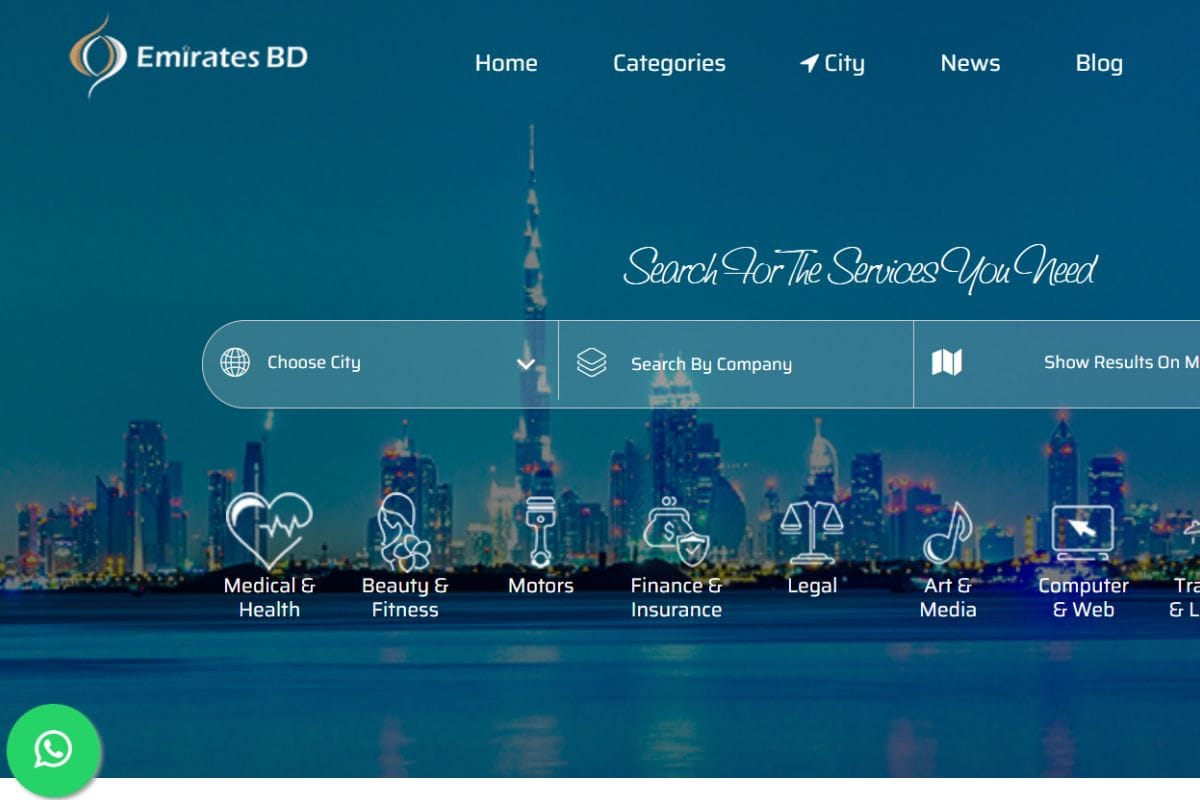
Key examples:
- Yellow Pages UAE – Long‑standing directory widely used for B2B and B2C searches.
- EmiratesBD – UAE‑wide directory allowing search by city (including Dubai) and category.
- Other UAE business directories featured in “best online business directories in UAE” round‑ups that allow filtering by emirate.
Why they matter:
- Provide additional citations on trusted domains, helping reinforce your NAP consistency across the web, which supports local search visibility.
- Often rank on the first page for generic searches like “cleaning services UAE” or “IT support Dubai,” giving you extra entry points beyond Google.
How to use them:
- Match your business name, address and phone exactly to your Google Business Profile.
- Choose the most relevant category rather than ticking every possible option.
3. Dubai‑Focused Directories and Local Portals
Dubai‑specific directories narrow the focus from “UAE” to the city, often down to neighbourhood level. They are used by residents, workers, and visitors looking for businesses in particular areas or sectors.
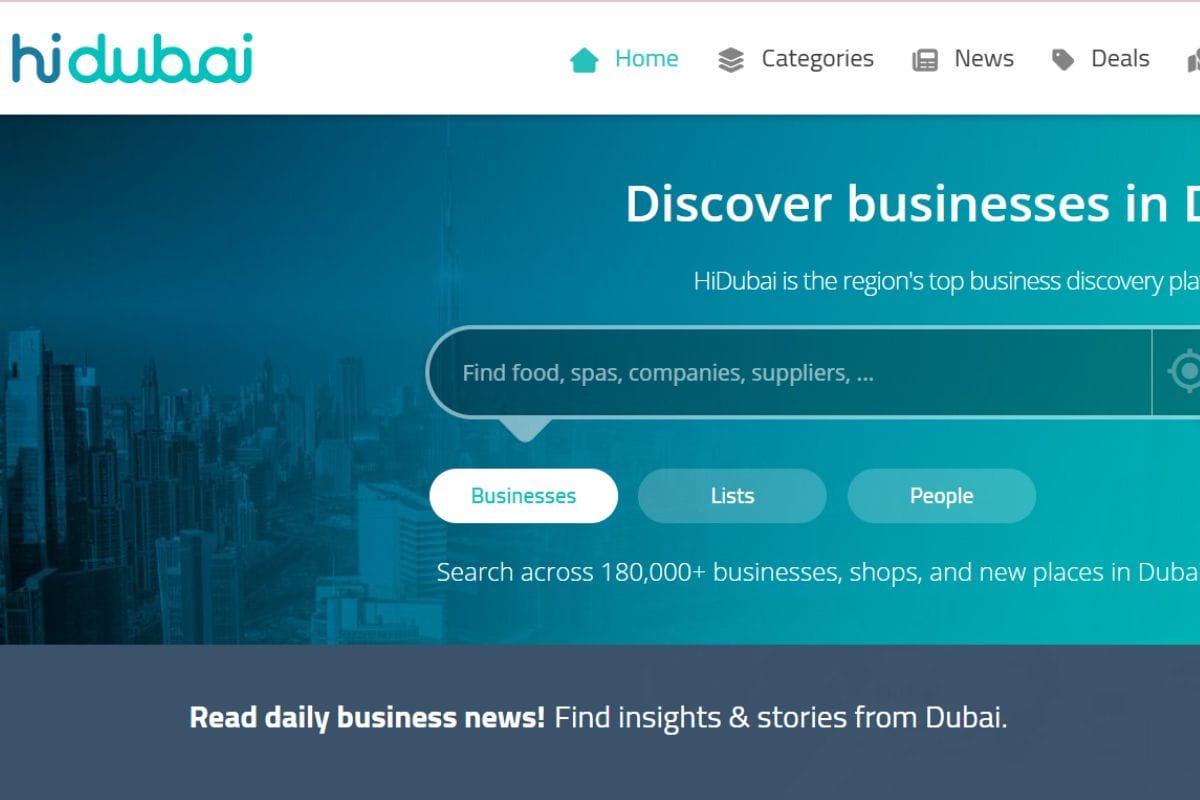
Key examples:
Independent lists of “essential Dubai business directories” generally include:
- HiDubai – City‑focused portal listing Dubai businesses across multiple sectors and areas.
- Dubai Business Directory–type sites – Portals specifically branded around Dubai businesses.
- Community and area directories – For example, directories managed by local business councils, community groups, or area‑specific sites (e.g., JLT, Dubai Marina or free‑zone communities).
Why they matter:
- Target people searching specifically for Dubai‑based businesses, often with filters for area and category.
- Operate as local guides with lists such as “best cafés in JLT” or “top salons in Jumeirah,” which strongly influence discovery and perception.
- Provide another layer of trust signals when customers see your brand across multiple Dubai‑relevant platforms.
How to use them:
- Fully complete your profile: logo, short and long descriptions, categories, exact location, opening hours, website and social links.
- Use search‑friendly phrases that reflect how people look for you (“family‑friendly restaurant in Deira,” “24/7 electrician in Dubai”).
- Keep photos, offers and contact details current so customers don’t run into out‑of‑date information.
4. Sector‑Specific Platforms (Food, Property, Services, E‑Commerce)
For many categories, your most influential “directory” is actually a vertical platform your customers already trust and use to compare options.
Food & beverage and hospitality
For restaurants, cafés, cloud kitchens, and attractions, customers commonly start with:
- Zomato – Menus, photos, reviews and ratings; widely used by residents.
- Talabat, Deliveroo, Careem – Delivery apps that also function as discovery channels, listing restaurants by area and cuisine.
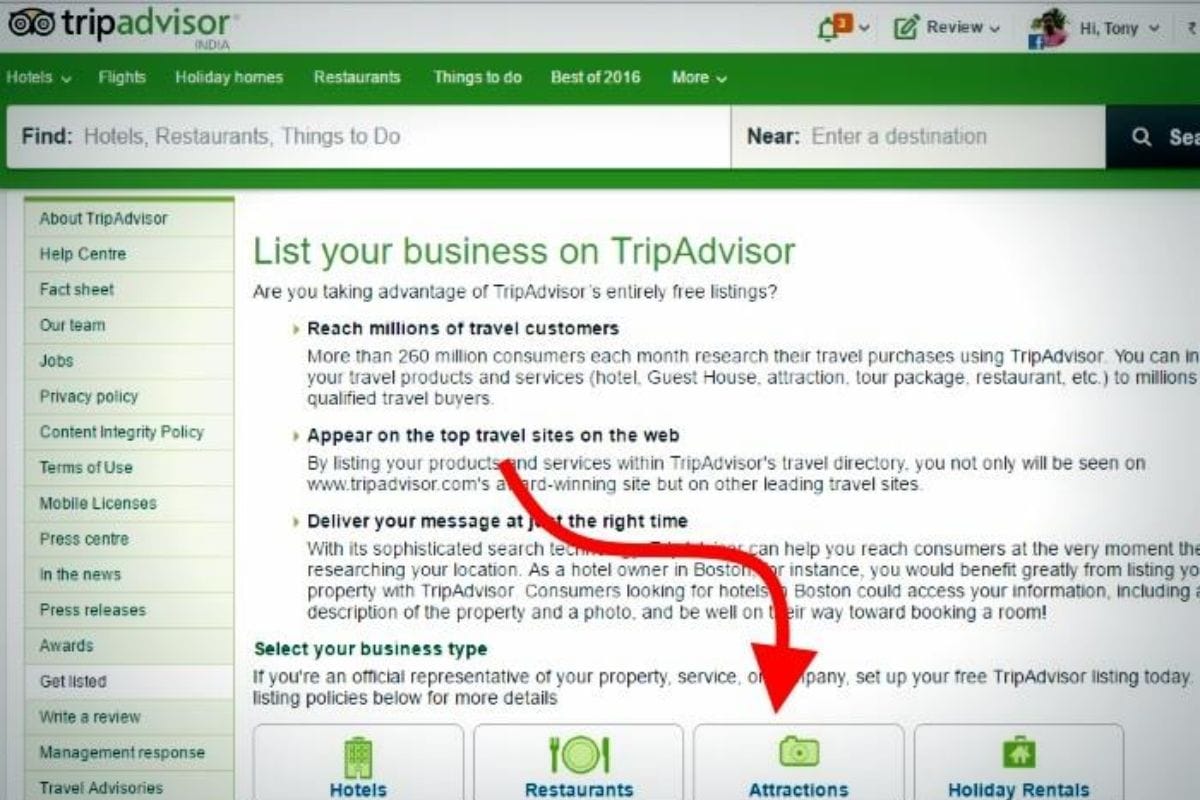
- Tripadvisor – Popular among tourists and hotel guests to find restaurants, tours and attractions.
Being well represented on these platforms can matter as much as general directories for F&B businesses.
Real estate and property services
For real estate brokers, developers, and property managers, property portals dominate search behaviour:
- Bayut
- Property Finder
- Dubizzle
Customers often begin directly on these portals when searching for rentals or properties for sale, so your presence there effectively acts as your main “directory listing” in this vertical.
E‑commerce and product‑based brands
If you sell physical products online:
- Noon – A major regional marketplace widely used for electronics, fashion, beauty, and home products.
- Amazon.ae – Marketplace with strong traction in categories like electronics, books, and many consumer goods.
For product‑based SMEs, these marketplaces can function as powerful discovery engines alongside your own website, but they are most relevant if you have shippable products and are ready to handle marketplace logistics and fees.
Professional and personal services
Depending on your niche, customers may also discover you through:
- Health and clinic search portals.
- Salon and spa booking apps.
- Home‑service platforms for cleaning, maintenance, and repairs.
How to use sector platforms:
- Prioritise the 1–3 platforms that dominate discovery in your category.
- Invest extra effort here: detailed descriptions, up‑to‑date pricing, clear service areas, and strong imagery.
- Monitor and respond to reviews; in many cases, ratings on these platforms heavily influence purchase decisions.
5. Government, Chamber, and Free‑Zone Directories
Official directories maintained by government bodies, chambers of commerce, and free‑zone authorities play a different role: verification, B2B discovery, and procurement.
Key examples:
- Dubai Chamber of Commerce – Business directories or member lists (where available) used for B2B networking and validation.
- Dubai Economy & Tourism (DET) – Certain initiatives and programmes provide partner or participant directories on official sites.
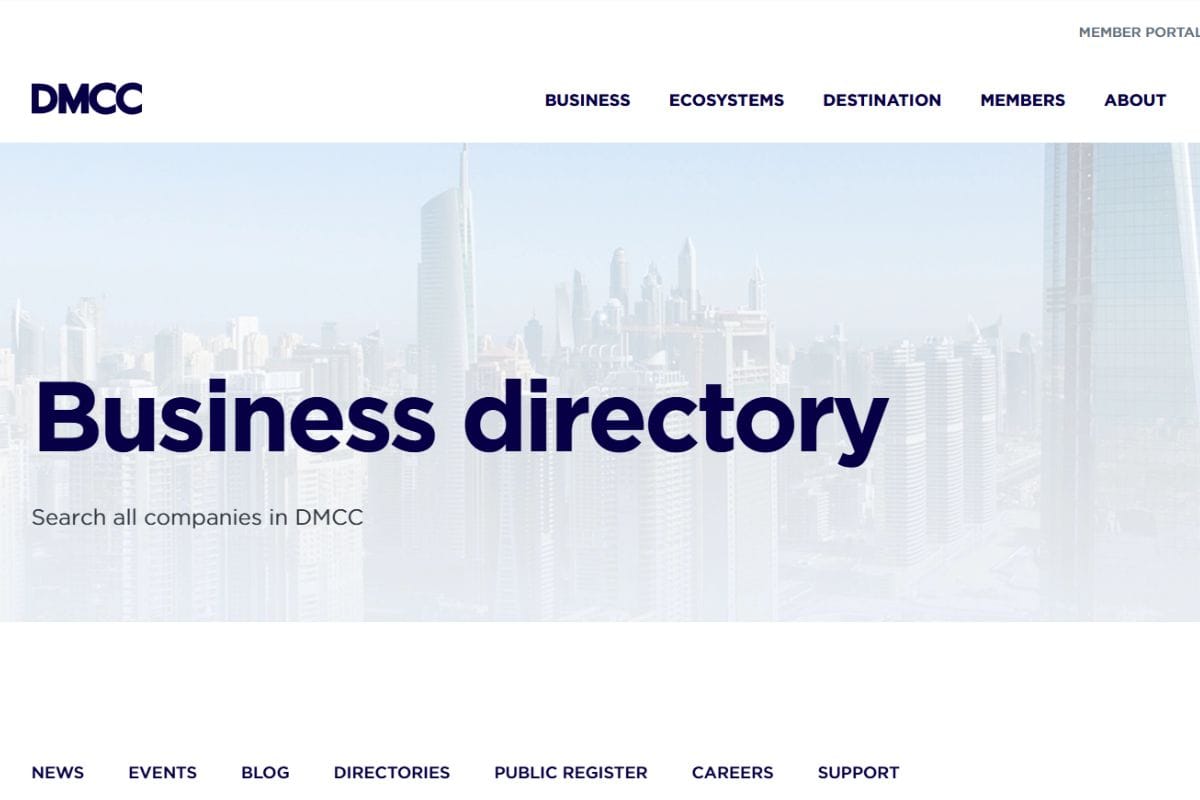
- DMCC Business Directory – Lists companies registered in the DMCC free zone by sector and location.
- Other free‑zone directories (e.g., JAFZA, DAFZA, DIFC, etc.) where public company lists are provided.
- Sharjah Chamber Business Directory for businesses with operations extending into neighbouring emirates.
Why they matter:
- Signal that your business is properly licensed and active in a particular jurisdiction.
- Are checked by some corporates, government buyers, and overseas partners as part of vendor due diligence.
- Add another credible citation, supporting your overall online footprint.
How to use them:
- Confirm that your listing (if you appear) has current trade name, address and contact details.
- Where membership or listing is optional, evaluate the cost/benefit for your sector (for example, if you rely heavily on B2B or export opportunities).
6. Making Your Listings Work Together
Knowing where to be listed is one part; making those listings function as a coherent, effective system is the other.
Consistency: one source of truth
Search practitioners repeatedly stress that consistent NAP information across major directories is a key local SEO trust factor.
- Decide on your canonical business name and stick to it across all platforms.
- Use the same address format and phone number everywhere.
- Ensure your website URL and key categories align.
When anything changes—address, phone, branding—update your top listings systematically.
Quality: treat each important listing like a mini landing page
On your highest‑impact platforms (Google Business Profile, a few UAE and Dubai directories, and key sector platforms):
- Write clear, benefit‑focused descriptions instead of generic keyword stuffing.
- Upload professional‑looking photos that show what customers can expect.
- Use strong calls to action like “Call for a free quote,” “Book online,” or “Order now.”
Small details—good imagery, up‑to‑date information, and recent responses to reviews—often determine which listing a customer chooses to click.
Measurement: track what’s actually driving results
To understand the value of your directory presence:
- Use analytics from major platforms (clicks, calls, direction requests).
- Add tracking parameters to links from directories to your website where possible.
- Use unique promo codes or offers per directory to attribute enquiries.
Over time, this data helps you decide where to invest more effort (or even paid placements) and where a simple, accurate listing is enough.
A Simple Action Plan for 2026
To turn this into action without overwhelm:
- Audit your current footprint
Search your business name and key services; list all places where you appear and assess how complete and current each profile is. - Prioritise by category
- Google Business Profile (anchor)
- 1–2 pan‑UAE directories (e.g., Yellow Pages UAE, EmiratesBD)
- 1–2 Dubai‑focused portals (e.g., HiDubai, Dubai‑branded directories)
- 1–3 sector platforms (e.g., Zomato/Talabat/Tripadvisor for F&B; Bayut/Property Finder/Dubizzle for real estate; Noon/Amazon.ae for relevant e‑commerce)
- Relevant chamber or free‑zone directories (e.g., DMCC Business Directory, Dubai Chamber listings)
- Standardise your data
Create a master document with your approved name, address, phone, website, short and long descriptions, and key categories. - Upgrade your top profiles first
Start with GBP and the 5–10 directories most likely to influence your customers, then move down the list. - Review regularly
Revisit your key listings quarterly to refresh photos, update hours, and correct any changes.
In Dubai’s competitive environment, online directories are part of your core visibility infrastructure. When you are present and well‑represented on the right platforms, your business becomes easier to find, easier to trust, and easier to choose.
Treat directory presence as a strategic layer of your marketing, not an afterthought. Done well, it quietly drives discovery and enquiries every day, supporting all your other efforts, from social media and ads to offline word‑of‑mouth, without demanding constant attention.
Also Read:
 Ummulkiram Pardawala
 Shahba Mayyeri
 Ummulkiram Pardawala
 Shahba Mayyeri
 Ummulkiram Pardawala