Traditional advertising is losing its impact as audiences become more selective and discerning. Today, consumers seek more than catchy slogans or eye-catching visuals; they want to engage with brands in meaningful, memorable ways.
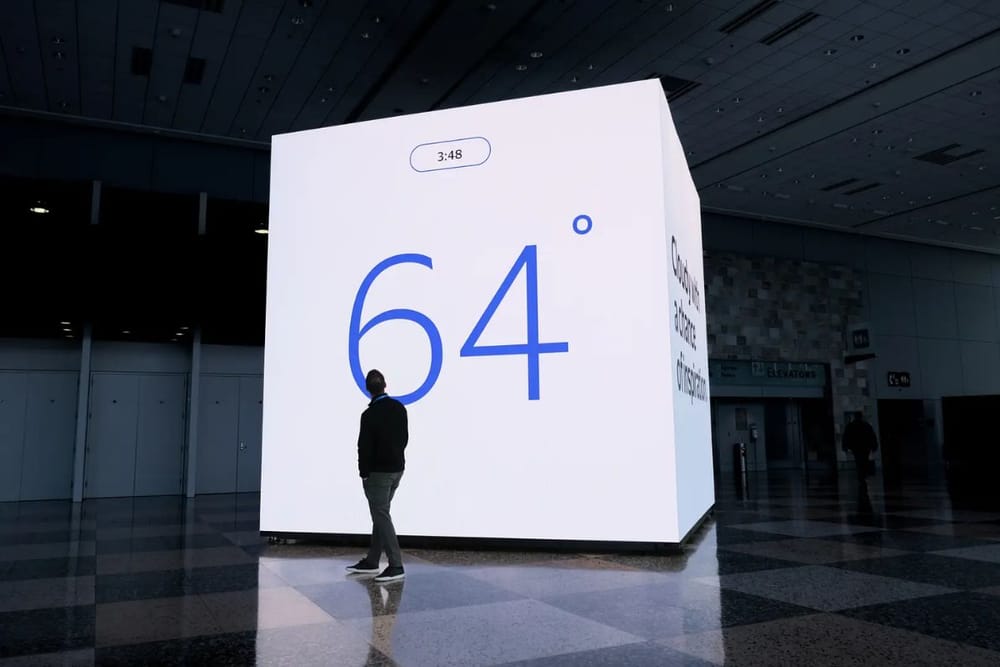
Experiential marketing delivers this by creating interactive and immersive experiences that connect with people on an emotional level, making brands more memorable and trusted. From pop-up installations at major shopping destinations to virtual reality activations at global expos, companies are discovering that experiences generate stronger engagement, conversations, and loyalty than conventional campaigns.
Dubai, with its tech-savvy population, international visitors, and vibrant lifestyle scene, offers the perfect environment for these innovative campaigns. Experiences in this market do more than sell products. They shape perceptions, build connections, and transform customers into advocates. For brands operating in the UAE, experiential marketing has become an essential tool to stand out and leave a lasting impression.
The Power of Experiential Marketing
Experiential marketing involves creating immersive, interactive events or activities that let people engage directly with a brand, rather than just watching or reading about it. Unlike traditional ads, those billboards, TV spots, or online banners that push messages at you, experiential marketing pulls you in, making you part of the story. It's about doing, feeling, and remembering, not just seeing.
From a psychological angle, experiences tap into our emotions in ways that static ads simply can't. When you participate in something hands-on, your brain forms stronger neural connections, linking the brand to positive feelings like excitement or joy. This builds emotional bonds that go beyond rational decisions, turning casual interest into genuine affinity. It's why a fun event can make you feel loyal to a brand long after it's over.
The benefits of experiential marketing over traditional advertising are clear, especially in a fast-paced world where attention spans are short. Here are some key advantages:
- Higher engagement: People actively participate, leading to deeper involvement rather than passive scrolling past an ad.
- Increased recall: Experiences are memorable; studies show participants remember them up to 65% longer than standard ads.
- Stronger brand loyalty: Emotional connections foster repeat business and advocacy, as customers feel personally invested.
- Better word-of-mouth: Attendees often share their stories on social media, amplifying reach organically.
- Measurable impact: Brands can track immediate feedback and conversions, unlike the guesswork with many traditional campaigns.
- Adaptability to audiences: Tailored experiences resonate more personally, cutting through ad fatigue in crowded markets.
- Long-term value: The ripple effects, like user-generated content, provide ongoing promotion without extra spend.
Take Coca-Cola's "Share a Coke" campaign as a global example. By personalising bottles with names and encouraging people to find and share theirs at pop-up events, it turned a simple drink into a social experience. Fans didn't just buy the product; they connected with it emotionally, boosting sales and loyalty worldwide. Similarly, Nike's interactive running events let participants test gear in real scenarios, making the brand synonymous with personal achievement.
Why Dubai is a Hotspot for Experiential Marketing
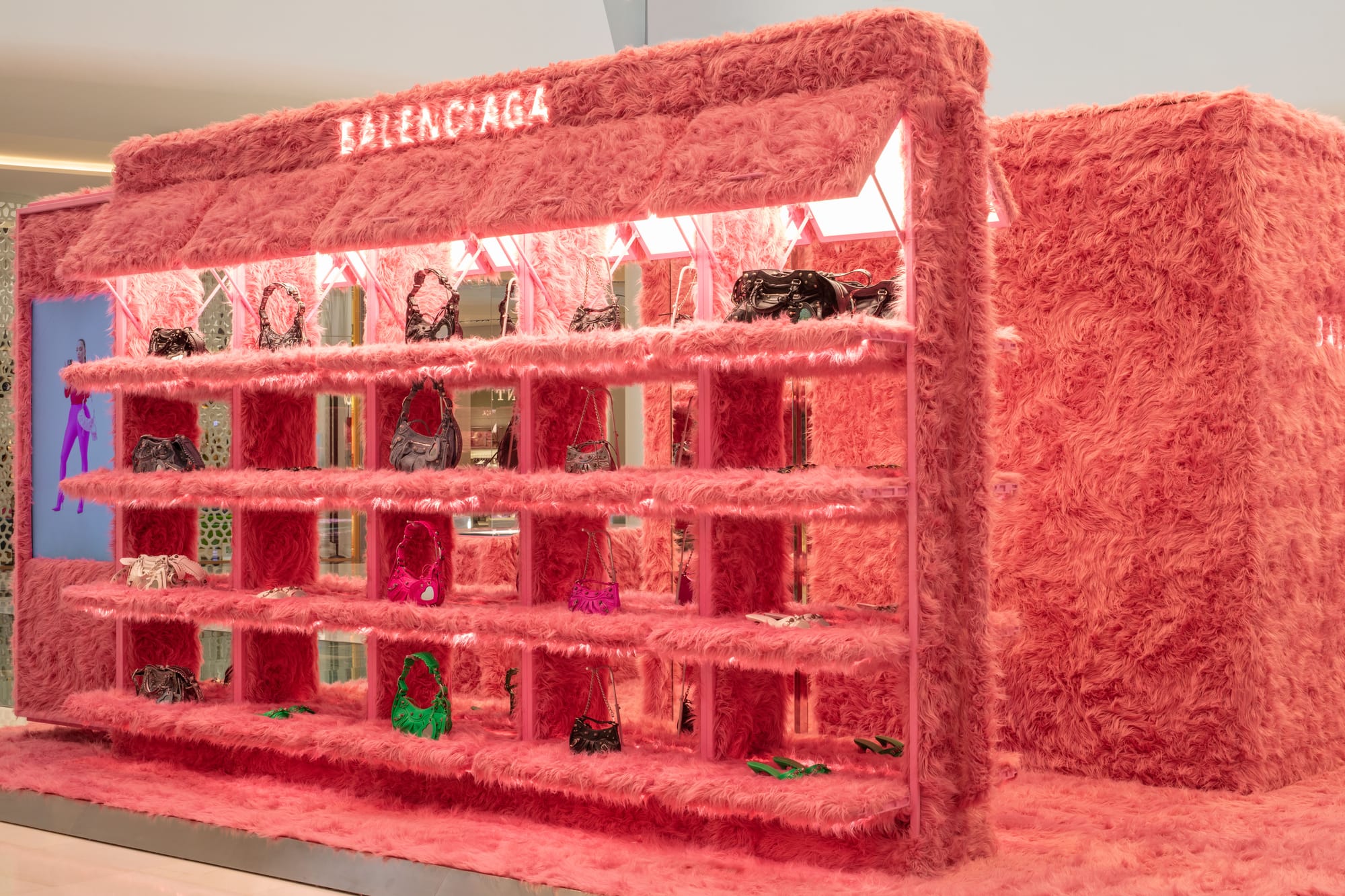
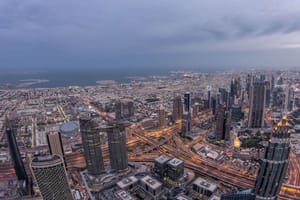
Dubai’s population reads like a global directory: over 200 nationalities, most under 40, earning well above average, and glued to Instagram, TikTok, and Snapchat. This mix of cultures, cash, and connectivity means brands can test bold ideas on an audience that’s already primed to share every moment online.
Tourists pour in, 17 million in 2024 alone, and they arrive with high expectations. A selfie in front of the Burj Khalifa isn’t enough; they want stories worth posting. Hotels, malls, and airlines know this, so they partner with brands to stage pop-up adventures that turn a holiday snapshot into a viral reel.
The calendar helps too. Expo 2020 Dubai (spilling into 2021) drew 24 million visits with pavilions that felt like theme parks for grown-ups, like Germany’s zero-gravity swing or Luxembourg's slide. The Dubai Shopping Festival lights up winter with concerts, fireworks, and midnight markets, giving brands built-in crowds. Add Art Dubai, Sole DXB, and the Food Festival, and there’s always a stage ready.
Then there’s the hardware: climate-controlled malls the size of small towns, a marina packed with yachts, and desert camps wired for Wi-Fi. Throw in a fleet of supercars for hire and a skyline that screams luxury, and you’ve got a playground for large-scale activations. Whether it’s a perfume launch inside an indoor rainforest or a sneaker drop on a floating platform in the Gulf, Dubai’s infrastructure makes the impossible look routine.
Types of Experiential Marketing in Dubai
Here are six ways brands bring the magic to life in Dubai; each one designed to stop thumbs mid-scroll and spark real conversations.
- Pop-up stores and interactive showrooms
These are temporary spaces that materialise almost overnight in high-traffic spots like malls, beachfronts, or even rooftop helipads. They transform ordinary retail into a limited-time event, blending exclusivity with accessibility. Visitors don’t just browse; they touch, test, customise, and immerse themselves in the brand’s world, creating a sense of urgency and privilege that drives immediate purchases and social shares. - Live events, brand activations, and sponsorships
From high-octane sports challenges to midnight concerts and cultural takeovers, these are large-scale, adrenaline-fuelled happenings that place the brand at the heart of the action. By aligning with major city-wide initiatives or creating standalone spectacles, companies tap into existing energy and crowds, delivering shared moments that feel authentic, communal, and impossible to ignore. - Digital-physical integrations (AR/VR experiences, metaverse tie-ins)
This is where cutting-edge technology meets real-world touchpoints. Augmented reality overlays, virtual reality simulations, and metaverse-linked activations allow users to step beyond physical limits: trying products in impossible settings, customising items in real time, or exploring digital extensions of physical spaces. The result is a fluid, futuristic journey that feels both innovative and deeply personal. - Social media amplification: user-generated content
Every element is designed with shareability in mind; striking backdrops, interactive installations, and seamless digital check-ins that encourage visitors to capture and post instantly. Hashtags, filters, and branded templates spread the experience far beyond the venue, turning attendees into voluntary promoters and extending the campaign’s lifespan through organic, trusted content. - Immersive dining and sensory takeovers
These go beyond food to engage all five senses—sight, sound, smell, taste, and touch. Themed environments, atmospheric lighting, curated soundscapes, and multi-course narratives transform a meal into a performance. Guests don’t just eat; they live a story, making the brand synonymous with indulgence, creativity, and unforgettable nights out. - Gamified challenges and reward loops
Competition, discovery, and instant gratification drive participation. Whether through city-wide treasure hunts, real-time leaderboards displayed on iconic structures, or location-based digital unlocks, these mechanics turn passive observers into active players. The promise of rewards, exclusive access, limited merchandise, or public recognition, keeps energy high and loyalty growing long after the event ends.
Challenges and Considerations
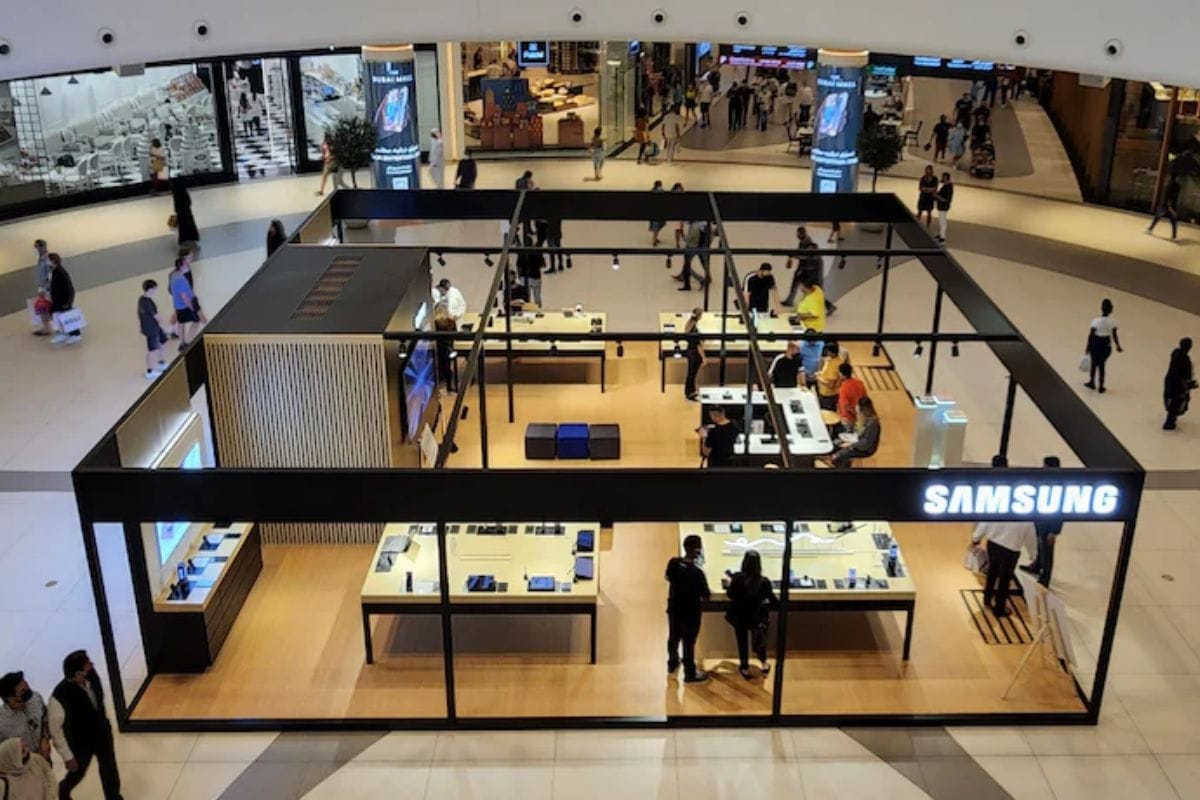
Running experiential campaigns in Dubai isn’t all glamour and gold dust; there are real hurdles to clear. Here are five key challenges, plus practical tips to turn them into wins.
- Cost and logistics of experiential campaigns
Building a pop-up rainforest or rigging a dinner table 50 metres up doesn’t come cheap. Venue hire, permits, tech installs, and staffing can balloon fast in a city where everything is premium.
Tip: Start small with modular kits that travel between malls and festivals. Partner with venues for shared costs—many malls offer activation spaces in exchange for footfall. - Measuring ROI compared to digital ads
Clicks and impressions are easy; counting smiles and selfies is trickier. Traditional KPIs fall short when the goal is emotion, not just eyeballs.
Tip: Layer tech from the start: QR check-ins, NFC wristbands, heat-map cameras. Tie every interaction to a data point: scans to sales, hashtag reach to sentiment scores. - Cultural sensitivity and local regulations
One misstep on modesty, language, or religious timing and the backlash spreads faster than the activation itself. Permits for public spaces, alcohol rules, and noise curfews add red tape.
Tip: Hire local cultural consultants early. Build modesty zones, schedule around prayer times, and pre-clear every visual with the Dubai Department of Tourism and Commerce Marketing (DTCM). - Making experiences inclusive
Dubai’s crowd spans wheelchairs to strollers, halal-only diets to vegan influencers. One-size-fits-all rarely fits anyone.
Tip: Design in layers, quiet corners for neurodiverse guests, braille signage, multilingual staff, and menu options for every restriction. Accessibility isn’t an add-on; it’s the foundation. - Keeping it memorable and shareable
In a city of constant spectacle, yesterday’s wow is tomorrow’s wallpaper. If it doesn’t spark a post, it didn’t happen.
Tip: Seed “hero moments”—a confetti cannon at the perfect second, a personalised takeaway, a filter that overlays the Burj Khalifa onto your selfie. Make the memory portable and irresistible to share.
Experiential marketing is no longer an optional strategy for brands in Dubai; it is a necessity. By creating immersive and interactive experiences, brands can engage consumers on a deeper level, foster loyalty, and generate lasting memories that traditional advertising struggles to achieve. Dubai’s dynamic environment, with its tech-savvy residents, international visitors, and appetite for innovation, makes it an ideal stage for brands to experiment and connect in meaningful ways.
Successful experiences turn audiences into advocates, spark conversation, and leave a lasting impression long after the event ends. For companies looking to stand out in a competitive market, the focus must shift from simply promoting products to creating moments that people want to share, remember, and be part of. In Dubai, experiences do more than sell; they define a brand, build relationships, and create a lasting impact.
Also Read:
 Umema Arsiwala
 Ummulkiram Pardawala
 Umema Arsiwala
 Shahba Mayyeri
 Shahba Mayyeri