The International Renewable Energy Agency (IRENA) has called for accelerated electrification powered by renewables over the decade to 2035, warning that a genuine energy transition means displacing fossil-fuel systems rather than adding new capacity to an unchanged energy mix.
The 2026 World Energy Transition Outlook sets out urgent reforms to realign the transition with the 1.5°C pathway following the current temperature overshoot. It notes that renewable additions set records in 2025, but grid upgrades are lagging, efficiency gains remain well below the required rate and energy demand keeps surging.
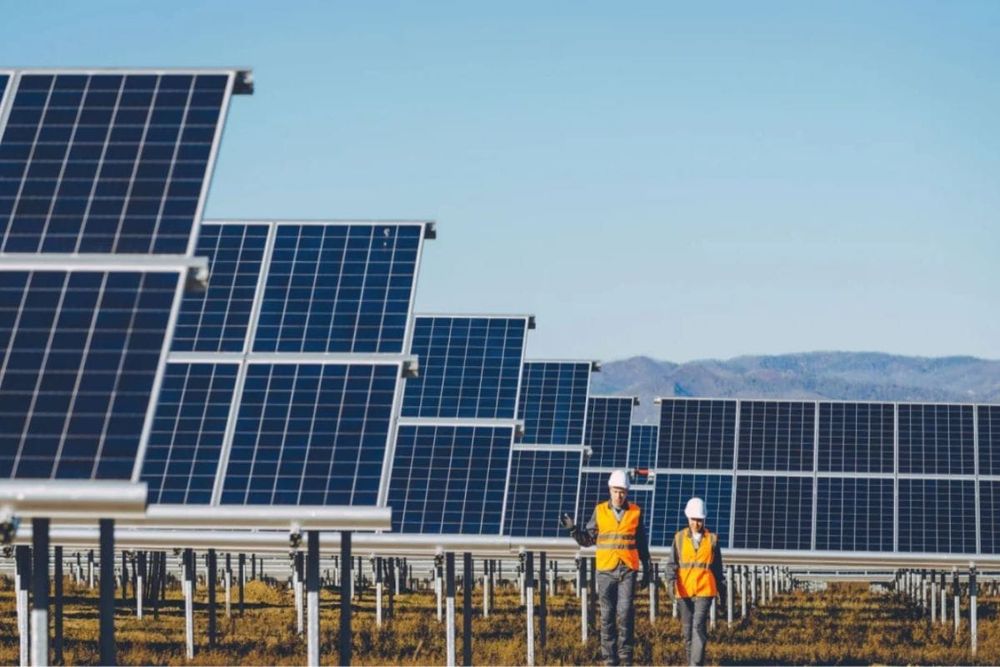
To get back on track, global installed renewable power would need to grow from 5.2 terawatts today to around 38.2 terawatts by 2050. Electricity’s share of final energy consumption would rise to 35% by 2035 and above 50% by 2050, with solar and wind supplying more than 80% of power by mid-century.
Francesco La Camera, Director-General of IRENA, said the transition is under stress and cannot be delivered by simply adding renewables to an unchanged system. He described electrification, grids, storage, flexibility and efficiency as the backbone of the transformation.
The report also makes an economic case. Under IRENA’s 1.5°C scenario, the global economy would grow 1.1% a year above business as usual, delivering cumulative gains of around USD 46 trillion by 2050. Renewable energy jobs could rise more than fivefold from just over 16 million today, and end-user power prices could fall 15% by 2050.
Delivering those gains would require cumulative investment of around USD 10.3 trillion between 2026 and 2050, mostly in renewable power, grids, flexibility and end-use electrification.
The report identifies seven priorities for the coming decade, including integrated energy and market planning, country-tailored roadmaps, grid modernisation and deeper international cooperation. La Camera said affordability and fair access must be built in from the outset so the benefits are widely shared.
News Source: Emirates News Agency