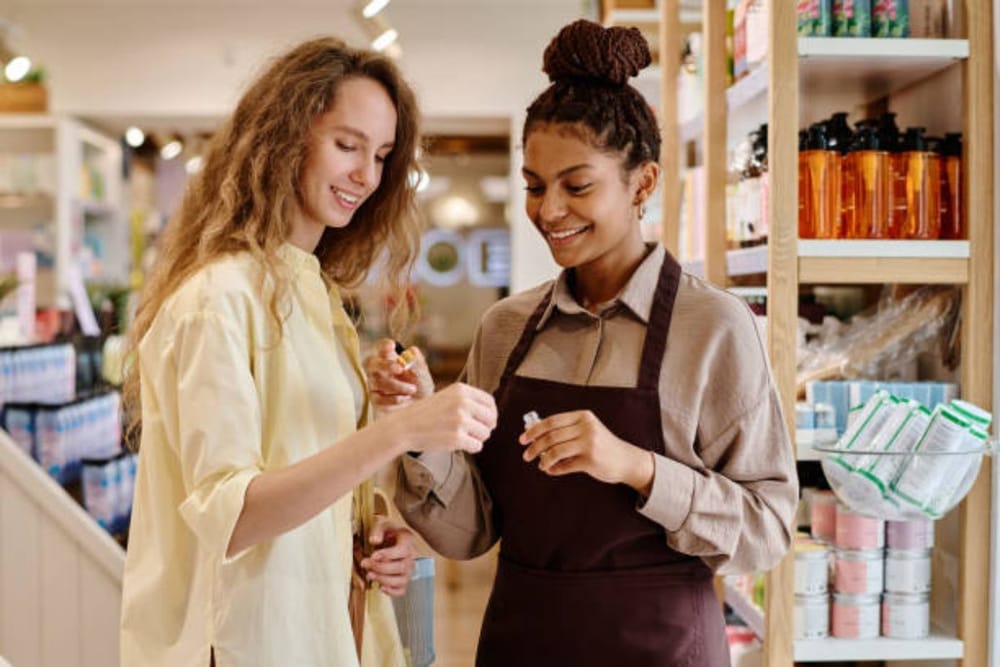
Dubai has always been synonymous with luxury, from its high-end fashion to ultra-modern architecture. The city’s malls are stages for immersive experiences that connect brands directly with consumers. In recent years, luxury skincare brands have embraced this trend through pop-up activations, transforming retail spaces into interactive worlds where customers can see, touch, and feel products before they buy.
These pop-ups go beyond traditional marketing by offering personalized experiences. They cater to the senses, delivering curated environments that make skincare routines feel like rituals rather than chores. From sleek, Instagram-worthy installations to tailored consultations with skincare experts, these pop-ups capture attention in a crowded market. For brands, the payoff is significant. They generate immediate sales, build brand loyalty, and gather valuable customer insights.
Dubai malls provide the perfect setting for these activations. High foot traffic, a diverse audience, and a population with a strong appetite for luxury create fertile ground for experiential marketing campaigns.
Explore how luxury skincare pop-ups are redefining consumer engagement, why they succeed in Dubai, and the strategies brands are using to make lasting impressions on shoppers.
What is Experiential Marketing?
Experiential marketing, often called XM or immersive marketing, focuses on creating direct, memorable interactions between a brand and its audience. Unlike traditional advertising that pushes messages through screens or print, experiential marketing invites people to participate actively. It turns passive observers into engaged participants through events, installations, or activations that stimulate the senses and evoke emotions.
In practice, this means setting up spaces where consumers can test products hands-on, receive expert advice, or enter themed environments that tell the brand's story. The goal is to build emotional connections that last longer than a quick ad view. For luxury skincare, experiential marketing bridges the gap between promise and proof. Shoppers can feel textures, inhale scents, see results from demos, and get personalized recommendations, making abstract benefits like "hydration" or "anti-aging" feel tangible and trustworthy.
This approach has gained traction because modern consumers crave authenticity. They want to experience a brand's values firsthand rather than rely solely on claims. In Dubai's competitive luxury scene, where malls double as social and entertainment hubs, experiential marketing fits seamlessly. It transforms shopping into an event worth sharing on social media, extending the brand's reach organically.
Why Experiential Marketing Works Best for Cosmetics Brands
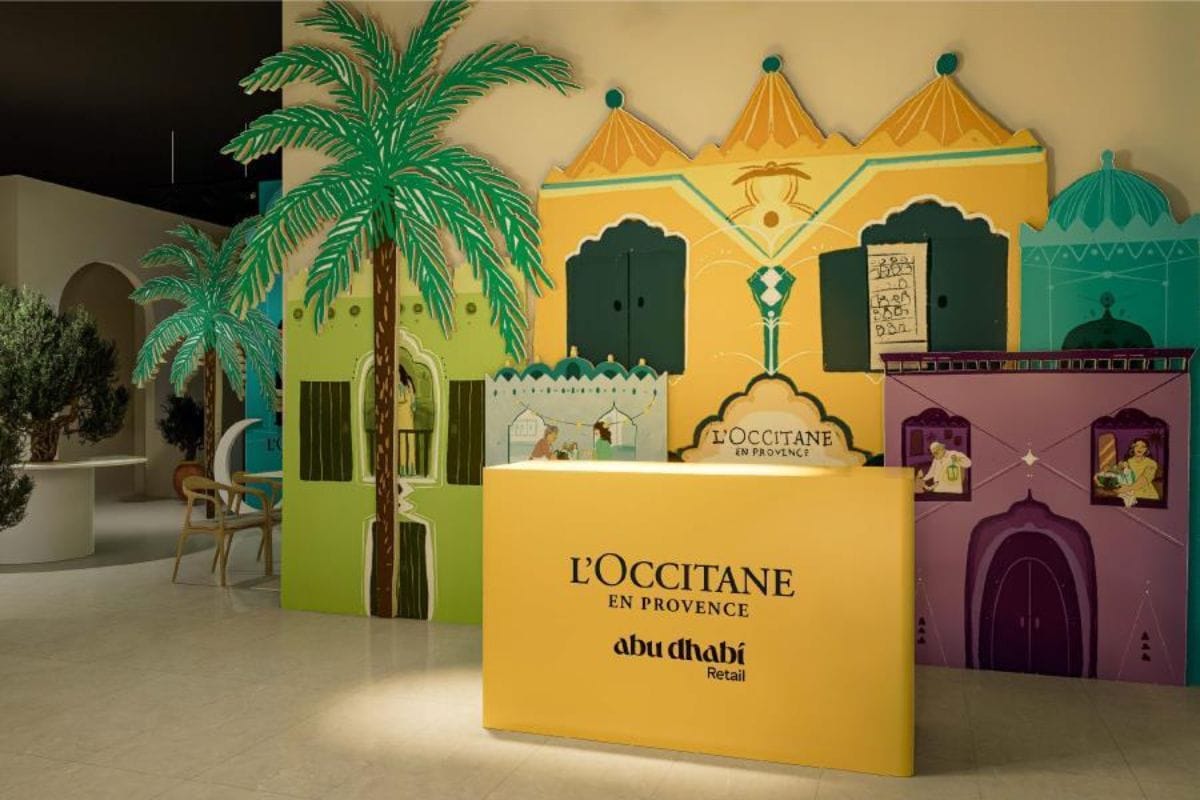
Cosmetics, especially luxury skincare, benefit immensely from experiential marketing because the category relies heavily on sensory and personal elements that digital or static retail can't fully capture. Products promise improvements in texture, glow, or youthfulness, but these results are subjective and often take time to appear. By letting consumers try before they buy, brands reduce uncertainty and build confidence.
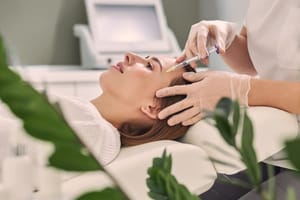
Skincare involves touch, smell, and visual transformation, making it ideal for multi-sensory engagement. A pop-up might include diagnostic tools for skin analysis, blending stations for custom serums, or relaxation zones with calming sounds and scents. These elements create emotional highs that drive loyalty and word-of-mouth sharing. Younger demographics, particularly Gen Z and millennials who dominate Dubai's beauty scene, prioritize experiences and are more likely to purchase after interactive trials.
For luxury brands, the high price point demands justification. Experiential activations showcase craftsmanship, rare ingredients, and innovation in ways that justify the investment. In Dubai, where beauty spending is among the highest globally and malls attract diverse, affluent crowds, these pop-ups tap into a culture that values exclusivity and spectacle. They also generate user-generated content, with visitors posting photos and videos that amplify reach far beyond the mall walls. Ultimately, experiential marketing turns one-off purchases into ongoing relationships by making the brand feel personal and memorable.
How to Design the Elements of the Pop-Up Store
Designing a successful luxury skincare pop-up requires thoughtful planning to balance aesthetics, functionality, and engagement. Start with a clear concept tied to the brand's identity, whether it's serene minimalism for clean beauty or opulent glamour for high-end lines.
Key design elements include layout for smooth flow: welcome zones to draw people in, interactive stations in the center, and quieter consultation areas toward the back. Use high-quality materials like marble counters, soft lighting, and mirrored surfaces to evoke luxury while incorporating Instagrammable features such as floral walls or glowing product displays.
Incorporate technology thoughtfully, such as AR mirrors for virtual try-ons or AI skin scanners that provide instant personalized routines. Sensory layers matter: diffuse signature scents, play ambient music, and offer textured testers to engage multiple senses.
Personalization stations are essential, with skincare experts offering tailored advice based on skin concerns common in Dubai's dry climate, like hydration or sun protection. Include giveaways, limited-edition items, or photo ops to encourage sharing.
Sustainability can enhance appeal with eco-friendly setups using recyclable materials. Ensure accessibility and comfort, with seating and clear signage. Test the design for crowd flow to avoid bottlenecks during peak mall hours. The best pop-ups feel like an extension of the brand world, leaving visitors inspired and eager to purchase.
Top Strategies Luxury Brands Use in Pop-Ups
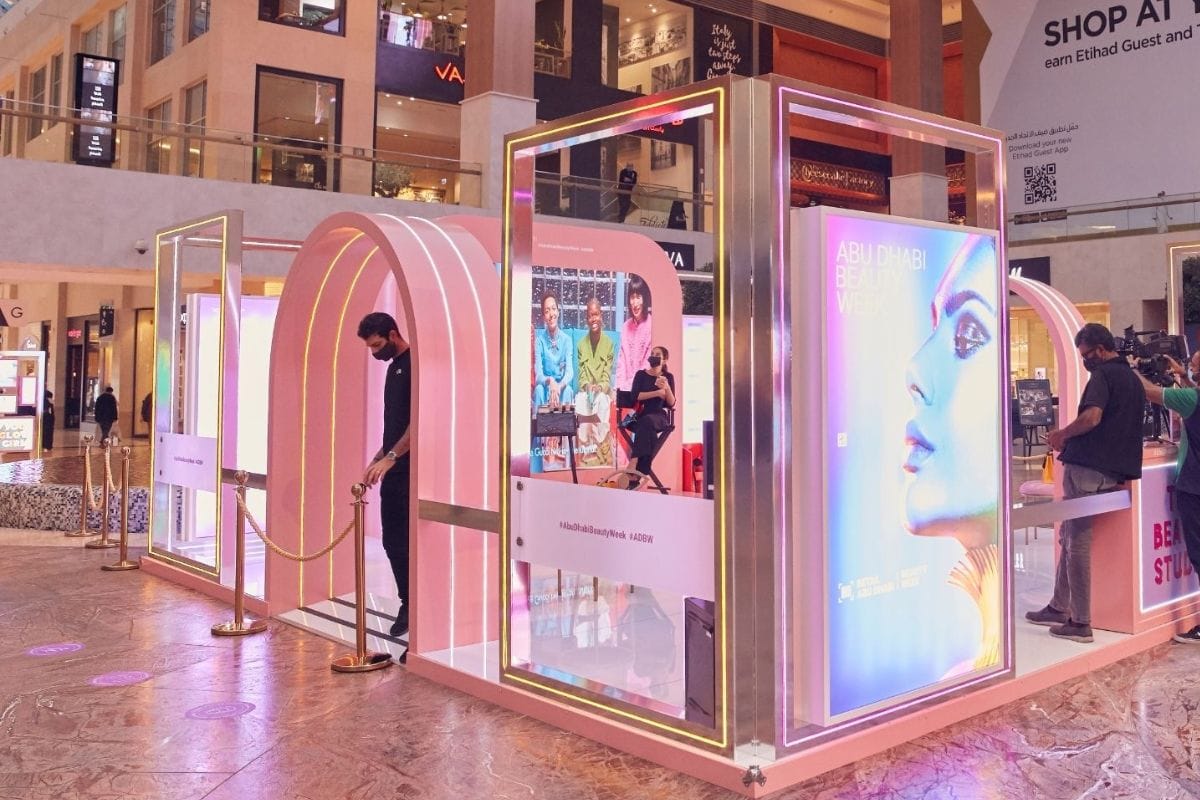
Luxury brands employ several proven strategies to maximize impact in Dubai mall pop-ups:
- Immersive Theming: Brands create fully themed environments, like candy-inspired wonderlands or gilded ASMR zones, as seen in recent activations at Galeries Lafayette Dubai and Valentino's airport pop-up.
- Personalized Consultations: Experts provide one-on-one skin analyses and custom recommendations, building trust and driving conversions.
- Exclusive Launches and Limited Editions: Debut new lines or region-specific products, creating urgency and FOMO.
- Masterclasses and Demos: Live sessions with pros teach application techniques, as in Beauty Unbound events featuring Charlotte Tilbury and Filorga.
- Collaborations and Crossovers: Partner with influencers, cafes, or other brands for hybrid experiences, like Charlotte Tilbury's tie-up with EL&N.
- Tech Integration: Use AR for virtual trials or interactive games to blend digital and physical engagement.
- Sensory and Wellness Focus: Offer relaxation elements like calming zones or multi-sensory experiences to align with Dubai's wellness trend.
- Social Media Amplification: Design shareable moments and encourage tagging for organic buzz.
These strategies help brands stand out in high-traffic malls while fostering deeper connections.
Trends Shaping the Future of Experiential Skincare Marketing
Looking ahead to 2026 and beyond, several trends are redefining experiential skincare:
- Hybrid Physical-Digital Experiences: Blending in-person pop-ups with AR/VR extensions and AI personalization for seamless online-offline journeys.
- AI-Powered Personalization: Advanced diagnostics and predictive recommendations make every interaction feel uniquely tailored.
- Sustainability and Eco-Design: Refill stations, recyclable setups, and ethical storytelling appeal to conscious consumers.
- Wellness and Ritual Focus: Emphasis on feel-good rituals, inner calm, and sensory comfort amid global stresses.
- Community and Inclusivity: Building loyal communities through events that invite diverse participation beyond influencers.
- Regenerative and Longevity Science: Demos highlighting biotech innovations for long-term skin health.
- Experiential Budget Growth: More brands allocate significant spend to activations as core strategy.
These trends ensure pop-ups evolve into meaningful, future-proof engagements.
Challenges and Considerations
While rewarding, pop-ups face hurdles. High setup costs in prime mall locations demand strong ROI through sales tracking and data collection. Securing space requires early planning and partnerships with mall operators or retailers like Sephora.
Competition is intense in Dubai's saturated market, so differentiation through unique storytelling is crucial. Logistical issues like crowd management, staff training, and compliance with local regulations on product claims must be addressed.
Sustainability pressures grow, requiring eco-friendly practices without compromising luxury appeal. Measuring success beyond immediate sales, via engagement metrics, social reach, and long-term loyalty, helps justify investments.
By anticipating these challenges and focusing on authentic, high-value experiences, brands can navigate them effectively and continue thriving in Dubai's dynamic retail landscape.
Luxury skincare pop-ups in Dubai malls represent the pinnacle of experiential marketing, blending innovation with the city's opulent spirit. As trends evolve, these experiences will continue to captivate, offering glimpses into the future of beauty retail.
Also Read:
 Shahba Mayyeri
 Ummulkiram Pardawala
 Umema Arsiwala
 Shahba Mayyeri
 Ummulkiram Pardawala