
Dubai operates on momentum. New businesses launch daily, customer expectations evolve quickly, and decisions often need to be made before there is complete certainty. In such an environment, the way a business owner observes situations, people, and patterns plays a major role in how confidently they grow.
Entrepreneurship begins with awareness. It involves recognizing problems as they appear, taking responsibility for decisions, and staying engaged as conditions change. It is shaped by attention, consistency, and the ability to respond with clarity and precision. Peter Drucker described this well when he said,
“The entrepreneur always searches for change, responds to it, and exploits it as an opportunity.”
That response is rooted in observation.
Entrepreneurs develop a habit of noticing details that matter. Certain customer requests appear repeatedly. Some processes feel slower than expected. Small actions influence trust early on. Asking questions around these moments helps reveal how the market is moving and what people value.
This way of seeing supports intentional decision-making. Business owners begin to recognize patterns as they form, adjust their approach sooner, and rely on understanding rather than assumptions. Observation extends beyond outcomes and includes behavior, timing, and context.
Seeing the world as an entrepreneur is a skill that develops over time. Curiosity initiates it, observation strengthens it, and practice refines it. In a city that values clarity and adaptability, this perspective serves as a reliable guide for steady and sustainable growth.
Here are a few ways entrepreneurs train themselves to observe, interpret, and respond to the world around them.
Learning to Spot Problems before Spoting Opportunities
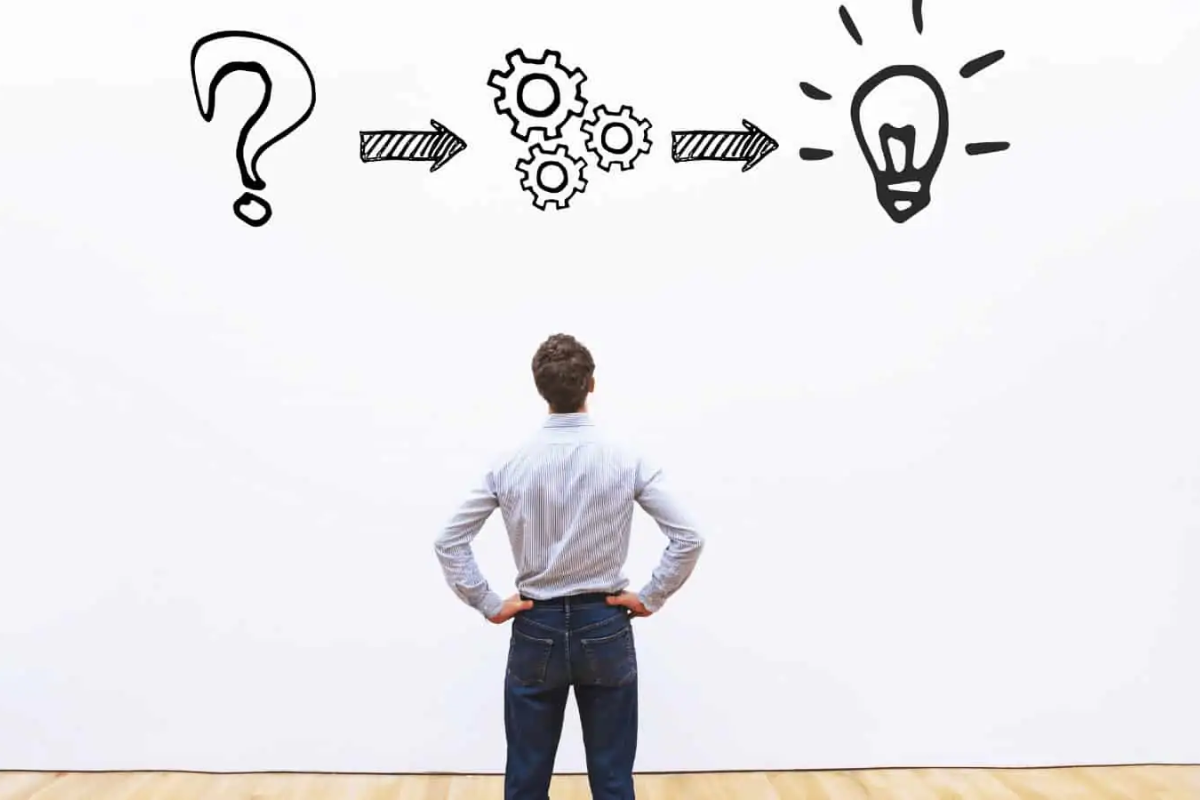
Every business begins with a problem, even if it is later described as an opportunity. Entrepreneurs who grow steadily train themselves to notice everyday friction before trying to chase big ideas. Small frustrations often reveal exactly where value is missing.
Look closely at daily interactions. Customers repeat the same questions. Processes take longer than expected. A service feels harder to use than it should be. These moments are easy to ignore because they feel ordinary, yet they highlight unmet needs. Why does a customer need to follow up twice for a simple update? Why does a checkout process feel confusing? Why does a service require manual work when it could be simplified?
Many well-known businesses were built by paying attention to such details. Food delivery platforms emerged from the inconvenience of limited dining options. Digital payments grew from the frustration of handling cash and delays. Subscription services expanded because people wanted consistency without repeated effort. The pattern remains the same across industries: irritation points reveal demand.
This way of thinking shifts how problems are perceived. Instead of seeing complaints as interruptions, entrepreneurs treat them as feedback. Instead of fixing symptoms temporarily, they ask what caused the issue in the first place. What is slowing people down? What feels unnecessarily complicated? What keeps repeating?
In Dubai’s service-driven market, where convenience and speed influence purchasing decisions, this skill becomes especially valuable. Customers often expect solutions that fit seamlessly into their routines. When a business owner listens carefully to friction points, they gain insight that no market report can fully capture.
Spotting problems first creates clarity. It grounds ideas in real needs rather than assumptions. Over time, this habit builds businesses that solve relevant issues, earn trust naturally, and grow through usefulness rather than hype.
Training Yourself to Think in Experiments, Not Guarantees

Entrepreneurs rarely have the luxury of certainty. Markets change, customer behavior shifts, and assumptions are often proven wrong once a product or service meets real users. This is why successful founders learn to think in experiments rather than guarantees.
An experiment is a small, controlled test designed to answer one clear question. Will customers pay this price? Does this message resonate? Does this process reduce time or cost? Instead of investing heavily upfront, entrepreneurs test ideas in limited, low-risk ways. A pilot offer, a soft launch, a limited campaign, or a prototype can reveal more than months of planning.
Quick feedback is the real advantage here. Early responses from customers highlight what works, what needs adjustment, and what should be dropped altogether. This feedback allows decisions to be based on evidence rather than assumptions. What are customers actually doing, not just saying? Where are they hesitating? What excites them enough to take action?
Learning before scaling protects both time and resources. Scaling an untested idea often amplifies problems instead of results. When experiments guide growth, businesses expand with confidence, knowing their systems, pricing, and value proposition are already aligned with real demand.
Thinking this way builds resilience. It encourages adaptability, reduces costly mistakes, and keeps businesses responsive in environments where speed and clarity matter.
Seeing Money as a Tool, Not the Goal

Entrepreneurs develop a practical relationship with money. Instead of treating it as an end goal, they view it as a tool that enables growth, learning, and stability. This perspective shapes how spending decisions are made and how risk is evaluated.
Every expense is weighed against its purpose. Does this investment improve efficiency? Does it help acquire or retain customers? Does it reduce long-term costs or dependency on manual effort? Money is directed toward activities that create measurable progress, rather than short-term appearances or emotional comfort.
Risk is assessed through control and learning. Entrepreneurs often commit only what they can afford to lose at an early stage, using smaller investments to test assumptions before allocating larger budgets. This approach limits exposure while still allowing room to experiment and gather insight. Where will this money teach something valuable, even if the outcome is not immediate profit?
Returns are not measured only in revenue. Time saved, processes improved, customer trust built, and knowledge gained are all considered valid outcomes. These returns compound over time and often lead to stronger financial results later. Is this spending creating momentum, or simply maintaining the status quo?
By treating money as a strategic resource rather than a scorecard, entrepreneurs make calmer decisions. They focus on sustainability, clarity, and long-term value, ensuring that each financial choice supports the business beyond the present moment.
Understanding People beyond Demographics

Successful entrepreneurs look beyond surface-level descriptions of their customers. Age, income, and job titles offer basic context, yet they rarely explain why people make certain decisions. Real insight comes from observing behavior.
Behavior reveals intent. What do customers hesitate over before buying? Which features do they ignore? When do they abandon a process, and when do they return without being prompted? These actions provide clearer signals than any demographic label. People with similar profiles often behave very differently depending on urgency, trust, convenience, and perceived value.
Needs are often situational rather than fixed. A customer may prioritize price in one moment and reliability in another. Time pressure, lifestyle, and environment influence decisions more than age or income alone. Why does a customer choose a faster option despite a higher cost? Why do they return to a familiar brand even when alternatives are available?
Decision patterns help entrepreneurs predict outcomes. Some customers seek reassurance through reviews and recommendations. Others respond to clarity, speed, or simplicity. Observing how long decisions take, what questions are asked, and what triggers action allows businesses to refine messaging, pricing, and delivery.
Understanding people at this level leads to more relevant offerings. It reduces guesswork, improves customer experience, and builds trust through alignment. When businesses respond to how people actually behave, decisions become clearer, and growth becomes more consistent.
Building with Systems Instead of Constant Effort

Sustainable businesses are built on systems, not constant effort. Entrepreneurs who rely only on personal involvement often experience slow growth, burnout, and inconsistent results. Systems create structure, clarity, and repeatability.
A system is a documented way of doing things that delivers the same outcome regardless of who performs the task. This includes customer onboarding, order processing, service delivery, follow-ups, and financial tracking. When processes are clear, decisions take less time, and mistakes are reduced naturally. How is a task completed when you are not available? What happens when volume increases suddenly?
Systems allow businesses to scale without losing control. They turn experience into process and effort into efficiency. Instead of solving the same problem repeatedly, entrepreneurs design a workflow once and improve it over time. This frees mental space for strategy, partnerships, and growth-focused decisions.
Consistency is another key benefit. Customers receive the same level of service every time, which builds trust and reliability. Teams work with clarity, expectations are defined, and accountability becomes easier to maintain. Where does confusion slow things down? Which tasks rely too heavily on memory rather than structure?
By investing time in systems early, entrepreneurs reduce dependency on constant supervision. Growth becomes manageable, quality remains stable, and the business operates with confidence rather than exhaustion.
Viewing Competition as Information, Not a Threat

Entrepreneurs who grow with clarity observe competitors closely without becoming reactive. Competition reflects market demand, customer preferences, and emerging standards. When approached calmly, it becomes a source of information rather than pressure.
Competitor activity reveals what customers value enough to pay for. Pricing models, service formats, delivery timelines, and marketing messages all signal what the market currently responds to. Why are certain offerings gaining attention? What expectations are being set across the industry? These observations help businesses adjust with intention instead of assumption.
Market awareness also highlights positioning gaps. Similar products may serve different needs through convenience, specialization, or experience. Studying competitors helps entrepreneurs refine their own strengths rather than imitate blindly. Where are customers underserved? Which complaints appear repeatedly across similar businesses?
Emotional reactions often lead to rushed decisions such as unnecessary discounts, sudden pivots, or over-expansion. A measured approach encourages analysis instead. What can be learned here? What does this change reveal about customer priorities?
By treating competition as feedback, entrepreneurs stay informed, focused, and grounded. Decisions become strategic rather than defensive, allowing businesses to evolve alongside the market with confidence and stability.
Thinking Long-term while Acting Short-term

Entrepreneurs operate in two timeframes at once. Short-term actions keep the business moving, while long-term thinking provides direction and consistency. Balancing both allows progress without losing focus.
Short-term execution focuses on what can be tested, improved, or delivered now. Daily operations, customer interactions, and immediate decisions generate real-world feedback. These actions reveal what works in practice, not theory. What can be implemented this week that improves clarity, speed, or customer experience?
Long-term thinking guides those actions. A clear vision helps entrepreneurs decide which opportunities align with their goals and which distractions to ignore. It shapes choices around partnerships, branding, pricing, and capability building. Where is the business meant to be in three to five years? What skills, systems, or relationships need to be built gradually?
When long-term direction is clear, short-term decisions become easier. Effort is concentrated rather than scattered. Resources are allocated with purpose, and growth remains intentional. Adjustments happen without losing identity.
This balance keeps businesses adaptable without becoming reactive. Entrepreneurs move forward steadily, using short-term execution to validate progress while staying anchored to a future they are actively building.
Developing Comfort with Uncertainty and Change

Uncertainty is a constant in entrepreneurship. Market conditions shift, customer preferences evolve, regulations update, and external events influence demand with little warning. Entrepreneurs who remain effective over time learn to operate without complete information and adjust as conditions change.
Adaptability allows businesses to respond early rather than react late. When feedback signals a shift, flexible entrepreneurs reassess quickly. They refine offers, adjust pricing, modify processes, or reposition messaging without hesitation. How quickly can a business adapt when a strategy no longer delivers the same results?
Comfort with uncertainty improves decision-making. Instead of delaying action while waiting for clarity, entrepreneurs rely on available data, experience, and structured testing. This approach keeps momentum steady while reducing exposure to big, irreversible mistakes. What can be adjusted now without disrupting long-term stability?
Change also drives learning. New challenges often reveal better ways of operating, introduce stronger systems, and uncover new opportunities. Entrepreneurs who accept change as part of growth remain open to improvement rather than attached to outdated methods.
By developing adaptability as a core skill, business owners maintain relevance, resilience, and confidence. They build organizations capable of evolving alongside their environment, ensuring continuity even as conditions shift.
Adopting an entrepreneurial way of seeing changes how everyday moments are interpreted. Conversations become insight. Delays become signals. Patterns start to stand out where there once was noise. This shift influences decisions quietly but consistently, shaping how priorities are set and how energy is directed.
Over time, confidence grows from clarity rather than optimism. Business owners begin to trust their ability to read situations, respond thoughtfully, and adjust without losing direction. Decisions feel less reactive because they are rooted in observation and understanding, not pressure.
Growth then becomes more deliberate. Instead of chasing momentum, entrepreneurs build it through informed choices, steady execution, and alignment with real needs. Seeing the world this way does not guarantee outcomes, but it strengthens judgment, focus, and resilience, which ultimately define how far and how sustainably a business can go.
Also read:
 Shahba Mayyeri
 Shahba Mayyeri
 Ummulkiram Pardawala
 Ummulkiram Pardawala