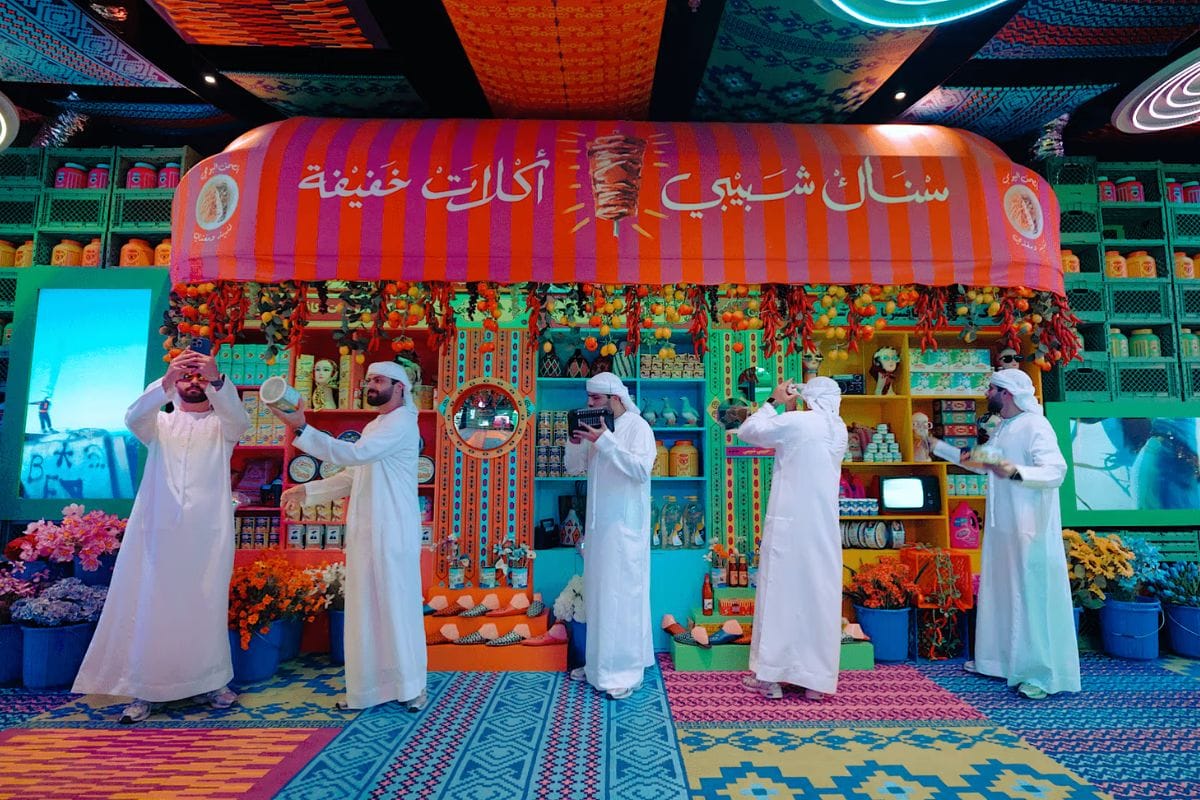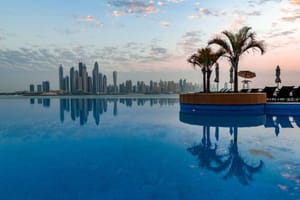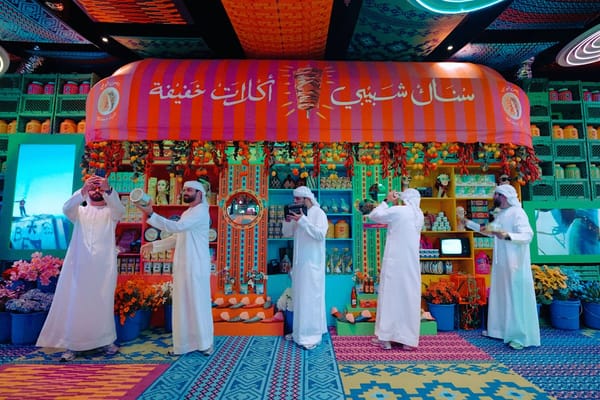
Dubai's summers are famously hot, with daytime temperatures often soaring above 45°C. Yet, even in this intense heat, the city manages to draw millions of visitors. How? By redefining what summer tourism can look like, shifting from outdoor explorations to indoor adventures. In 2025, Dubai continues to lead the way by turning shopping malls, entertainment complexes, museums, and themed experiences into full-fledged tourism destinations.
But attracting tourists indoors isn’t as simple as turning up the air conditioning. With the market becoming increasingly competitive, businesses and tourism authorities must innovate to keep visitors engaged.
This article examines how Dubai is reimagining summer tourism for 2025, with a focus on marketing strategies, success stories, and the evolving landscape of indoor entertainment.
Why Indoor Tourism Is Essential During Dubai Summers
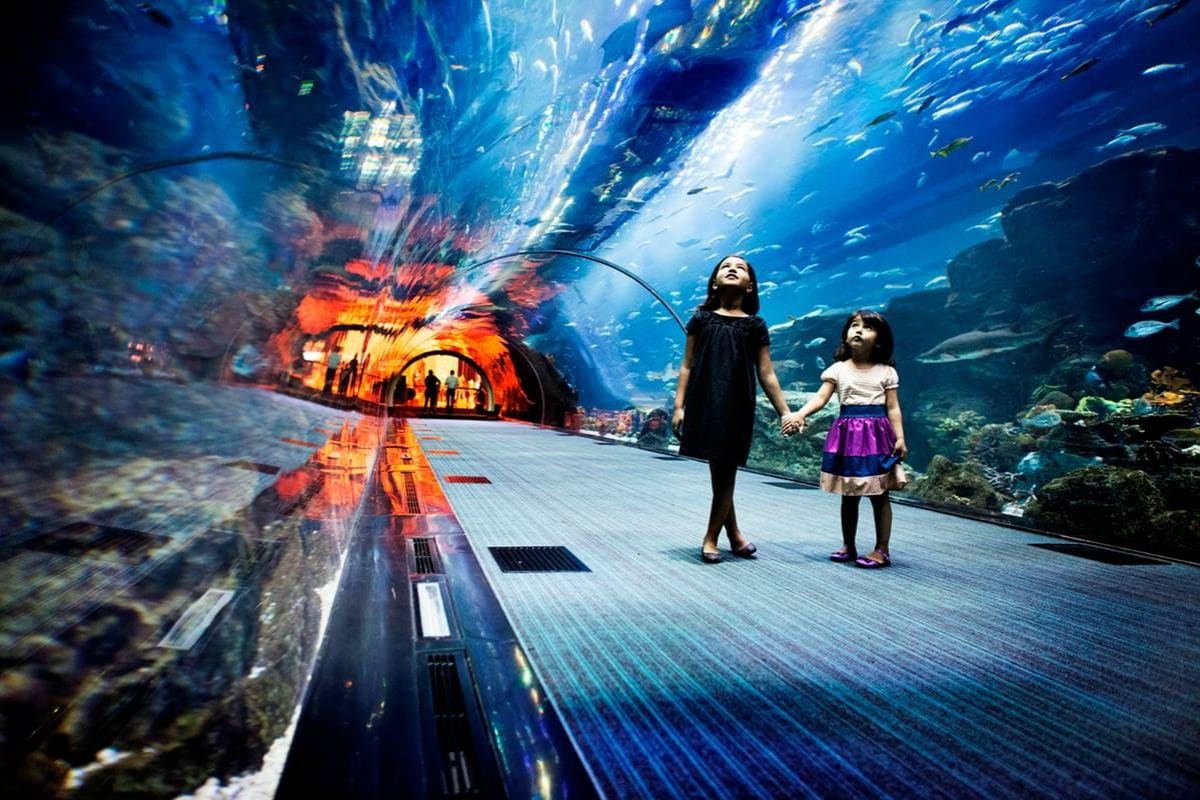
With extreme temperatures dominating the summer months, comfort becomes the top priority for both tourists and residents. Outdoor activities take a back seat, making indoor attractions essential to the tourism economy. But it's not just about escaping the heat. Travellers today seek memorable, comfortable, and shareable experiences, without the sunburn.
Dubai has built an infrastructure tailor-made for this. From mega malls and indoor ski slopes to immersive art exhibitions and VR theme parks, the city has positioned itself as a world leader in climate-controlled entertainment. The Dubai Mall alone receives over 80 million visitors annually, many of whom plan their trips specifically during the hotter months to take advantage of indoor deals, events, and festivals.
There’s also a shift toward "climate-conscious travel," where tourists deliberately choose destinations with well-developed indoor experiences to reduce exposure to extreme heat. Dubai’s approach, offering entertainment, learning, and lifestyle under one roof, caters perfectly to this new mindset.
Understanding Dubai’s Summer Tourist Demographics
To market indoor attractions effectively, it’s essential to understand who’s visiting Dubai during the summer.
GCC Families: Many tourists from neighbouring Gulf countries choose Dubai as their summer escape. They prioritise family-friendly environments, shopping, and indoor amusement parks. These travellers often book extended stays and look for loyalty perks and Arabic-language campaigns.
Indian and South Asian Tourists: Dubai is a favourite summer destination for many Indian families due to its proximity, visa-on-arrival options, and extensive cultural familiarity. Shopping festivals, budget travel deals, and family activities often draw these travellers.
European and Russian Travellers: Though smaller in volume during peak heat, these tourists are often attracted to Dubai’s premium indoor offerings—luxury dining, art exhibits, wellness spas, and exclusive events.
Resident Families and Expats: A large portion of Dubai’s summer audience includes residents looking for engaging experiences during school holidays. They are key targets for membership programs, flash deals, and gamified events.
Understanding these demographics allows marketers to segment campaigns by language, interests, travel motivations, and spending habits, maximising engagement and conversions.
Marketing Challenges Faced by Indoor Attractions
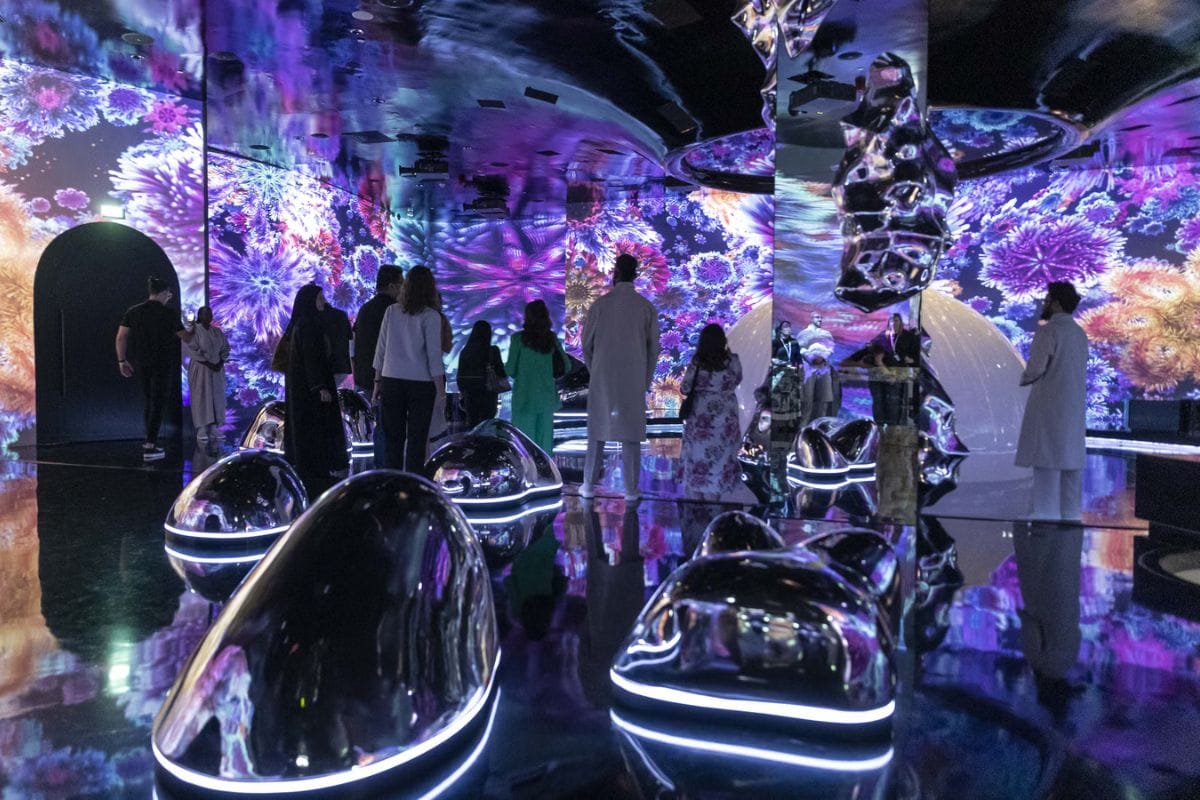
Despite the strong infrastructure and variety of offerings, marketing indoor attractions during summer still poses several challenges:
Seasonal Saturation: With so many venues promoting their summer campaigns simultaneously, it becomes difficult for any one attraction to stand out. For instance, a dozen malls may launch summer festivals with discounts and shows, making it hard for smaller or niche indoor destinations to get noticed.
Audience Fatigue: While shopping malls and indoor cinemas are always popular, they are also familiar. Residents and repeat tourists may experience fatigue, pushing marketers to constantly find new angles or rebrand old experiences.
Tourist Demographics: Dubai welcomes a highly diverse set of travellers—from GCC families to solo European adventurers. Crafting a one-size-fits-all marketing strategy often falls flat, requiring more segmented and culturally aware campaigns.
Balancing Local and International Appeal: Businesses must appeal to both tourists and residents. A summer campaign that resonates with UAE residents (who may seek deals or loyalty points) might not appeal to first-time international visitors looking for spectacle and storytelling.
Digital Competition: Social media platforms are flooded with travel content. For an indoor attraction to stand out, it must offer experiences that translate well online—visually engaging, unique, and easy to share.
Effective 2025 Marketing Strategies That Are Working
In response to these challenges, many businesses have adapted with targeted, creative, and tech-savvy marketing strategies. Here’s what’s making an impact in 2025:
Influencer-Driven Campaigns
Local influencers play a key role in reshaping perceptions of indoor experiences. In 2025, venues like The Green Planet and AYA Universe are collaborating with micro and mid-tier influencers who offer relatable, localised content. These creators walk audiences through their visits, share hidden corners, and often include promo codes or giveaways. These campaigns feel more authentic and less commercial, especially when creators post in their native languages for specific tourist segments.
Family-Centric Packages and Loyalty Programs
IMG Worlds of Adventure, KidZania, and OliOli have rolled out "Summer Explorer Passes"—bundled offers where families can visit multiple attractions over a week. These are often paired with hotel tie-ins or food vouchers, offering added value. Loyalty apps now feature gamified experiences: families can collect digital badges or complete challenges to unlock new perks, encouraging repeat visits and social sharing.
Gamification Inside Malls
To combat audience fatigue, malls have turned to gamification. In 2025, the Mall of the Emirates launched a city-wide indoor treasure hunt app, encouraging users to visit specific installations, scan QR codes, and win exclusive prizes. These campaigns blend retail, entertainment, and social media into one cohesive experience, and work especially well for families and Gen Z travellers.
Localised, Multilingual Messaging
Recognising the diversity of summer tourists, marketing materials are now created in multiple languages, with cultural nuances in mind. Ads targeting Indian, Saudi, or Russian tourists highlight different values—be it luxury, family bonding, or tech-forward innovation. Interactive kiosks inside major attractions now allow for multilingual self-guided tours, making venues more accessible and engaging.
Cross-Industry Partnerships
Businesses are increasingly joining hands with hotels, airlines, and ride-hailing apps. Emirates Airlines and Visit Dubai have rolled out a 2025 summer initiative called "Stay Cool Dubai," offering discounted attraction tickets upon flight booking confirmation. Hotels also offer shuttle services to indoor destinations as part of their room packages. These integrations smooth out the visitor journey and make planning seamless.
The Role of Technology in Enhancing Indoor Experiences
Technology is playing an increasingly central role in how indoor attractions engage their audiences in 2025.
AI-Powered Experiences: Many museums and exhibitions now feature AI-generated audio guides tailored to the visitor’s language, age, or interest area. This not only enhances accessibility but also personalises the entire experience.
Virtual and Augmented Reality: VR-based activities at Play DXB or AR installations in indoor parks allow attractions to add layers of fantasy or interactivity to real-world environments. These tech add-ons give people a reason to return multiple times.
Real-Time Feedback and Crowd Flow Tools: Apps now provide live crowd density updates, helping visitors avoid queues and plan smoother visits. Attractions use this data to optimise space, reduce wait times, and adjust staffing during peak hours.
Mobile-First Booking and Rewards: Many attractions now offer mobile-only flash deals or gamified loyalty rewards. QR-enabled check-ins, digital maps, and AI chatbot support are quickly becoming standard.
Technology isn’t just improving operations—it’s redefining how experiences are remembered and shared.
How Government and Tourism Boards Are Supporting Indoor Attractions
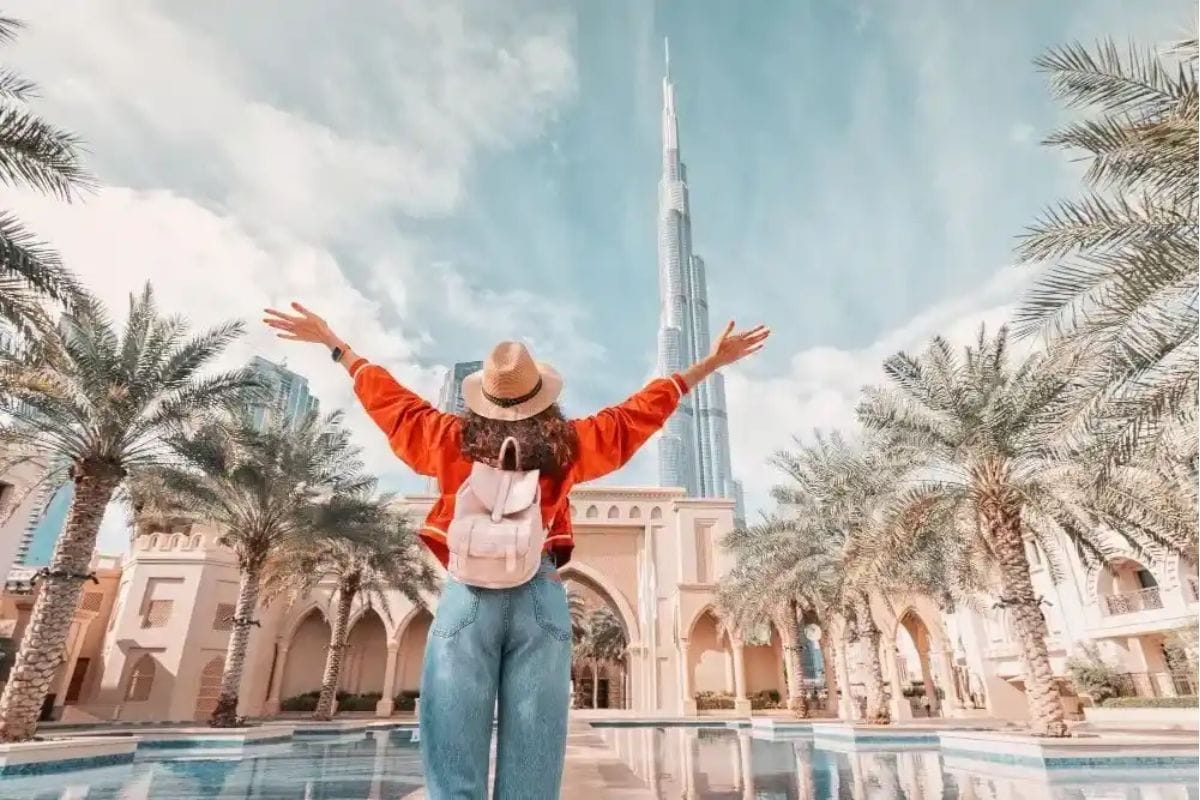
The Dubai government plays a vital role in elevating indoor attractions as part of its long-term tourism strategy. Dubai’s Department of Economy and Tourism (DET) has invested in multiple campaigns under the "Dubai Summer Surprises" (DSS) umbrella, which continues in 2025 with even greater digital presence.
"Stay Cool Dubai," launched in partnership with Visit Dubai, leverages social media ads, influencer trips, and geo-targeted promotions to redirect tourist attention indoors. Government websites also provide curated lists of climate-friendly experiences, complete with ratings, maps, and package deals.
Expo City Dubai—originally the site of Expo 2020—is evolving into a permanent hub for year-round indoor attractions, and is heavily marketed during the summer. With pavilions repurposed into art installations, tech hubs, and culinary experiences, it’s quickly becoming a go-to destination for residents and tourists alike.
Incentives for indoor venues include reduced summer licensing fees, fast-tracked event permits, and inclusion in Dubai Calendar promotions, supporting both visibility and operational flexibility.
What’s Next for Summer Tourism Marketing in Dubai?
As Dubai continues evolving its tourism offerings, the future of indoor summer attractions is poised for even more innovation.
New Developments: The upcoming Meydan One Mall and other mega-projects promise larger, more diverse indoor venues that combine retail, wellness, sports, and entertainment under one roof.
Immersive Storytelling: Attractions will lean further into multi-sensory storytelling—think projection mapping, scent-driven environments, and AI-guided narratives that adapt in real time to user input.
Wellness Indoors: With rising global interest in mental health and well-being, indoor spaces may integrate meditation pods, spa-tech rooms, or sound baths as core summer offerings.
Alignment with Dubai 2040 Vision: Sustainability, accessibility, and urban integration will guide how future attractions are designed and marketed. This means more public transport access, inclusive pricing models, and eco-certification becoming part of the appeal.
Dubai is not just reacting to the heat—it is reimagining what a hot-weather destination can be.
Dubai’s approach to summer tourism is a masterclass in adaptability. Rather than seeing the summer heat as a limitation, the city continues to transform it into an opportunity, inviting visitors to explore, learn, and unwind in comfort. Through strategic marketing, innovative experiences, and seamless digital integration, indoor attractions in 2025 are not only surviving but thriving.
For businesses, the message is clear: standing out in summer requires more than discounts or air conditioning. It demands creativity, collaboration, and a deep understanding of what today’s travellers value—convenience, novelty, and connection. Dubai has set a benchmark for summer tourism, and for those willing to evolve, the possibilities indoors are just as expansive as the desert outdoors.
Also Read:
 Umema Arsiwala
 Shahba Mayyeri
 Shahba Mayyeri
 Ummulkiram Pardawala