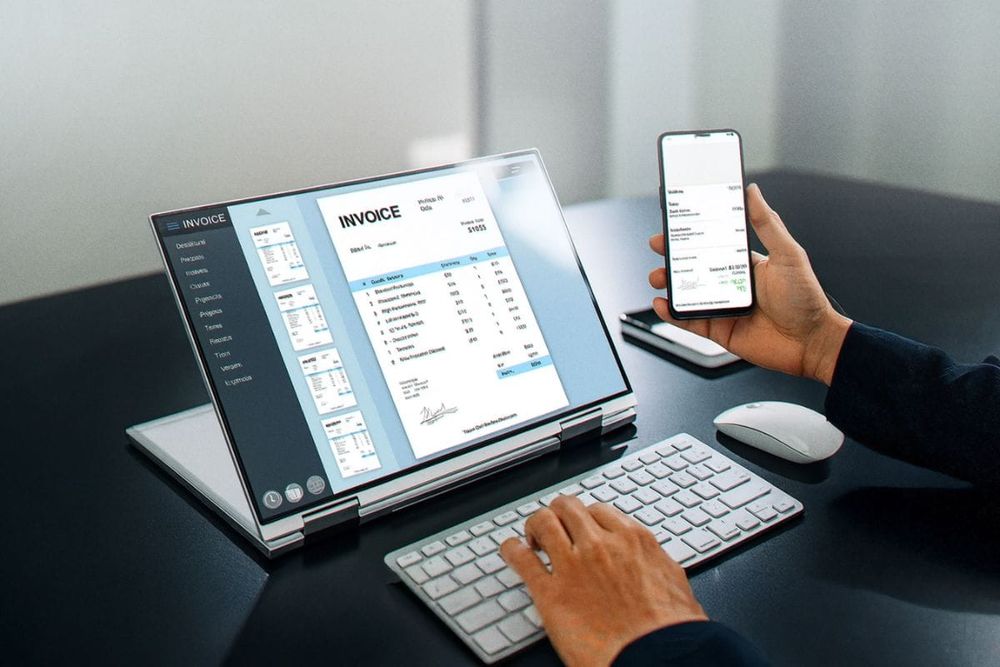
Before you sign with an eInvoicing provider, or renew with the one you already have, ask a simple question: are they accredited?
The UAE Ministry of Finance has replaced the pre-approval stage for eInvoicing Service Providers with a direct accreditation process, a change that marks the programme’s move from testing to a fully live ecosystem.
The new rules come under Ministerial Decision No. 168 of 2026, which sets the eligibility criteria and accreditation procedures. It took effect on 1 October 2026 and repeals Ministerial Decision No. 64 of 2025 and its amendments, including Ministerial Decision No. 56 of 2026.
The old pre-approval model did its job while the technical infrastructure and interoperability arrangements were still being built and tested. That phase is over. Providers must now complete the defined assessment and testing requirements before accreditation is granted, with the aim of making sure anyone entering the market has shown technical capability, operational readiness and compliance.
One piece of flexibility survives from Decision No. 56 of 2026. Providers can use third-party Peppol Service Provider Products and outsource the development, operation or management of those products or parts of their services. They remain fully responsible for compliance and service delivery, however, so the name on your contract is the name that answers for the service.
The framework also covers accreditation renewal, ongoing evaluation and termination, and providers can formally object to a termination decision. Accreditation is therefore something a provider has to keep earning.
The clock is already running for providers that received preliminary approval under Decision No. 64 of 2025. They have up to 30 days from 1 October to meet the new accreditation requirements and do not need to submit a new application unless the Ministry decides otherwise. Preliminary approval will be terminated for any provider that misses the deadline.
The Ministry said the Decision reflects the UAE’s continued commitment to updating the legislative and regulatory frameworks governing the tax system. It is designed to improve compliance efficiency, strengthen the regulatory framework for eInvoicing and support the resilience and sustainability of the business community.
For business owners the takeaway is practical. Your invoicing runs through your provider, so their accreditation status is now part of your own compliance picture. A short conversation about where they stand is easier than finding out later that their approval lapsed.
Also Read:
 Shahba Mayyeri