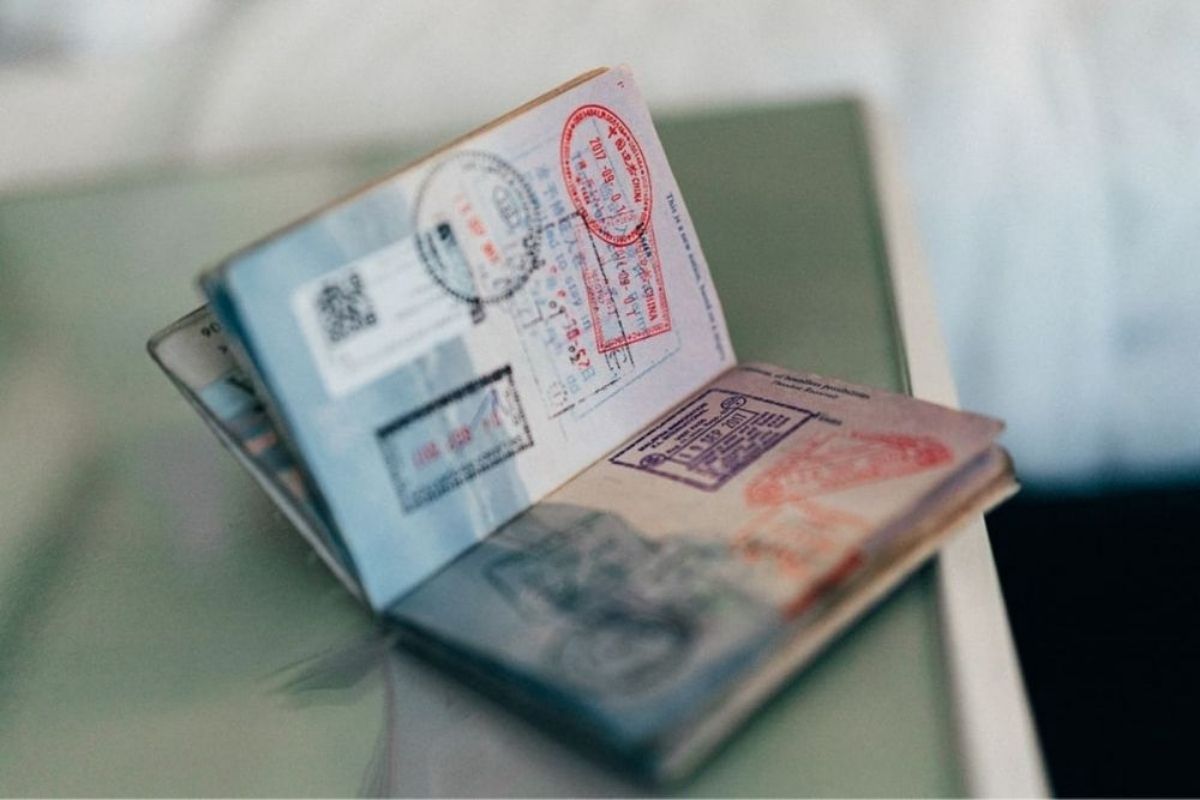
Many entrepreneurs in Dubai start their business journey with a freelance visa. This option provides legal residency, minimal setup costs, and flexibility to test business ideas without the commitment of a full company structure. However, as businesses grow, the limitations of freelance permits become apparent. Understanding when to make the transition to a company license and how to execute the switch efficiently can save time, money, and administrative headaches.
This guide examines the indicators that signal it's time to upgrade, the practical steps involved in transitioning, document requirements, cost comparisons, and visa transfer procedures.
Understanding the Freelance Visa Model
Before discussing the transition, it's important to understand what freelance visas offer and where they fall short.
Freelance permits in Dubai are issued through free zones like Dubai Media City, Dubai Internet City, IFZA, and other specialized zones. These permits allow individuals to work legally as independent contractors or solo service providers. The setup typically costs AED 7,500 to AED 15,000 annually, includes one visa (for the permit holder), and allows limited business activities specified in the permit.
Key limitations of freelance permits include restricted visa quotas (usually only 1-3 visas total), inability to hire employees on employment visas, limited business activities compared to full licenses, no physical office requirement (which sounds positive until you need to meet clients professionally), restricted access to certain government tenders, and banking challenges as some banks prefer dealing with established companies.
These limitations work fine for solo consultants, designers, writers, and other individual service providers. They become problematic when business growth demands more.

When to Make the Switch: Seven Clear Indicators
Knowing when to transition from freelance to company status requires recognizing specific business milestones and operational needs.
- You Need to Hire Employees
The clearest indicator is when you need to hire staff. Freelance permits severely restrict employment visa sponsorship. Most allow only family members (spouse and children) to be sponsored, with very limited exceptions for business partners in some zones.
If your workload consistently exceeds what you can handle alone and you're regularly outsourcing to other freelancers or contractors, you've likely reached the point where employees would be more cost-effective and reliable. A company license allows you to sponsor employee visas based on office space allocation (typically one visa per 100 square feet).
- Revenue Exceeds AED 1 Million Annually
Once your annual revenue crosses AED 1 million, several factors favor company structure. First, you must register for Corporate Tax regardless of business structure. Second, clients and partners often prefer dealing with established companies rather than freelancers for larger contracts. Third, business banking services improve significantly with a trade license compared to freelance permits.
At this revenue level, the additional costs of a company license become proportionally smaller while the benefits (credibility, operational flexibility, banking relationships) become more valuable.
- Clients Require Company Credentials
Many corporate clients, government entities, and larger organizations have procurement policies requiring suppliers to hold trade licenses rather than freelance permits. If you're losing opportunities or being asked to provide company registration documents you don't have, the market is telling you to upgrade.
This is particularly common in sectors like IT services, marketing agencies, event management, and professional consulting where B2B contracts are substantial.
- You Need Professional Office Space
Freelance permits typically include virtual office arrangements or minimal workspace allocations. As your business grows, you may need:
- A professional address to meet clients
- Space for a small team to work together
- Storage for inventory or equipment
- A location that reflects your brand positioning
While you can rent external office space as a freelancer, having office requirements built into your business license simplifies compliance and often provides better locations.
- Your Business Activities Expand
Freelance permits specify limited activities. If your business has naturally expanded (for example, you started as a freelance graphic designer and now offer full branding services including strategy, copywriting, and web development), you may find the permitted activities on your freelance license don't cover everything you do.
Company licenses allow broader activity classifications and easier addition of new activities as your business evolves.
- Banking Becomes Problematic
Many freelancers struggle with business banking. While some banks provide accounts for freelance permit holders, options are limited. Transaction limits may be lower, international wire transfers may face additional scrutiny, and accessing business credit facilities is nearly impossible.
If you're regularly hitting transaction limits, facing delays on international payments, or being asked for trade license documentation by your bank, these are signs that your banking needs have outgrown the freelance structure.
- You Want to Bid for Larger Contracts or Tenders
Government tenders and larger corporate RFPs (Request for Proposals) almost always require registered companies with specific documentation. If strategic growth opportunities in your industry require tender participation, maintaining a freelance status will exclude you from these opportunities.

Document Requirements for the Transition
Switching from freelance to company requires gathering specific documentation. Preparing these in advance streamlines the process.
Personal Documents
- Passport copies (yours and any partners if establishing a multi-owner company)
- Emirates ID copies
- Current visa copy and status letter
- Passport-size photographs (typically 6 copies)
- No objection certificate (NOC) if currently employed (not applicable for most freelancers)
Business Documents
- Current freelance permit copy
- Cancellation letter from current freelance provider (obtained once you decide to switch)
- Business plan or activity description
- Proposed company name (three options as first choice may not be available)
- Proof of business address (if renting office space separately)
- Bank reference letter (if available)
- Educational certificates (required by some free zones for specific activities)
Additional Requirements
Depending on your chosen jurisdiction (mainland or free zone), additional documents may include:
- Memorandum of Association (MOA) if forming a partnership or LLC
- Shareholder agreements for multi-owner companies
- Initial approval certificates from relevant authorities
- Security deposit or bank guarantee (for some free zones)
The Step-by-Step Transition Process
The actual transition follows a specific sequence. Understanding this helps you plan timing and avoid gaps in legal status.
Step 1: Choose Your Business Structure and Location
Decide whether to establish a mainland company (allowing trade anywhere in UAE) or free zone company (allowing international trade and free zone trading with some restrictions on mainland). Also determine business structure: sole establishment, limited liability company (LLC), or other options.
This decision should be based on your client base (mainly UAE mainland, international, or both), need for local partner (mainland LLCs previously required 51% UAE national ownership, though this has changed for many sectors), budget for setup and annual renewal, and planned business activities.
Step 2: Reserve Company Name and Get Initial Approval
Submit your proposed company names (typically three options) to the relevant authority (Department of Economy and Tourism for mainland, specific free zone authority for free zone companies). Once approved, you receive an initial approval certificate allowing you to proceed.
Step 3: Secure Office Space
For mainland companies, physical office space is mandatory (minimum 200 square feet typically). For free zone companies, options range from flexi-desks to full offices depending on visa requirements and budget. The office determines your visa quota, so choose space that accommodates current and near-future staffing needs.
Step 4: Submit License Application
Complete the trade license application with all required documents, pay application fees, and submit for processing. Processing times vary: 3-5 business days for free zones, 7-14 business days for mainland (depending on activity and completeness of documentation).
Step 5: Cancel Freelance Permit
Once your company license is approved, formally cancel your freelance permit. Most free zones require 30 days notice for cancellation. Timing this correctly prevents gaps in legal status. Some entrepreneurs maintain both temporarily during transition, though this means paying for both.
Step 6: Transfer or Apply for New Visa
You have two options: cancel your current freelance visa and apply for a new company visa (requires exit/entry or visa change inside UAE), or transfer your existing visa to the new company license (not always possible depending on free zones involved).
The transfer process, when available, is simpler: submit transfer request with new license copy, pay transfer fees (typically AED 1,000-2,000), update Emirates ID, and obtain new labor card under company license.
If transfer isn't possible: cancel current visa, apply for new company visa, complete medical fitness test and Emirates ID application, and either exit/re-enter UAE or process visa change inside country (costs approximately AED 1,100 additional).
Step 7: Update Banking and Business Registrations
Update your business bank account to the new company license, update any business registrations (professional associations, government portals), inform clients and suppliers of new company details, and update marketing materials, website, and contracts with new company information.
Cost Comparison: Freelance vs. Company
Understanding the true cost difference helps with financial planning and ROI assessment.
Freelance Permit Annual Costs
- Permit fee: AED 7,500-15,000 (varies by free zone)
- Visa and Emirates ID: AED 3,000-5,000
- Health insurance: AED 600-1,500
- Office space: AED 0 (virtual office included)
- Total: Approximately AED 11,000-22,000 annually
Company License Annual Costs (Free Zone)
- Trade license: AED 10,000-20,000 (varies by free zone and activity)
- Office space: AED 8,000-25,000+ (flexi-desk to small office)
- Visa and Emirates ID: AED 3,500-6,000 per person
- Health insurance: AED 600-1,500 per person
- Additional visas (if needed): AED 3,500-6,000 each
- Total: Approximately AED 22,000-50,000+ annually (varies significantly based on office type and visa count)
Company License Annual Costs (Mainland)
- Trade license: AED 15,000-30,000
- Physical office: AED 15,000-100,000+ (minimum 200 sq ft required)
- Ejari registration: AED 500-1,000
- Chamber of Commerce membership: AED 1,000-2,000
- Visa and Emirates ID: AED 3,500-6,000 per person
- Health insurance: AED 600-1,500 per person
- Total: Approximately AED 35,000-140,000+ annually (office space is the major variable)
One-Time Setup Costs for Company
Beyond annual costs, initial company setup includes:
- Registration fees: AED 2,000-5,000
- Memorandum of Association drafting: AED 1,000-3,000
- Office setup (furniture, equipment): AED 5,000-20,000+
- PRO services (if using agent): AED 3,000-8,000
- Initial approvals and deposits: AED 2,000-10,000
Total one-time setup: AED 13,000-46,000
The significant cost increase appears daunting, but consider the revenue and operational capacity increase that prompted the switch. If hiring two employees increases your capacity to take on AED 500,000 in additional annual revenue, the extra AED 30,000-40,000 in business costs represents an excellent return on investment.
Common Mistakes to Avoid
Learning from others' experiences can prevent costly errors.
Canceling freelance permit too early: This creates a legal status gap where you have no valid residence. Always ensure your new company license is fully approved and visa processed before canceling your freelance permit.
Choosing the wrong free zone or structure: Research thoroughly. Some free zones are more expensive but offer better banking relationships or specific industry advantages. Similarly, mainland versus free zone decisions should be based on your actual client base and business model.
Underestimating office space needs: Visa quotas are tied to office space (one visa per 100 square feet typically). If you start with a flexi-desk allowing only 2-3 visas and need to hire more staff six months later, you'll need to upgrade office space and pay fees again.
Neglecting banking transition: Update your bank immediately. Operating under old business details can create tax filing complications and payment processing issues.
Poor communication with clients: Some clients may have contracts or payment arrangements tied to your freelance permit details. Inform them professionally of the transition and provide updated company information to prevent payment delays.
Switching from freelance visa to company license represents significant business growth. While costs increase substantially, this transition unlocks hiring capabilities, enhanced credibility, better banking relationships, and access to larger opportunities.
Plan the switch carefully, ensure documentation is complete, manage timing to avoid legal gaps, and view the investment as enabling the next phase of business development rather than simply as additional cost.
Also Read:
 Ummulkiram Pardawala
 HiDubai Newswire
 HiDubai Newswire
 HiDubai Newswire