
The traditional office is no longer the only option for entrepreneurs building their businesses. Co-working spaces have emerged as a transformative solution that addresses many of the challenges faced by modern business owners. These shared environments offer more than just a desk and Wi-Fi connection – they provide a complete ecosystem designed to support entrepreneurial success.
As remote work and the gig economy continue to reshape how we work, co-working spaces have become increasingly relevant. They bridge the gap between working from home and committing to expensive, long-term office leases. For entrepreneurs navigating the uncertainties of building a business, this flexibility combined with professional resources and community support makes co-working spaces an attractive option worth serious consideration.
Understanding the Co-working Space Advantage
Co-working spaces represent a new model for how entrepreneurs can approach their workspace needs. Unlike traditional offices that require substantial upfront investments and multi-year commitments, these shared environments operate on flexible membership models. Entrepreneurs can choose from various options – from hot desks in open areas to dedicated desks or even private offices – based on their specific needs and budget.
The concept extends beyond simple space sharing. Co-working environments are carefully designed to foster productivity, encourage collaboration, and build community among members. They typically include amenities that would be costly for individual entrepreneurs to access independently, such as high-speed internet, professional meeting rooms, printing facilities, and reception services. This combination of resources, flexibility, and community creates unique value that traditional offices struggle to match.
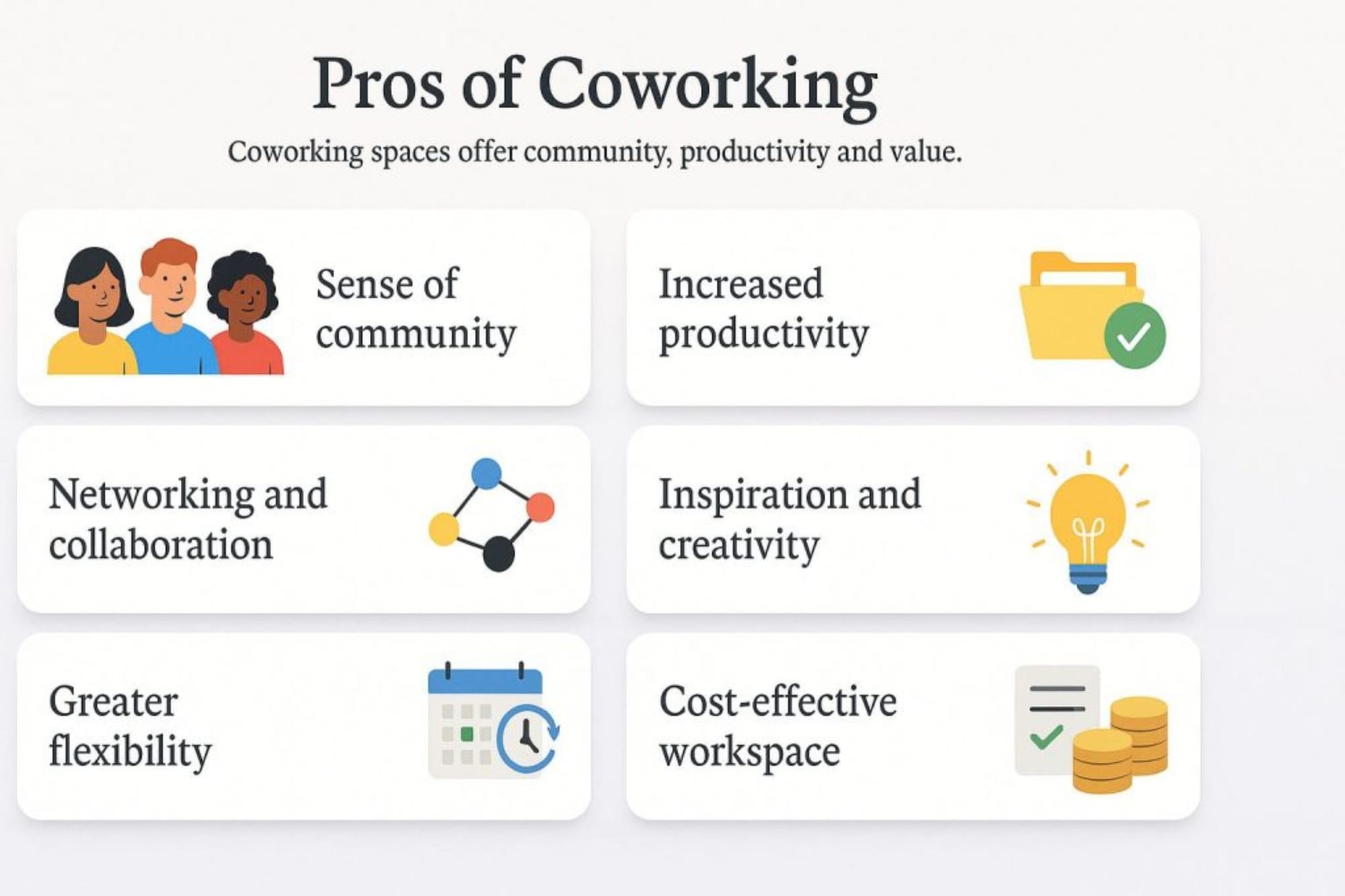
Economic Benefits That Impact Your Bottom Line
For entrepreneurs managing tight budgets, the financial advantages of co-working spaces can be substantial. The economic case for these shared environments rests on several key factors.
Significant Cost Savings
Traditional office space requires significant financial commitment. Security deposits, furniture purchases, utility setup, internet installation, and ongoing maintenance costs add up quickly. Co-working spaces eliminate most of these expenses through a shared cost model. Research indicates that entrepreneurs can save up to 70% on office costs in major cities by choosing co-working spaces over traditional leases.
Membership fees typically cover everything needed to operate professionally – utilities, high-speed internet, cleaning services, maintenance, and basic office supplies like printing. This all-inclusive pricing allows entrepreneurs to budget more predictably and allocate more resources toward core business activities like product development, marketing, and talent acquisition.
Unmatched Flexibility for Growing Businesses
Startups and growing businesses face inherent uncertainty. Team size may fluctuate, business needs evolve, and market conditions change. Traditional office leases lock entrepreneurs into long-term commitments that may no longer suit their situation months down the line.
Co-working spaces solve this through flexible membership options. Daily passes allow entrepreneurs to test the environment. Monthly memberships provide commitment-free access. As businesses grow, scaling up to larger spaces or private offices within the same facility becomes straightforward, without penalties or complicated negotiations.
This flexibility proves particularly valuable for businesses with fluctuating needs. A consultant might need space three days per week, while a growing startup might need to add team members gradually. Co-working spaces accommodate these varying requirements in ways traditional offices cannot.
Global Access and Professional Legitimacy
Major co-working providers operate networks spanning multiple cities and countries. For entrepreneurs who travel or serve clients in different locations, this means having professional workspace access wherever business takes them, without additional costs. This global presence facilitates expansion and client meetings without the expense of establishing offices in new markets.
Beyond practical benefits, co-working spaces confer professional legitimacy to early-stage ventures. A prestigious business address and professional meeting spaces create better impressions with clients and investors than meeting at coffee shops or home offices. This enhanced image can meaningfully impact business development efforts, particularly for entrepreneurs in their early stages.
Networking Opportunities That Accelerate Growth
Perhaps the most valuable yet intangible benefit of co-working spaces is the networking opportunities they naturally create. These environments function as social ecosystems where entrepreneurs from diverse industries and backgrounds interact regularly.
Building Meaningful Professional Connections
Working alone, whether from home or in isolated offices, limits exposure to potential collaborators, mentors, and partners. Co-working spaces reverse this isolation by placing entrepreneurs in proximity to hundreds of other professionals pursuing their own ventures.
The magic happens through both structured and unstructured interactions. Casual conversations in communal areas, shared lunch spaces, or coffee breaks can lead to unexpected partnerships. An entrepreneur struggling with website design might meet a developer looking for business consulting. A marketing specialist might connect with a startup needing their exact expertise. Research shows these organic connections frequently result in referrals, joint ventures, and collaborative projects.
Structured Networking Through Events and Programs
Beyond spontaneous interactions, many co-working spaces organize formal networking events, workshops, skill-sharing sessions, and speaker series. These structured opportunities help members build relationships more intentionally while learning from experts and peers.
For example, co-working spaces in entrepreneurial hubs often host investor pitch nights, allowing startup founders to present ideas to potential funders. Others organize industry-specific meetups where professionals in similar fields can share challenges and solutions. Educational workshops on topics like digital marketing, financial management, or legal compliance provide value while creating networking contexts.
Access to Mentors and Advisors
Experienced entrepreneurs and business advisors frequently use co-working spaces, creating mentorship opportunities for newer entrepreneurs. The informal nature of these environments makes approaching potential mentors less intimidating than formal requests. Many spaces deliberately cultivate mentorship cultures, encouraging knowledge sharing between experienced and early-stage entrepreneurs.
This access to guidance can prove invaluable. Learning from others' experiences helps entrepreneurs avoid common pitfalls, make better strategic decisions, and build confidence in their business journey.

Productivity and Creativity Enhancements
The physical and social environment significantly impacts how well entrepreneurs work. Co-working spaces are specifically designed to optimize productivity and stimulate creativity in ways that home offices or coffee shops cannot match.
Professional Environment Reduces Distractions
Working from home presents numerous distractions – household chores, family members, pets, or simply the comfort that encourages less productive behavior. Co-working spaces provide structure and separation between work and personal life. The professional setting naturally encourages focus and work-oriented behavior.
Survey data indicates that nearly half of professionals using co-working spaces experience improvements in work skills, output quality, and overall productivity. The presence of other focused professionals creates positive peer pressure that reinforces productive work habits.
Design Features That Support Performance
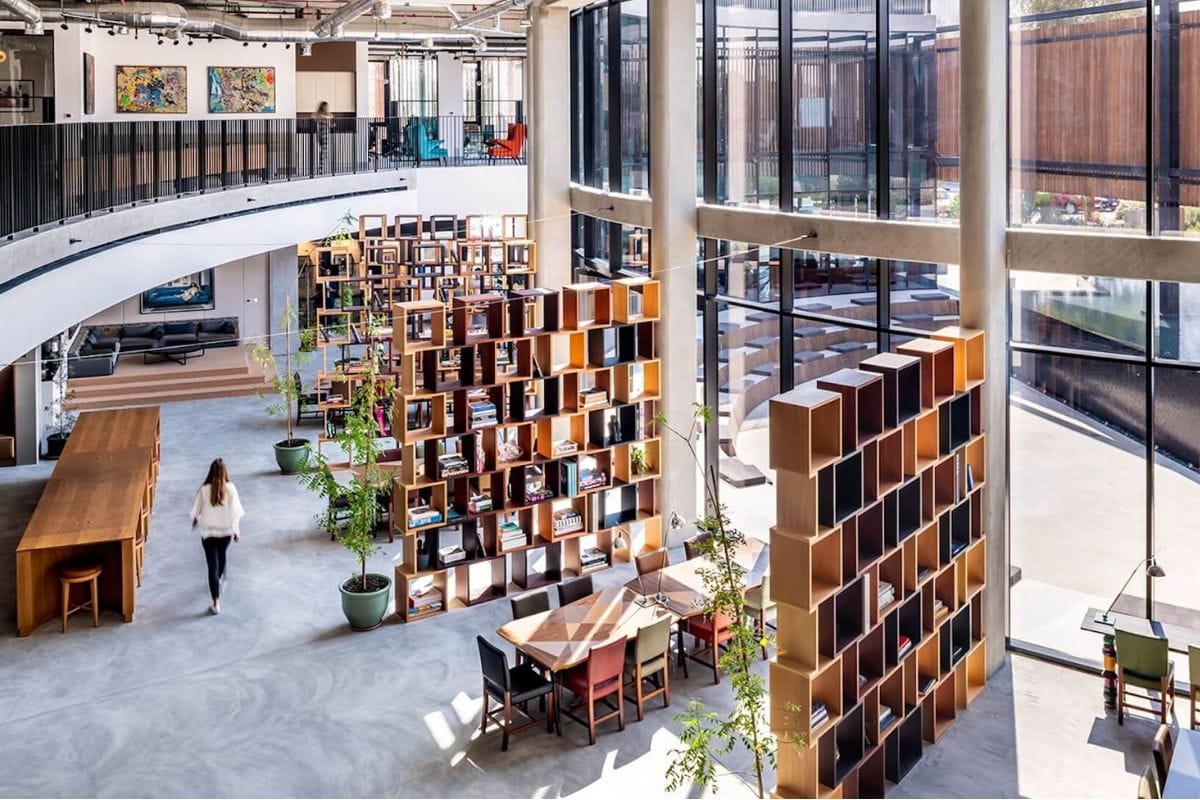
Thoughtful design characterizes successful co-working spaces. Natural lighting, comfortable furniture, varied workspace options (quiet zones, collaborative areas, phone booths), and aesthetic appeal all contribute to better work experiences. Many spaces incorporate elements like plants, artwork, and ergonomic furniture that support both physical comfort and mental well-being.
The ability to choose different work settings based on task requirements helps maintain energy and focus throughout the day. Entrepreneurs can take phone calls in private booths, conduct meetings in conference rooms, focus deeply in quiet areas, or brainstorm collaboratively in open spaces.
Diverse Interactions Spark Innovation
Exposure to professionals from different industries stimulates creative thinking. Hearing how someone in a completely different field approaches problems can trigger insights applicable to your own business. This cross-pollination of ideas rarely occurs in traditional offices where everyone works in the same industry.
Breaking out of comfort zones through diverse interactions helps entrepreneurs think more innovatively about their products, services, and business models. The energy of a vibrant co-working community can be contagious, elevating everyone's ambition and creativity.
Community Support and Mental Health Benefits
Entrepreneurship can be lonely. The isolation of working alone, combined with the stress and uncertainty inherent in building a business, takes a toll on mental health. Co-working spaces address this through community and social support.
Reducing Isolation and Loneliness
Many entrepreneurs report that the social aspect of co-working spaces significantly improves their work experience. Simply being around other people, having casual conversations, and feeling part of a community combats the loneliness that often accompanies solo entrepreneurship.
This sense of belonging matters more than many entrepreneurs initially realize. Having colleagues to share successes and frustrations with, even if they're not working on the same business, provides emotional support that sustains motivation through difficult periods.
Work-Life Balance and Wellness
Physical separation between work and home helps entrepreneurs maintain healthier boundaries. Leaving the co-working space at day's end creates a clearer division than working from home, where work and personal life blur together.
Many co-working spaces actively support wellness through amenities like relaxation zones, wellness programs, fitness facilities, or organized social activities. These features help entrepreneurs manage stress and avoid burnout – common risks in the startup world.
Research from Harvard Business Review indicates that co-working space users report thriving at levels approaching 6 on a 7-point scale, notably higher than traditional office workers. This enhanced well-being stems from the combination of social support, autonomy, and meaningful work that co-working environments facilitate.
Support for Diverse Entrepreneurs
Co-working spaces have proven particularly beneficial for entrepreneurs from underrepresented groups – women, minorities, and foreign entrepreneurs. These environments often provide more inclusive, supportive cultures than traditional business settings. The legitimacy conferred by professional space and the networking opportunities help level playing fields for those who might face additional barriers in accessing traditional business resources.

Professional Resources and Amenities
Beyond intangible benefits like community and networking, co-working spaces provide tangible professional resources that would be expensive for individual entrepreneurs to access independently.
Complete Office Infrastructure
High-speed internet, printing and scanning facilities, mail handling, reception services, and phone answering services come standard in quality co-working spaces. For entrepreneurs, this means presenting a professional image without the investment required to set up these services independently.
Meeting rooms and conference facilities are particularly valuable. Client meetings, team gatherings, and presentations require appropriate spaces. Co-working spaces typically offer bookable meeting rooms equipped with presentation technology, video conferencing capabilities, and professional ambiance – resources that make strong impressions on clients and partners.
Prime Locations and Accessibility
Many co-working spaces occupy central business district locations with excellent transportation access. These prestigious addresses enhance business credibility while reducing commute times and making client meetings more convenient. Accessibility to restaurants, banks, and other services further adds to the practical benefits.
Administrative and Business Support
Some co-working spaces offer additional services like business consulting, legal advice, accounting support, or technology assistance. While these might involve extra costs, having vetted service providers readily available simplifies accessing expertise that entrepreneurs need but may not be able to afford full-time.
Considering the Complete Picture
While co-working spaces offer substantial benefits, honest assessment requires acknowledging potential drawbacks. Noise levels in open spaces can sometimes hinder concentration. Privacy may be limited compared to private offices. Peak hours might create capacity issues, and internet speeds can fluctuate with heavy usage. Customization options are typically limited since the space is shared.
However, for most entrepreneurs, particularly in early and growth stages, the benefits significantly outweigh these limitations. The key is choosing the right space that matches your specific needs and work style. Visiting potential spaces during peak hours, testing the environment with day passes, and carefully reviewing membership terms helps ensure good fit.
Co-working spaces have fundamentally changed the entrepreneurial landscape by providing accessible, flexible, resource-rich environments that support business success. The combination of economic efficiency, networking opportunities, productivity enhancements, community support, and professional resources creates unique value for entrepreneurs at various stages.
As the nature of work continues evolving, co-working spaces are adapting with hybrid models that accommodate changing needs. For entrepreneurs seeking alternatives to expensive traditional offices or isolating home offices, these shared environments offer compelling solutions worth serious consideration.
The question isn't whether co-working spaces provide benefits – evidence clearly shows they do – but rather whether the specific benefits align with your particular business needs and working preferences.
Also Read:
 Ummulkiram Pardawala
 Shahba Mayyeri
 Ummulkiram Pardawala
 Ummulkiram Pardawala
 Ummulkiram Pardawala