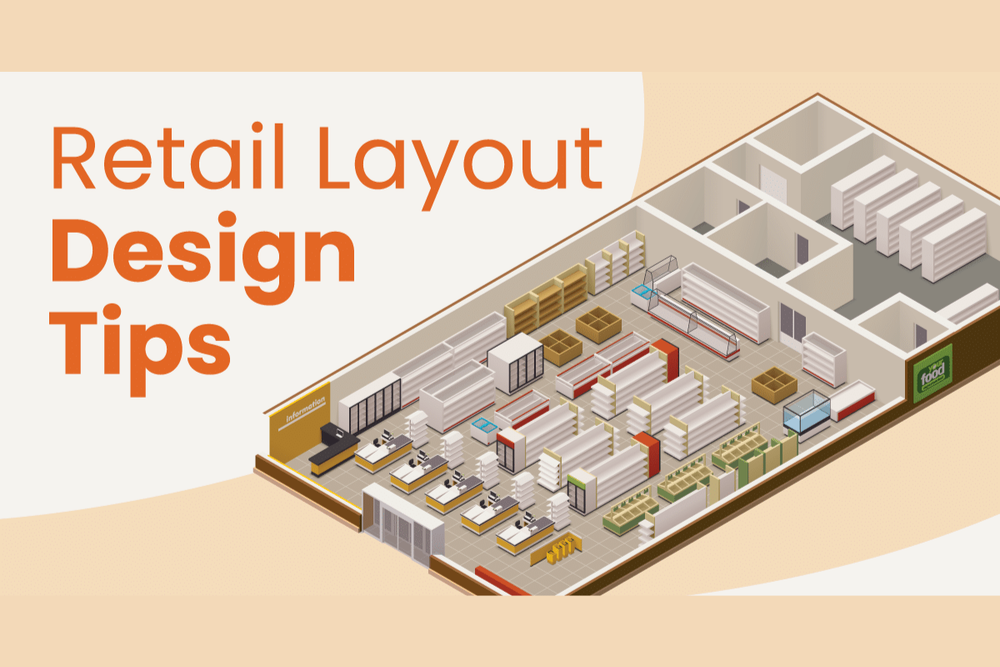
Every successful store layout begins with a simple but powerful question: What do you want your customers to experience the moment they walk in? Some retailers design their spaces to encourage long browsing sessions where shoppers take their time exploring, while others focus on speed and convenience, making it easy for people to grab what they need and head straight to checkout. Then there are stores that aim to create memorable experiences—think interactive displays, tasting stations, or demo areas—that go beyond selling products and build brand loyalty.
Your purpose acts as the blueprint for every design decision that follows. If the goal is quick purchases, do wide aisles and direct signage matter more than decorative elements? If the aim is discovery and immersion, should you create winding pathways that invite customers to linger? When the focus is on experience, how much space should you dedicate to interactive corners rather than product shelves? Each choice aligns with how you want people to feel and behave inside your store.
Clarity at this stage saves you from costly redesigns later. By setting a clear purpose, you can align your store’s design with customer expectations, regulatory requirements, and even seasonal opportunities that matter in Dubai’s retail market. In this article, we’ll explore practical tips and proven strategies to help you design a store layout that not only meets compliance standards but also keeps customers coming back.
Follow Local Rules and Approvals
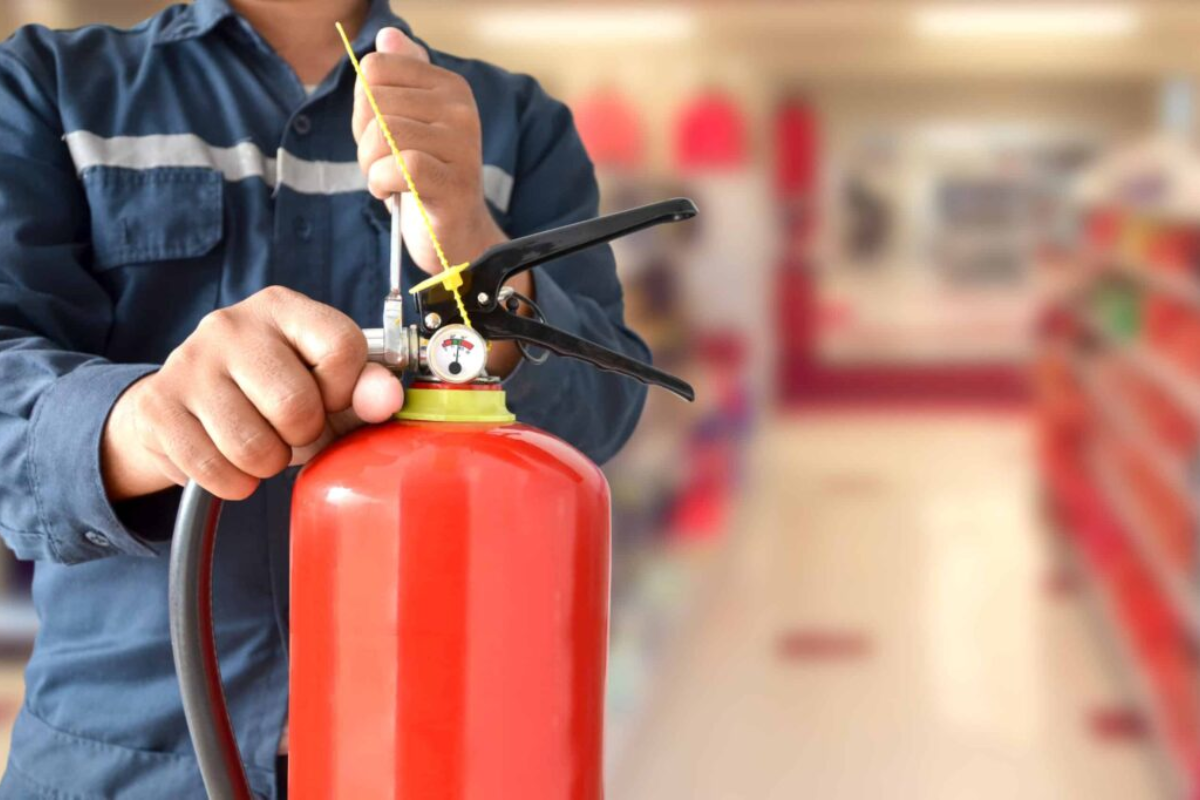
Designing a store in Dubai requires more than creative ideas; it also demands careful attention to the regulations that govern how spaces are built and operated. Before any fit-out work begins, businesses must secure approvals from Dubai Municipality, Dubai Civil Defence, and, when operating in a shopping mall, the landlord or mall management. These steps cover essential aspects such as fire safety, ventilation, signage, and accessibility. Skipping or delaying approvals can lead to costly setbacks.
So, what does this mean when you’re planning your layout? Every partition, shelf, or display must comply with fire safety standards—are the materials you’re using fire-rated and approved? Emergency exits must remain clear at all times—does your plan leave enough space for smooth evacuation if needed? Even signage has rules—have you confirmed whether an illuminated logo, exterior board, or directional signs require special permits?
Accessibility is another important consideration. Regulations in Dubai require barrier-free pathways, ramps where needed, and adequate space for wheelchair users. When customers walk into your store, will they find it easy to move around, navigate the aisles, and reach the checkout without difficulty? Creating a space that works for everyone builds trust and encourages repeat visits.
Approvals might feel like paperwork at first, but they are the backbone of a smooth opening. Securing them early ensures your store is ready for inspections, fully compliant, and set up to welcome customers without delays.
Make a Strong First Impression
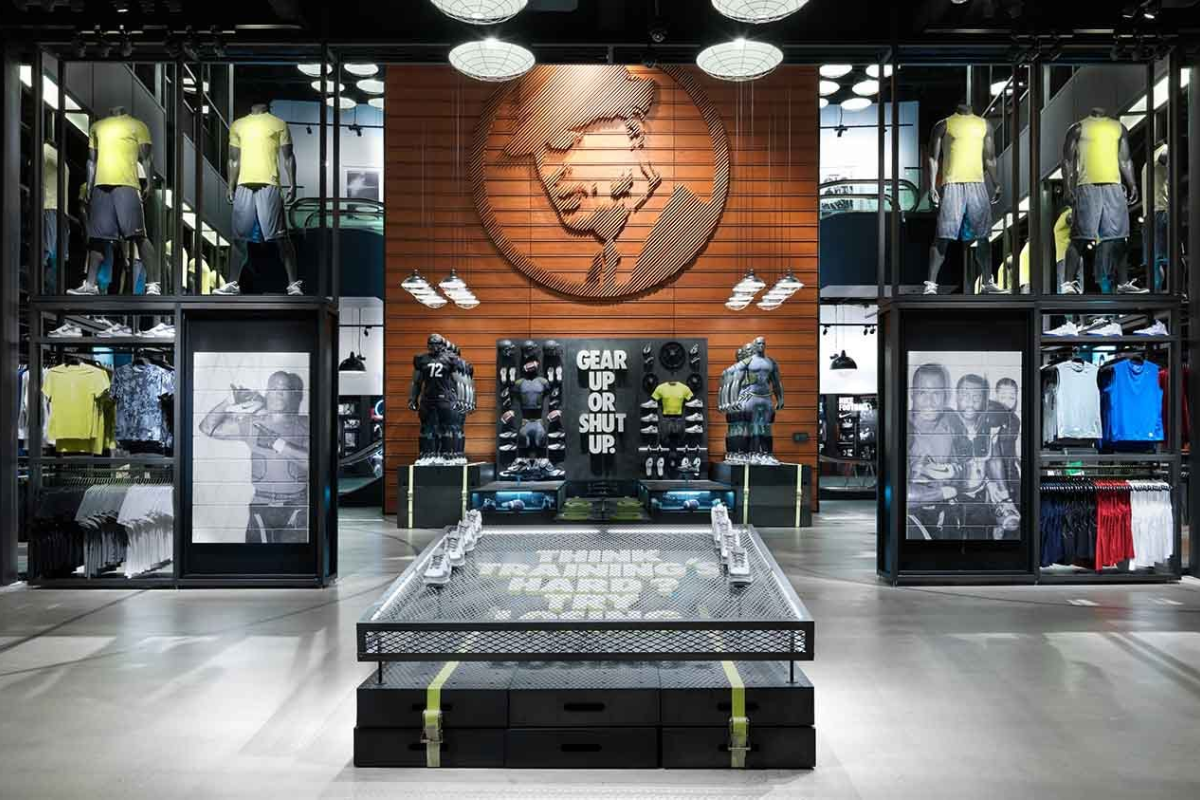
The first few steps a customer takes into your store set the tone for their entire shopping experience. This is often called the “decompression zone”—a small area near the entrance where people pause, adjust to the new environment, and decide whether to continue inside. If this space feels crowded or confusing, how likely are customers to move deeper into the store?
Keeping the entrance uncluttered helps shoppers orient themselves quickly. A clean sightline to your bestsellers or seasonal displays creates a clear point of focus and draws people further in. Which products would you want new customers to see first—your most profitable items, limited-time offers, or the ones that tell your brand’s story best? Placing them strategically at the front can immediately spark interest.
Lighting plays a role here, too. Research in retail psychology shows that well-lit entrances create a sense of safety and invitation, while dim or uneven lighting can discourage foot traffic. Have you thought about whether your entrance lighting highlights your displays and also feels comfortable to the eye?
Accessibility should be part of this first impression. Wide doors, smooth flooring, and an easy path into the store make a silent statement that every customer is welcome. In a diverse market like Dubai, where shoppers come from all backgrounds and age groups, does your entrance design reflect inclusivity and ease of entry?
When your entrance feels open, inviting, and purposeful, customers are more likely to stay, explore, and connect with your brand. A strong first impression isn’t about doing too much—it’s about doing the right things in the right place.
Plan the Flow of Movement
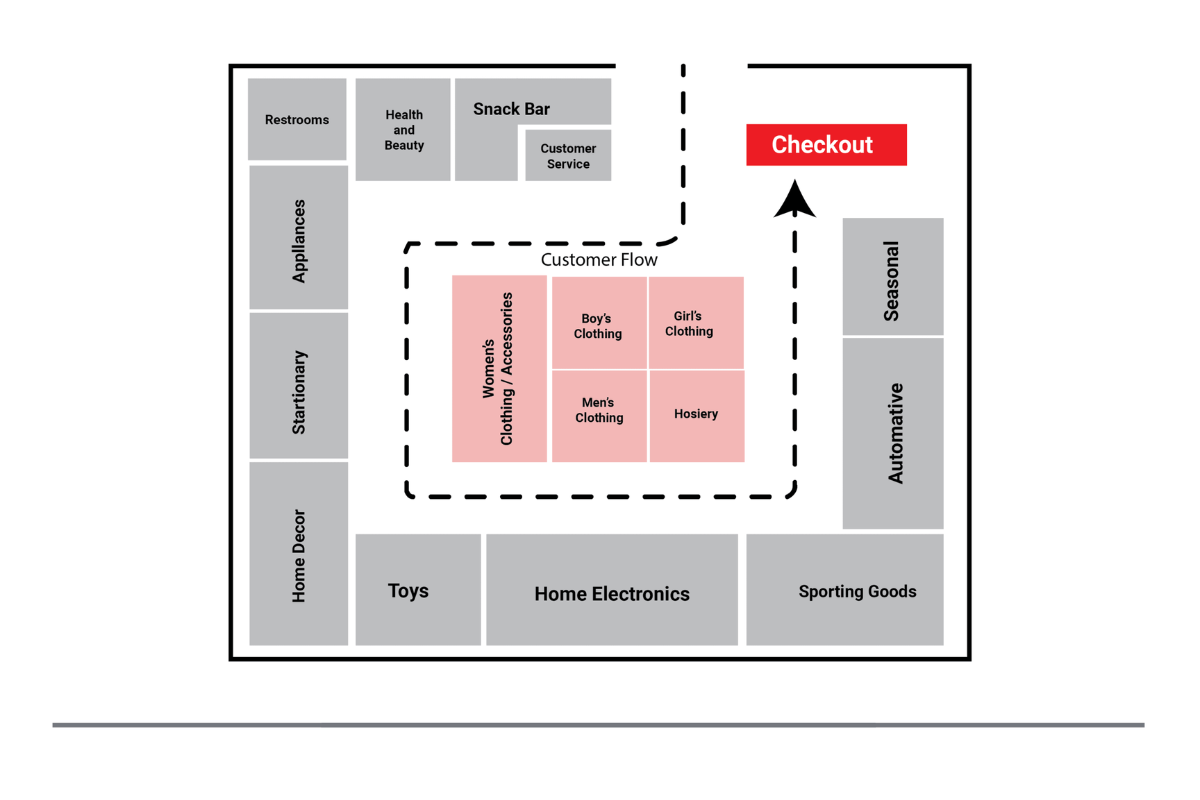
Once customers step inside, the way they move through your store determines how much they see—and how much they buy. A well-planned flow encourages people to visit more sections, spend more time, and feel comfortable while shopping. If the layout feels confusing or cramped, how quickly do you think shoppers will turn back to the entrance?
Start with a main aisle that acts as the spine of your store. This should be wide enough to handle peak foot traffic while still allowing customers to stop without blocking others. In Dubai, where family shopping is common and groups often walk together, does your main aisle give people enough room to move side by side?
Secondary aisles then branch off from the main pathway, guiding customers toward specific categories. These should feel natural to follow, with clear visibility of what lies ahead. Have you considered placing high-demand or popular products at the end of these aisles to pull customers deeper into the store?
Avoid dead ends wherever possible. Shoppers tend to skip areas that feel like a corner with no exit. Instead, create loops or racetrack-style pathways that naturally bring people back to the main aisle. Would your customers enjoy a smooth circular journey through your store, or would they prefer quick shortcuts to their favorite sections?
Flow planning also extends to checkout and exits. Long, narrow queues can cause frustration, but wide, well-marked lines with small impulse displays keep customers engaged while waiting. Is your checkout positioned in a way that feels convenient without blocking the natural rhythm of movement?
When traffic flow feels effortless, customers spend less time navigating and more time discovering. A layout that guides without overwhelming is one that keeps people coming back.
Place Products Smartly
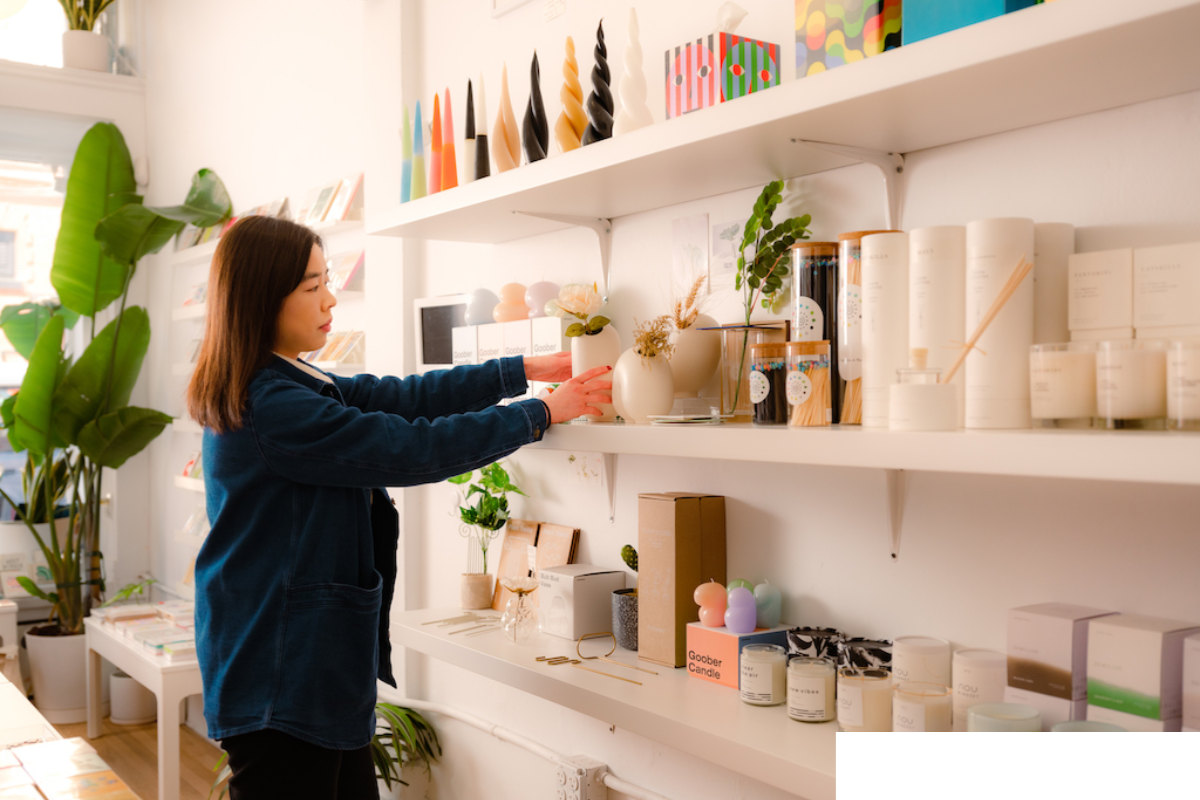
Product placement can make the difference between a quick transaction and a full shopping basket. Where you position items in your store affects how long customers stay and what they ultimately purchase. If every product were placed randomly, how would shoppers know where to look—or what to buy on impulse?
A common strategy is to keep everyday essentials toward the back of the store. This ensures that customers walk past other sections before reaching the items they came in for. Along the way, could a new display, a promotional offer, or a seasonal product catch their attention? This simple adjustment increases the chances of unplanned purchases.
Impulse products belong near the checkout counters. These are low-cost, easy-to-grab items like snacks, accessories, or small add-ons. Have you noticed how often people pick up a last-minute item while waiting in line? Placing these within arm’s reach makes the most of that waiting time and adds to your sales without extra effort.
Grouping related products together is another smart move. For example, electronics and their accessories, skincare and beauty tools, or homeware items arranged by room. When everything a customer needs is close at hand, do you think they’re more likely to buy one item, or two or three? Strategic adjacencies make the shopping experience seamless and intuitive.
Even seasonal and promotional items benefit from thoughtful placement. Placing them at eye level or at the start of aisles ensures maximum visibility. Are your bestsellers and new arrivals displayed where customers naturally look first?
Smart product placement is about guiding decisions without saying a word. When customers feel that everything is exactly where it should be, shopping becomes smoother—and sales grow naturally.
Use Lighting and Atmosphere
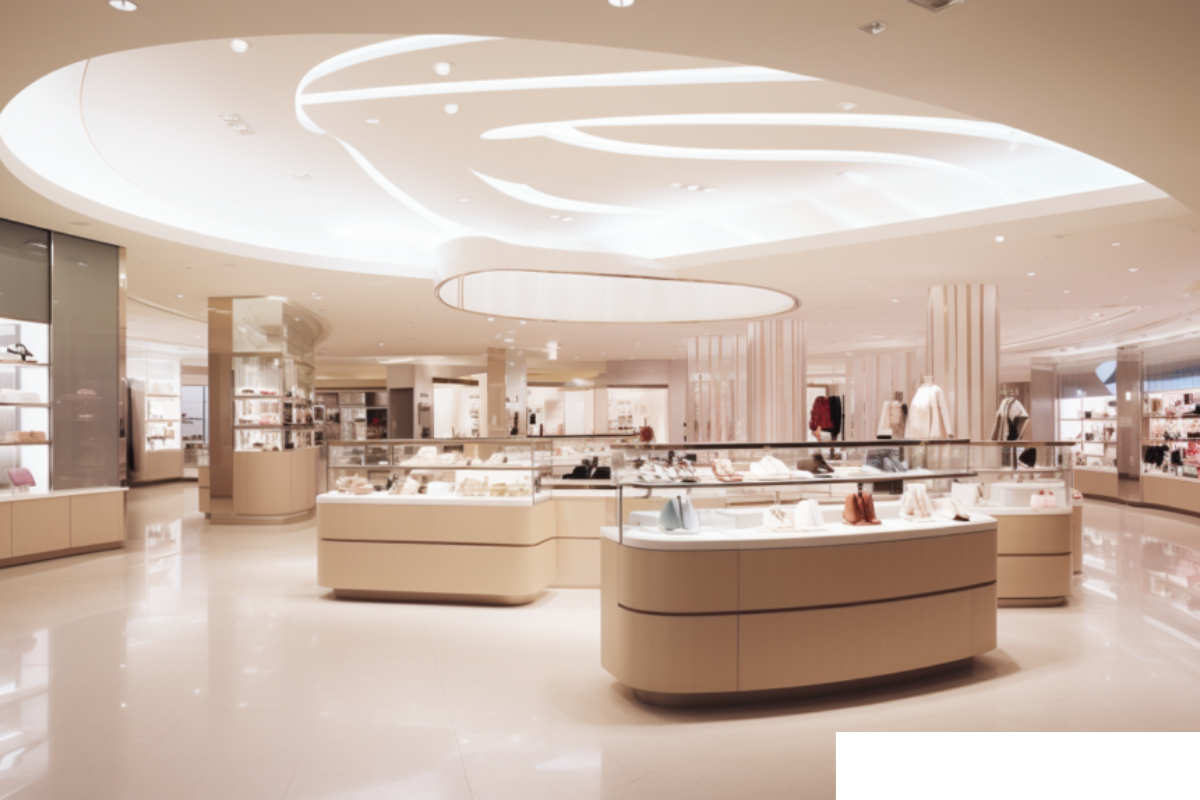
Lighting is one of the most powerful tools in shaping how customers experience your store. It doesn’t just make products visible—it guides attention, creates mood, and sets the overall energy of the space. If your displays aren’t well-lit, will customers even notice your newest arrivals?
Start with general lighting that keeps the space bright and comfortable. Then layer it with accent lights to highlight focal points such as feature walls, promotional displays, or premium products. Studies in retail psychology show that customers are more likely to approach and interact with products under focused lighting. Are your bestsellers positioned where light naturally draws the eye?
Color temperature also matters. Warm tones can create a cozy and inviting feel, ideal for fashion or lifestyle stores, while cooler tones work well in tech or pharmacy environments where clarity is essential. Have you considered whether your lighting matches the emotions you want customers to feel?
Atmosphere goes beyond lighting. Temperature plays a role in how long customers stay inside—too warm and they leave quickly, too cold and they feel uncomfortable. With Dubai’s hot climate, does your HVAC system maintain a steady, pleasant environment that encourages people to linger rather than rush?
Music is another layer that subtly shapes behavior. Soft background music can relax shoppers, while upbeat tunes can energize and increase browsing time. But is your playlist aligned with your brand identity, and is the volume set at a level where conversation still feels easy?
When lighting, temperature, and sound come together in harmony, customers don’t just see products—they feel the store. A balanced atmosphere creates comfort, sparks emotion, and keeps people engaged long enough to discover more.
Keep Checkout Easy and Quick
The final moments of a shopping trip often leave the strongest impression. A smooth checkout process can end the visit on a positive note, while long lines or cramped counters can undo the good experience built throughout the store. If customers feel frustrated at the very end, how likely are they to return?
Checkout counters should be visible and easy to find, but never placed directly at the entrance where they block the natural flow of movement. Positioning them slightly toward the side or back allows customers to explore first before making their way to pay. Have you walked through your store’s layout to see whether customers can spot the checkout without needing to search?
Space planning for queues is just as important. Narrow, winding lines often create discomfort, while wider lanes with clear boundaries help customers wait with ease. Adding small impulse products near the queue—snacks, accessories, or seasonal items—turns waiting time into a final sales opportunity. Could your store benefit from a better-designed waiting area that keeps shoppers engaged instead of restless?
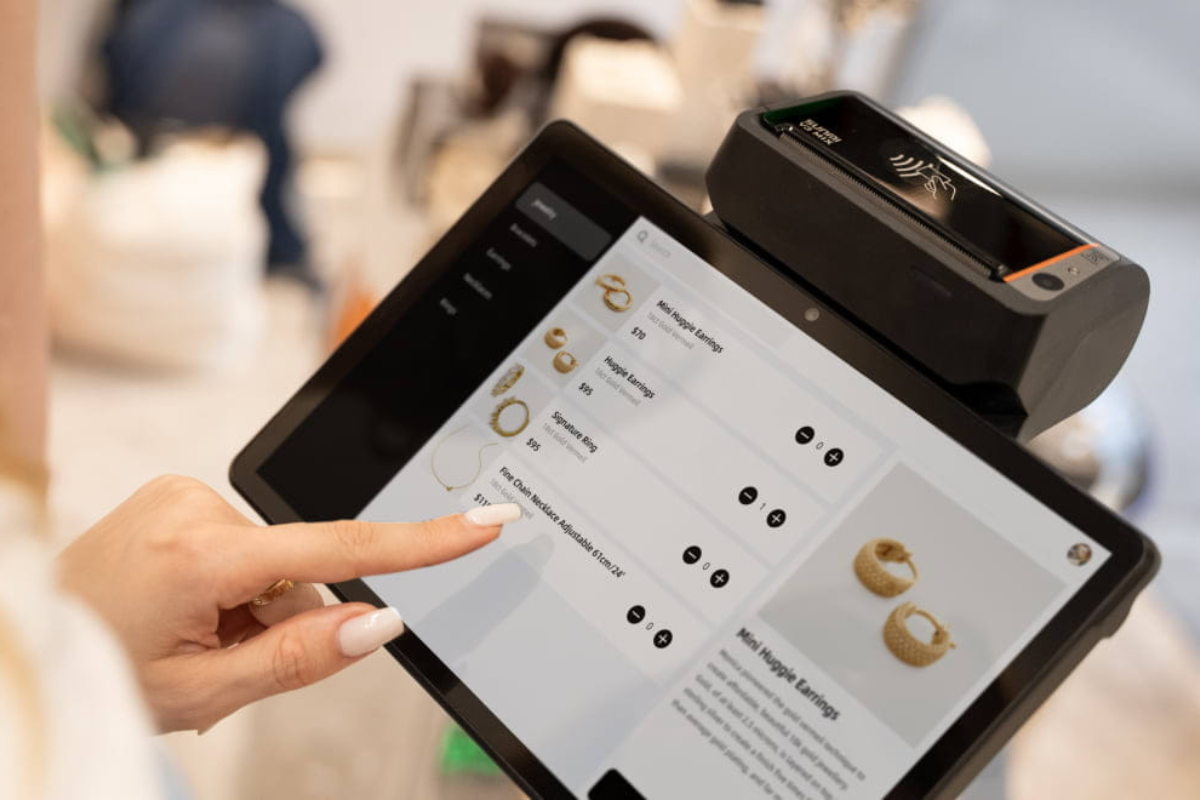
In busy retail environments like Dubai’s malls, offering flexible checkout solutions is becoming essential. Mobile point-of-sale systems allow staff to assist customers anywhere in the store, reducing congestion at counters. Click-and-collect options, where customers order online and pick up in-store, also require a dedicated space that is easy to access without disrupting the main shopping flow. Have you considered whether your current setup can handle these growing customer expectations?
When checkout feels quick, organized, and stress-free, customers leave with a positive memory—and positive memories bring them back.
Make Signage Clear and Helpful
In Dubai, where customers come from a wide range of nationalities, bilingual signage is essential. English and Arabic together ensure that every shopper feels included and informed. Have you checked whether your current signs communicate effectively to both tourists and residents alike?
Clarity matters most. Simple fonts, consistent colors, and easy-to-read sizes allow customers to absorb information quickly, even from a distance. Are your category markers, price tags, and promotional boards easy to spot without overwhelming the eye?
Promotions deserve special attention, but too many signs can create clutter. Highlight key offers at focal points like end-of-aisle displays or power walls, rather than covering every surface with messaging. When customers see fewer but clearer signs, do they pay more attention to what truly matters?
Regulations also play a role. Exterior signage in Dubai often requires landlord and municipal approval, including restrictions on size, placement, and illumination. Before installing new boards or light-up displays, have you confirmed that your design follows the required guidelines?
Effective signage turns a store into a space where shoppers feel guided rather than lost. When signs are simple, visible, and well-placed, customers spend less time searching and more time buying.
Update with Seasons and Trends
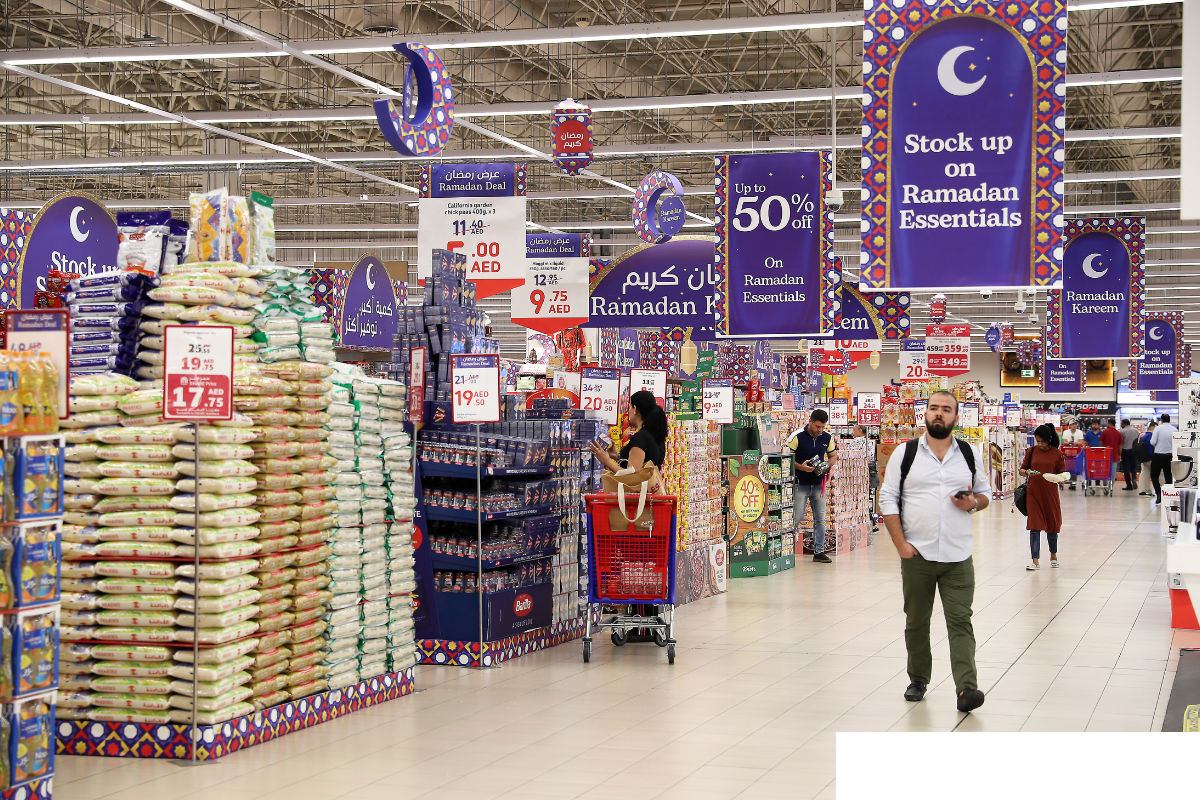
Retail in Dubai moves at the rhythm of its seasons and events. With a calendar packed with occasions like Ramadan, Eid, back-to-school, Dubai Shopping Festival, and the steady flow of tourists during cooler months, stores that update their layouts and displays regularly stay ahead. If your store looks the same month after month, what message does it send to customers about freshness and relevance?
Seasonal merchandising keeps the space exciting. During Ramadan, for example, highlighting festive collections or family-oriented products creates an immediate connection with shoppers preparing for gatherings. In Eid, vibrant displays with gift items or premium selections can capture the celebratory mood. Have you thought about how your layout shifts to reflect these cultural moments that matter deeply to your audience?
Tourism is another driver. With millions of international visitors arriving each year, especially during peak winter months, are your displays designed to appeal to both residents and tourists? Rotating feature areas to showcase “must-buy” items or locally popular products can attract new audiences while giving regular shoppers something different to explore.
Global and local retail trends also play a role. Customers are increasingly drawn to experiential spaces, eco-friendly products, and limited-edition collections. Does your layout allow flexibility to introduce pop-ups, seasonal corners, or special promotions without disrupting the overall flow?
Updating with the seasons and trends is less about constant change and more about thoughtful refreshes that align with customer expectations. When shoppers see that your store reflects what’s happening around them, they feel more connected—and more willing to return.
A store layout works best when it feels effortless to the customer. The design should quietly guide, reassure, and inspire without drawing attention to itself. When every element flows together, shopping becomes less of a task and more of an experience worth returning to.
Also read:
 Umema Arsiwala
 Shahba Mayyeri
 Umema Arsiwala
 Ummulkiram Pardawala