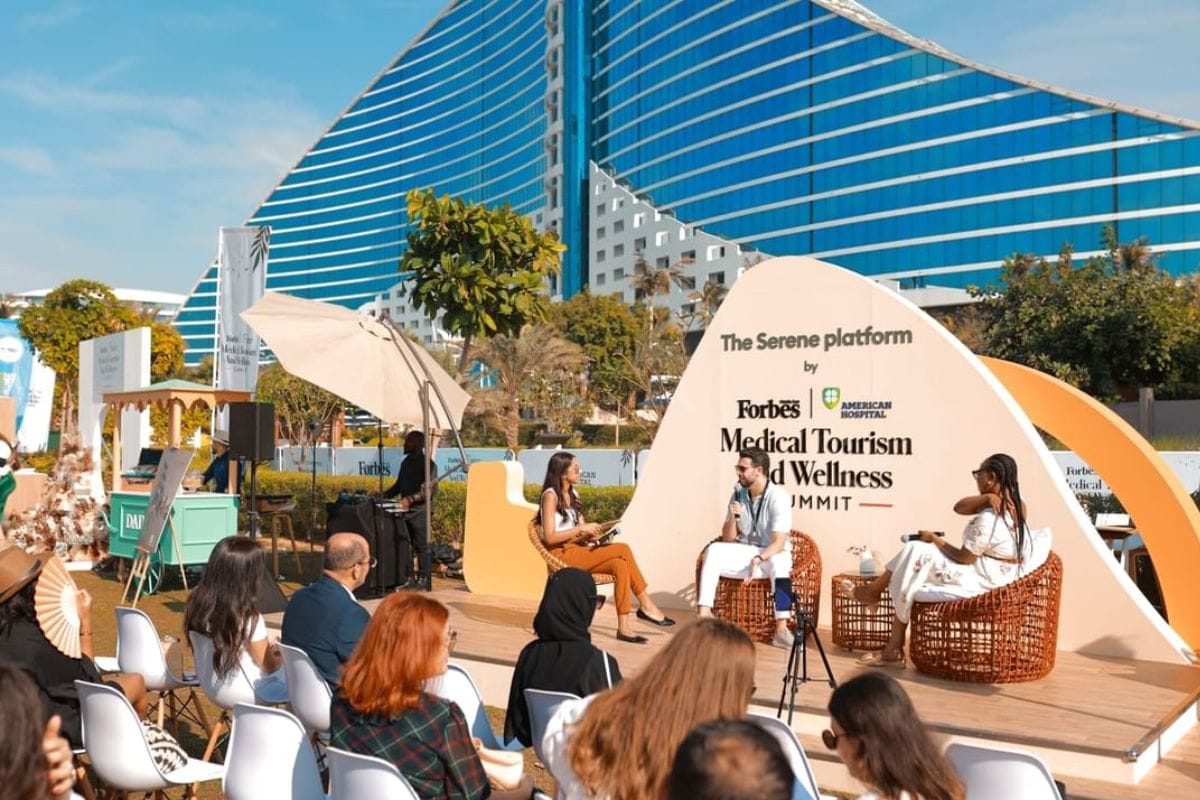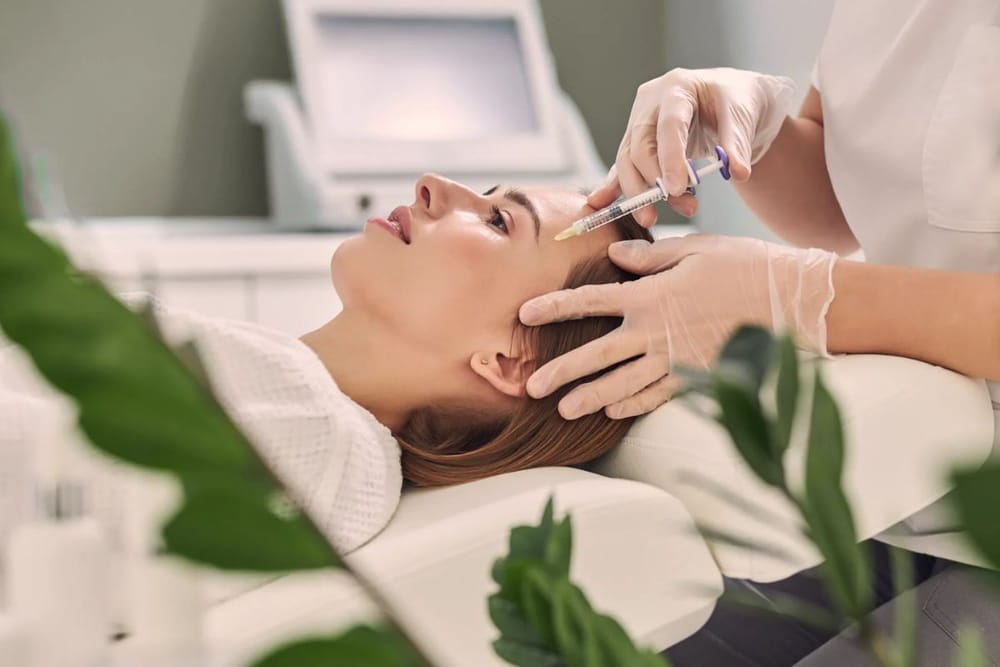
Dubai has emerged as one of the fastest-growing markets for cosmetic surgery and aesthetic treatments globally. The city's medical tourism sector, valued at billions of dollars annually, attracts both residents and international visitors seeking procedures ranging from non-invasive facial treatments to complex surgical interventions.
This growth reflects a convergence of factors unique to Dubai's demographic composition, regulatory environment, economic positioning, and cultural evolution.
Understanding why cosmetic procedures are rising in Dubai requires examining the structural, social, and economic forces driving demand.
Demographic Composition and International Population
Dubai's population structure creates inherent demand for aesthetic services. With approximately 90% of residents being expatriates from diverse countries, the city hosts populations from regions where cosmetic procedures have varying levels of social acceptance and popularity.
The large South Asian community, particularly from India and Pakistan, represents a significant market segment. Cosmetic procedures have gained acceptance in these populations, with procedures like rhinoplasty, skin lightening treatments, and hair transplants experiencing notable demand. Middle Eastern nationals from the Gulf Cooperation Council (GCC) countries also constitute an important demographic, with cultural emphasis on appearance and presentation driving interest in both surgical and non-surgical aesthetic enhancements.
Western expatriates from Europe, North America, and Australia bring cosmetic treatment patterns from their home markets, where procedures like Botox, dermal fillers, and body contouring are increasingly normalized. The concentration of diverse populations with different aesthetic preferences and treatment histories creates a broad, sophisticated market for varied cosmetic services.
The city's age distribution also influences demand patterns. Dubai attracts a relatively young, economically active population, with many residents in their 30s and 40s—the demographic most likely to pursue preventative aesthetic treatments and early intervention procedures. This age concentration creates sustained demand for maintenance treatments rather than solely corrective surgeries.
Economic Factors and Purchasing Power
Dubai's economic environment supports cosmetic procedure growth through several mechanisms. The absence of personal income tax means residents have higher disposable income compared to similar earning peers in taxed jurisdictions. This additional purchasing power enables spending on elective procedures that might be financially prohibitive elsewhere.
The city's high concentration of dual-income professional households, particularly among expatriates, creates demographic segments with significant discretionary spending capacity. Many residents view cosmetic procedures as investments in professional appearance and career advancement rather than purely personal indulgence.
Competitive pricing relative to Western markets attracts medical tourists. Procedures that cost substantially more in the United States, United Kingdom, or Australia can be obtained in Dubai at 40-60% of comparable costs while maintaining high quality standards. This price advantage, combined with the opportunity to recover in a luxury tourism destination, makes Dubai attractive for combining medical procedures with vacation experiences.
Payment flexibility through installment plans and medical financing options has made procedures accessible to broader income segments. Many clinics offer interest-free payment plans or partner with financial institutions to provide medical loans, reducing the barrier of upfront cost for expensive procedures.
Regulatory Framework and Quality Standards
Dubai's regulatory environment for medical aesthetics has matured significantly, contributing to market growth through increased consumer confidence. The Dubai Health Authority (DHA) maintains strict licensing requirements for cosmetic surgery facilities and practitioners, requiring international qualifications, continuous professional development, and adherence to safety protocols.
Mandatory licensing and inspection processes ensure facilities meet international standards for equipment, hygiene, and patient safety. This regulatory oversight reduces the risk profile associated with cosmetic procedures, making potential patients more comfortable pursuing treatments.
The requirement that practitioners hold recognized international qualifications means many Dubai-based cosmetic surgeons and dermatologists trained in leading medical institutions globally bring international best practices to the local market. This credential requirement builds trust among educated, internationally-minded residents who can verify practitioners' backgrounds.
Clear advertising regulations prevent misleading claims while allowing clinics to market services transparently. This balance enables informed consumer decision-making without the deceptive practices that have plagued aesthetic industries in less regulated markets.
Medical Tourism Infrastructure
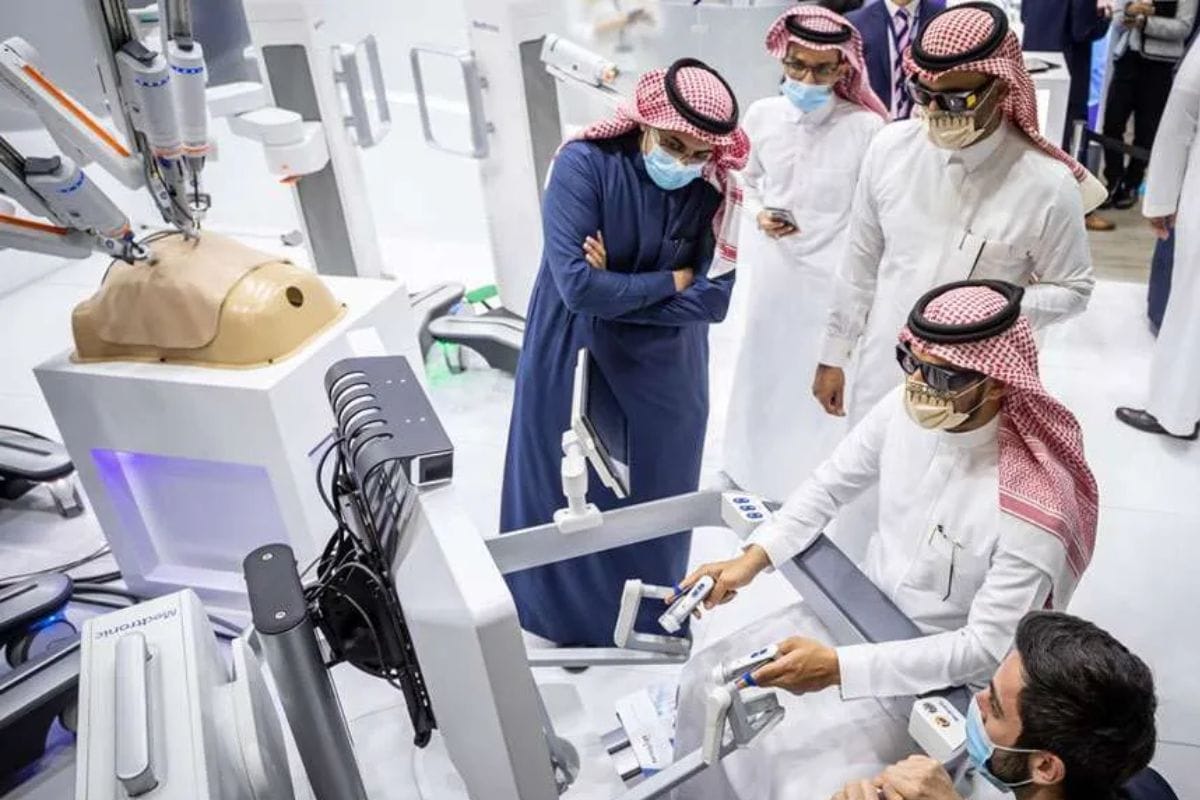
Dubai has systematically developed infrastructure supporting medical tourism, directly benefiting the cosmetic procedures sector. The emirate's position as a global aviation hub with Emirates airline connecting over 150 destinations makes it easily accessible from Europe, Asia, Africa, and increasingly the Americas.
Visa policies facilitate medical tourism, with medical visa categories allowing patients to enter specifically for treatment purposes. The government actively promotes medical tourism through Dubai Health Experience (DXH), an initiative positioning the city as a healthcare destination.
Five-star hotel infrastructure adjacent to medical facilities enables comfortable recovery periods. Many clinics have partnerships with nearby hotels offering "recovery packages" that include post-procedure care coordination, special meals, and discreet environments suited to patients recovering from surgical procedures.
The concentration of cosmetic surgery expertise in specific districts like Dubai Healthcare City creates clusters where patients can access multiple consultations, obtain second opinions, and compare options conveniently. This geographic concentration reduces friction in the decision-making process.
Social Media and Influencer Culture
Dubai's prominence in social media and influencer culture significantly drives aesthetic treatment demand. The city hosts thousands of influencers, content creators, and lifestyle personalities whose livelihoods depend on their appearance. This creates visible demand for cosmetic procedures and normalizes treatments that might carry stigma elsewhere.
Instagram, particularly popular among Dubai's residents and visitors, emphasizes visual content and personal branding. The platform's focus on curated images creates appearance pressure that drives interest in treatments promising photogenic results. Many clinics actively market through Instagram, showcasing before-and-after transformations that function as both advertising and social proof.
Influencer partnerships with clinics have become standard marketing practice. Influencers receive treatments in exchange for social media coverage, creating authentic-seeming testimonials that reach large audiences. This marketing approach is particularly effective among younger demographics who trust peer recommendations over traditional advertising.
The acceptability of discussing cosmetic procedures openly on social media platforms has reduced stigma. What was once considered private or taboo is now frequently shared, documented, and celebrated publicly, normalizing procedures and encouraging others to pursue treatments they might have previously avoided.
Non-Invasive Treatment Growth
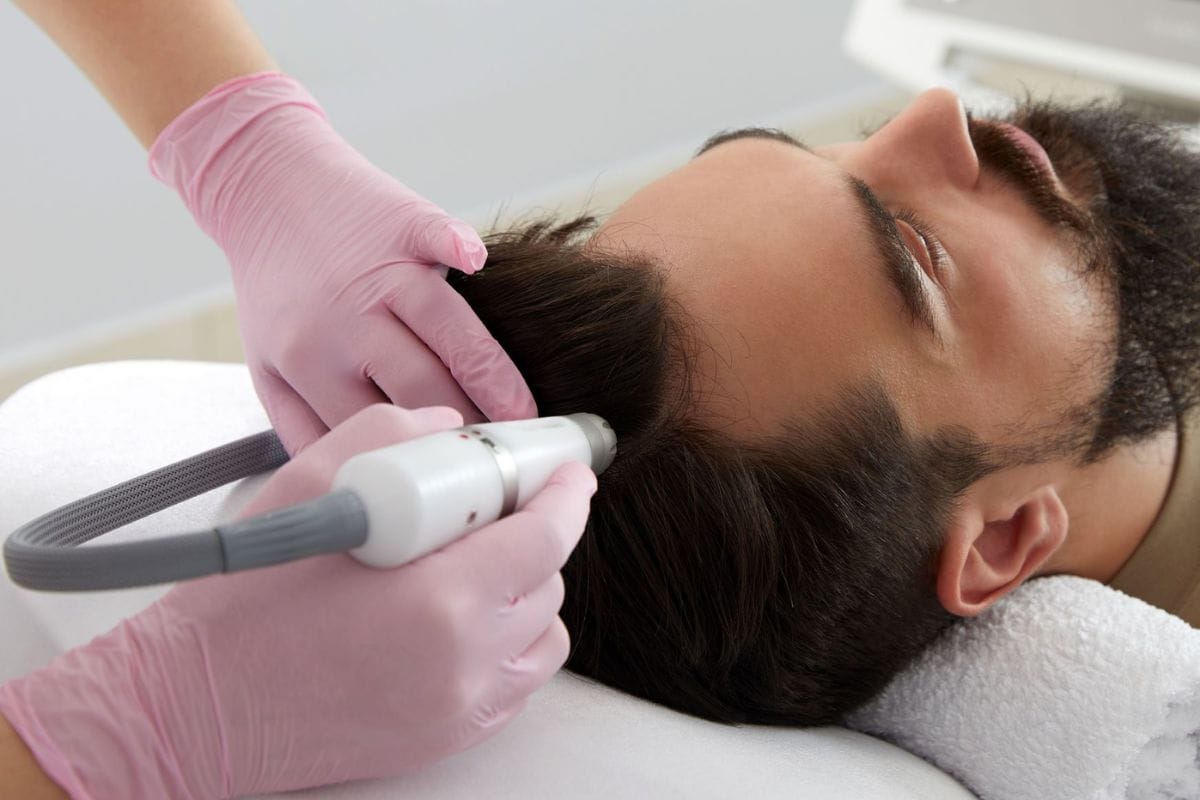
The explosive growth in non-invasive and minimally invasive treatments significantly contributes to overall market expansion. Procedures like Botox, dermal fillers, laser treatments, and chemical peels require minimal downtime and can be performed during lunch breaks, making them accessible to working professionals.
Non-invasive treatments serve as gateway procedures, introducing patients to aesthetic medicine with lower risk and commitment. Satisfaction with these treatments often leads to progression toward more intensive procedures over time.
The development of new technologies—including advanced lasers for skin rejuvenation, non-surgical body contouring devices, and innovative injectables—continually expands treatment options. These technologies often debut in markets like Dubai before reaching more regulated or conservative markets, attracting early adopters willing to try latest innovations.
The lower cost of non-invasive treatments compared to surgery makes them accessible to broader income segments. Monthly maintenance treatments create recurring revenue for clinics while establishing ongoing relationships with patients who may eventually pursue surgical options.
Cultural Acceptance and Changing Attitudes
Cultural attitudes toward cosmetic procedures in Dubai have shifted notably. While traditionally conservative views existed regarding surgical alterations, younger generations increasingly view cosmetic treatments as personal choice and self-care rather than vanity or religious transgression.
The multicultural environment exposes residents to diverse perspectives on beauty and body modification, creating more liberal attitudes overall. Exposure to Western beauty standards and practices through media, education, and travel has normalized procedures that might face resistance in more culturally homogeneous societies.
Professional environments in Dubai, particularly in industries like hospitality, aviation, real estate, and luxury retail, place premium on polished appearance. This professional pressure creates practical motivation for aesthetic treatments beyond personal preference, framing procedures as career investments.
The concept of "wellness" has evolved to encompass aesthetic treatments alongside fitness, nutrition, and mental health. Cosmetic procedures are increasingly marketed and perceived as part of holistic self-care rather than isolated vanity projects, reducing stigma and expanding acceptability.
Competitive Clinic Environment
Dubai's competitive aesthetic services market drives quality improvements and innovation. With hundreds of clinics operating, facilities must differentiate through superior results, customer service, technology adoption, or specialization.
This competition benefits consumers through improved service quality, competitive pricing, and access to latest technologies and techniques. Clinics invest in advanced equipment, continued education for practitioners, and enhanced patient experiences to attract and retain clients in a crowded market.
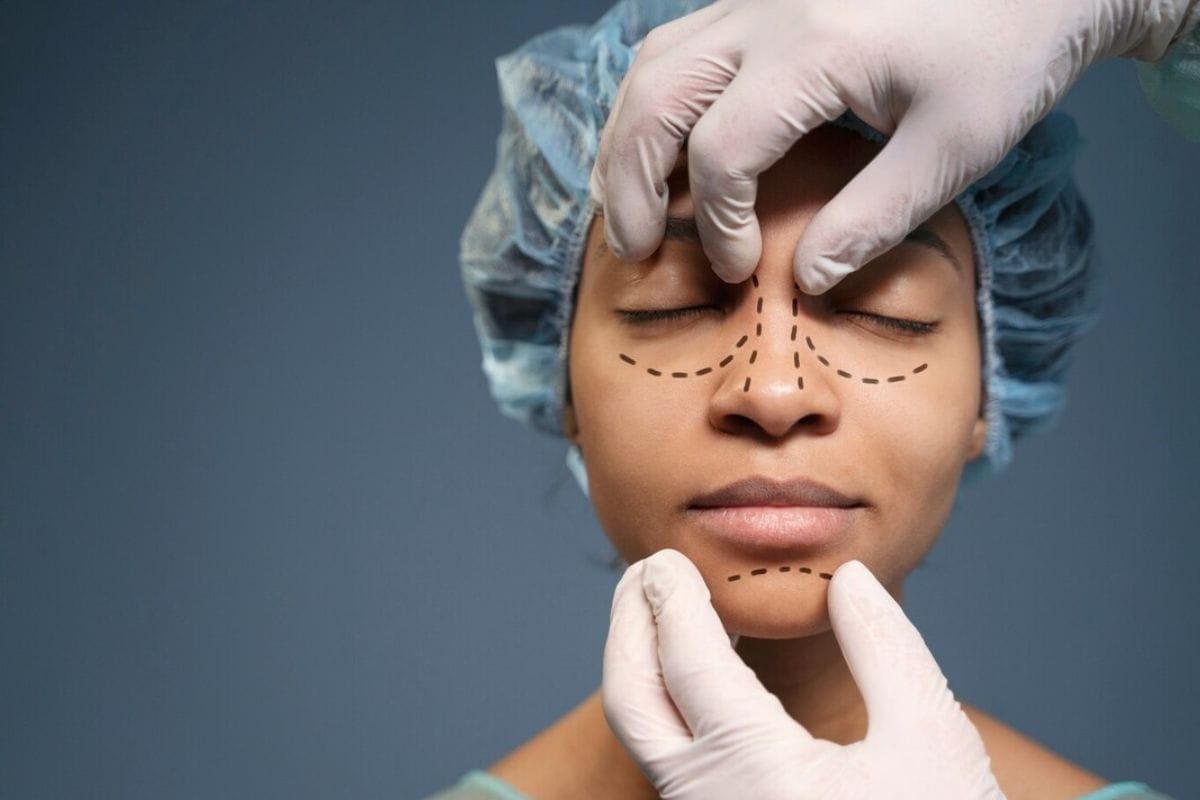
Specialization has emerged as competitive strategy, with clinics focusing on specific procedures (rhinoplasty centers, hair transplant specialists) or demographic segments (male grooming clinics, ethnic-specific services). This specialization develops deep expertise that attracts patients seeking specialist care.
Marketing sophistication has increased, with clinics employing professional marketing teams, maintaining robust social media presence, and creating educational content that builds trust and positions them as thought leaders. This professionalism elevates the industry overall and makes potential patients more comfortable engaging with services.
Medical and Technological Advancement
Continuous advancement in cosmetic medicine makes procedures safer, more effective, and less invasive, encouraging broader adoption. Techniques that once required general anesthesia and extended recovery now have minimally invasive alternatives with local anesthesia and same-day recovery.
Improved surgical techniques reduce complications and enhance results, making procedures more appealing. For example, advances in rhinoplasty allow more predictable outcomes with reduced recovery time compared to traditional approaches.
Technology like 3D imaging enables patients to visualize potential results before committing to procedures, reducing uncertainty and increasing confidence in decision-making. This visualization technology addresses the fear of unknown outcomes that previously deterred potential patients.
Post-procedure care has improved through better understanding of healing processes, enhanced pain management protocols, and follow-up technologies. These improvements reduce the negative aspects of recovery that once deterred people from pursuing desired procedures.
The Role of Corporate Wellness Programs
Some corporations operating in Dubai have begun including aesthetic treatments in wellness benefits, recognizing employee interest and framing treatments as retention tools. While not yet widespread, this trend signals institutional acceptance of cosmetic procedures as legitimate healthcare services.
Corporate discounts and partnerships between large employers and aesthetic clinics make treatments more accessible to employees while building ongoing relationships between clinics and steady patient sources.
Future Growth Trajectory
Several factors suggest continued growth in Dubai's cosmetic surgery and aesthetic treatment market. The government's continued investment in medical tourism infrastructure signals commitment to sector development. Dubai's positioning as a luxury lifestyle destination aligns naturally with high-end aesthetic services.
Technological innovation will likely introduce new treatment categories and improve existing procedures, expanding the addressable market. As procedures become safer, more effective, and less invasive, hesitant consumers will likely enter the market.
Generational shifts will continue normalizing cosmetic procedures. Younger cohorts who grew up with social media, influencer culture, and open discussion of aesthetic treatments will likely maintain or increase consumption as they age and gain purchasing power.
The rise of cosmetic surgery and aesthetic treatments in Dubai results from converging factors rather than any single cause. The city's unique demographic composition, economic characteristics, regulatory maturity, and cultural evolution create ideal conditions for aesthetic services market growth.
As Dubai continues developing as a global city attracting diverse, affluent, appearance-conscious populations, the cosmetic procedures market will likely maintain its growth trajectory, further establishing the emirate as a leading destination for aesthetic medicine regionally and globally.
Also Read:
 HiDubai Newswire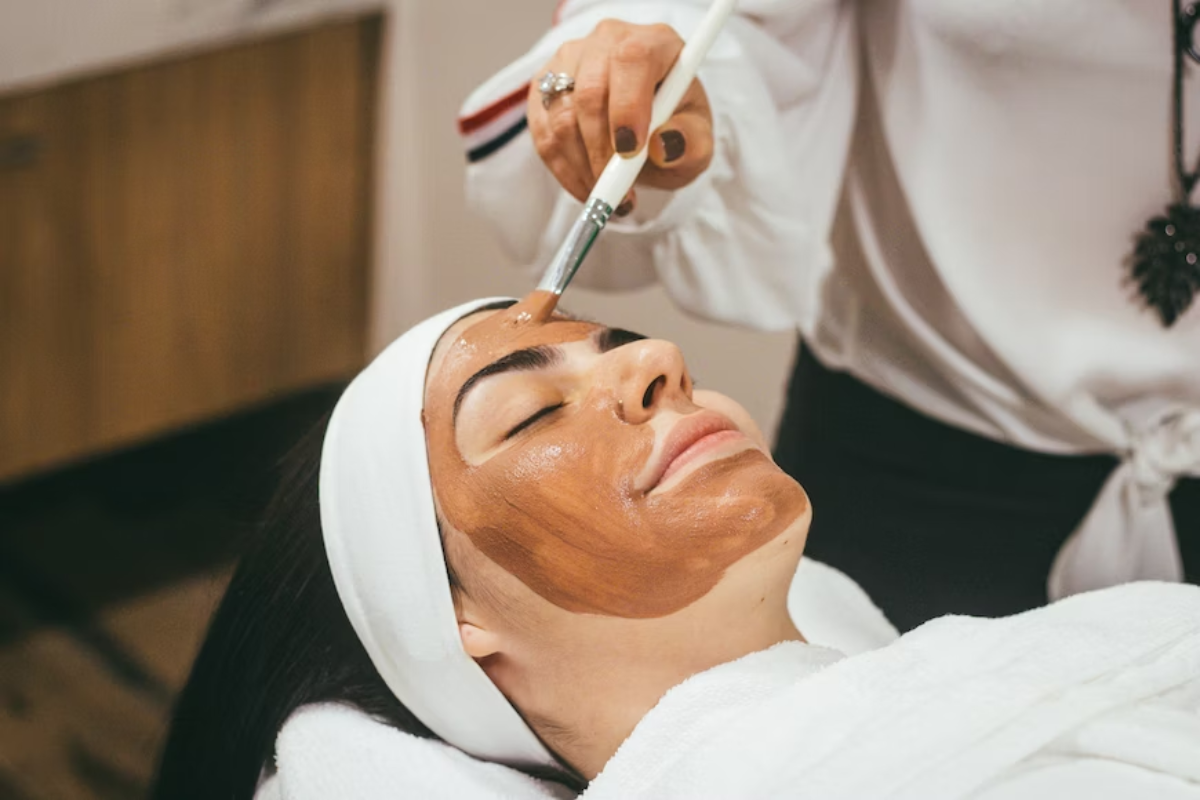
 HiDubai Newswire
 Shahba Mayyeri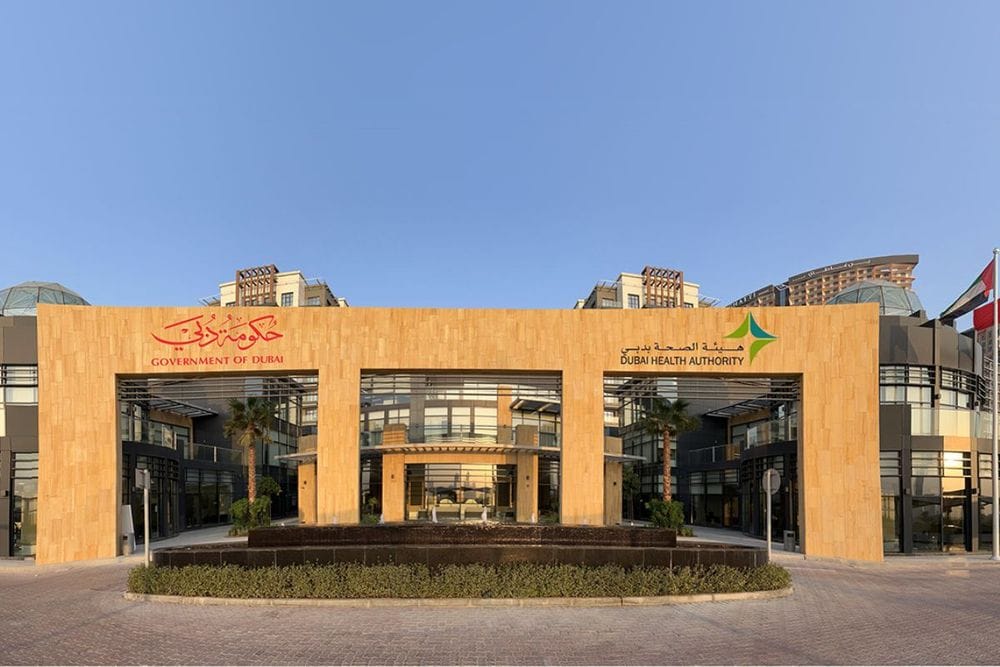
 Shahba Mayyeri