
You launch your home business with fireworks. Orders trickle in, clients rave about your work, the bank balance climbs, and you feel invincible. For a few months, everything accelerates. Then, almost overnight, the momentum vanishes. The inbox quiets, sales hover at the same level week after week, and what felt like unstoppable growth turns into a stubborn flatline.
It is not bad luck. It is not the algorithm gods punishing you. It is the hidden plateau every single home business reaches, usually somewhere between the AED5k-20k per month mark. The excitement of the early wins masks the cracks until one day you wake up and realise nothing has moved forward in weeks. That first rush of progress carried you, but now the training wheels are off and the real work begins.
The emotional whiplash stings. You started with big dreams, late nights fuelled by possibility, and the sweet taste of finally proving the doubters wrong. Then the slowdown creeps in and doubt floods back twice as loud. You question your pricing, your offer, even your sanity. Friends still congratulate you on “having your own business”, yet inside you know things have stalled and you have no idea why.
Almost everyone feels this. The freelance designer who doubled her rates and suddenly stopped hearing from new leads. The online coach whose launch did AED30k and whose next one barely scraped AED8k. The e-commerce store owner watching daily sales freeze at the same figure for months. The plateau is universal because the rules that get you out of the starting blocks are not the same rules that keep you climbing.
The good news? Once you recognise the plateau for what it is, a signal that your old playbook has expired, you can rewrite the next chapter instead of staring at a wall. The businesses that break through are not luckier or more talented. They simply spot the stall earlier and pivot before the flatline becomes a graveyard.
Ready to see exactly why it happens and, more importantly, how to leap over it rather than bang your head against it? Let us dive in.
Why Growth Suddenly Stops

Here is the brutal truth in plain sight. Your business did not stall because the market changed overnight or because Mercury is in retrograde. It stalled because one (or several) of these six cracks widened exactly when the early rocket fuel ran out. Recognise them fast, fix them faster, and the plateau becomes a launchpad.
- No clear long-term strategy
You winged the first AED10k on instinct and caffeine. Brilliant. But instinct only carries you so far. Without a written plan for the next 6–24 months, you are flying blind. You chase shiny tactics, react to every trend, and waste months on things that feel productive but move the needle precisely nowhere. - Lack of brand differentiation
Scroll through Instagram or Etsy for ten seconds in your niche and you will see twenty accounts that look, sound, and price exactly like yours. If a potential customer cannot explain in one sentence why they should choose you over the next tab, they won’t. Blending in is the silent killer of growth. - Inconsistent marketing
A viral reel here, a burst of stories there, then radio silence for three weeks while you fulfil orders. Word of mouth carried the start, but it will not scale. When the algorithm stops spoon-feeding you new eyeballs and you have no engine running in the background, the pipeline dries up fast. - Operating like a hobby, not a company
No proper invoicing system, no CRM, no clue which clients or products actually make money, no standard operating procedures. You juggle everything in your head until the mental load becomes unbearable. One delayed payment or lost file and the whole operation wobbles. Hobbies stay small; companies scale. - Burnout and isolation
You are the marketer, the maker, the accountant, the customer service rep, and the cleaner. Every decision lands on your shoulders, every ping steals another sliver of your evening. Energy leaks, creativity flatlines, and suddenly posting anything feels impossible. The business does not stall; you do. - Failure to innovate
You found a winning offer, milked it for a year, and kept selling the same thing to the same people in the same way. Meanwhile the audience’s needs evolve, competitors appear with fresher angles, and your once-irresistible thing starts feeling ordinary. Resting on laurels is comfortable until the numbers remind you it is also fatal.
Warning Signs You’re Slowing Down
You won’t always notice the plateau the day it arrives. It creeps in quietly, disguised as “just a slow week” or “I’ll fix it next month”. By the time the bank balance screams, the damage is done. Catch it early by watching for these red flags. If three or more feel familiar, you are already braking harder than you realise.
- Sales plateauing even when effort increases
You post more, email more, discount more, yet the numbers refuse to budge. Extra hustle is producing diminishing returns and that is the loudest alarm your business can sound. - Customer engagement dropping across platforms
Likes turn into scrolls, comments dry up, email open rates slide, and your stories get the same ten loyal viewers every time. Your audience hasn’t left; they’ve just stopped caring as much. - Competitors pulling ahead with fresher ideas
Someone you used to outperform is suddenly everywhere. They have new packaging, a smarter funnel, a collab you wish you’d thought of. Their growth curve keeps climbing while yours has gone horizontal. - Feeling overwhelmed despite working longer hours
The to-do list grows faster than you can tick it off. You are in the office (or at the dining table) until midnight and still falling behind. Exhaustion is now your default setting. - You’re reacting to problems instead of anticipating them
A client complains and you scramble. Stock runs out and you panic-order. An invoice goes unpaid and you chase weeks late. Firefighting has replaced steering; you are no longer running the business, it is running you.
How Smart Home Businesses Stay Ahead

The ones who don’t just survive the plateau but smash straight through it all do the same handful of things, quietly, relentlessly, and long before panic sets in. These are not flashy hacks; they are the boring, brilliant fundamentals that turn a kitchen-table venture into a proper machine. Steal the playbook.
- Build a real strategy with quarterly goals and metrics to track
No more “let’s see what happens this month”. They sit down every 90 days, decide the three numbers that matter most (revenue, profit, new customers, whatever moves the needle), and reverse-engineer exactly what has to happen week by week. Everything else becomes optional. - Strengthen your brand identity through storytelling and consistent design
They stop trying to look like everyone else and double down on what makes them different. A clear colour palette, a voice that feels like chatting with a friend, stories that remind people why they fell in love with the brand in the first place. Suddenly they stand out in a sea of sameness. - Upgrade your operations: automation, templates, outsourcing small tasks
Emails go out automatically. Invoices generate themselves. Packing slips live in a Canva template. The first £5–£10 an hour tasks get handed to a reliable freelancer overseas. Time gets freed, mistakes drop, and the owner stops being the bottleneck. - Invest in continuous learning: trends, tools, and niche insights
They carve out a non-negotiable hour a week to study: a new ad platform, a better checkout flow, what’s working for the top players in their space. Small, consistent upgrades compound faster than most people’s annual overhauls. - Reconnect with customers using data, surveys, and feedback loops
They actually ask what people want next instead of guessing. A quick Typeform after purchase, a poll in stories, a scroll through the DMs. Then they build exactly what the audience is already begging for. Sales feel effortless because the offer hits a pre-existing itch. - Test and innovate: new product bundles, offers, formats, or audiences
They never let the flagship offer get too comfortable. A higher-ticket version, a lower-touch digital version, a limited bundle, a fresh platform, a slightly different target customer. One small experiment every month keeps the business alive and the algorithm interested.
The Power of Adaptation
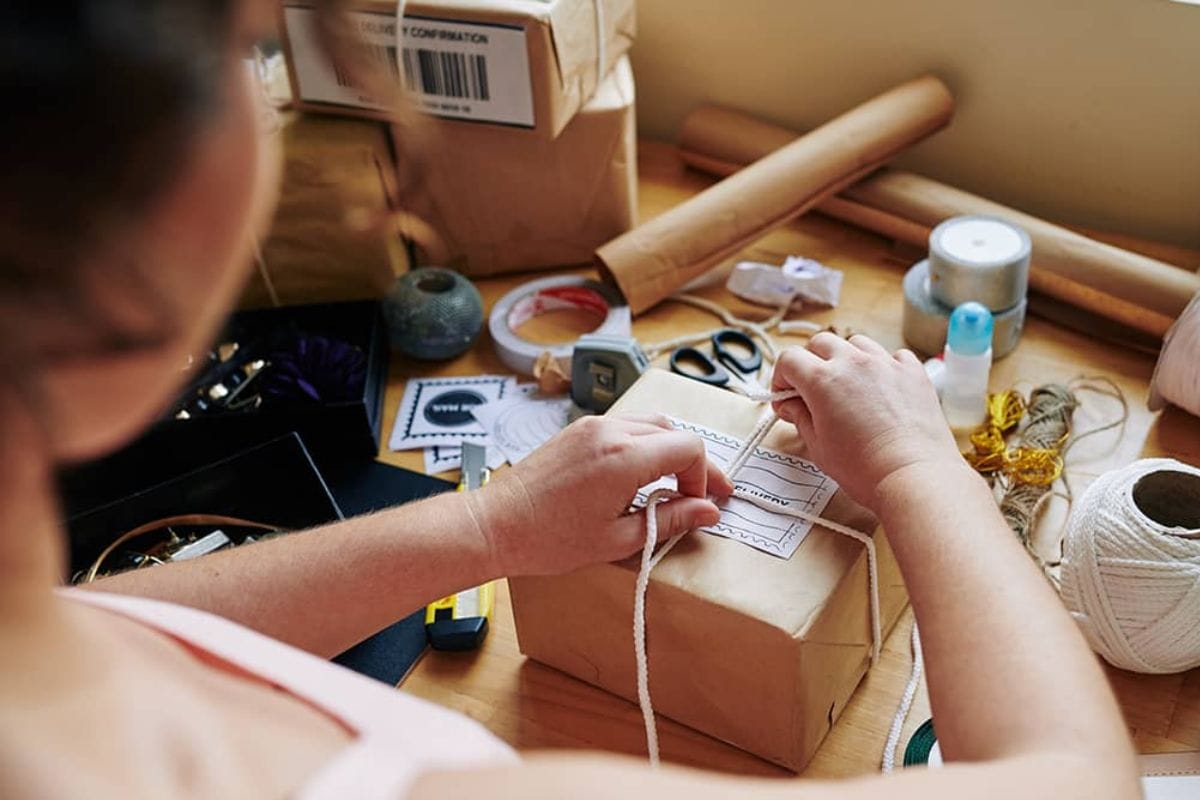
Flexibility is the single clearest divide between the home businesses that keep climbing and the ones that fade into obscurity.
The market never stands still. Customer desires shift, algorithms rewrite the rules, costs rise, new tools appear, and what felt bulletproof six months ago can turn fragile overnight. Stubborn attachment to “how things have always been done” is comfortable until it becomes suicidal. Thriving owners treat their business like a living organism: it must evolve or it dies.
Adaptation is not betrayal of your original vision. It is the refusal to let nostalgia choke growth. The moment you fall in love with a tactic, an offer, or a platform more than with the result it delivers, you hand the competition your crown.
Those who stay ahead do not wait for a crisis to force change. They sense the wind shifting and adjust the sails early. They test, tweak, and pivot long before the old path runs out of road. That habit alone turns plateaus into brief pauses rather than permanent ceilings.
Master adaptation and your business stops being a fragile spark. It becomes an antifragile machine that gets stronger every time the world throws a curveball.
Practical “Stay Ahead” Playbook
Steal this exact system. The owners who never stall again all run some version of it. Block the time, make it non-negotiable, and watch the plateau turn into a distant memory.
- Weekly planning routine
Every Sunday night, 30 minutes. Look at the three numbers that matter most this quarter, decide the three actions that will move them this week, schedule them first. Everything else fits around those three. - Monthly performance review
Last day of the month, one hour. Pull the real numbers (revenue, profit, leads, conversion rate, customer acquisition cost). Ask: what worked, what flopped, what needs to die. Adjust next month’s plan on the spot. - Quarterly strategy reset
Ninety-minute session every thirteen weeks. Celebrate wins, set the next quarter’s big goal, list every project or offer that no longer fits, kill or delegate it. Leave the call with crystal clarity on where the business is heading next. - Yearly brand refresh
Once a year, audit the visuals, messaging, and customer journey like you’re a new prospect. Update what feels dated, tighten the story, make it impossible to confuse you with the competition. - Networking and collaboration plan
Minimum one coffee chat, joint venture, or guest expert slot booked every month. Relationships compound faster than any ad spend. - Content and marketing calendar
Three months mapped in advance, batch-created where possible. No more “what should I post today?” panic, just execute the plan. - Innovation tracker: one experiment per month
A new bundle, price point, platform, format, or audience segment. Track the result in a simple table. Ten per cent of these will be home runs; the other ninety per cent teach you what the home runs have in common.
Your plateau is not the end of the road; it is the quiet test that reveals who truly belongs at the next level. Most owners hesitate, make excuses, and slowly fade away, while a rare few look the stall dead in the eye and choose to evolve. You now hold every insight, every strategy, and every move that turns a stubborn ceiling into a launchpad. Close this article, open your calendar, block the time, and begin. The next leap is waiting, and this time it will be your unrelenting commitment, not luck, that carries you across. Decide right now to be one of the few.
Also Read:
 Shahba Mayyeri
 HiDubai Newswire
 Ummulkiram Pardawala
 Shahba Mayyeri