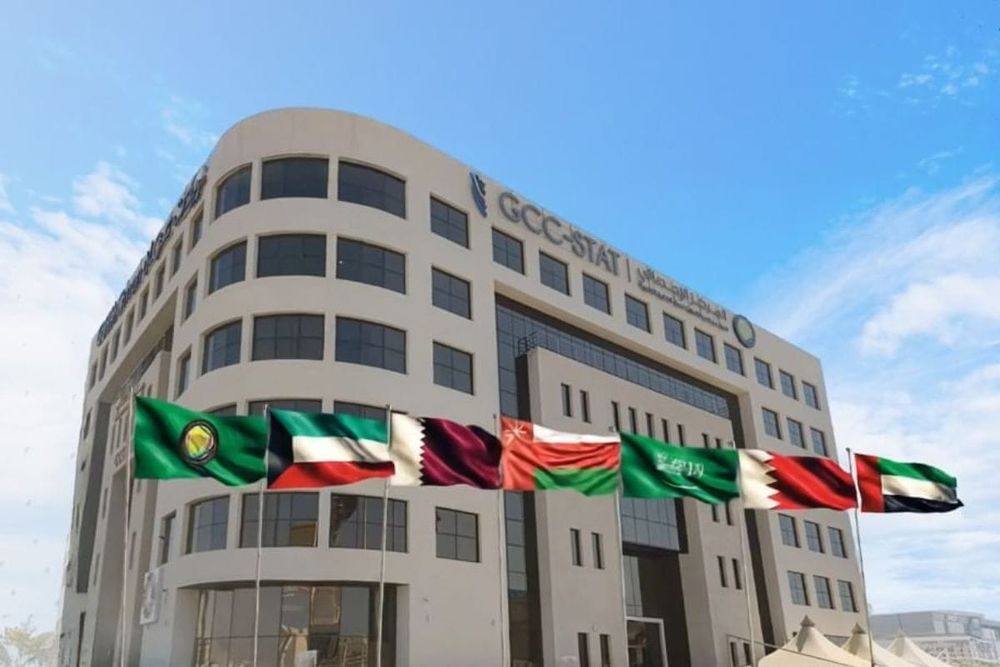
The GCC waste management sector is shifting from a municipal service into a major investment market, with its value estimated at AED 250.8 billion in 2025 and projected to pass AED 382.2 billion by 2031, according to a regional statistical report.
That equates to a compound annual growth rate of 7.29 percent. The region collected 283.5 million metric tonnes of waste in 2024, up 20.4 percent from 2023, while treated waste rose 6.2 percent to 69.0 million tonnes.
Construction and demolition waste led the increase, climbing 26.5 percent to 226.6 million tonnes, in step with a 43.6 percent rise in construction GDP between 2021 and 2024.
Non-hazardous waste made up 97.1 percent of collections. Hazardous waste accounted for 11.7 percent of treated volumes, up from 9.9 percent in 2023. Industry generated 6.4 million tonnes of hazardous waste, or 77.6 percent of the regional total, while hazardous medical waste reached 134,600 tonnes, up 14.3 percent.
Infrastructure is keeping pace. The GCC has 28 facilities for hazardous industrial waste recycling and metal recovery, 43 accredited used-oil re-refining facilities and 27 medical waste incineration sites, whose design capacity grew 67.1 percent between 2019 and 2024. The report points to openings for private-sector partnerships in these areas.
The UAE, Qatar, Oman and Kuwait each scored 100 out of 100 in the Sustainable Solid Waste Management index within Yale University’s Environmental Performance Index. Bahrain scored 98.51 and Saudi Arabia 92.27 among 180 countries assessed.
Hazardous waste exports reached 0.8 million tonnes in 2024, with 72.6 percent destined for recycling or metal recovery. GCC states have submitted 92 national reports to the Basel Convention Secretariat, up from 87 in 2023.
News Source: WAM