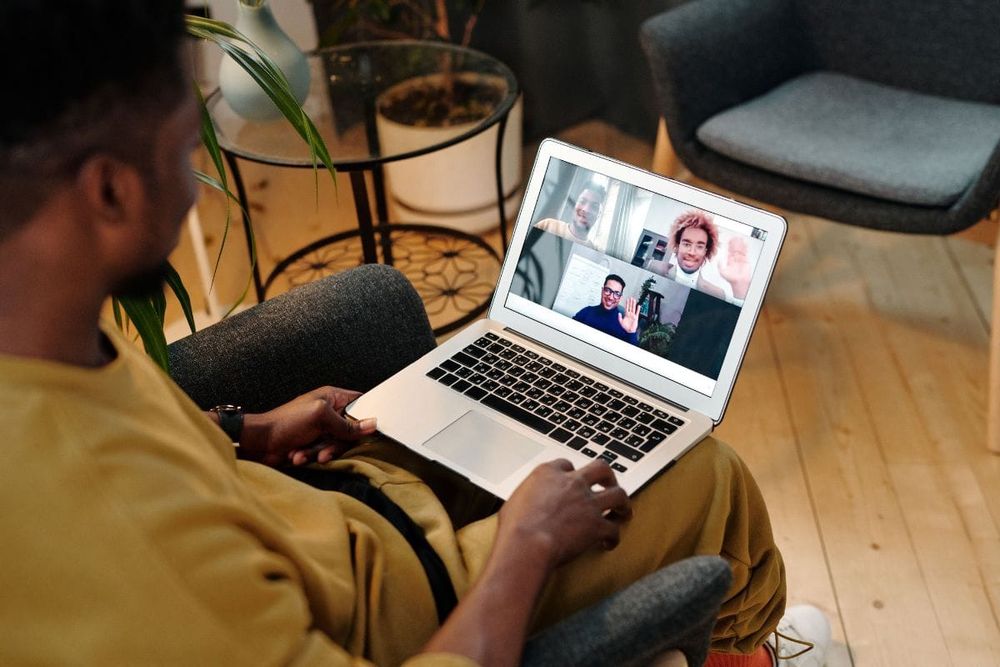
Dubai closed 2025 with 19.59 million international overnight visitors, a fresh record for the third year running, according to the Dubai Department of Economy and Tourism.
Average hotel occupancy climbed to 80.7 percent, up from 78.2 percent the year before, and the city crossed two million visitors in a single month for the first time in December. Behind those headline numbers sits a quieter shift. A growing share of the people filling those rooms are not purely on holiday or purely on business. They are somewhere in between, and hotels across the city are redesigning themselves around that in between space.
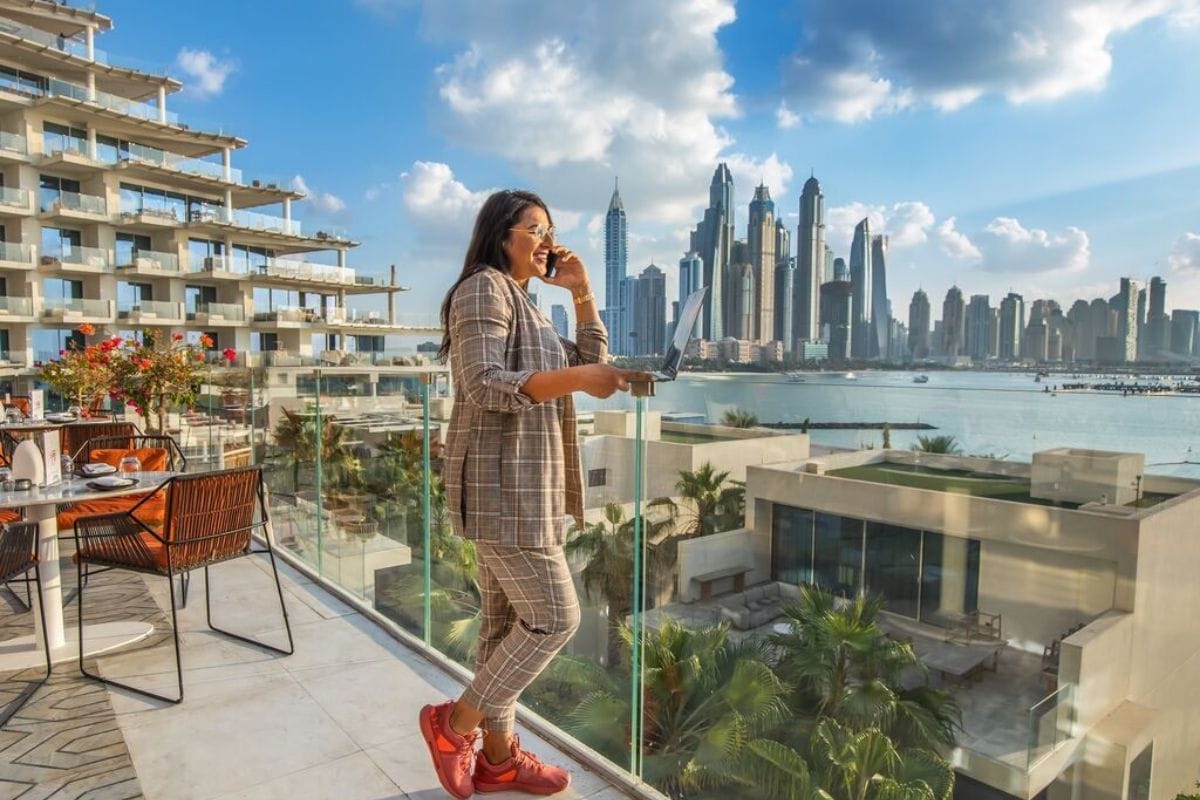
The travel industry calls this blended pattern bleisure, a mashup of business and leisure that describes professionals who tack personal time onto a work trip. Dubai has become one of the destinations most associated with the trend. Travel Code's research names it alongside Singapore, London, New York, San Francisco and Las Vegas as one of the cities leading global bleisure demand, and the city's own visitor survey data backs that up.
Dubai's International Visitor Survey found that 79 percent of international visitors came for leisure in 2022, up from 71 percent the year before, even as the city's business and MICE calendar kept expanding.
What does a hotel look like when it has to serve a guest who wants a functioning desk in the morning and a rooftop pool by sunset?
Why Dubai Became a Magnet for Bleisure Guests
Dubai's appeal to this hybrid traveler is not an accident. The city built its reputation on global connectivity, a packed calendar of trade shows and conferences, and a hospitality sector that has always leaned into leisure extras like beach clubs, fine dining and desert excursions. Arabian Business reported that operators across the UAE are now seeing shorter booking windows and a rise in last minute reservations, driven partly by hybrid work culture and the growth of coworking spaces across the emirate. A typical bleisure guest today is a professional who comes in for meetings or a conference and simply stays on for a few extra days of personal time. Hotels that once drew a hard line between business properties and leisure resorts are finding that line increasingly pointless.
The market backs the shift too. The global bleisure travel sector was valued at 472 billion dollars in 2025 and is projected to reach 732 billion dollars by 2030, according to the Business Research Company. That is not a niche habit anymore. It is a mainstream travel pattern, and Dubai's hotel developers have taken notice, opening properties like Jumeirah Marsa Al Arab, Mandarin Oriental Downtown Dubai and Ciel Dubai Marina in 2025 alone, each built with flexible, dual purpose spaces in mind.
Guest Rooms Are Learning to Do Double Duty
The most visible change is inside the room itself. Traditional business rooms centered on a desk and a chair, while leisure rooms leaned into lounge seating and views. Bleisure design merges the two through zoning, where a single room is split into distinct areas for focused work, quiet rest and social downtime. A proper desk with strong lighting and reliable power sits near the window, a separate lounge corner handles relaxation, and multifunctional furniture, such as an ottoman that doubles as extra seating for a video call, ties the space together without making it feel cluttered.
Connectivity has become non negotiable. Fast, stable Wi-Fi throughout the property, not just in the room, is now treated as basic infrastructure rather than a premium add on. Hotels are also building in more flexible room configurations that can shift from a single business traveler's base to a family friendly suite if that traveler decides to bring people along for the leisure portion of the stay.
Lobbies Are Turning Into All Day Working Lounges
Perhaps nowhere has the redesign been more dramatic than the lobby. Dubai hotel lobbies used to exist mainly for check in and a quick photo against a dramatic backdrop. Today they are becoming multifunctional hubs that double as coworking zones, social lounges, dining spots and event spaces, often within the same open floor plan. Movable partitions and flexible furniture layouts let a space host a laptop heavy morning crowd and shift into a relaxed evening lounge without a full reset.
This matters because bleisure guests do not necessarily want to work behind a closed door all day. Many prefer a change of scenery that still lets them get things done, which is why open plan coworking areas with strong lighting, comfortable seating and accessible charging points have become a defining feature of new Dubai properties. Local design touches, from Arabic geometric patterning to locally sourced art and furnishings, are increasingly woven into these spaces too, giving them a sense of place rather than the generic international hotel look.

Meeting Rooms and Business Centers Are Getting a Personality Transplant
The old hotel business center, a windowless room with a printer and a couple of desktop computers, is fading out. In its place, properties are building private meeting pods and soundproof booths that professionals can use for a video call without booking a full conference room. These spaces tend to sit adjacent to or inside the coworking lounges rather than tucked away near the loading dock, which keeps them visible and easy to use on short notice.
Larger meeting rooms and ballrooms are being designed with more flexibility too, able to convert quickly between a formal boardroom setup and a casual networking event space. That flexibility matters commercially as well as experientially, since hotels can now generate revenue from the same square footage across very different use cases within a single day.
Wellness and Leisure Amenities Are Moving Closer to the Work Zones
Bleisure travelers tend to value personal time to explore and recharge as much as the meetings that brought them to the city in the first place. Hotels have responded by pulling wellness amenities, spas, pools and fitness facilities closer to the guest journey rather than positioning them as an optional extra. A quick swim or a spa treatment squeezed between calls is now part of the expected offering rather than something a guest has to plan a separate trip around.
Dining has followed a similar path. Flexible dining formats that work for a quick solo breakfast meeting as easily as a relaxed dinner with a client or a friend are replacing the rigid, single purpose restaurant model. Rooftop lounges and beachfront dining venues, long a Dubai specialty, now double as informal meeting spots during the day and social destinations at night.
Technology Is Quietly Powering the Whole Shift
None of this works without the technology layer underneath it. Contactless and mobile check in, smart room controls and app based service requests let bleisure guests move between work mode and leisure mode without friction. Digital concierge tools that can book a spa slot, adjust a meeting room reservation or recommend a nearby restaurant all from the same app are becoming standard rather than a luxury feature in Dubai's newer properties.
Sustainability has crept into this conversation too. Around 60 percent of travelers say they prefer hotels that prioritize environmental responsibility, and Dubai's design teams are responding with energy efficient lighting, responsibly sourced furnishings and eco conscious materials woven into these otherwise tech forward spaces.
Dubai's hospitality sector is not simply adding a coworking corner and calling it done. The bleisure trend is pushing a genuine rethink of what a hotel room, lobby and meeting space are for, and that rethink is showing up in occupancy numbers, average daily rates and the pipeline of new properties entering the market. With Dubai's hotel inventory already at 154,264 rooms across 827 establishments and still growing, the properties that treat flexibility as a design principle rather than an afterthought are the ones best placed to capture this guest for years to come.
Also Read:
 Shahba Mayyeri
 Shahba Mayyeri
 Ummulkiram Pardawala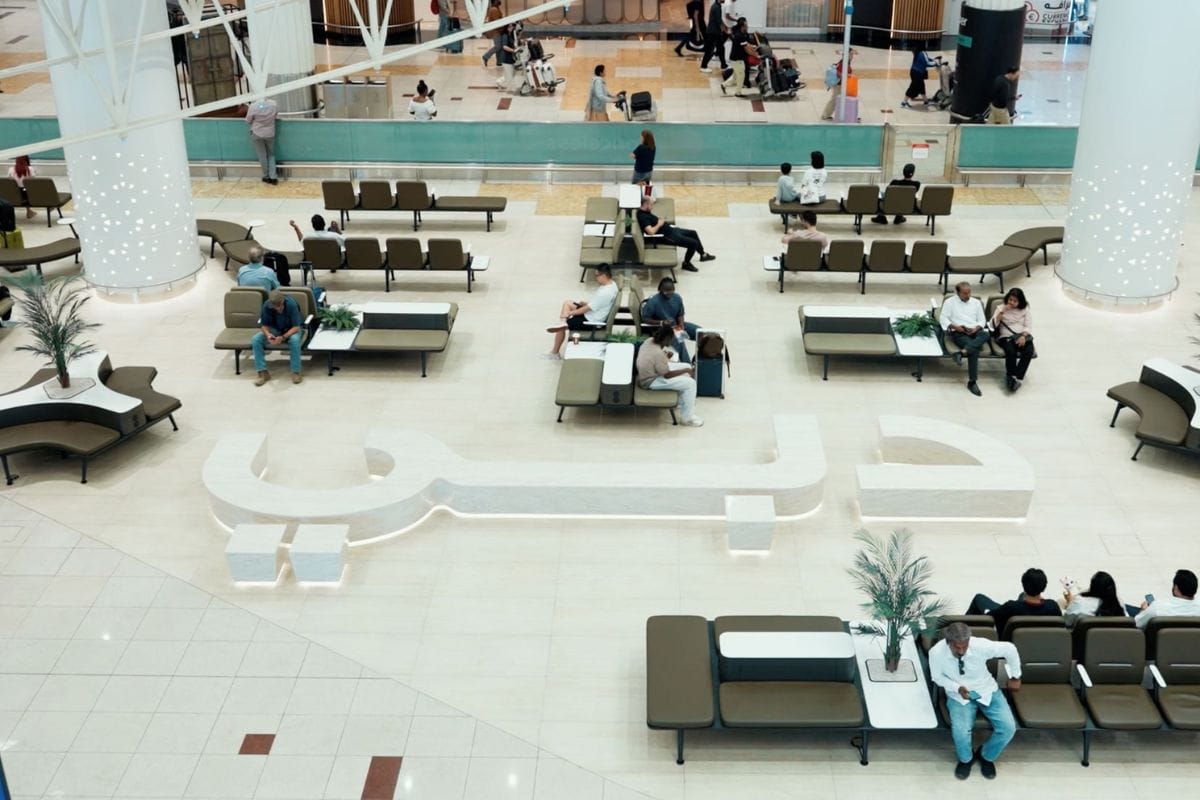
 Ummulkiram Pardawala
 Shahba Mayyeri