Dubai’s skyline is glittering with solar panels, smart systems, and buildings boasting green certifications. On paper, the UAE looks like a sustainability success story. In reality, many of these 'green' buildings are only scratching the surface. Systems operate in silos, energy efficiency is often treated as a checkbox, and offsets have become a convenient crutch.
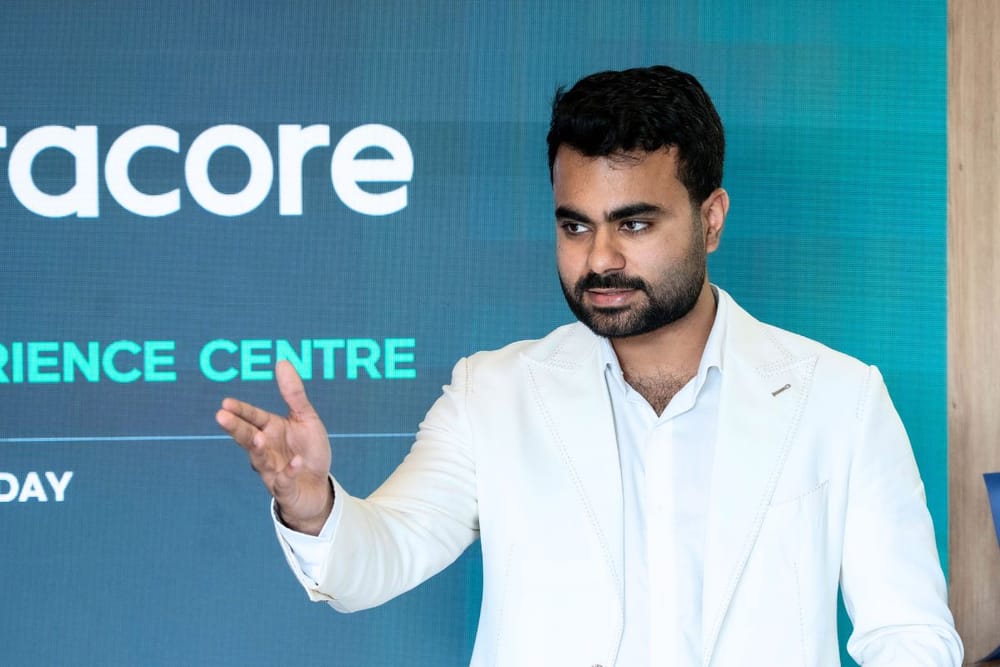
Terracore, led by Founder and CEO Tanishk Sajnani, is tackling this head-on. The company doesn’t just install solar panels or smart controls but designs fully integrated building ecosystems that optimize energy, cut costs, and deliver measurable results.
In this exclusive interview, Sajnani shares the practical, commercial strategies that turn sustainability from a moral goal into a low-risk, high-impact business decision.
The UAE already has solar, smart tech, and green certifications everywhere. What market gap did you see that made you build Terracore?
The UAE has made significant progress in solar adoption, smart technologies, and increasing certification standards, and many companies are doing excellent work in this space. However, what we identified was a gap at the ecosystem level in the market.
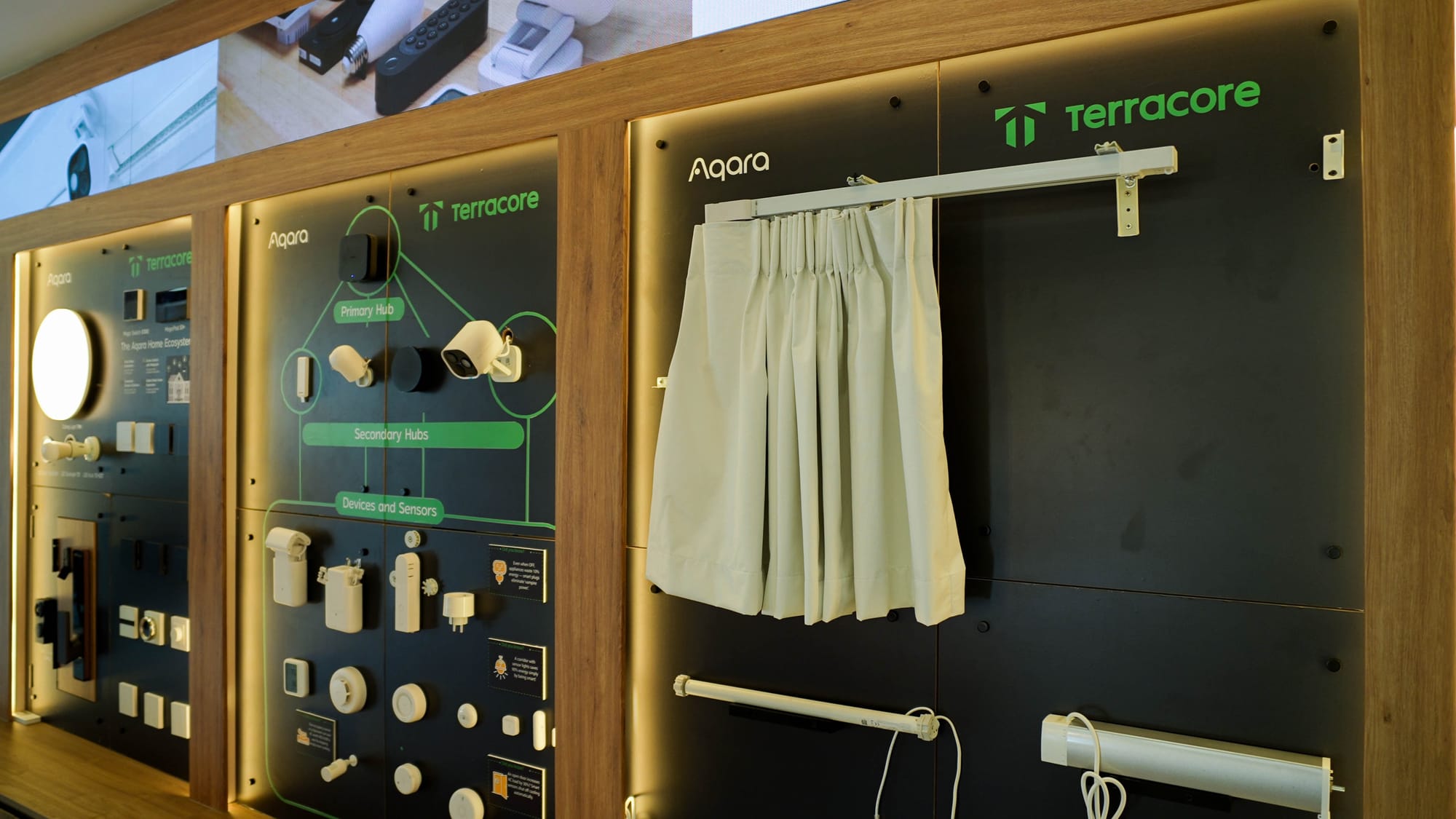
Most providers focus on individual components or standalone installations. Terracore was built to bring these elements together, designing a fully integrated ecosystem where each cog works in tandem, rather than as disconnected systems.
Although Terracore is a startup, we are backed by global brands such as Hisense, V-TAC, and Aqara, which allow us to focus on delivering measurable outcomes including energy efficiency, operational performance and long-term value. Our goal is to simplify sustainable living and building management by making smart, green solutions work better together.
What are developers most often getting wrong when they label buildings ‘green’?
The most common issue is that ‘green targets’ are often treated as compliance checkboxes. The UAE has steadily improved sustainability codes, which is a positive step, but simply meeting minimum requirements no longer delivers the optimal environmental or financial impact.
True sustainability comes from going beyond what is mandated. When designed correctly, this approach to sustainability already makes strong fiscal sense through reduced operating costs and improved asset value.
Another major challenge is poor system integration. Even efficient components can underperform if they operate in silos. It is crucial to fine-tune the entire energy stack to actual consumption patterns and to continue optimising performance well after initial implementation. A building only becomes truly ‘green’ when its systems are integrated, monitored and continuously improved over time.
Are these failures driven more by ignorance or by box-ticking incentives?
These failures aren’t characterised as ignorance, but rather a result of incentives being misaligned across the ecosystem. Consultants are often compensated for delivering studies and certifications, while contractors are typically incentivised to optimise for speed and lowest upfront capital cost.
What’s frequently missing is a single party that is accountable for the building’s long-term energy performance and sustainability outcomes. Without that clear ownership, sustainability becomes fragmented and transactional, rather than something that is actively managed and optimised through the building’s lifecycle.
Why do HVAC, solar, and automation still operate in silos in modern buildings?
HVAC systems have been a core requirement in this region for a long time, while solar and large-scale automation have only become commercially viable in recent years. As a result, the industry adapted quickly, often layering new technologies onto existing frameworks rather than redesigning systems holistically.
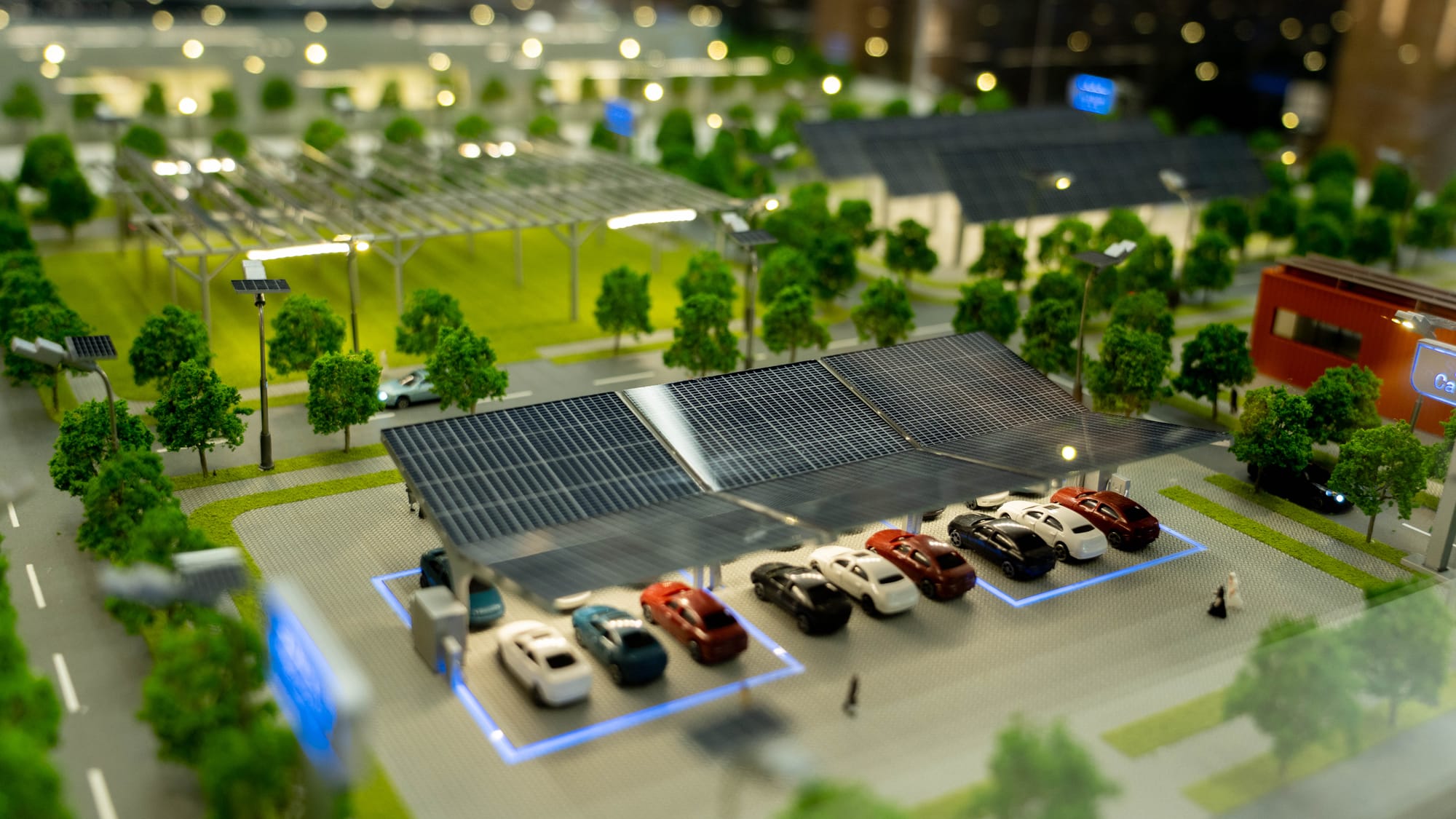
Today, however, we have the technology, data, and integration capabilities to move beyond this fragmented approach. By enabling HVAC, solar, and automation systems to communicate with one another, buildings can be optimized as a single energy ecosystem. This shift unlocks tangible ROI for all stakeholders through improved efficiency, reduced operating costs, and better long-term performance, rather than treating each system as a standalone investment.
Does true system integration threaten existing vendors’ business models?
True system integration doesn’t threaten the industry; it just challenges us to evolve. As the saying goes, ‘the only constant in technology is change.’ Integration brings greater transparency, making inefficiencies, redundancies and over-engineered systems far more visible.
This shift encourages the market to adopt a more outcome-driven approach to energy performance and operational efficiency. End users today are significantly more informed and increasingly expect intelligent, interoperable systems that work seamlessly.
Today, AI-led systems and open integration are no longer optional; they are essential. Vendors that adapt and innovate will remain highly relevant, while those that rely on siloed or legacy approaches may find it harder to compete.
You frame energy efficiency as a commercial decision, not a moral one. What’s the most common ROI assumption asset owners get wrong?
The most common misconception is that energy efficiency requires heavy upfront CAPEX and only delivers returns over the long term. Many asset owners still assume that ‘going green’ means waiting years to see financial benefits.
In reality, that model has changed. Through the right system design and collaboration with financial partners, energy efficiency can deliver immediate ROI and, in some cases, be implemented with little to no upfront CAPEX. Terracore has demonstrated that sustainability investments can be structured as financial products that improve cash flow from day one, rather than strain balance sheets.
When energy efficiency is positioned correctly, it becomes a low-risk commercial decision that enhances asset value, operating margins, and long-term resilience.
Where does that flawed ROI thinking lead to overspending or missed savings?
It most often leads to a focus on short-term operations and maintenance costs rather than addressing the performance of the entire building ecosystem. Facilities teams may optimize individual components or defer upgrades, which can reduce immediate spend but ultimately locks in higher energy consumption and ongoing inefficiencies.
This approach results in overspending on reactive maintenance while missing the compounding savings that come from integrated, system-level upgrades. The reality is that revamping the ecosystem no longer requires a disruptive or capital heavy reset. With today’s technology and flexible financing models, these transitions can be managed far more easily than many asset owners assume.
What’s the single operation change that delivers the biggest energy reduction?
In markets such as Dubai, HVAC can account for up to 80% of a building’s energy consumption, so optimizing HVAC is the fastest and most impactful lever. Shifting from static setpoints to smart, demand-driven control dramatically reduces unnecessary energy use.
By making HVAC systems more responsive to real-time occupancy, usage patterns and environmental conditions, buildings can deliver comfort only where and when it’s needed. This approach not only drives significant energy savings but also improves asset performance, occupant experience, and the system's longevity.
You’ve said integration systems can cut energy costs by up to 50%. Where does that saving not come from?
Those savings don’t come from superficial fixes such as cleaning filters or adding isolated sensors without a broader strategy. While good maintenance matters, it doesn’t fundamentally change how a building consumes energy.
Real reductions come from a coordinated, end-to-end approach: intelligent system design, seamless integration across HVAC, controls, and data layers, and disciplined implementation. Continuous monitoring, optimisation, and fine-tuning are critical to sustaining savings and ensuring systems adapt as building usage evolves.
Net Zero targets are rising, yet offsets dominate. Why have offsets become the default solution?
Offsets have become the default largely because they’re easy to procure and require minimal operational effort. For many organisations, they offer a quick way to meet ESG reporting requirements without disrupting existing operations or investing in system upgrades.
However, offsets are fundamentally accounting tools, not engineering solutions. While they can play a role in a broader decarbonisation strategy, they don’t reduce energy consumption or emissions at the source. Meaningful progress toward Net Zero comes from operational change, including improving efficiency, optimising systems, and redesigning how buildings actually use energy.
If offsets were removed tomorrow, what would immediately break?
Buildings that have never properly tracked or optimised their performance would experience the impact first. You’d quickly see the inefficiencies that offsets currently mask: overcooled offices, systems that run regardless of occupancy, and renewable assets like solar installations that are underperforming or poorly integrated.
Without offsets as a buffer, operational performance would be exposed in real time. It would force asset owners to confront how their buildings actually operate and accelerate the shift toward measurement, accountability, and true system optimization.
 Shahba Mayyeri
 HiDubai Newswire
 Shahba Mayyeri
 Shahba Mayyeri
 Shahba Mayyeri



![Interview with Nader Bassit, CEO of El Greco Restaurant [Wakira Investments] in Dubai](/content/images/size/w300/2023/08/Untitled-design--1-.jpg)