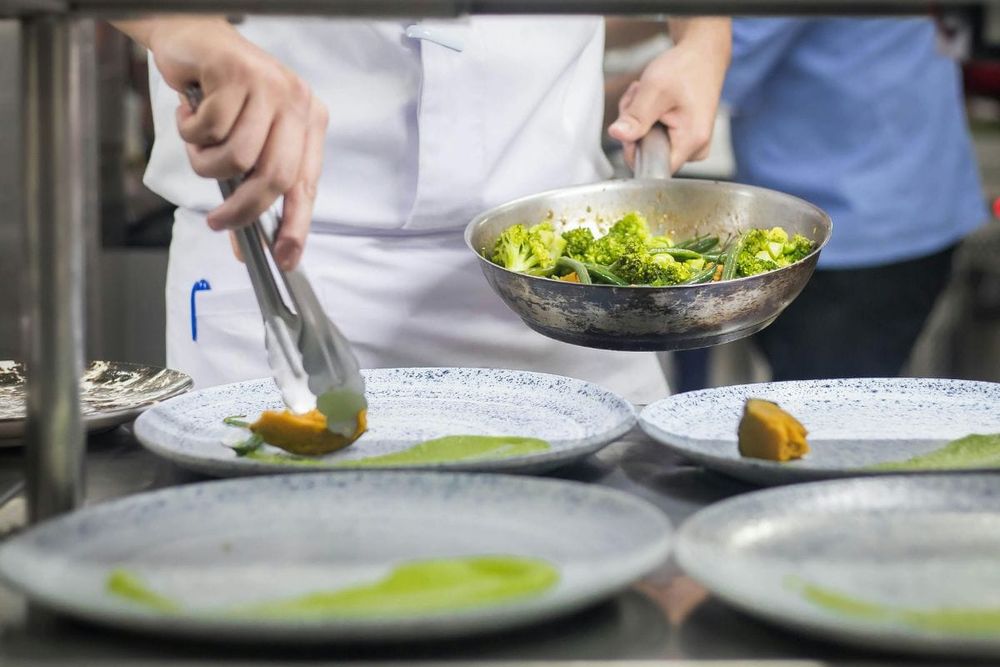
The food and beverage industry has never been a slow-moving one, but what is happening in 2026 feels different in scale and urgency. Consumer expectations are shifting faster than most operators can track, technology is moving from a back-office tool to a front-line competitive advantage, and the old playbook of opening a concept, riding a trend, and waiting for footfall is quietly being retired.
The global F&B market is projected to expand from approximately $7 trillion in 2025 to $9.3 trillion by 2030, driven by demand for personalized nutrition, food innovation, supply chain transparency, and smart retail technologies. That growth trajectory sounds reassuring, but behind it lies a market that is simultaneously more opportunity-rich and more unforgiving than it has ever been.
For business owners, investors, and operators in this space, particularly here in the UAE, understanding which trends are actually reshaping the industry and which are simply noise could make the difference between scaling confidently and getting caught off guard. So what does the F&B landscape actually look like in 2026?
Health is No Longer the Differentiator. Specificity Is.
The broad "healthy eating" wave that dominated the last half-decade has matured into something far more targeted and commercially demanding. Consumers are no longer satisfied with vague wellness positioning; they want to know exactly what a product or menu item does for them, and they want the ingredients to back it up.
The push for better-for-you products is no longer a trend but an expectation, and it is spreading across categories, manufacturing, packaging, pricing, and ingredient strategy. Protein remains a dominant claim on packaging, but fiber has now stepped into the limelight alongside it, driven by what some are calling the "fibermaxxing" phenomenon, with gut health fueling new demand for probiotic-forward innovation across bars, bakery, ready-to-drink beverages, and snacks.
Mental balance and well-being have also emerged as top priorities, with products carrying mental health benefits gaining traction as today's consumers navigate an increasingly stressful world. Functional beverages targeting cognitive health, adaptogens hitting mainstream retail shelves, and collagen being added to everything from pasta to chocolate are all part of the same broader consumer intent: managing health proactively rather than reactively.
For restaurant operators and F&B brands in the UAE, health-focused dining in 2026 has become more specific and intentional, with operators introducing targeted offerings focused on reduced sugar, functional beverages, gut health, and cleaner comfort food rather than relying on vague "fresh and natural" messaging that consumers have long since learned to tune out.
Clean Labels Have Crossed Over From Niche to Norm
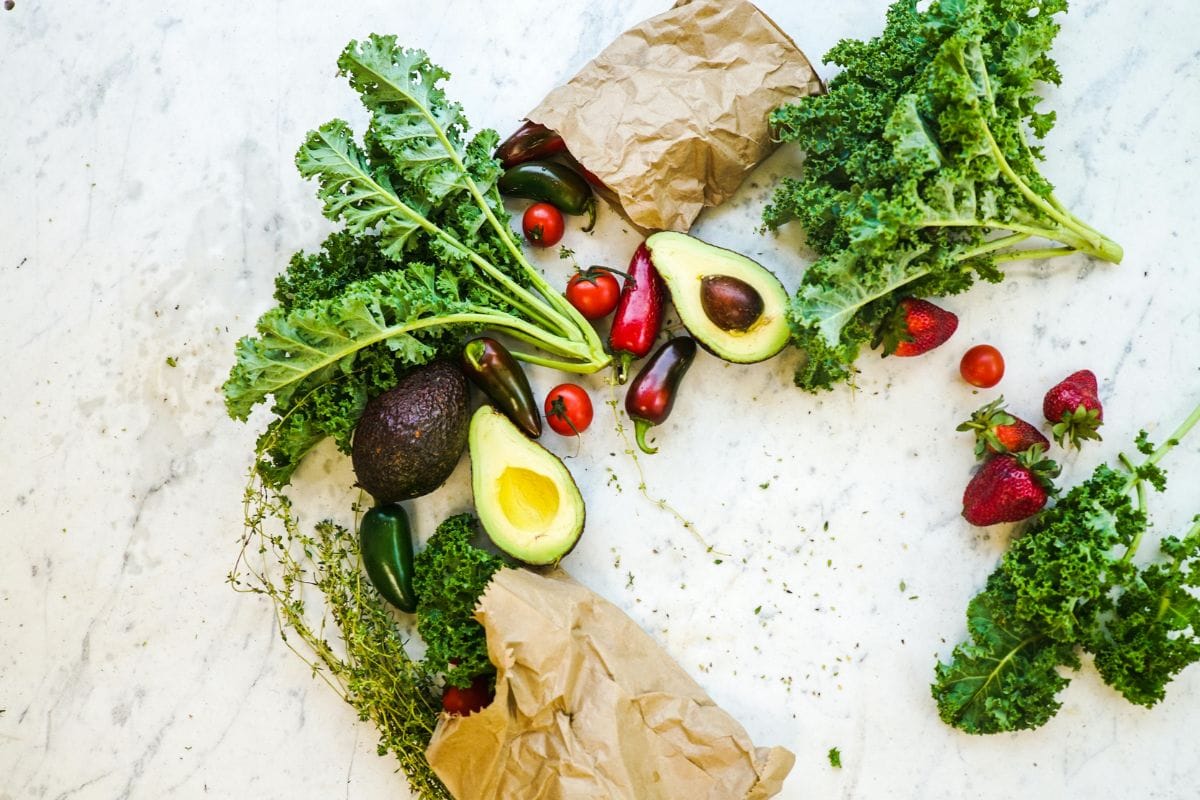
Closely tied to the health conversation is the clean label movement, and it has moved well past the specialty aisle. Clean-label ingredients have evolved from a niche attribute into a core growth engine, with the market projected to expand from $57.3 billion in 2025 to over $212.4 billion by 2035, representing a CAGR of 15.5%, driven by rising expectations around transparency and ingredient safety (Future Market Insights).
What makes this trend particularly significant in 2026 is that consumers are not just reading labels; they are cross-referencing them. Social media has created a generation of informed shoppers who know what inulin does, why resistant starch matters, and which emulsifiers they would rather avoid. Through social media, consumers are more informed on the health benefits of food and beverages; they don't just want options that are simply "healthy," they want ingredients they can recognise as healthy.
This creates a genuine product development challenge for manufacturers. Reformulating for cleaner ingredient lists while maintaining the texture, mouthfeel, and taste consumers expect is not a simple swap, and the brands that crack it without compromising the eating experience are the ones picking up market share.
The Flavor Landscape Is Getting Braver
While health and transparency dominate the functional side of the market, there is a parallel story happening on the flavor front, and it is a lot more exciting. Flavor innovation in 2026 is balancing comfort and adventure, pairing familiar and emotionally reassuring tastes with bolder global profiles, "swicy" (sweet-and-spicy) combinations, and hybrid flavor concepts.
Unexpected combinations and globally-inspired ingredients are defining food and beverage innovation as brands cater to a rise in adventurous eating. The "swavory" trend, blending sweet and savory in snacking formats, is gaining ground as consumers look for more sensory complexity in the food they eat on the go.
This flavor boldness is not limited to packaged goods. Restaurant menus across Dubai are reflecting the same appetite, with chefs combining Middle Eastern pantry staples with East Asian techniques, or reimagining familiar comfort dishes through the lens of South American or Southeast Asian flavors. In a city as gastronomically diverse as Dubai, operators who tap into this cross-cultural boldness authentically rather than gimmickry tend to build loyal followings quickly.
Snacking Has Become a Full Meal Strategy
Snackification, the shift from three structured meals to multiple smaller eating occasions throughout the day, has been building for years, but it has consolidated into something more strategic and more commercially significant in 2026. Consumers are elevating snacking by prioritizing flavor, texture, and overall eating experience, reinforcing snacks as intentional, high-satisfaction moments rather than simple fillers between meals.
For F&B operators, this trend has implications beyond the obvious product format opportunity. It affects daypart thinking, menu engineering, portion sizing, and packaging. The grab-and-go occasion is no longer reserved for budget options; premium, functional, and even chef-crafted snacking formats are gaining legitimacy and commanding higher price points. Refreshers and functional beverages are creating entirely new beverage occasions across channels that did not exist in the same volume just a few years ago.
Technology Has Moved From Optional to Operational
If there is one area where the gap between industry leaders and the rest of the market is widening fastest, it is technology adoption. Technology adoption in UAE's F&B has moved from experimentation to expectation, with guests now assuming seamless digital interactions while operators rely on systems to manage forecasting, scheduling, inventory, and loyalty.
AI Is Shaping the Entire Value Chain
Artificial intelligence is no longer a buzzword being dropped in investor decks. It is actively being deployed across menu engineering, demand forecasting, customer personalization, and supply chain management. The Institute of Food Technologists predicts that 50% of food and beverage companies have plans for significant investments in AI and supply chain technologies in 2026.
In the UAE specifically, brands such as Krispy Kreme Middle East and Costa Coffee UAE have already introduced AI-driven loyalty and CRM systems that personalize offers and predict visit frequency (Foodforward Consulting). The sophistication of what is now possible for mid-market operators is significant: systems can identify when a guest is likely to churn, what offer is most likely to bring them back, and which menu items to promote based on time of day, weather, or even current trending content on social media.
AI is also transforming food marketing into a real-time personalization engine, with some brands reporting around 20% lifts in email opens and conversions when campaigns are driven by AI-powered segmentation.
Cloud Kitchens Are Scaling Fast
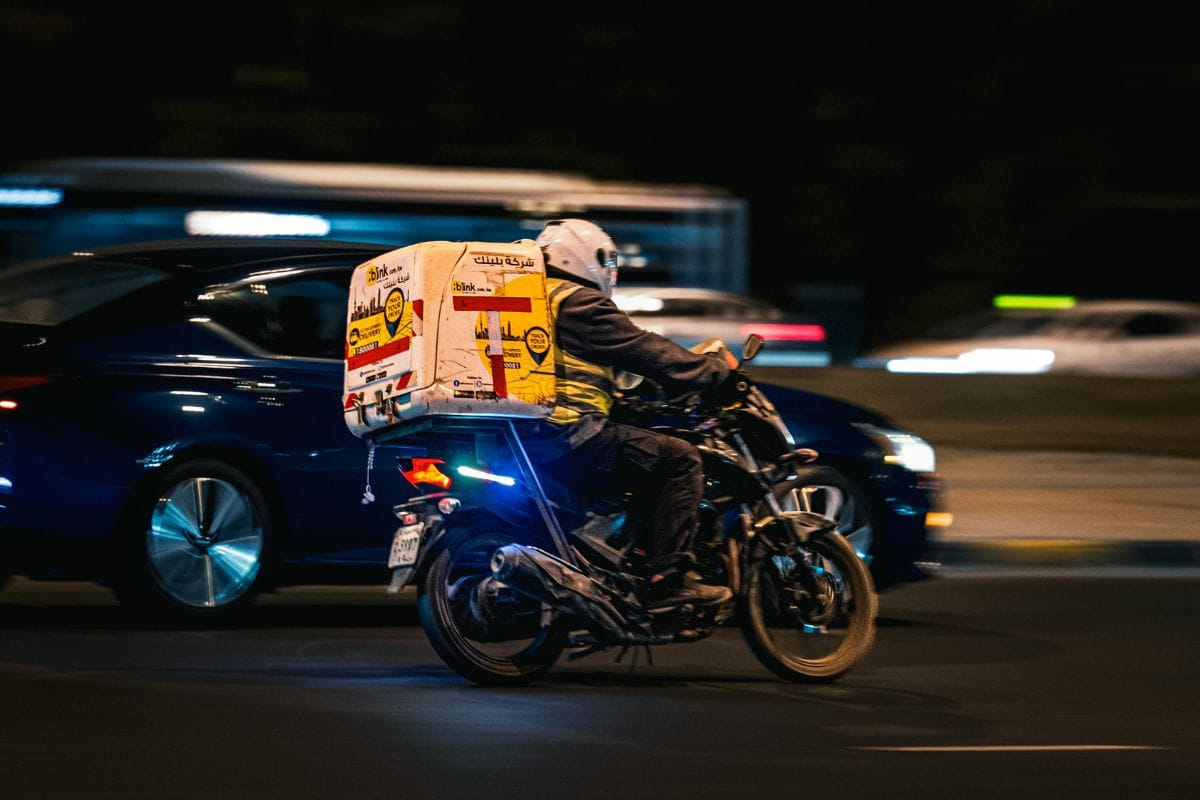
The delivery economy in Dubai is not a trend that has plateaued. The UAE online food delivery market is projected to surpass USD 2.8 billion in 2026, with 5.5 million active delivery service users. Within this environment, cloud kitchens have emerged as one of the most strategically agile business models available to F&B operators.
Operators such as Kitopi manage multiple brands across their UAE network, and global players like Rebel Foods have launched over 15 new micro-brands in six months using cloud kitchen infrastructure, giving Dubai-based operators the ability to test new concepts at low cost and scale successful ones rapidly. In March 2026, Talabat announced it would support 100 UAE cloud kitchens with zero rental costs, signaling the platform's strategic commitment to this segment.
Experience-Led Dining Is Evolving, Not Fading
There was a period when "experiential dining" was synonymous with elaborate gimmicks, a meal suspended from a crane or a dish that arrived in a cloud of theatrical smoke. That chapter is largely over, replaced by something more sustainable: dining experiences that are designed to be repeatable, emotionally resonant, and community-building rather than one-time spectacles.
Winning concepts in 2026 are built around repeatable guest journeys where brand, layout, menu flow, and service pacing work seamlessly together, because a strong experience must be supported by strong operations to build loyalty in a crowded market.
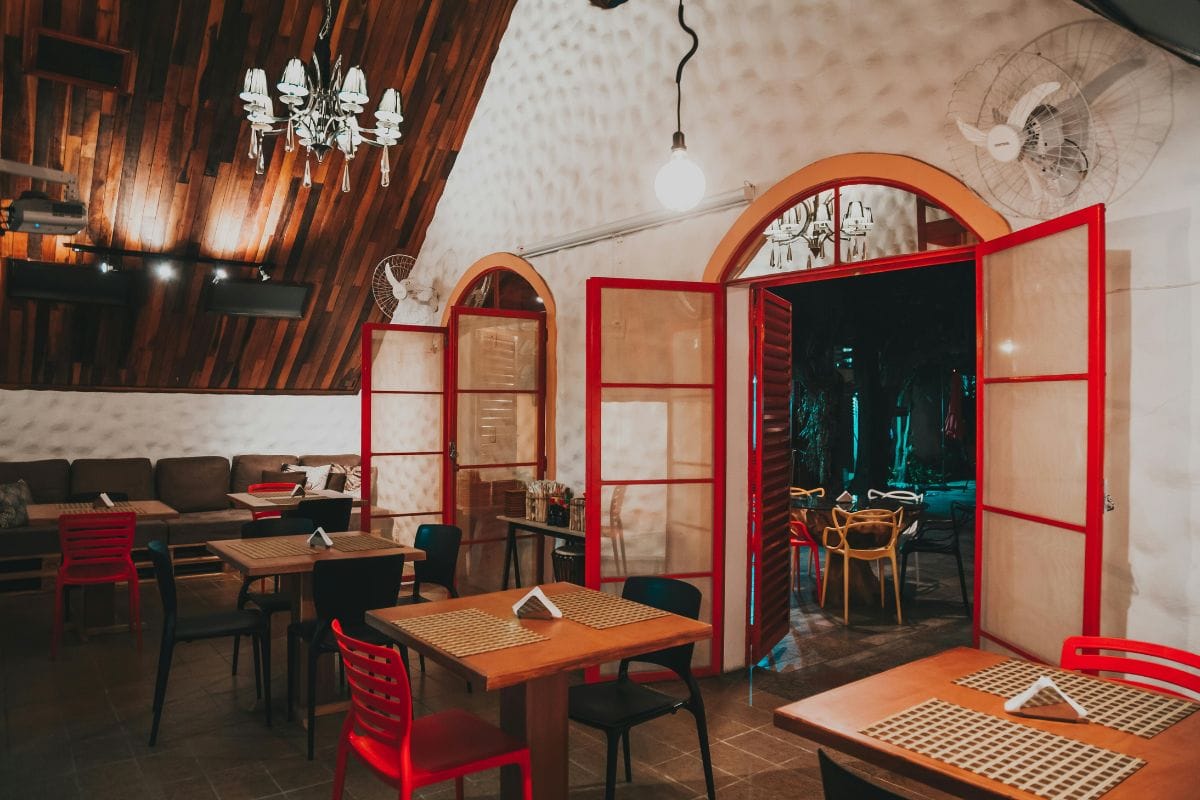
The rise of immersive experiential dining has become a noticeable trend in Dubai, with restaurants turning into spaces that tell stories, engage the senses, and create lasting memories through carefully crafted environments and interactive setups. The difference now is that operators are thinking less about the viral moment and more about whether a guest would want to come back three Saturdays in a row. That shift in intent changes everything from menu pricing to table layouts to staff training.
Supper clubs and dining venues that function as social and community spaces continue to outperform casual dining concepts, particularly when they are positioned within mixed-use developments and lifestyle destinations where food, culture, retail, and social interaction encourage longer stays and repeat visits.
Sustainability Has Teeth Now
Sustainability in F&B used to be a marketing conversation. In 2026, it is increasingly a regulatory and operational one, especially in the UAE. The UAE's National Food Security Strategy 2051 targets halving food waste by 2030, and the January 2026 total ban on single-use plastics has raised the operational stakes for every F&B business in the emirate.
As 2026 continues to unfold, upcycled ingredients and carbon labeling are becoming much more than nice-to-haves. Brands that have built genuine sustainability credentials into their supply chains, not just their packaging copy, are finding that the story resonates with a meaningful segment of the consumer base that is actively choosing where to spend based on values alignment.
Local sourcing is gaining momentum on the same front. Shorter supply chains mean fresher product arriving with greater predictability, and the sustainability credential of local sourcing resonates with a growing segment of Dubai's dining population, while the "Made in UAE" provenance story communicates well both on the menu and in brand storytelling.
What the Smartest Operators Are Getting Right in 2026
Across the global and regional F&B landscape, the businesses pulling ahead share a set of strategic habits that are worth noting directly.
- They are building around repeatability over virality, designing every touchpoint of the guest experience to earn return visits rather than one spike of social media attention.
- They are investing in integrated technology stacks that connect their POS, inventory, CRM, and delivery data into a coherent picture rather than running five disconnected platforms simultaneously.
- They are telling specific product stories rooted in health benefits, ingredient provenance, or ethical sourcing rather than relying on broad wellness positioning that no longer differentiates.
- They are treating delivery as its own channel strategy, not an afterthought, with dedicated packaging, menu engineering, and pricing logic for off-premise occasions.
- They are leveraging AI not just for marketing but for operations, using predictive demand data to reduce waste, optimize staffing, and manage ingredient ordering with a precision that manual processes cannot match.
- They are paying attention to flavor boldness as a growth lever, particularly in snacking and beverage categories where adventurous combinations are opening up new consumer segments.
- They are thinking about placemaking, positioning their F&B concept as a community anchor within a mixed-use or lifestyle development rather than just a standalone tenant.
2026 will reward F&B brands that blend smart indulgence, authentic purpose, and cultural agility. That is a concise way of describing what is actually a fairly complex balancing act: being affordable without feeling cheap, being health-forward without being joyless, being tech-enabled without feeling clinical, and being experiential without being exhausting to operate.
The operators who are thriving are not the ones chasing every emerging micro-trend. They are the ones who have a clear sense of their concept, their customer, and their commercial model, and are using the tools available in 2026, from AI to functional ingredients to smarter delivery infrastructure, to execute that vision with discipline. The industry is not getting simpler, but for those who take it seriously, the opportunity has never been larger.