The traditional restaurant model has always demanded a significant leap of faith. A prime location, months of fit-out costs, front-of-house staff, and a dining room that needs to be filled night after night just to break even. For decades, this was simply the cost of entry into Dubai's food and beverage market. That calculus has changed. A new generation of operators is building and scaling restaurant brands without a single customer-facing table, and in many cases, without a kitchen of their own.
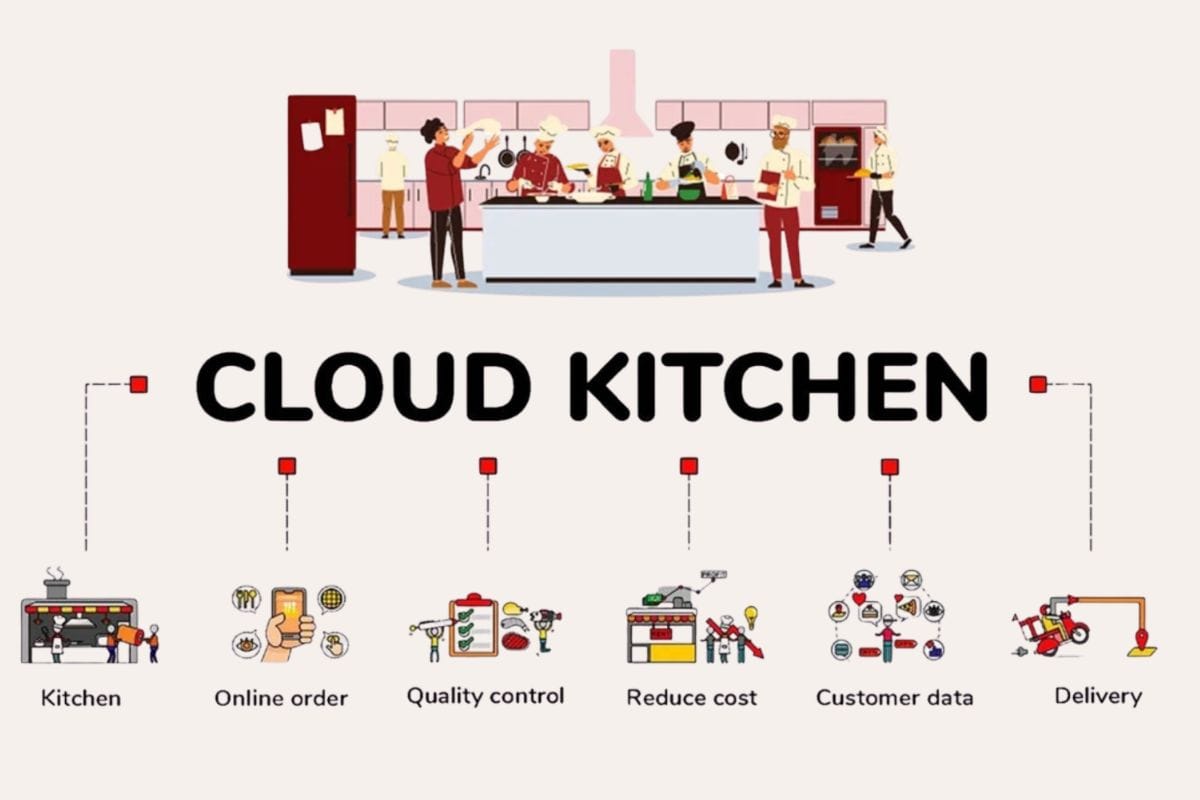
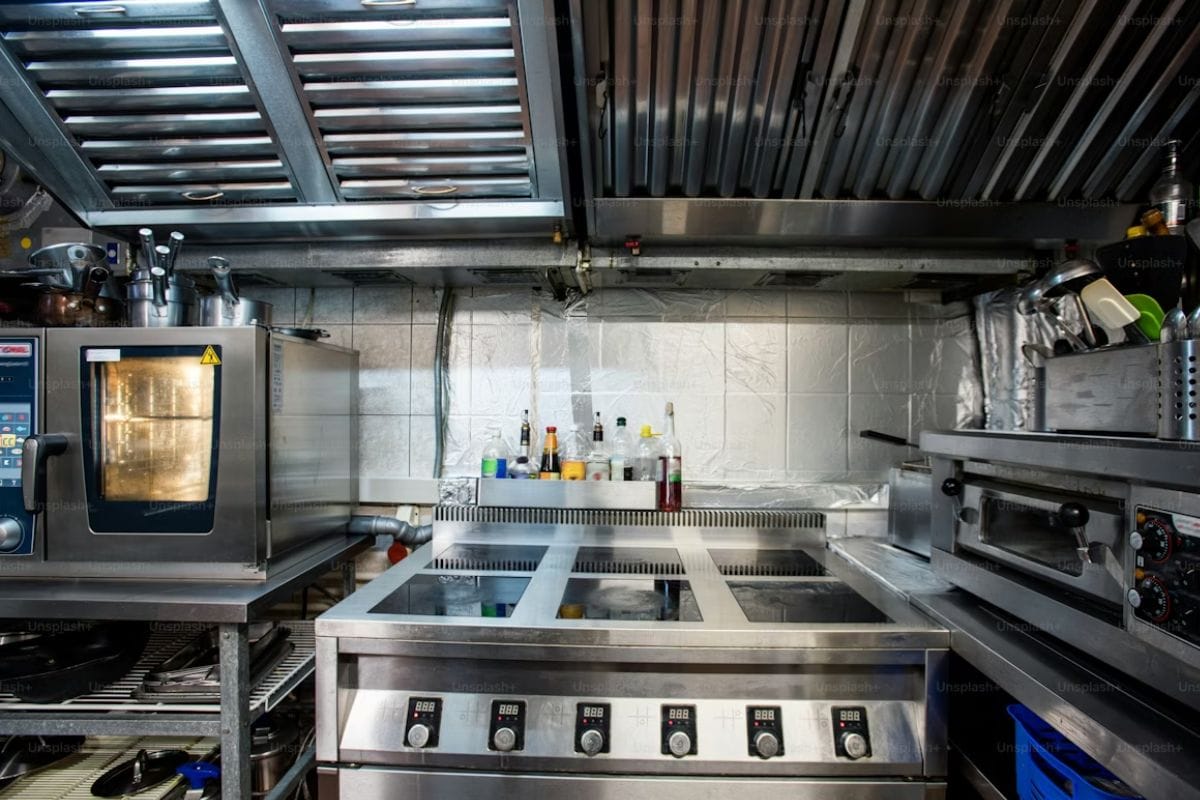
Cloud kitchens, delivery-only food operations housed in shared or purpose-built facilities, fulfilling orders exclusively through digital platforms, have moved from a pandemic-era experiment to a defining feature of Dubai's F&B landscape. The UAE cloud kitchen market was valued at USD 430 million in 2025 and is projected to reach USD 1.08 billion by 2032, growing at a compound annual growth rate of 14.1 percent. With over 400 cloud kitchens operating across approximately 80 locations in the UAE, the majority concentrated in Dubai, this is no longer an emerging segment. It is a structural shift in how food businesses are built and scaled in one of the world's most competitive dining markets.
The Economics That Are Driving Adoption
The financial case for cloud kitchens in Dubai is straightforward and compelling. A traditional restaurant setup in a prime Dubai location requires capital investment ranging from AED 500,000 to well over AED 2 million, depending on size, fit-out specification, and lease terms. A cloud kitchen, by contrast, can be operational for a fraction of that outlay. Rent for a dedicated cloud kitchen space in industrial zones such as Al Quoz or Ras Al Khor typically ranges between AED 4,000 and AED 8,000 per month, without the premium attached to retail frontage, foot traffic dependency, or dining room infrastructure.
The elimination of front-of-house operations removes an entire cost layer that traditional restaurants must carry regardless of revenue. No waiting staff, no host team, no dining room management, no decor maintenance. Operational focus narrows entirely to food production and order fulfilment; the two activities most directly linked to revenue generation. For an industry where margins are structurally thin, this concentration of resources on productive activity represents a meaningful structural advantage.
Shared kitchen facilities operated by providers such as Kitopi and Deliveroo Editions take this model further, offering operators access to fully equipped professional kitchen infrastructure on a revenue-share or monthly fee basis. This removes the capital requirement for kitchen equipment entirely, allowing a new brand to test its concept in the market with minimal upfront commitment. The break-even horizon for a cloud kitchen on this model is measured in weeks to months rather than the years that characterise traditional restaurant economics.
Dubai's Demand Environment Is Uniquely Suited to the Model
The structural characteristics of Dubai's consumer market create an exceptionally favourable operating environment for delivery-focused food businesses. Approximately 90 percent of Dubai's population consists of expatriates, a demographic that is digitally engaged, accustomed to diverse international cuisines, and strongly predisposed to ordering food through delivery platforms. The UAE online food delivery market is projected to surpass USD 2.8 billion in 2026, with 5.5 million active delivery service users. Food delivery accounted for 87 percent of all online purchases in Dubai during winter 2023, reflecting a level of delivery dependency that few other markets globally can match.
The city's delivery infrastructure reinforces this. Platforms including Talabat, Deliveroo, Careem, and Noon Food provide cloud kitchen operators with immediate access to a large, active consumer base without the need to build an independent customer acquisition capability. Talabat alone reported having over 19,000 active restaurants on its platform, and in March 2026 announced it would support 100 UAE cloud kitchens with zero rental costs; a direct indicator of the platform's strategic commitment to the cloud kitchen segment and the commercial opportunity it represents for operators willing to engage early.
Regional dynamics in 2026 have accelerated this trend further. Security concerns arising from broader regional tensions have contributed to a measurable reduction in mall footfall and dine-in traffic, with delivery orders spiking by over 25 percent as residents increasingly prefer the convenience and privacy of ordering in. For cloud kitchen operators, this demand environment has removed one of the traditional barriers to building a delivery-first business: the need to persuade consumers to adopt a new behaviour. The behaviour has already shifted.
Multi-Brand Operations: The Scalability Advantage
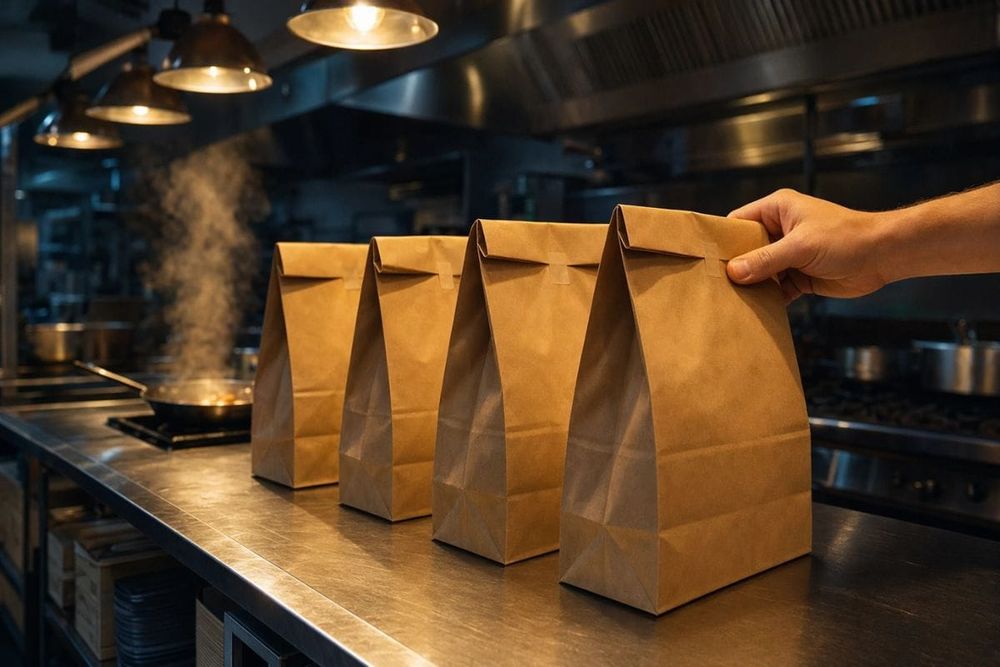
One of the most commercially distinctive features of the cloud kitchen model is the capacity to operate multiple distinct restaurant brands from a single kitchen facility. Where a traditional restaurant is necessarily mono-brand, its identity, menu, and customer experience unified within a single physical space, a cloud kitchen operator can simultaneously run several virtual brands targeting different cuisine categories, price points, and consumer segments, all from the same equipment and team.
The operational logic is efficient and the commercial upside is significant. A kitchen producing Indian food for one virtual brand can simultaneously fulfil orders for a Middle Eastern concept and a healthy meal brand, with minimal additional staffing or equipment cost. Menu adjustments, brand pivots, and new concept launches can be executed rapidly in response to delivery platform data, consumer feedback, and seasonal demand shifts; without the physical and financial commitment that rebranding or repositioning a traditional restaurant requires.
This model has been demonstrated at scale by operators such as Kitopi, which manages multiple brands across its UAE network, and by global players including Rebel Foods, which launched over 15 new micro-brands in six months using cloud kitchen infrastructure. For Dubai-based operators, the ability to test new concepts at low cost and scale successful ones rapidly represents a structural advantage over traditional restaurant models that simply cannot iterate at the same pace.
Technology as the Operational Foundation
Cloud kitchens are inherently technology-dependent businesses, and the sophistication of the technology stack available to operators in Dubai in 2026 represents a meaningful competitive enabler. Order management systems that consolidate incoming orders from multiple delivery platforms into a single kitchen display screen eliminate the operational complexity of managing parallel tablet-based systems. Cloud-based point-of-sale platforms provide real-time visibility into order volumes, preparation times, popular menu items, and delivery performance metrics; data that a traditional restaurant typically lacks the infrastructure to capture at this level of granularity.
Inventory management software integrated with delivery platform data allows operators to forecast demand with increasing accuracy, reducing food waste and ensuring that high-demand items are consistently available during peak ordering windows. In 2025, providers including Kitopi introduced AI-driven temperature monitoring and smart packaging systems that alert operators in real time if food temperatures deviate from safe ranges during preparation and handover; addressing one of the primary quality control challenges in delivery-focused operations.
The accumulation of transaction data generated by cloud kitchen operations creates a learning advantage over time. Each order produces data on cuisine preferences, ordering patterns, delivery zone performance, and price sensitivity that can be used to optimise menus, refine delivery radiuses, and inform new brand development. In an environment where delivery platform algorithms reward high ratings and consistent order accuracy, this data-driven discipline directly affects the visibility and commercial performance of each virtual brand.
The Challenges That Operators Must Navigate
The commercial appeal of cloud kitchens has attracted a high volume of new entrants to the Dubai market, and the resulting competitive intensity represents the primary challenge for operators seeking to build sustainable businesses. Low barriers to entry, the same characteristic that makes cloud kitchens accessible, also mean that differentiation is difficult and that popular cuisine categories such as burgers, pizza, and Asian food are significantly congested. Standing out on a delivery platform listing that includes thousands of options requires deliberate investment in ratings management, photography, menu positioning, and digital marketing that new operators frequently underestimate.
Commission structures charged by delivery platforms represent a second challenge. Major aggregators in the UAE typically charge commissions of 15 to 30 percent of order value, which materially compresses the margins that the cloud kitchen model's lower fixed costs would otherwise deliver. Operators who rely entirely on platform traffic remain structurally dependent on the platform's commission terms, with limited ability to manage those costs independently. The most resilient cloud kitchen businesses in Dubai supplement platform traffic with direct ordering channels, loyalty programmes, and social media audiences that reduce long-term platform dependency.
Cloud kitchens have not replaced the traditional Dubai restaurant experience. The social and experiential dimensions of dining out remain deeply embedded in how this city's residents and visitors engage with food. What cloud kitchens have fundamentally altered is the economics of building a food brand, the speed at which concepts can be tested and scaled, and the accessibility of the F&B market to operators who lack the capital to compete for prime dining locations.
Also Read:
 HiDubai Newswire
 HiDubai Newswire
 HiDubai Newswire
 Shahba Mayyeri