Cash flow is the single most common operational challenge facing small and medium businesses in Dubai.
The gap between delivering a product or service and receiving payment for it, often 60 to 90 days in B2B transactions, creates a structural liquidity pressure that many SMEs manage through a combination of overdraft facilities, invoice financing, and, at times, simply absorbing the strain and hoping it resolves before payroll.
A new financial tool is changing this dynamic. B2B Buy Now Pay Later, the business-to-business extension of the instalment payment model that has transformed consumer retail, is gaining significant traction in the UAE. For Dubai's SME community in particular, it represents one of the most practically useful financing developments in recent years.
The UAE is the leading B2B BNPL market in the Middle East. With the sector growing at 37.7 percent annually and projected to reach USD 4.66 billion by 2030, this is not a niche experiment. It is a rapidly maturing financial tool that is already reshaping how businesses buy, sell, and manage working capital.
What B2B BNPL Actually Is
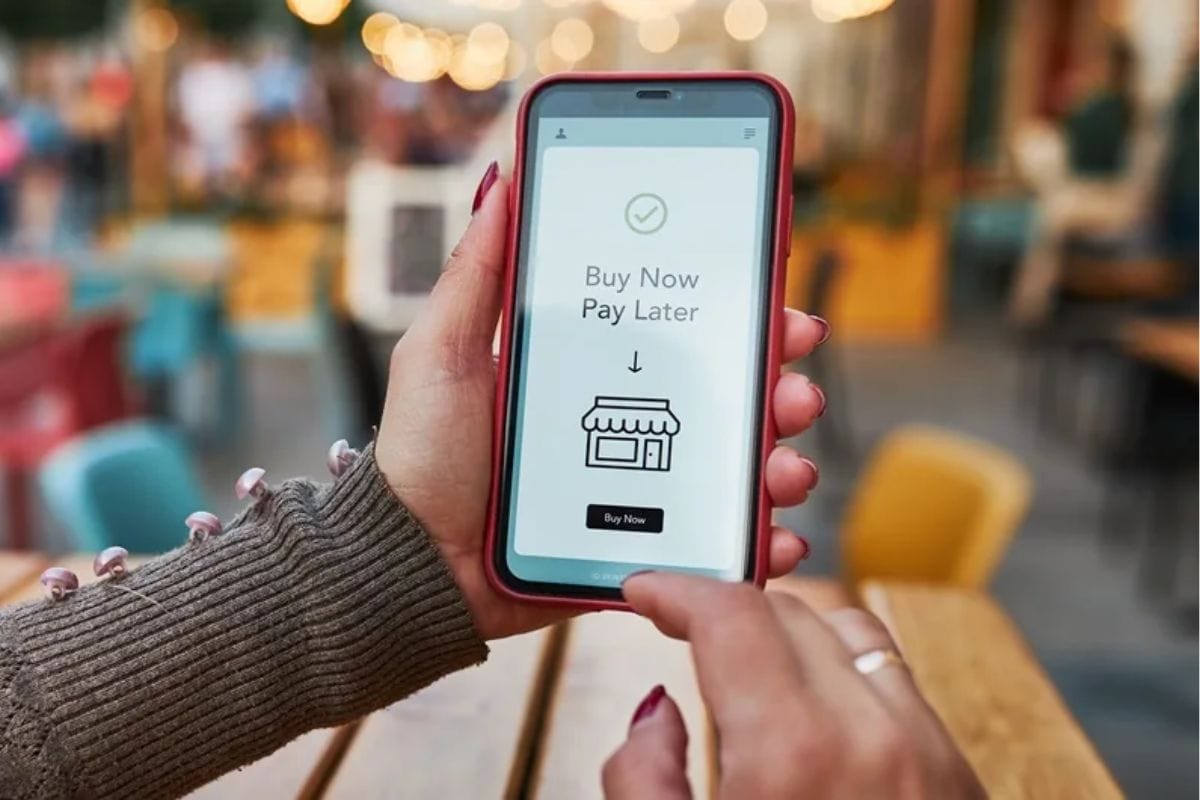
B2B Buy Now Pay Later allows businesses to purchase goods or services immediately and spread the payment across a defined period: typically 30, 60, or 90 days, without tying up working capital at the point of purchase.
The financing is provided not by the seller but by a third-party BNPL platform, which pays the supplier upfront and collects from the buyer over the agreed term.
This is meaningfully different from a standard trade credit arrangement or a bank overdraft. The process is fast: approvals typically take hours rather than days or weeks. There is no requirement for physical collateral.
The credit is linked to specific transactions rather than requiring a general credit facility to be established in advance. And for many SMEs that do not meet the minimum balance or trading history requirements of traditional bank credit products, B2B BNPL provides access to payment flexibility that was simply not available to them before.
It is also worth being clear about what B2B BNPL is not. It is not a loan in the traditional sense. There is no lengthy application, no requirement to demonstrate years of audited accounts, and no fixed repayment schedule tied to a long-term credit agreement.
It sits between trade credit and short-term finance, designed specifically for the procurement and operational purchasing decisions that businesses make regularly and need to move quickly on.
The Cash Flow Problem It Solves
To understand why B2B BNPL is gaining traction so quickly among Dubai SMEs, it helps to understand the cash flow structure of a typical small business in this market.
A trading business might purchase inventory, pay a supplier upfront or within 30 days, sell that inventory to a corporate client on 60-day payment terms, and then wait two months to receive payment on goods already delivered and paid for.
During that period, the next procurement cycle begins, requiring further upfront or short-term payment, while revenue from the previous cycle is still outstanding. The business is profitable on paper but cash-poor in practice, a pattern that is structurally embedded in B2B commerce across almost every sector.
B2B BNPL addresses this directly by decoupling the timing of payment from the timing of procurement.
Instead of paying a supplier within 30 days and waiting 60 days for the receivable to clear, an SME using a BNPL facility can receive the goods immediately, begin generating revenue, and make the supplier payment on a schedule that aligns more closely with when the incoming cash actually arrives.
The working capital requirement is reduced, the cash conversion cycle is shortened, and the business has more operational flexibility without taking on a traditional debt instrument.

The UAE Market: Why It Is Leading the Region
The UAE's position as the leading B2B BNPL market in the Middle East is not accidental. Several structural features of the UAE business environment make it uniquely well-suited to B2B BNPL adoption.
- Free zone infrastructure: The UAE's network of over 45 free zones, each with its own trade and procurement ecosystem, creates a high volume of structured B2B transactions between businesses that already operate within a defined regulatory environment. BNPL providers are embedding payment terms directly into free zone trade platforms and procurement portals, making the tool accessible at the point where purchase decisions are being made.
- Government-backed digitisation: The UAE's broader push toward digital financial infrastructure, including the Central Bank's Financial Infrastructure Transformation Programme, has created the data and payment rails that B2B BNPL requires to operate efficiently. Fast digital verification, automated credit assessment, and real-time payment settlement all depend on infrastructure that the UAE has invested in significantly.
- DIFC as a regulatory entry point: International B2B BNPL providers are using the DIFC regulatory sandbox to launch and scale in the UAE before expanding across the GCC. This is attracting a growing number of well-capitalised platforms to the market, increasing competition and, consequently, improving the terms available to SME borrowers.
- SME credit gap: Despite the UAE's strong financial infrastructure, SMEs continue to face significant barriers to traditional bank credit. B2B BNPL fills a portion of this gap, particularly for businesses in their first two to three years of operation that lack the trading history or balance sheet strength required for conventional credit facilities.
The Key Platforms Operating in Dubai
Several platforms are actively providing B2B BNPL services to UAE businesses, each with a slightly different focus and product structure.
- Tabby for Business is the B2B extension of Tabby, the MENA region's first fintech unicorn, operating across the UAE, Saudi Arabia, and Kuwait with over 30,000 brand partners. Its B2B product embeds payment terms directly into procurement workflows, allowing businesses to purchase from partner suppliers on deferred payment terms with fast digital approval.
- Tamara Business is the B2B arm of Saudi-based Tamara, which has expanded into the UAE with a business payment terms product focused on the GCC market. Tamara obtained a full consumer finance and BNPL licence from SAMA in 2025, strengthening its regulatory standing and expanding its product capability.
- Beehive is a DFSA-regulated Dubai-based SME lending platform that provides B2B credit alongside its broader lending products. Its regulatory standing within DIFC makes it particularly relevant for businesses operating in or adjacent to the financial services sector.
- Traditional banks are also entering the space. Emirates NBD, FAB, and RAKBANK are strengthening their B2B instalment offerings through card-linked instalment conversion and pre-approved credit structures, acting as regulated alternatives to standalone fintech platforms for SMEs that prefer to consolidate their financial relationships with an existing bank.
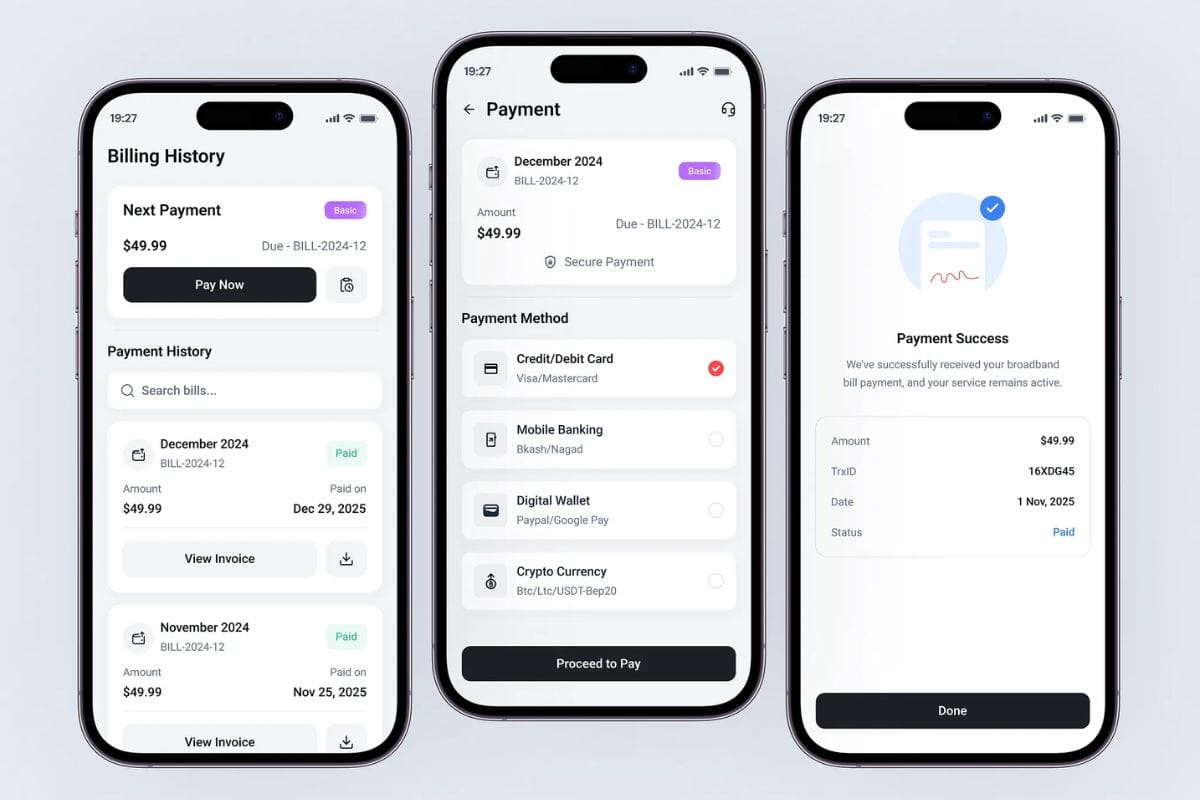
How to Evaluate Whether It Is Right for Your Business
B2B BNPL is a genuinely useful tool for many Dubai SMEs, but like any financial product, it works best when it is matched to the right situation. Before adopting it, business owners should assess a few key considerations.
- Does your cash conversion cycle create a genuine gap? B2B BNPL is most valuable when there is a real timing mismatch between when you pay suppliers and when you receive payment from clients. If your business receives payment before or at the same time as you pay suppliers, the tool adds less value.
- Understand the cost structure: B2B BNPL is not free. Providers typically charge either a percentage fee on the transaction or an interest-equivalent rate on the deferred amount. Compare the effective cost of B2B BNPL against your existing working capital options, such as overdraft, invoice financing, or early payment discounts from suppliers, to ensure you are using the most cost-efficient tool for the situation.
- Check which suppliers are covered: B2B BNPL works most smoothly when your suppliers are already partners of the platform you are using. If your key suppliers are not part of the network, the process may require additional steps or may not be available at all. Confirm supplier coverage before committing to a platform.
- Treat it as a working capital tool, not a credit dependency: The most effective use of B2B BNPL is to bridge specific, identifiable cash flow gaps while the business builds stronger financial foundations. Using it to fund ongoing operational shortfalls without addressing the underlying cash flow structure creates a dependency that becomes harder to unwind over time.
A Tool Worth Understanding Now
B2B BNPL is one of the most accessible and practically relevant financial tools to enter the UAE SME market in recent years. It addresses a real and persistent problem, the working capital gap created by B2B payment terms, without the complexity, collateral requirements, or long approval timelines associated with traditional bank credit.
As the platform landscape matures, competition among providers is improving terms and expanding the range of suppliers and sectors covered. For Dubai SME owners who have managed cash flow pressure through less efficient means: overdrafts, delayed supplier payments, or simply absorbing the strain, B2B BNPL is worth a serious evaluation.
The question is not whether the tool works. In the right context, it clearly does. The question is whether your business is structured to use it well.
Also Read:
 Ummulkiram Pardawala
 Shahba Mayyeri
 Umema Arsiwala
 Ummulkiram Pardawala