For generations, routine medical advice was famously vague. In your twenties and thirties, you were told to get an annual physical that consisted of little more than a quick blood pressure check and a basic lab panel. In your fifties, you were handed a long list of daunting, invasive screenings to make up for lost time.
The primary flaw in this traditional approach is that it treats aging as a sudden, unexpected event rather than a continuous biological process.
Thanks to modern health technology, preventative medicine is undergoing a total makeover. Instead of waiting for symptoms to appear, health maintenance is becoming an active, hyper-personalized strategy tailored to your exact decade of life. By pairing smart diagnostic tools, continuous health tracking, and artificial intelligence with clinical care, staying ahead of your health has never been easier—or more insightful.
Here is your clear, tech-driven roadmap for what checkups, diagnostics, and smart monitoring tools you should focus on across your 20s, 30s, 40s, and 50s+.
In Your 20s & 30s: Building the Baseline & Tracking Real-Time Vitals
Your twenties and early thirties are all about setting a solid biological baseline. At this stage, your body is naturally resilient, making it the ideal window to optimize metabolic habits, understand your gut health, and collect high-fidelity baseline health data.
Rather than relying on a single blood sample taken once a year during a brief doctor visit, this decade leverages continuous data tracking to understand how your daily lifestyle choices directly affect your long-term wellness.
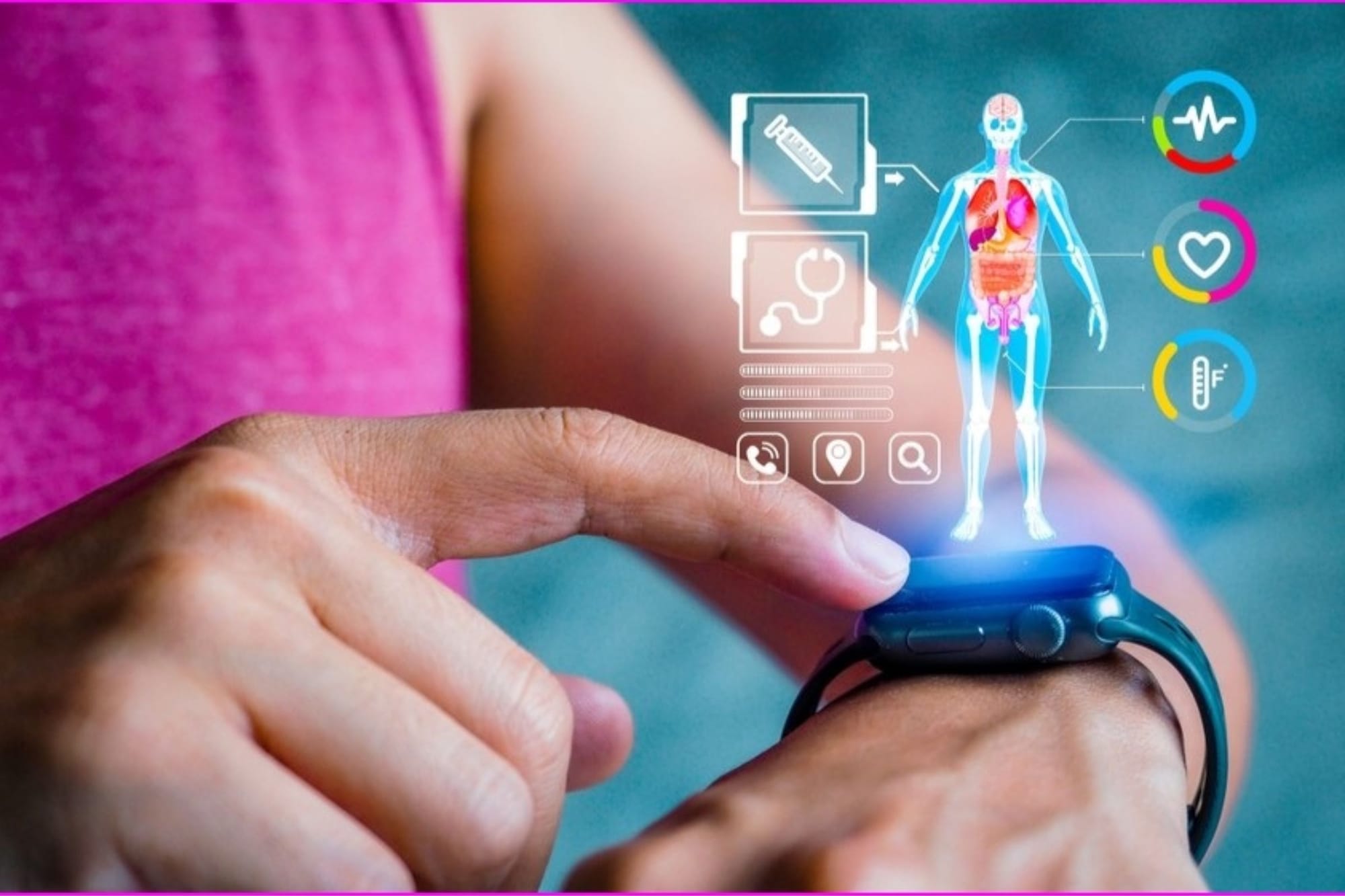
- Wearable Integration & HRV Tracking:
Modern smartwatches and bio-wearables do far more than count daily steps. Tracking Heart Rate Variability (HRV)—the micro-variations in time between consecutive heartbeats—gives a real-time window into your autonomic nervous system, sleep recovery quality, and systemic stress levels. Spotting chronic HRV drops allows you to adjust training and rest before burnout occurs.
- Continuous Glucose Monitoring (CGM):
Once reserved strictly for diabetes management, small wearable glucose sensors are now widely used for preventative metabolic health. By tracking real-time blood sugar spikes and crashes in response to specific foods, sleep, and exercise, you can spot insulin resistance and metabolic fatigue years before it shows up on standard lab panels.
- Gut Microbiome Profiling:
Advanced DNA sequencing of your gut microbiome provides a detailed map of your internal bacterial ecosystem. This analysis helps doctors and nutritionists tailor your diet to improve digestion, enhance nutrient absorption, boost daily energy, and lower systemic gut inflammation.
- Preventative Baseline Scans:
A comprehensive baseline panel measuring advanced lipid sub-fractions (such as ApoB), inflammation markers like High-Sensitivity C-Reactive Protein (hs-CRP), and baseline hormone levels creates a precise personal benchmark for comparison as you age.
In Your 40s: Precision Cardiovascular & Metabolic Health
As you cross into your fifties, subtle cellular and metabolic shifts begin to accelerate. This is the decade where cardiovascular care, vascular health, and hormonal balance take center stage.
The goal in your fifties is proactive preservation: spotting subtle changes in your arterial walls, metabolic rate, and endocrine systems long before they develop into symptomatic chronic conditions.
- AI-Assisted Cardiovascular Screening:
Advanced non-invasive imaging tools, such as AI-enhanced Coronary Artery Calcium (CAC) scoring and ultra-low-dose CT angiograms, can detect early plaque buildup in arterial walls with remarkable precision. AI algorithms analyze these structural scans to assess actual arterial age versus chronological age, giving your cardiologist actionable data to protect your heart.
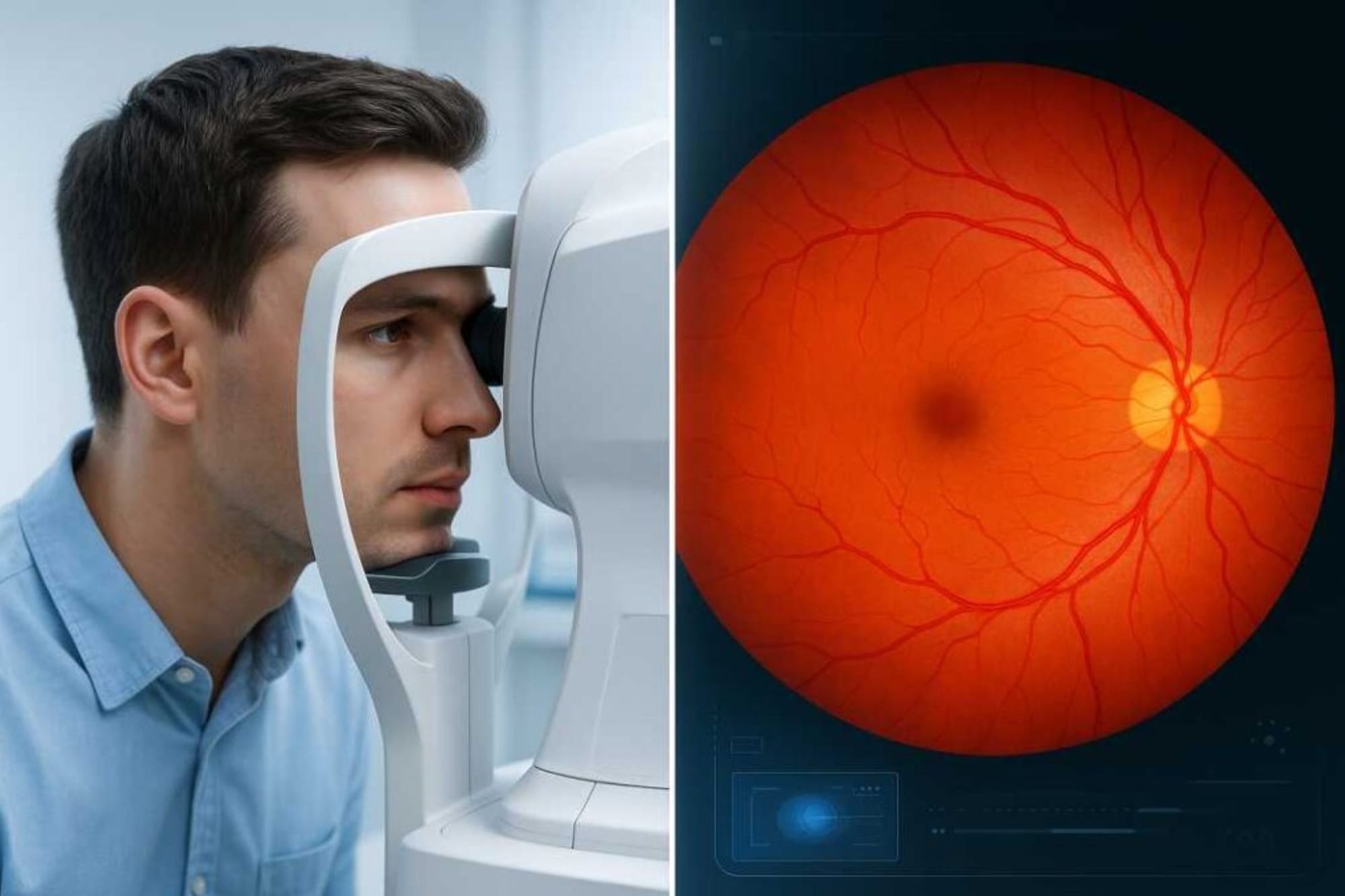
- Retinal Micro-Vascular Photography:
The micro-vessels at the back of your eye offer a direct, unobstructed view of your vascular system. High-definition retinal cameras paired with computer vision can spot microscopic vascular narrowing or leakage, offering an ultra-fast, non-invasive check on micro-vascular health and overall cardiovascular risk.
- Comprehensive Hormone & Endocrine Optimization:
Thorough endocrine profiling measures subtle drops in thyroid function, adrenal response, metabolic output, and sex hormones. Identifying these shifts early allows for targeted lifestyle adjustments, specialized nutrition, or guided medical therapies to preserve muscle, maintain metabolic flexibility, and protect mental clarity.
In Your 50s and Beyond: AI-Enhanced Early Detection & Physical Longevity
In your sixties and beyond, preventative healthcare focuses on early detection of complex conditions and protecting physical strength, bone density, and functional mobility.
Modern diagnostic tools in this decade turn comprehensive early-detection screenings into comfortable, non-invasive processes that fit seamlessly into a proactive lifestyle.
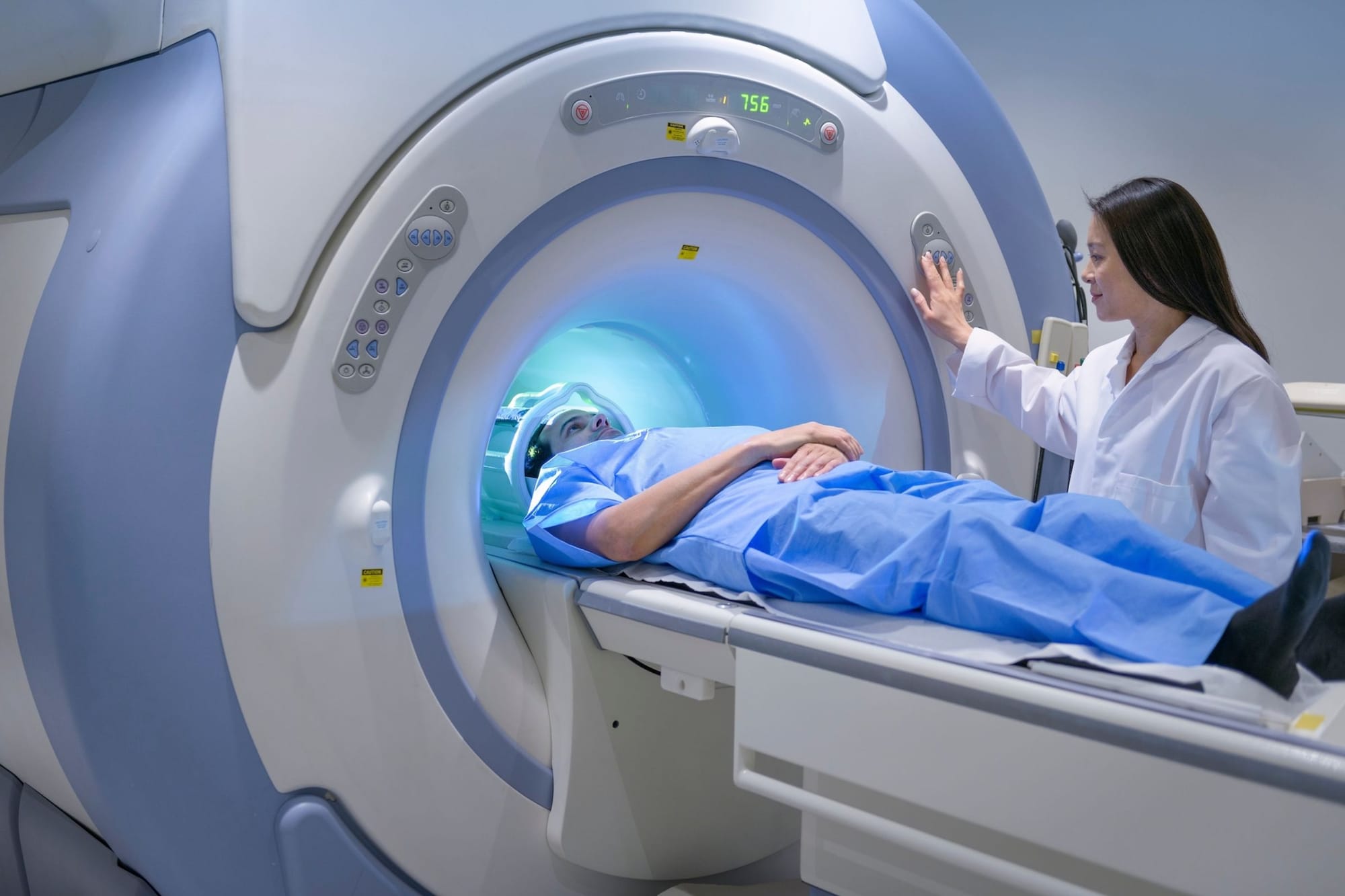
- AI-Enhanced Full-Body MRI Screenings:
Whole-body MRI scans use advanced artificial intelligence algorithms to analyze internal organs, brain tissue, and deep vascular structures in under an hour without radiation. These comprehensive scans can spot early-stage tumors, silent vascular aneurysms, or organ abnormalities long before physical symptoms surface, making treatment far simpler and more effective.
- Muscle Sound Density & Quality Scans:
Maintaining healthy muscle mass and quality (sarcopenia prevention) is one of the single biggest predictors of long-term health, metabolic health, and physical independence. Modern acoustic and ultrasound scans assess muscle tissue density and fatty infiltration, helping physicians design precise resistance training and amino-acid protocols to keep you strong.
- Smart Bone Density & Joint Tracking:
Beyond standard DEXA scans, modern diagnostic tools use advanced ultrasound signals and digital modeling to check bone mineral density and joint integrity without unnecessary radiation exposure, ensuring your skeletal frame stays strong for an active lifestyle.
Understanding what your body needs at each distinct stage of life takes the confusion and stress out of preventative care. Healthcare is no longer about sitting in a waiting room once a year hoping for good news; it is an empowering, data-backed strategy that evolves right alongside you.
By choosing the right tech-driven checkups for your current decade, you can catch silent health shifts early, optimize your vital energy, and build a powerful foundation for lifelong longevity.
Also Read:
 Ummulkiram Pardawala
 Shahba Mayyeri
 Ummulkiram Pardawala
 Ummulkiram Pardawala