We have all experienced the traditional health checkup routine. You take half a day off work, navigate morning traffic, hunt for parking, and spend the next forty-five minutes sitting in a sterile waiting room flipping through outdated magazines. After a brief ten-minute consultation and a blood draw, you are told to expect your lab results in three to five business days.
In a city built on ultra-convenience, high-speed logistics, and seamless digital services, that legacy healthcare model feels remarkably out of place.
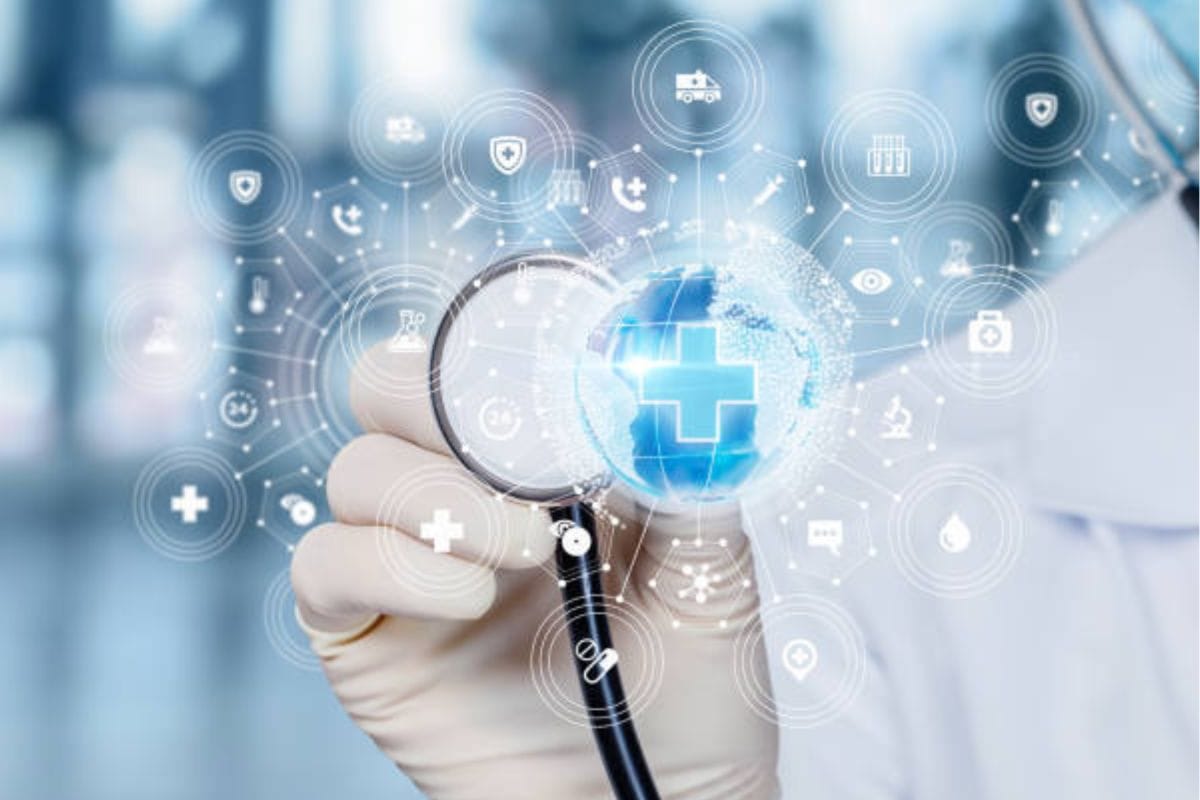
Fortunately, a quiet transformation is underway across Dubai. A new generation of tech-driven smart clinics and automated diagnostic pods is completely redesigning how we monitor our health. By replacing long administrative queues with artificial intelligence, microfluidic diagnostics, and rapid optical sensors, staying on top of your health is becoming as quick and effortless as grabbing a cup of coffee during your lunch break.
The Evolution of the Neighborhood Health Hub
For decades, accessing comprehensive diagnostic care meant traveling to major hospital complexes or specialized medical centers. These facilities were designed to handle high volumes of complex medical cases, which naturally resulted in multi-layered administrative processes, long registration lines, and significant operational delays.
Dubai is actively decentralizing this infrastructure by introducing compact, automated health hubs directly into daily community spaces. These units are appearing in corporate office towers, major shopping destinations, residential towers, and transit centers.
Instead of forcing residents to adjust their daily schedules around a hospital's timetable, these micro-clinics bring high-grade diagnostic tools directly to where people live, work, and commute. By scaling down the physical footprint of the clinic while scaling up the underlying technology, basic preventative care is transformed from an inconvenient destination event into an accessible, frictionless neighborhood service.
Inside the Automated Diagnostic Pod
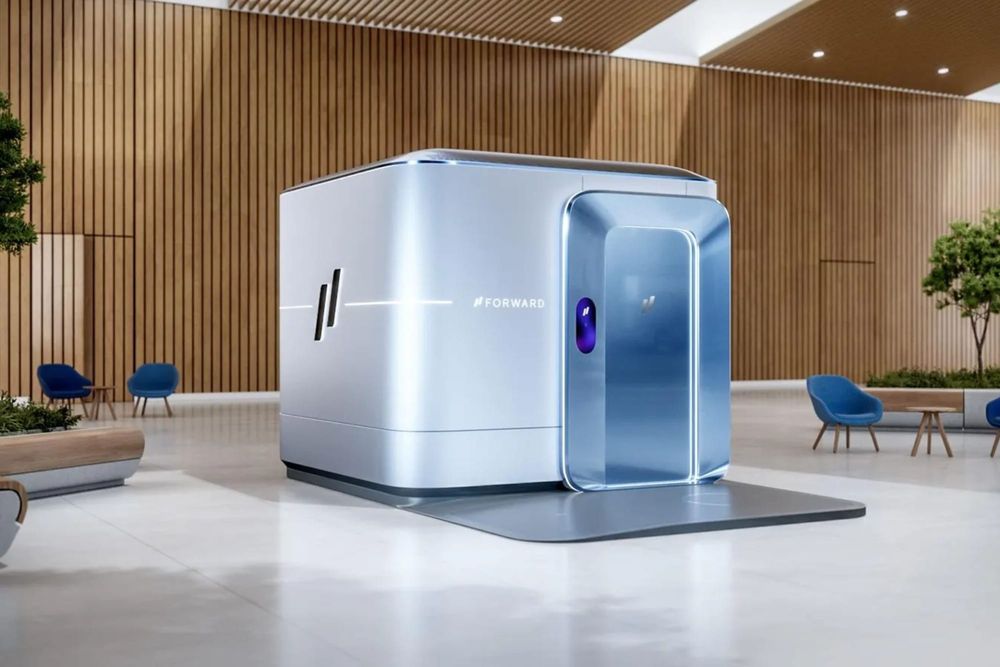
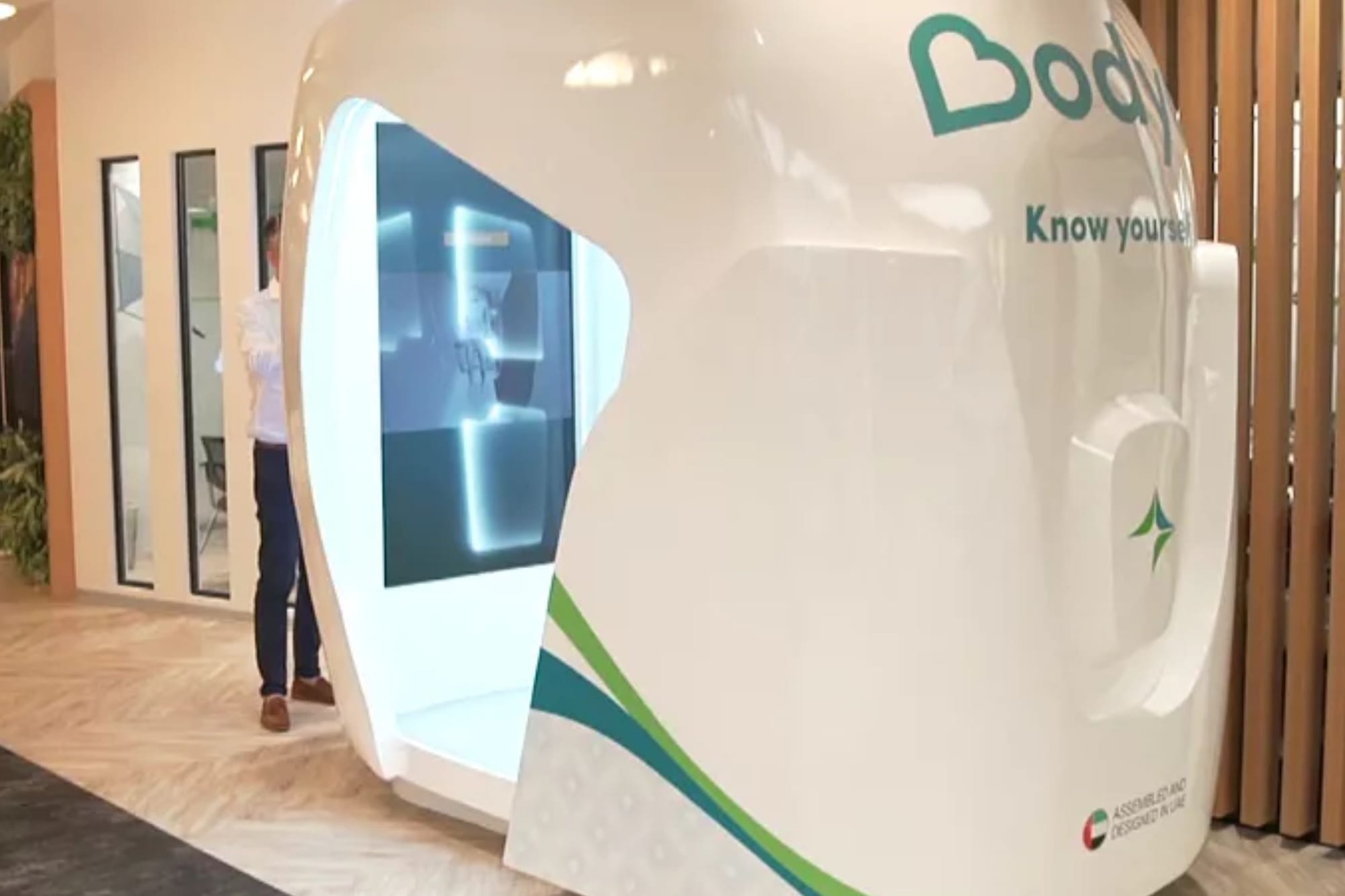
The centerpiece of this new model is the private, automated health pod. Designed to combine the clinical rigor of a traditional triage room with the speed of modern digital kiosks, these pods allow patients to complete a thorough health assessment independently and in complete privacy.
There are no paper clipboards to manage, no physical insurance cards to show, and no endless demographic forms to complete. A patient simply scans a QR code generated by their central health application on their smartphone, steps inside the climate-controlled pod, and receives clear visual and audio guidance through every step of the process.
The collection of physical vitals begins immediately using touchless and non-invasive sensors. Within moments, the pod measures:
- Core body temperature and ambient skin hydration levels
- Pulse rate and dynamic oxygen saturation
- Continuous blood pressure through automated, precision-calibrated cuffs
- Comprehensive body composition, including muscle mass, bone density, and visceral fat percentages
These initial readings are logged directly into the patient's unified digital health profile, establishing an accurate baseline before advanced AI diagnostics begin.
Advanced AI Scans: Looking Beyond Surface Symptoms
Once core vitals are captured, the diagnostic pod deploys high-resolution optical devices powered by machine learning to screen for subtle, early-stage health markers.
One of the most impressive tools inside these modern pods is the automated retinal imaging camera. The back of the human eye offers a clear, non-invasive window into the body's micro-vascular network. The pod guides the patient to align their eyes with specialized optical lenses, capturing high-definition images of the retina within seconds.
Advanced computer vision algorithms immediately analyze the tiny blood vessels behind the eye, searching for microscopic structural changes. This rapid analysis allows the system to flag early indicators of systemic conditions like chronic hypertension, cardiovascular risk, and early-stage diabetic retinopathy years before a patient notices any visual impairment or physical symptoms.
Simultaneously, multi-spectral skin imaging cameras scan exposed areas of the face, neck, and arms. By analyzing skin patterns under specific light wavelengths, the AI software measures subsurface pigmentation changes, hydration levels, and structural anomalies, flagging potential dermatological concerns that warrant closer review by a specialist.
Micro-Fluidic Labs: Processing Blood Work in Minutes
The single biggest delay in legacy healthcare has always been the laboratory pipeline. In a traditional setting, blood drawn from a patient is stored, labeled, batched with dozens of other samples, and physically transported across the city to a central processing laboratory. This logistical chain introduces hours, and often days, of downtime.
Smart micro-clinics and diagnostic pods bypass this external logistics chain entirely by utilizing automated, point-of-care microfluidic testing devices.
Rather than drawing multiple full vials of blood through traditional venipuncture, these advanced systems require only a single, virtually painless micro-sample collected via a micro-needle array. The sample is inserted into a self-contained, automated testing cartridge that uses tiny fluid channels to run multiple chemical analyses simultaneously on-site.
Within ten to fifteen minutes, the automated system delivers a detailed metabolic and biomarker panel, including:
- Complete lipid profiles, measuring total cholesterol, HDL, LDL, and triglycerides
- Fasting blood glucose and long-term HbA1c levels
- Kidney and liver function enzymes
- Key systemic inflammation markers, such as High-Sensitivity C-Reactive Protein (hs-CRP)
By processing the sample locally using automated micro-chemistry, the pod converts raw biological material into clear, digital data while the patient is still inside the booth.
Bridging Modern Automation with Human Medical Expertise
While automated hardware and algorithms carry out the heavy lifting during data collection, human medical expertise remains the crucial final component of the experience.
Once the pod finishes capturing vitals, running optical scans, and processing biomarker data, the patient does not simply walk away with a confusing sheet of medical numbers. Instead, the pod transitions seamlessly into a private, high-definition consultation space.
A licensed physician joins the session via a secure, high-speed video link. The doctor views a real-time dashboard displaying the fresh diagnostic results alongside the patient's historical medical data.
During this concise, ten-minute virtual session, the physician can:
- Explain key biomarker numbers in plain, simple language
- Discuss any subtle flags raised by the AI retinal or skin imaging tools
- Provide immediate advice on lifestyle, nutrition, or stress management
- Issue digital prescriptions sent directly to the patient's preferred local pharmacy
- Authorize instant digital referrals to hospital specialists if secondary testing is required
This hybrid approach ensures that artificial intelligence handles data collection efficiently, leaving the human doctor free to focus entirely on meaningful patient communication, clinical interpretation, and empathetic care.
Built for the Modern Dubai Lifestyle
This move toward frictionless, high-speed health monitoring is tailored for a population that values time, efficiency, and technological integration. Busy corporate professionals, working parents, and tech-savvy residents often postpone routine preventative health visits simply because they cannot justify spending half a day navigating a traditional hospital environment.
When an annual or quarterly health checkup requires just thirty minutes from start to finish, preventative care stops being a frustrating task on a busy calendar. It becomes a simple, low-stress routine—something that can be completed between morning meetings, after a gym session, or while out running weekend errands.
By removing administrative friction, physical queues, and long processing delays, these smart clinics encourage residents to check their health indicators far more frequently. This shift from rare, sporadic hospital visits to regular, effortless checkups enables early detection of chronic conditions when they are easiest to treat and manage.
Dubai’s rapid deployment of automated diagnostic pods and AI-driven smart clinics marks a permanent shift in urban medical delivery. Healthcare is evolving from a reactive system that patients only interact with when they fall ill into a seamless, preventive layer woven directly into the fabric of modern city living.
By uniting high-speed automation, artificial intelligence, and expert clinical oversight into a single 30-minute experience, Dubai is establishing a world-class model for global healthcare. The future of medicine is fast, precise, and completely free of the traditional waiting room.
Also Read:
 Ummulkiram Pardawala
 Nour Aboras
 Ummulkiram Pardawala
 Shahba Mayyeri