
A growing number of people across Dubai and the wider UAE are handing over their money not because they feel unwell, but because they want proof that they are still well. That single shift, from treating sickness to hunting for it before it even shows up, is reshaping how the country's professionals think about their bodies, their time and their money.
Executive health checks are booked out weeks in advance, longevity clinics are opening inside five star hotels and insurance providers are being pushed to cover screening that used to sit firmly in the "nice to have" category.
What exactly changed, and is this a genuine leap forward in how we manage our health, or simply a well marketed trend dressed up in medical language?
The answer sits somewhere in between, and it says a lot about how the UAE now thinks about longevity, productivity and risk.
From Treating Illness to Anticipating It
For most of modern medical history, the default approach to healthcare was reactive. You waited until something hurt, felt wrong or stopped working properly, and then you booked an appointment. That model still exists and always will, because accidents happen and acute illness needs immediate care. But alongside it, a second model has been growing steadily stronger in the UAE, one built entirely around getting ahead of problems rather than responding to them.
Dubai's population skews younger and heavily working age, with a large share of residents falling into the 25 to 64 age bracket that tends to drive demand for both fitness services and chronic disease prevention. At the same time, life expectancy across the country has been climbing steadily, which naturally raises the question of not just how long people live, but how well they live during those extra years. When more people are living into their seventies and beyond, the conversation stops being purely about survival and starts being about quality of life, energy levels and independence in later years.
Government policy has leaned into this shift rather than resisting it. The Ministry of Health and Prevention and the Dubai Health Authority have both built preventive care into their long term national health strategies, aligning screening programmes and early detection initiatives with broader plans for the country's future. Dubai has gone a step further by establishing a dedicated Longevity Authority, a regulatory body specifically designed to support healthy ageing research, regenerative medicine and preventive diagnostics as a serious economic and public health priority rather than a fringe wellness trend.

Why Dubai's Lifestyle Makes Prevention Feel Necessary
Ask any doctor working in a Dubai clinic what drives their patients through the door for a full body checkup, and a familiar pattern tends to emerge. Long working hours, high pressure roles, frequent business travel, irregular meal times and limited windows for exercise combine to create conditions where chronic issues can build quietly in the background for years. Many patients arrive convinced their constant tiredness is simply the cost of doing business, only to discover blood pressure readings that have been elevated for a long time or blood sugar levels sitting just on the edge of prediabetes.
The city's climate plays its own part in this story too. Intense heat for large stretches of the year discourages outdoor activity and pushes daily life indoors, which can quietly encourage more sedentary habits than people realise. Add in a food culture that leans toward eating out often, and the combination of stress, heat and convenience creates exactly the kind of silent risk factors that preventive screening is designed to catch. None of these conditions announce themselves loudly in the early stages. High blood pressure rarely feels like anything at all until it has already caused damage, and that is precisely the gap that preventive healthcare aims to close.
Cardiovascular disease and metabolic disorders such as diabetes and obesity remain the two biggest concerns driving demand for screening in the UAE, and it is not hard to see why given how closely they are tied to lifestyle. When a large share of the working population spends their days at desks, in meetings or on flights, the appeal of a single comprehensive assessment that flags these risks early becomes obvious.
What People are Actually Paying for
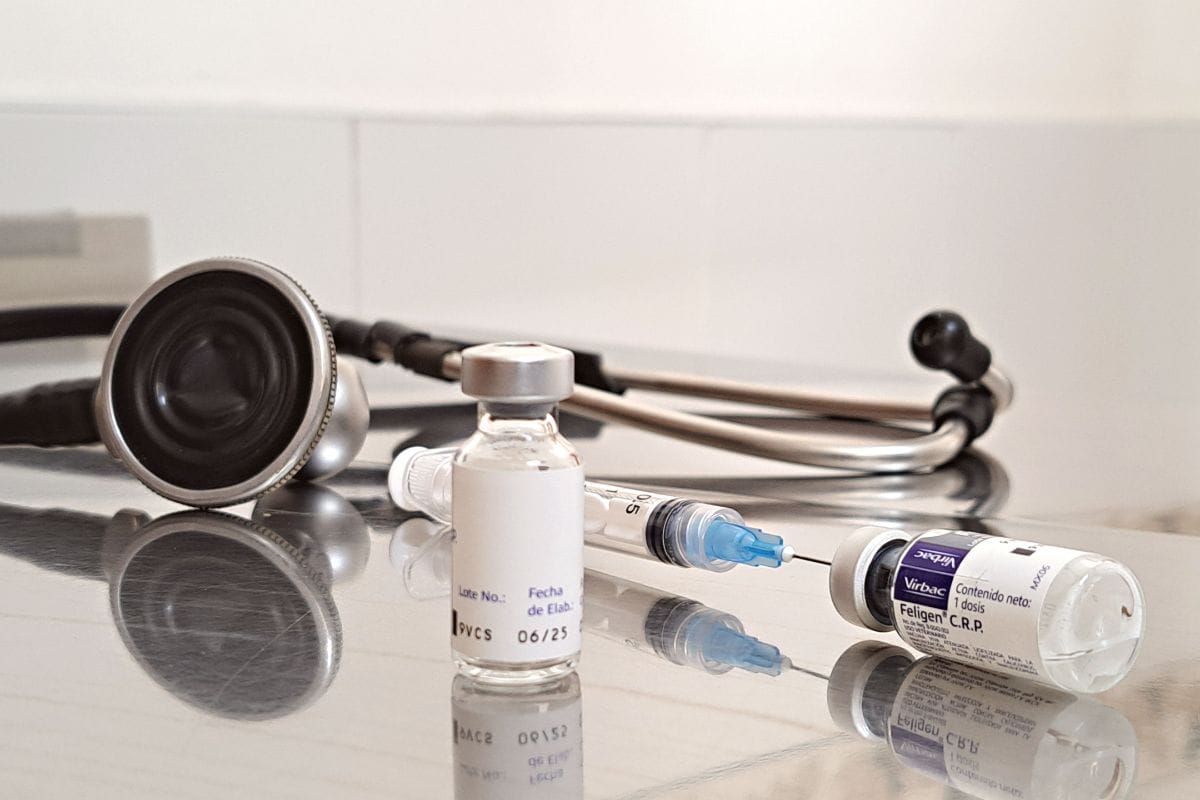
Preventive healthcare in the UAE no longer means a quick annual check with a stethoscope and a blood pressure cuff. The market has matured into something far more layered, with services ranging from straightforward general checkups to highly specialised diagnostic packages built around imaging, genetics and personalised risk profiling. A few categories now dominate the conversation.
- Executive health checkups. Designed specifically for busy professionals who rarely make time for routine doctor visits, these packages bundle physical examinations, laboratory analysis, cardiovascular screening and specialist consultations into a single structured visit, often completed within a day.
- Advanced imaging assessments. High resolution MRI, cardiac CT and precision ultrasound are increasingly used not to investigate existing symptoms but to look for structural changes before any symptoms exist at all, particularly for cardiovascular disease, cancer and neurological conditions.
- Corporate wellness programmes. Companies across the UAE have started building preventive screening into employee benefits, partly to reduce absenteeism and partly because a healthier workforce is simply a more productive one.
- Genetic and epigenetic testing. Clinics now offer testing that looks at inherited disease risk and biological ageing markers, giving people a clearer picture of what they are genuinely predisposed to rather than relying on family history alone.
- Longevity and regenerative medicine clinics. A newer and more premium category, these clinics combine diagnostics with treatments aimed at healthy ageing, from hormone optimisation to regenerative therapies, appealing to high net worth residents who want more than a standard checkup.
The market data backs up just how quickly this space has grown. The UAE's health checkup market alone was valued in the tens of millions of dollars in recent years and continues to expand at a steady annual rate, with general and preventive checkups together accounting for the largest share of that spending. Enterprise driven demand, largely from corporate wellness initiatives, now represents a significant chunk of that growth, which tells you this is not just wealthy individuals indulging in luxury diagnostics. It is companies actively investing in keeping their people healthier for longer.
The Insurance Factor
None of this growth would look the same without the shifting role of health insurance in the UAE. Historically, insurance coverage focused almost entirely on treatment, stepping in once something had already gone wrong. That is changing. More insurance providers now include preventive care benefits as a standard part of their packages, which has made regular screening far more accessible to people who might otherwise have viewed it as an unnecessary expense.
This matters because preventive healthcare only works at scale if enough people can actually afford to participate in it. When screening sits entirely outside insurance coverage, it naturally becomes something only the wealthy pursue, which limits its impact on the population as a whole. As coverage expands, prevention stops being a luxury reserved for executives with disposable income and starts becoming a more standard part of how residents manage their health year to year.
Prevention as a Business Strategy, Not Just a Health Choice
There is another layer to this trend that is easy to overlook, and it has less to do with medicine and more to do with how business leaders think about risk. For entrepreneurs, senior executives and business owners, health has quietly become treated the same way they treat any other critical asset. A company cannot function well if its key decision makers are constantly fatigued, distracted by undiagnosed conditions or forced into sudden extended leave because a problem was caught too late.
This framing explains why so many executive health programmes are marketed directly at leadership teams rather than the general public. The pitch is rarely just about living longer. It is about staying sharp, staying present and avoiding the kind of health crisis that pulls a founder or senior leader out of action for months at a time. In a business environment as competitive and fast moving as Dubai's, that kind of downtime carries a cost that goes well beyond medical bills.
Where This Trend Is Heading
The direction of travel here looks fairly clear. Preventive healthcare in the UAE is moving from a niche premium service toward something closer to standard practice, supported by government policy, insurance reform and growing public awareness of just how much silent risk chronic conditions carry. Diagnostic technology continues to improve, making it possible to detect changes in the body earlier and with far more precision than was possible even a few years ago, and personalised medicine, built around individual genetic and biological data rather than generic guidelines, is becoming a bigger part of how clinics approach patient care.
What began as a service for time poor executives with money to spend has started filtering into corporate benefits packages, insurance plans and mainstream medical advice. The underlying idea, that catching a problem early is almost always better than catching it late, is hardly new. What has changed in the UAE is the infrastructure, the funding and the cultural appetite to actually act on that idea before symptoms force the issue. For a country building its healthcare vision around the idea of not just living longer but living better, that shift from cure to care might turn out to be one of its most consequential decisions yet.
Also Read:
 Shahba Mayyeri
 Shahba Mayyeri
 Shahba Mayyeri