Running a business in the UAE often comes with a familiar dilemma: set up in a Free Zone and enjoy the tax perks and full foreign ownership, or go Mainland and tap into the wider local market. For years, companies had to pick one or carry the burden of running two separate legal entities. The dual license changes that equation entirely.
This regulatory framework allows a Free Zone-registered company to also operate on the UAE Mainland under a single unified structure, without the complexity or cost of building two independent businesses from scratch. It is a practical and increasingly popular solution for entrepreneurs and established companies alike who want broader market access without doubling their operational overhead.
So how does it actually work, and is it the right move for your business?
What Is a Dual License in Dubai?
A dual license is a regulatory mechanism that allows a company already licensed in a Free Zone to also conduct business directly on the UAE Mainland through an additional license, typically issued by the Department of Economy and Tourism (DET). The key distinction here is that both licenses are held by the same legal entity. There is no need to create a second company or appoint a local sponsor to access the Mainland market.
This means a business can retain all the classic advantages of its Free Zone registration, including 100% foreign ownership, tax exemptions, and streamlined setup procedures, while simultaneously gaining the rights to trade locally, serve Mainland clients, and participate in government tenders. The two jurisdictions, which once required separate entities to navigate, become accessible through one coherent structure.
Types of Dual Licenses Available

Not every dual license looks the same. The type that applies to your business depends on the nature of your activities and the Free Zone you operate from. The most common categories include:
- General Trade License: The most flexible option, allowing trade in a broad range of goods and services across both the Free Zone and the Mainland, though certain specific activities may still carry restrictions.
- Professional License: Designed for service-based professionals such as consultants, legal advisors, and medical practitioners who need to operate across both markets.
- E-Commerce License: Suited for businesses that primarily sell products or services through online platforms, enabling them to serve both local and international customers without geographic limitations.
- Specific Industry Licenses: Certain Free Zones offer specialized licenses tailored to sectors like technology, media, or healthcare, allowing companies in those industries to operate in relevant markets within both jurisdictions.
The availability of each license type varies depending on which Free Zone you are registered in and the nature of your business activity, so it is worth confirming these details early in the planning process.
Free Zones That Support Dual Licensing
Not all Free Zones in the Dubai participate in the dual license program, which makes your choice of zone a critical first decision. Some of the key Free Zones that offer dual license capabilities include:
- Dubai Multi Commodities Centre (DMCC): One of the most prominent Free Zones globally, with options for Mainland access through specific license types and arrangements.
- Dubai Airport Free Zone (DAFZA): Well known for offering dual licenses to businesses looking to expand into the local market.
- Dubai World Trade Centre (DWTC): Provides dual licensing for companies seeking broader operational reach across both jurisdictions.
- Dubai International Financial Centre (DIFC): Primarily serves financial services firms and has its own distinct regulatory framework.
- Dubai Silicon Oasis (DSO): Focuses on technology and innovation-driven businesses.
- Jebel Ali Free Zone (JAFZA): A large-scale zone offering comprehensive facilities and integration options for Mainland reach.
- Meydan Free Zone: Popular among creative industries, media professionals, and freelancers, often with more competitive pricing.
Each of these zones has its own fee structure, industry focus, and support infrastructure, so the right choice depends on aligning the zone's specialization with your business model.
How to Obtain a Dual License in Dubai
The process is structured and requires careful attention to documentation and eligibility at each stage.
Step 1: Confirm Free Zone Eligibility
Before anything else, verify that your chosen Free Zone participates in the dual license program. Review the zone's approved activities, licensing costs, and service offerings to ensure they fit your business goals.
Step 2: Establish Your Free Zone Company
The dual license is an extension of an existing Free Zone entity, so you must first complete the standard Free Zone setup. This involves choosing your legal structure (such as an FZE or FZCO), registering a trade name, submitting required documents including passports and a business plan, leasing office space within the zone, and obtaining your initial Free Zone license.
Step 3: Apply for the Dual License
Once your Free Zone company is active, you can apply for the Mainland extension through your Free Zone's business services department. The Free Zone authority will coordinate with the DET on your behalf. The application typically requires a copy of your Free Zone trade license, a board resolution approving the Mainland expansion, passport copies of the company manager or owner, a tenancy contract for a physical office space on the Mainland, and any sector-specific approvals that may apply to your industry.
Some Free Zones also require a formal No Objection Certificate (NOC) before they allow activities to be extended to the Mainland, so it is important to check this requirement early.
Step 4: Pay Fees and Await Approval
Once documents are submitted, the fees associated with the DET license issuance and any Free Zone service charges must be settled. Processing times vary depending on the nature of your business activity and how complete your documentation is at the time of submission.
Step 5: Finalize Your Mainland Setup
After approval, you will need to complete your Mainland office setup in line with the tenancy contract submitted, process employee visas for staff working in Mainland operations, open corporate bank accounts for Mainland transactions if needed, and begin trading across both jurisdictions under your unified entity.
Key Benefits of a Dual License

The case for a dual license becomes clear when you look at what it actually enables for a business operating in the UAE:
- Direct Mainland market access for selling to local customers, entering corporate supply chains, and bidding on government contracts that require a Mainland commercial license.
- Retention of Free Zone advantages including 100% foreign ownership, full profit repatriation, and exemption from import and export taxes.
- Significant cost savings by avoiding the expense of maintaining two separate legal entities, with reduced administrative overhead, licensing renewals, and compliance obligations.
- Greater credibility in the eyes of local clients, banking institutions, and business partners who view Mainland licensing as a mark of serious market commitment.
- Streamlined logistics through the ability to establish onshore warehouses or offices and invoice Mainland clients directly without intermediaries.
- Eligibility for government and corporate tenders that are restricted to businesses holding a valid Mainland commercial license.
Restrictions and Limitations to Be Aware Of
Despite its advantages, the dual license does come with boundaries that every business owner should factor into their planning.
The most important is Free Zone eligibility. The dual license structure is only available through select Free Zones, and your company must be actively registered in one of those zones to qualify. Importantly, the Free Zone entity remains the primary legal entity. Mainland access is an extension of it, not a standalone structure, which means if your Free Zone license lapses, your Mainland authorization goes with it.
On the operational side, you are required to maintain a physical office or warehouse on the Mainland. Virtual offices and flexi-desk arrangements are generally not accepted, and Mainland activities are typically limited to the emirate that issued the license. Expansion into other emirates may require additional approvals.
From a compliance standpoint, you may only conduct activities that are specifically approved and listed on your dual license. Separate bank accounts are often advisable for Free Zone and Mainland transactions, and annual financial audits are required with all Mainland revenue fully reported. There are also costs to account for, including both the Free Zone license fees and the Mainland authorization fees, on top of rent for the required physical office space.
While the dual license eliminates the need for a UAE national local service agent for most activities, some DET requirements around employees and operational conditions may still apply depending on your sector.
Is a Dual License the Right Move for Your Business?
A dual license makes the most sense for companies that are already established in a Free Zone and are actively looking to grow their footprint in the local UAE market without the financial and administrative weight of building a second entity. It is particularly valuable for businesses looking to win government contracts, serve Mainland corporate clients, or manage local logistics and distribution more efficiently.
For startups and SMEs, the cost savings from consolidating into a single entity rather than running two companies in parallel can be substantial. For larger enterprises, the strategic flexibility of operating across both jurisdictions while retaining Free Zone protections is a genuine competitive advantage.
Getting the setup right from the start, selecting the appropriate Free Zone, ensuring eligibility, and meeting all compliance requirements, is what determines whether the dual license delivers on its promise. Working with an experienced corporate services provider can make the difference between a smooth transition and a drawn-out approval process.
Also Read:
 Shahba Mayyeri
 Ummulkiram Pardawala
 Shahba Mayyeri
 Shahba Mayyeri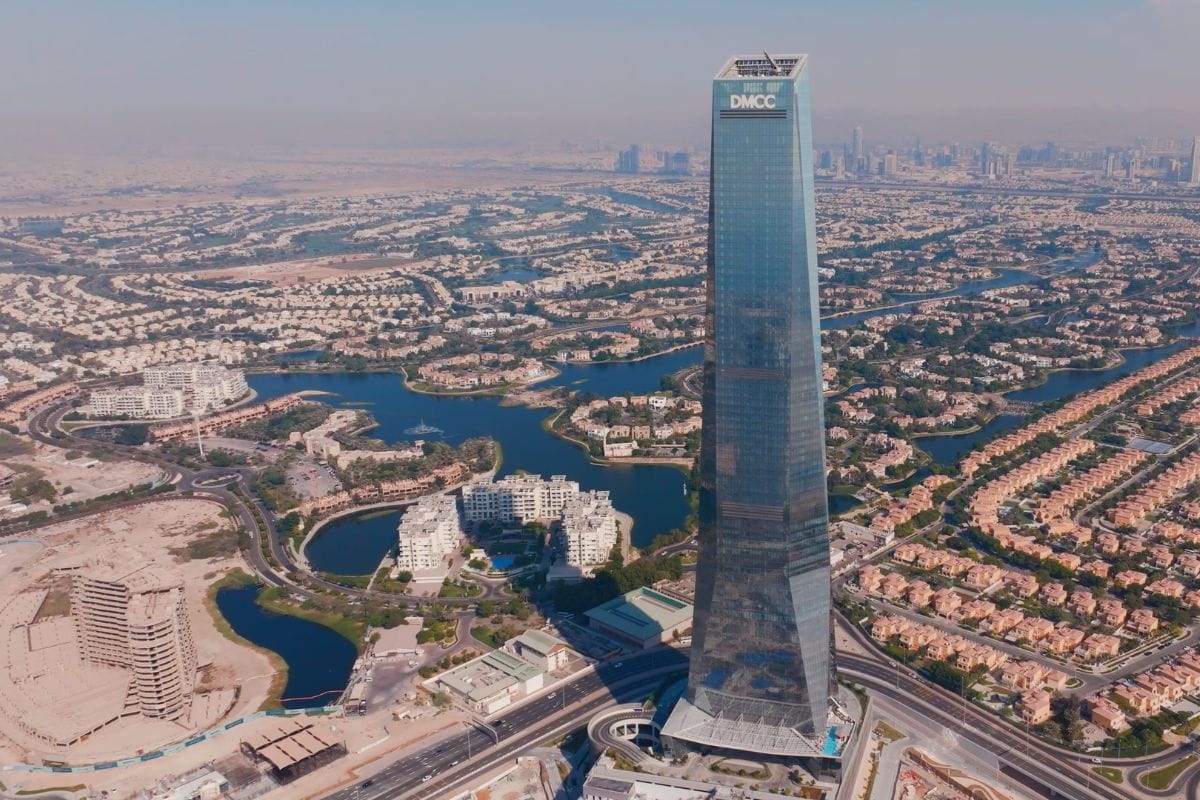
 Maryam Pervez