For the global sales professional, the playbook for securing B2B client meetings has remained virtually unchanged for over a decade. It is a game of digital volume. You scrape a list of target decision makers, upload their contact data into an automated sequencing tool, and blast out hundreds of personalized cold emails or LinkedIn InMails every week. Success is viewed as a pure numbers game, where a two percent response rate is celebrated as a victory.
But if you try to deploy this automated, volume-driven digital outreach strategy inside the commercial ecosystem of Dubai, you will quickly find yourself shouting into a void. The cold email is officially dead in the emirate.
The collapse of digital pitching here is not just a symptom of overcrowded inboxes or sophisticated spam filters. Instead, it is the direct result of a profound structural mismatch.
Dubai is a high-density, hyper-proximate metropolis where the physical architecture of the city enables unparalleled face-to-face access. When a junior executive can jump on the metro and physically stand in the same room as a multi-billion-dirham fund manager at an open-air promenade or a specialty coffee shop, hiding behind a cold, text-based digital template ceases to make strategic sense. In a marketplace where proximity is an everyday reality, relationship building has forcefully reverted to its purest, most immediate form.
The Architecture of Proximity: Why Digital Volume Fails
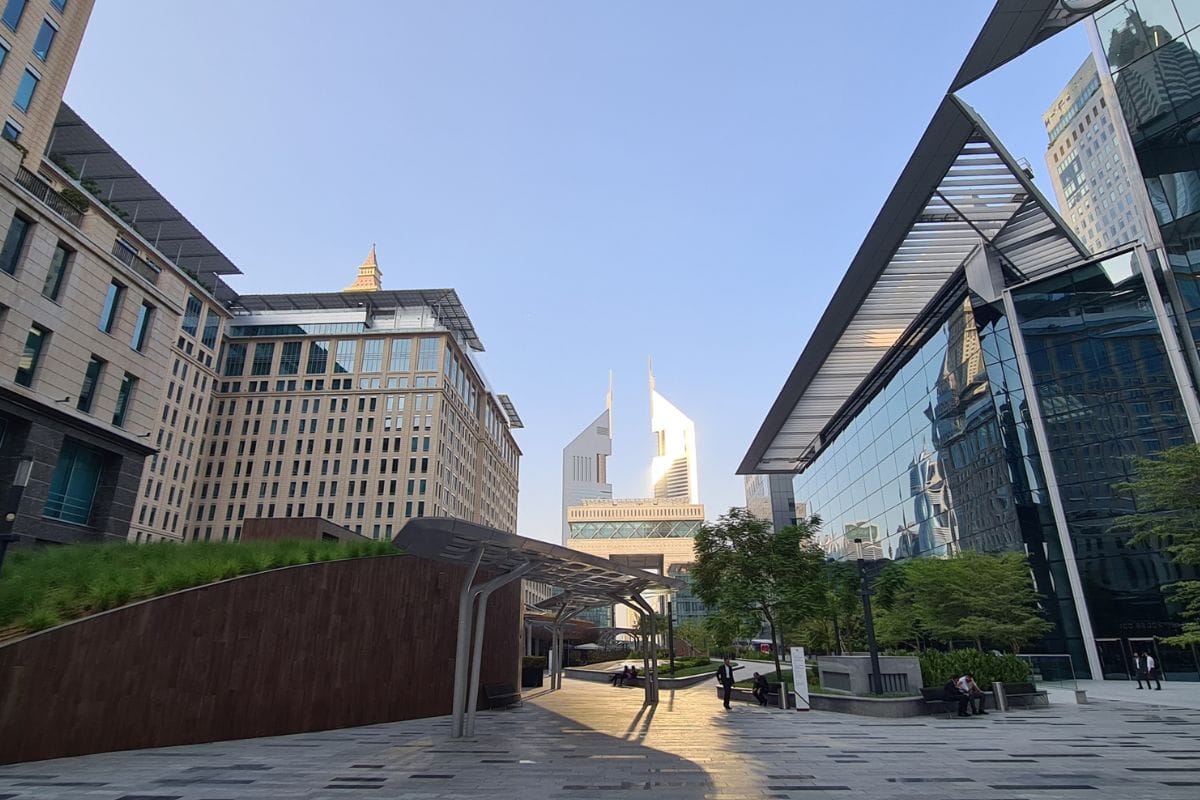
To understand why cold digital outreach fails so thoroughly in the local market, one must first look at the geography of Dubai’s business districts. Unlike sprawling Western corporate capitals where key decision makers are separated by hours of train rides or distinct suburban corporate parks, Dubai’s commercial engine is intensely clustered. Districts like the Dubai International Financial Centre (DIFC), Downtown Dubai, Business Bay, and Dubai Design District (d3) function as interconnected, vertical neighborhoods.
Consider the structural layout of DIFC’s Gate Avenue. It is a walkable, air-conditioned spine connecting offices, retail hubs, art galleries, and premium dining options. On any given afternoon, hundreds of C-suite executives, legal partners, tech founders, and regional directors are walking the exact same corridors. They are ordering flat whites from the same barista at Coffee & Sundries, standing in the same lunch lines at local eateries, and browsing the same art exhibitions.
This geographic reality completely shatters the traditional illusion of executive distance. When an automated cold email lands in a Dubai CEO's inbox from an agency located thousands of miles away, the message feels distant, detached, and lazy. Local decision makers intuitively recognize that real value, real capital, and real partners are physically present right outside their office doors. Consequently, the threshold for earning an executive’s attention via digital means has skyrocketed to an almost impossible height.
The Cultural Premium on Tangible Trust
Beyond the physical architecture of the city, the ultimate execution of any business transaction in the region is deeply rooted in cultural intelligence. The Gulf market operates on a foundation of relational trust, a heritage concept often encapsulated in the regional appreciation for personal networks and authentic human validation. In this cultural framework, a corporate entity does not do business with another corporate entity; individuals do business with individuals.
A cold email is, by its very definition, transactional. It seeks to extract a commercial benefit—a meeting, a phone call, a budget allocation—before establishing any baseline of personal respect or mutual rapport. In Dubai's business culture, rushing straight into a sales pitch before taking the time to understand your counterpart's background, values, and reputation is frequently perceived as aggressive and short-sighted.
Face-to-face networking is not treated as an optional sales tactic here; it is viewed as a core business function. Sitting down over a specialty coffee or a traditional cup of gahwa is where the actual risk assessment happens. A decision maker is not simply evaluating your slide deck or your pricing model; they are looking into your eyes to judge your character, your long-term commitment to the region, and your personal reliability. A digital string of text on a smartphone screen simply cannot convey those vital human data points.
The Rise of the "Accidental" Deal: How Proximity Beats the Pitch
Because physical proximity has eroded the traditional barriers to executive access, the mechanism of the B2B sale has shifted away from structured pitches and moved toward organic, serendipitous encounters. The city’s high-achieving professionals have mastered the art of passive, high-proximity networking, turning casual lifestyle spaces into active deal-making environments.
It is common for a major logistics partnership, a creative agency retainer, or a seed-stage investment round to initiate not in a formal boardroom, but on the sidelines of a local community event. A casual conversation initiated while waiting for a smoothie after a sunrise run at Kite Beach, or an organic interaction during a gallery opening night at Alserkal Avenue, carries a massive psychological advantage.
Because these encounters happen in neutral, lifestyle-oriented settings, the protective walls that busy executives normally build against salespeople are completely lowered. The conversation naturally develops around shared interests, health optimization, local market observations, or creative ideas. By the time the business context organically emerges, a critical baseline of mutual trust has already been established. The formal meeting that follows is no longer a cold pitch; it is a warm, collaborative continuation of a real human connection.
Redefining the Digital Handshake: From Cold Pitching to Thought Leadership
If the traditional cold email is completely dead, how should modern B2B companies, agencies, and independent consultants bridge the gap between digital visibility and physical execution? The answer lies in transforming your digital channels from transactional toolsets into premium platforms for inbound thought leadership.
In the current regional ecosystem, LinkedIn has firmly established itself as the ultimate digital handshake, boasting an exceptionally high penetration rate among local professionals. However, the top operators are not using the platform to send automated outbound sales messages. Instead, they use it to project domain authority, publish highly contextual local insights, and document their real-world executions within the market.
When you consistently share valuable, un-gatekept insights about regional business updates, regulatory shifts, or operational case studies, you enter the subconscious mind of your target client base. When you eventually bump into that specific decision maker at an industry event, a DIFC cafe, or a shared social gathering, you are no longer a stranger attempting to cold-call them. You are a recognized voice of authority. The digital footprint serves to warm up the physical environment, making the transition to an in-person coffee chat smooth, respectful, and highly effective.
The Future Belongs to the Present Operator
Ultimately, the decline of the cold email is a healthy self-correction for Dubai's rapidly evolving economy. It forces professionals to step away from the comforting detachment of automated software and re-engage with the vibrant, human reality of the local marketplace. It levels the playing field, shifting the advantage away from massive global companies with unlimited digital marketing budgets and handing it directly to agile, present, and culturally intelligent local operators.
Success in this high-proximity city requires a deliberate commitment to being physically present where the conversations are happening. It means recognizing that your next major client or strategic partner is not hiding behind a carefully defended digital wall; they are likely sitting three tables away from you at a Jumeirah espresso bar or walking down the promenade at Gate Avenue. By retiring the cold email and embracing the immense power of physical proximity, you align your business strategy with the natural heartbeat of Dubai, proving that in a world dominated by virtual connections, nothing can match the commercial velocity of a real, face-to-face handshake.
Also Read:
 Shahba Mayyeri
 Umema Arsiwala
 Shahba Mayyeri
 Umema Arsiwala